

FIRST QUARTER 2017
MARCH
Treecreeper
Certhia familiaris

The only British land bird with a curved beak. It is normally seen climbing up the side of tree trunks searching for food. Treecreepers feed on Insects, arachnids and seeds.
#
Collared Dove
Streptopelia decaocto

First recorded breeding in Britain during the 1950s. The Collared Dove has a pinky-brown body, black neck collar and red eyes. It feeds on buds, shoots, grains and seeds.
#
Woodpigeon
Columba palumbus

Britain's largest pigeon species feeds on grain, nuts, seeds, cabbages, sprouts, peas, buds, shoots and berries.
#
Comma
Polygonia c-album
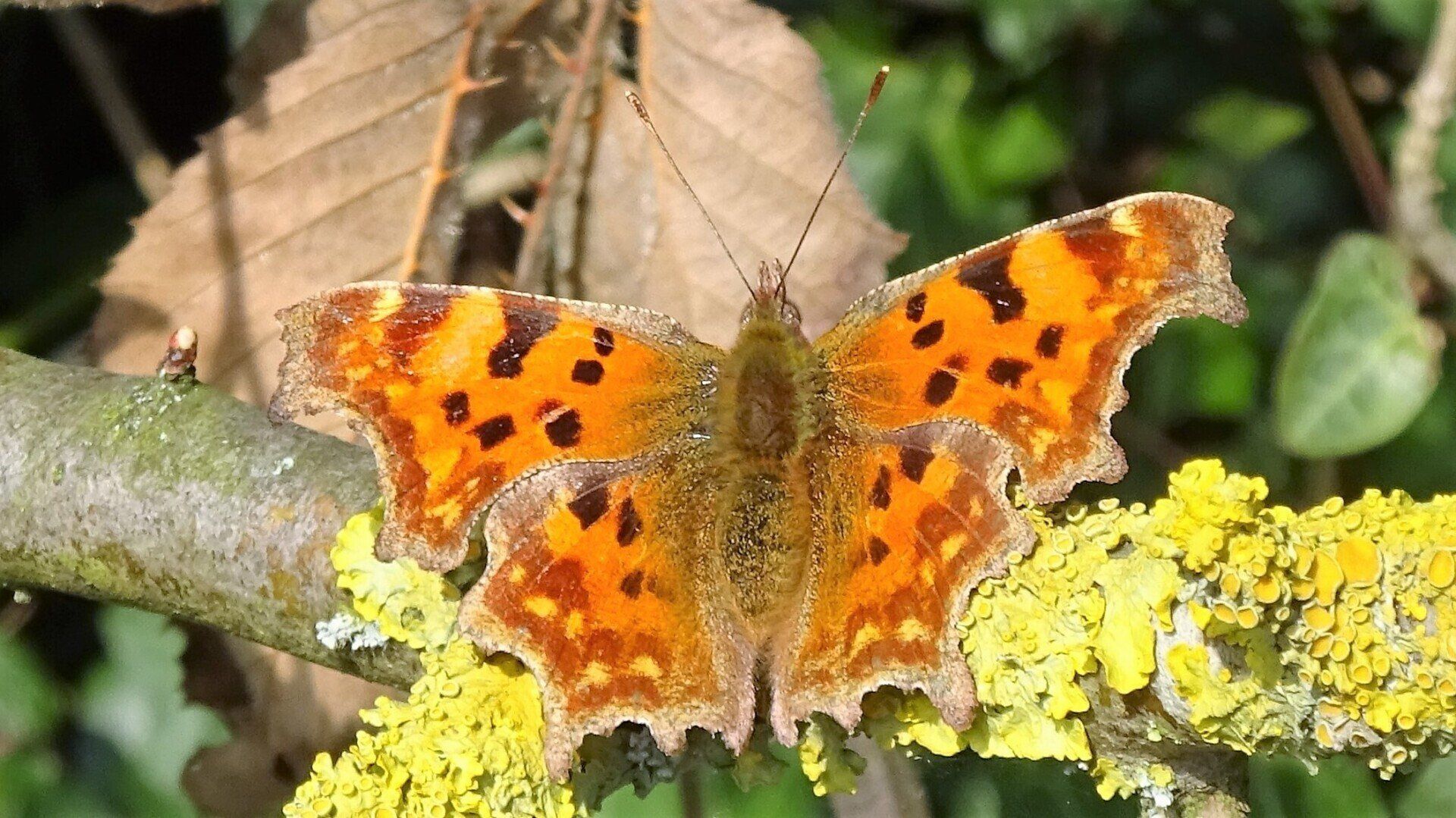
The Comma butterfly features jagged orange-brown upper wings accented with black and yellowish-brown markings. When at rest, it resembles a dried leaf. Comma butterflies prefer to rest on hedgerows in sunny areas. The name "Comma" comes from a small 'comma' mark found on the underside of their wings. Their caterpillars feed on nettles and hop plants.
#
Dark-edged Bee-fly
Bombylius major
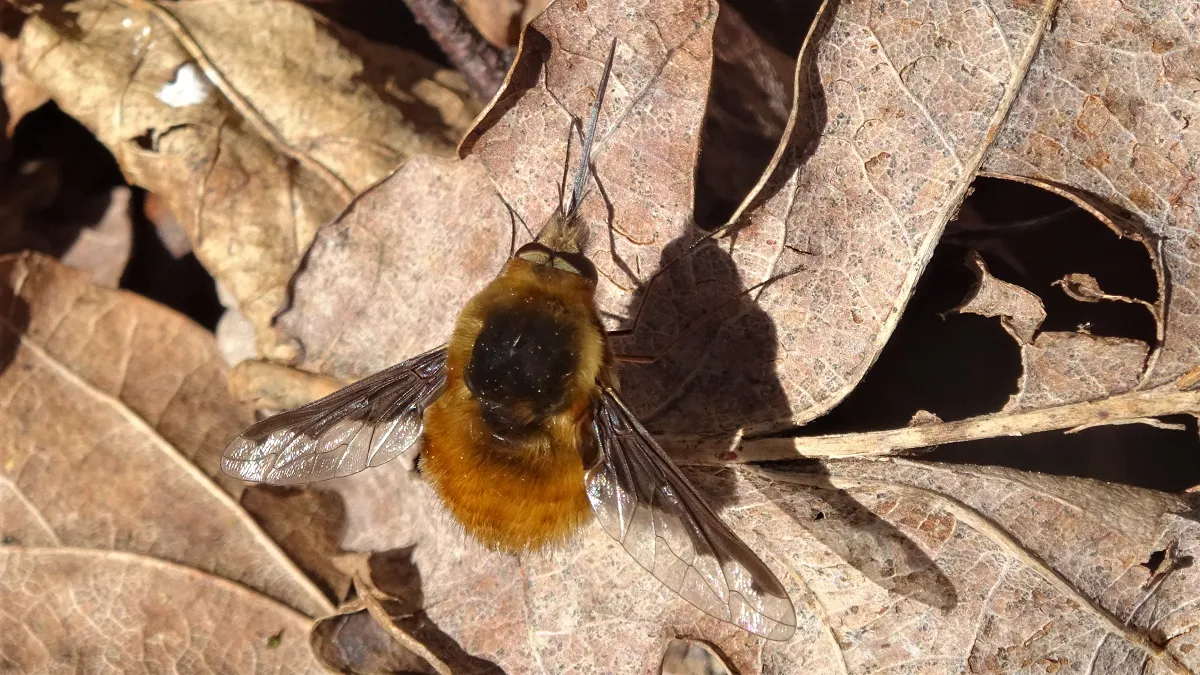
The Bee-fly is a harmless two-winged insect that resembles a small bumblebee about 12mm long. The long proboscis is used for drinking nectar and is not a stinger. Usually seen in spring resting on leaf litter or hovering above flowers. Its larvae feed on bee and wasp larvae.
#
Solitary Wasp
Nests

A bare piece of ground on Cabin Hill is covered with mounds each with a tiny hole on top. These are solitary wasp nests. The majority of wasp species are solitary insects. Many dig burrows in the ground. Having mated, a female will build a nest and forage for the benefit of her own offspring. Some solitary wasps nest in small groups alongside others of their species. They eat mostly insects and spiders.
#
Shiny Common Woodlouse
Oniscus asellus
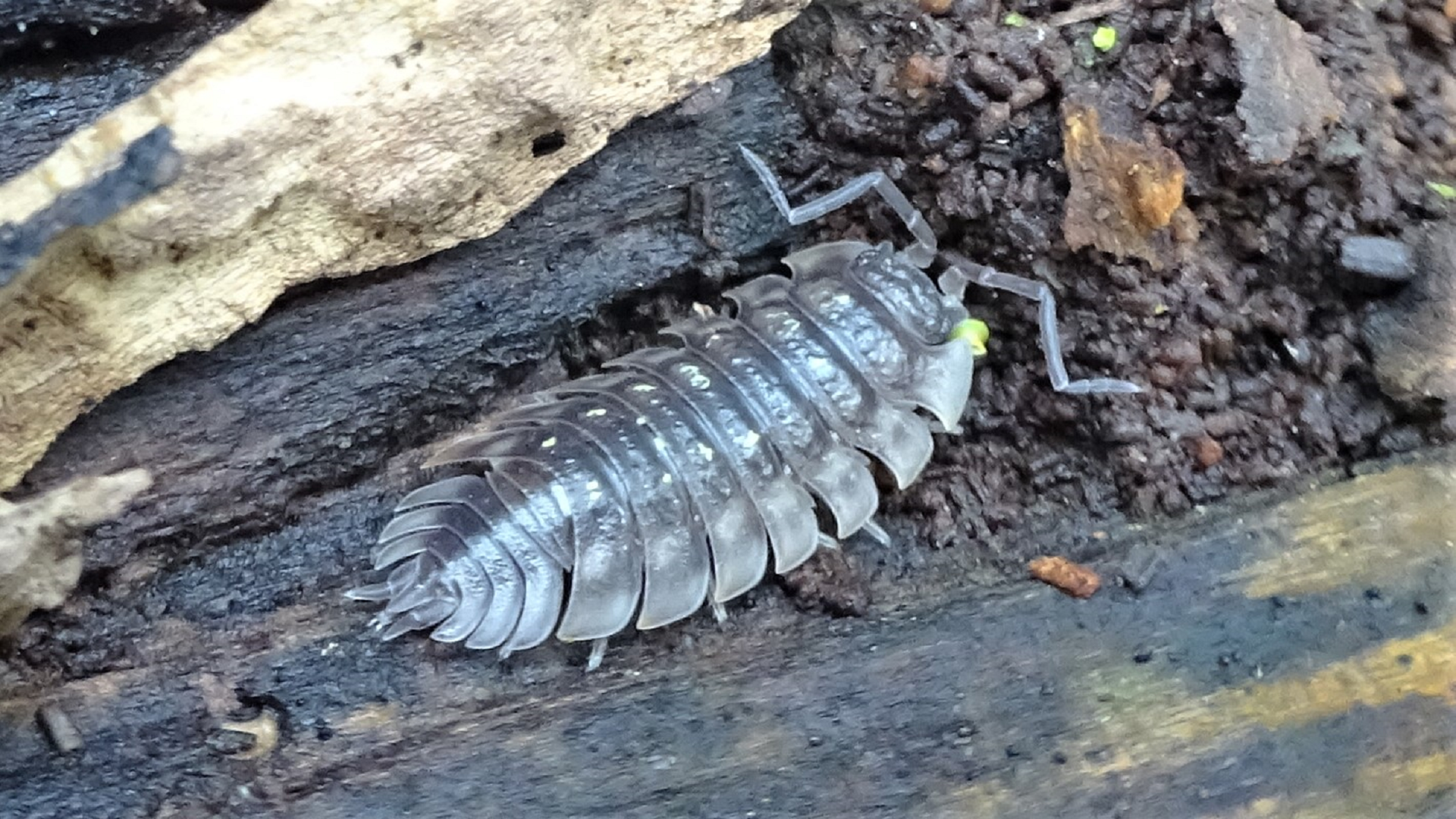
One of the largest and most common Woodlouse species in Britain and Europe, growing up to 16mm long and 6mm wide.
#
Garden Snail
Cornu aspersum
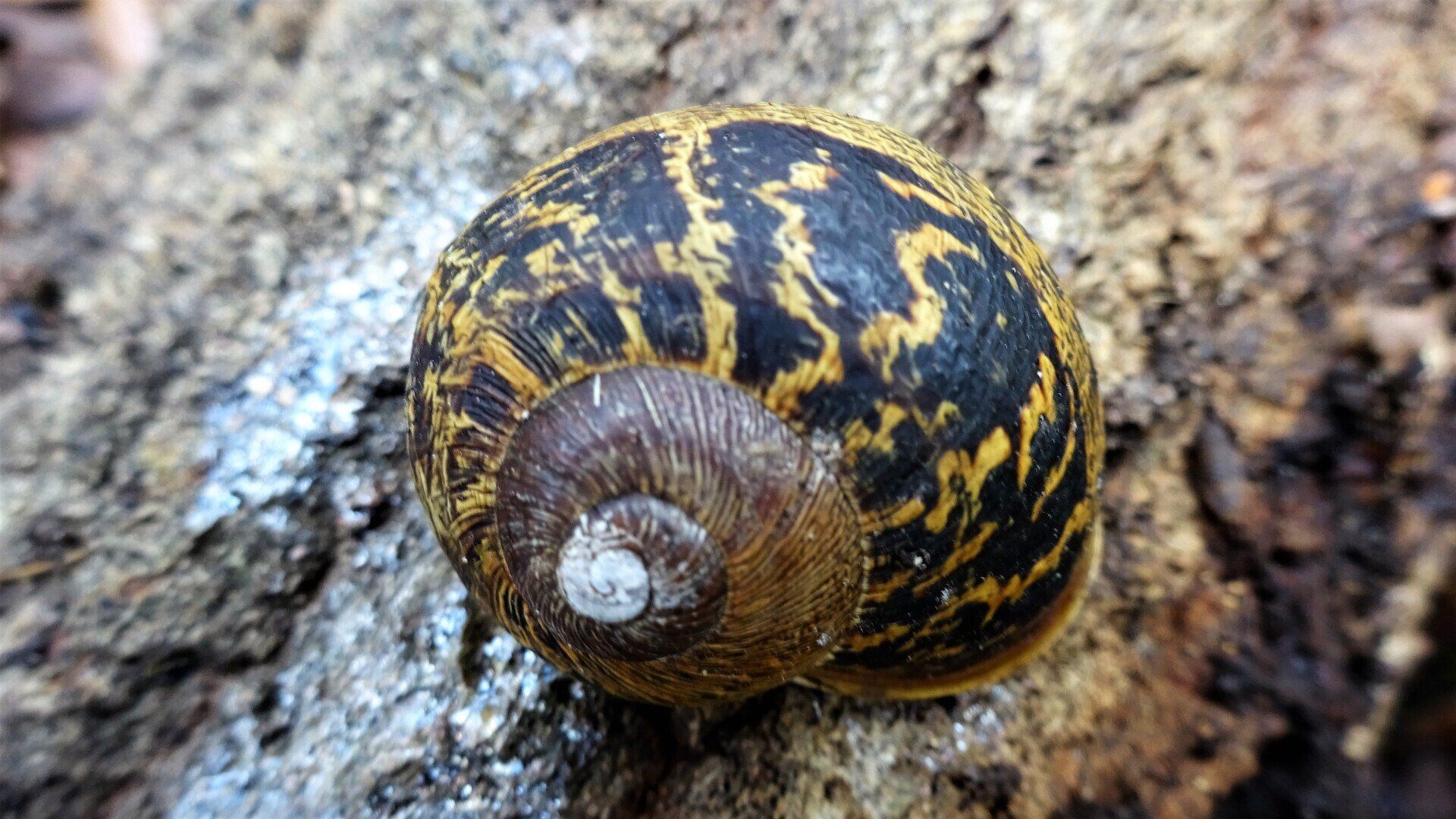
The Garden Snail has a thick shell usually brown with a variable yellowish-brown zig-zagging lines and a wrinkled surface. The shell has 4½ to 5 whorls and grows to a height of 25-35mm. This is a nocturnal species that appears during the day after rain. Often found in gardens, hedgerows and on rocks.
- Do you know?
A snail consumes food while moving, using its tongue, which has many tiny, tooth-like structures called radula to scrape food particles from surfaces and grind the food. Common dietary preferences include plants, lichens, algae, and limestone.
#
Smooth Newt
Lissotriton vulgaris

Smooth newts are the commonest British newt. They are most likely to be seen from March to October. Newts hibernate during winter among tree roots. They emerge during spring to breed in ponds. The remainder of the year is spent feeding in woodland and grassland. They are mostly active at nighttime. Their diet consists of insects, molluscs and tadpoles.
#
White Frog Spawn
Rana temporaria

Frog spawn is laid in clumps in shallow water, normally appearing before toad spawn. Tadpoles stay together in a writhing mass when they first hatch. White spawn appears when it has not been successfully fertilised. This usually breaks down naturally in the water, however sometimes the white dots develop into white or ‘transparent’ tadpoles.
#
Oyster Mushroom
Pleurotus ostreatus
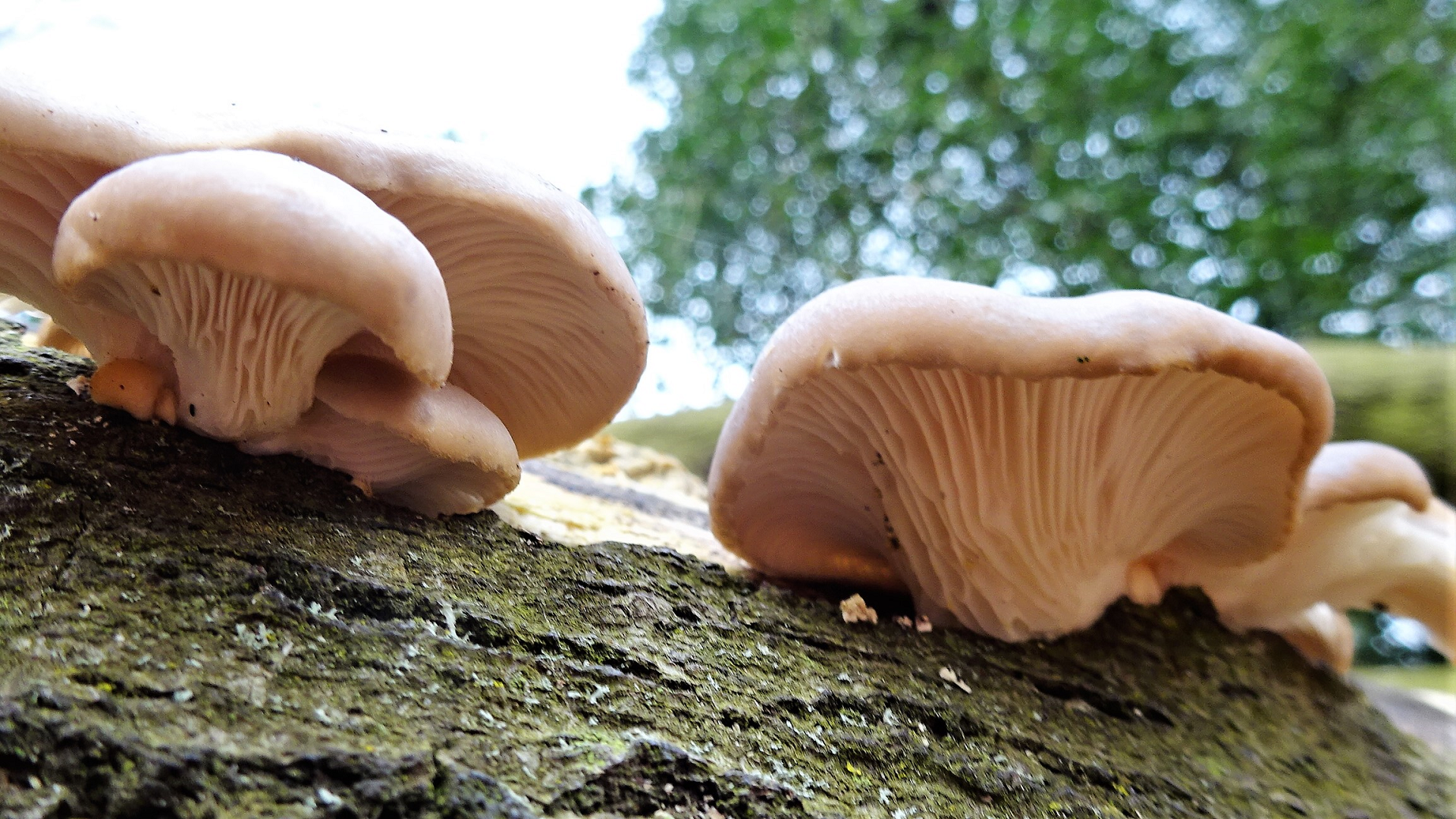
Oyster Mushrooms are shell-shaped mushrooms with little or no stems. The cap flattens with age often becoming split or wavy at the edge. Caps come in various shades of grey or brown, sometimes very pale, sometimes dark. They measure up to 150mm across. They grow in groups on fallen trunks and stumps of deciduous trees.
#
Glistening Inkcap
Coprinellus micaceus
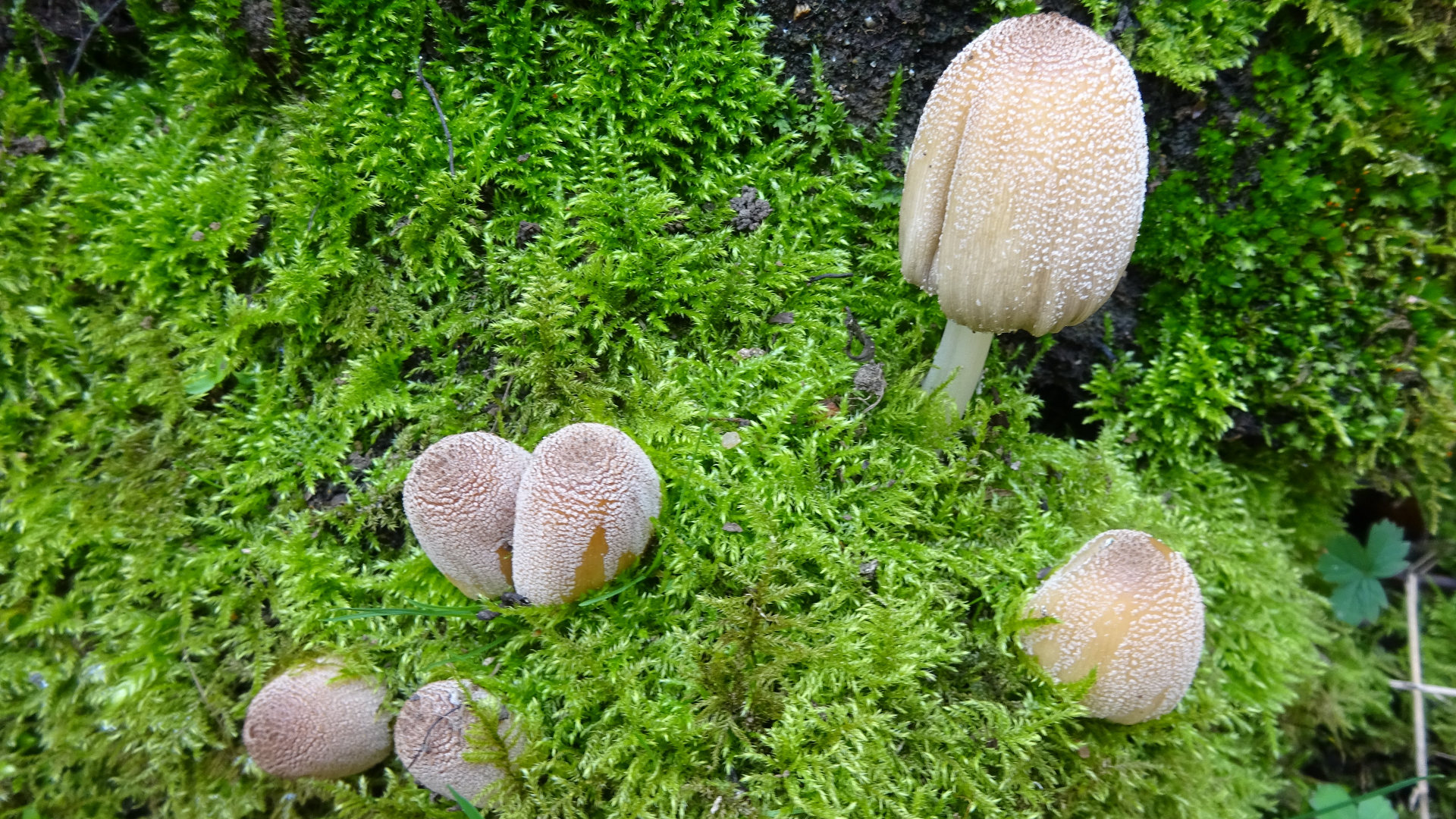
This fungus appears in large groups on deciduous stumps, trunks and buried wood. The caps are covered in fine scales that often seem to glisten. The smooth stipe and gills are white when young but with age they blacken as the mushrooms deliquesce.
#
Barren Strawberry
Potentilla sterilis
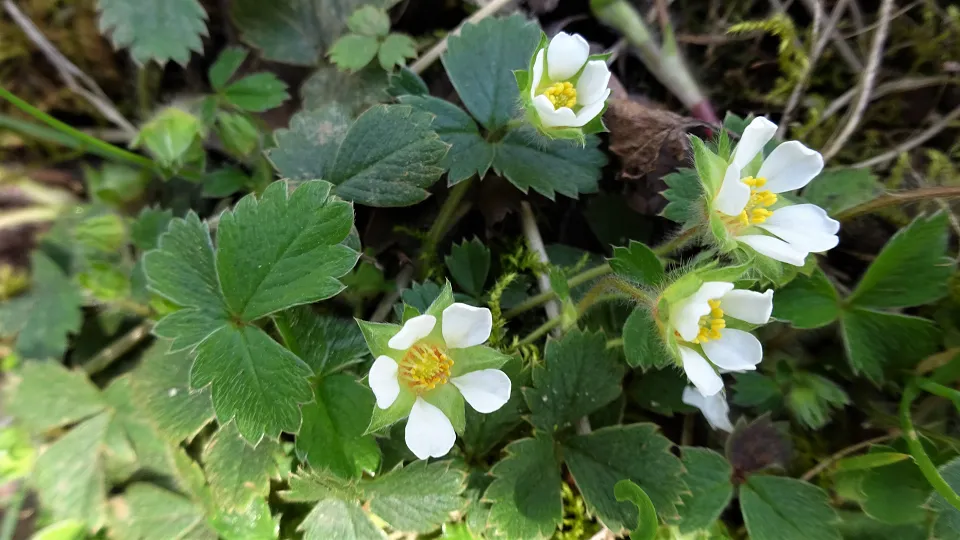
Barren Strawberry has a hairy stem and oval leaflets which are toothed, lower leaves are ternate or palmate. The small solitary flowers measure 8-15mm across and have white petals which are slightly notched with gaps in-between.
#
Ground Ivy
Glechoma hederacea
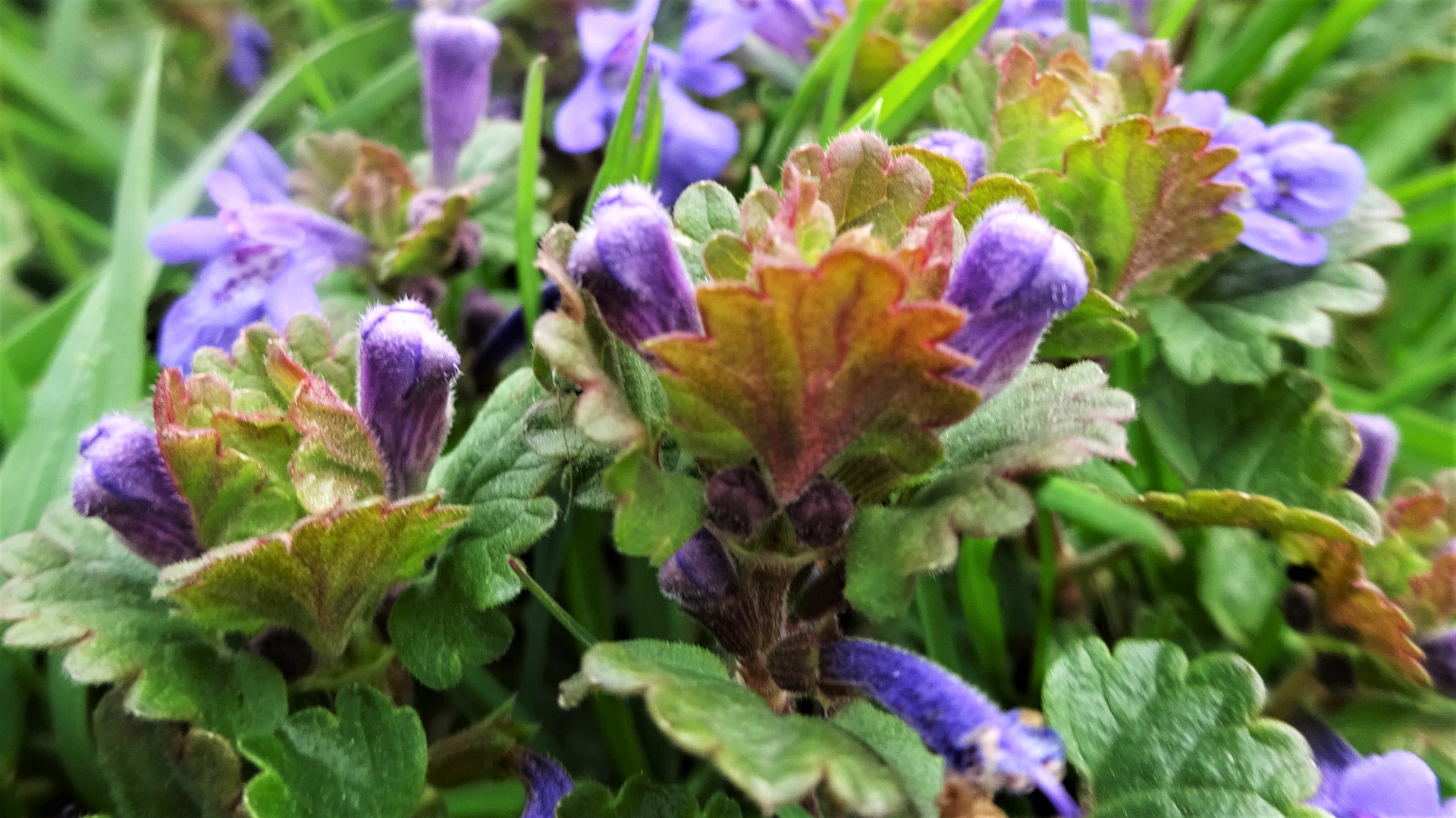
Common throughout the woodland and edges. Ground Ivy is a softly haired creeping perennial with square leafy stems. It produces a strong aroma when crushed.
#
Coltsfoot
Tussilago farfara
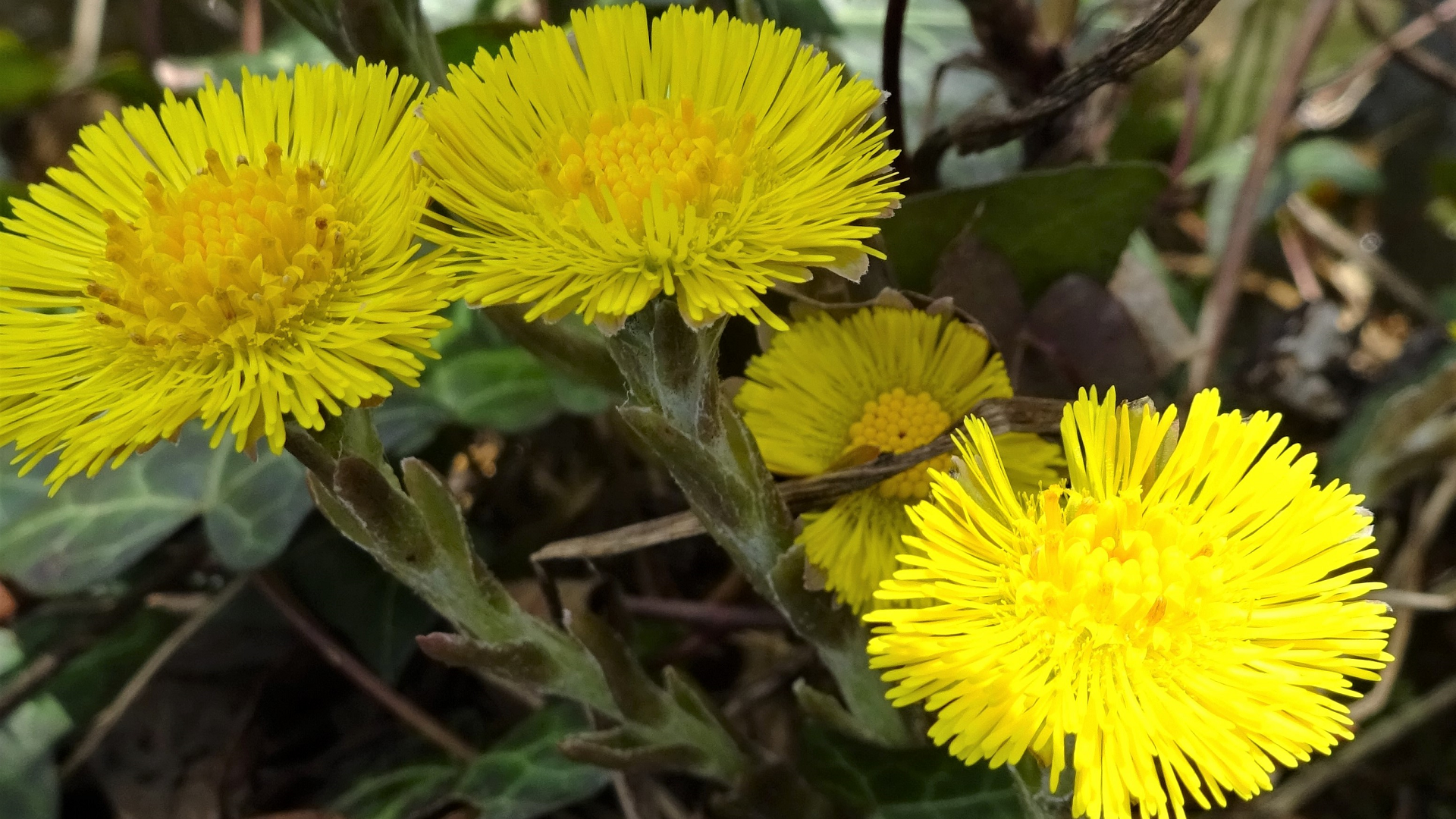
Coltsfoot has solitary yellow flower-heads that appear on scaly stems. Heart-shaped leaves appear after the flowers. Often found at the end of Hainault Lake and bare ground during spring.
#
Butcher's Broom
Ruscus aculeatus
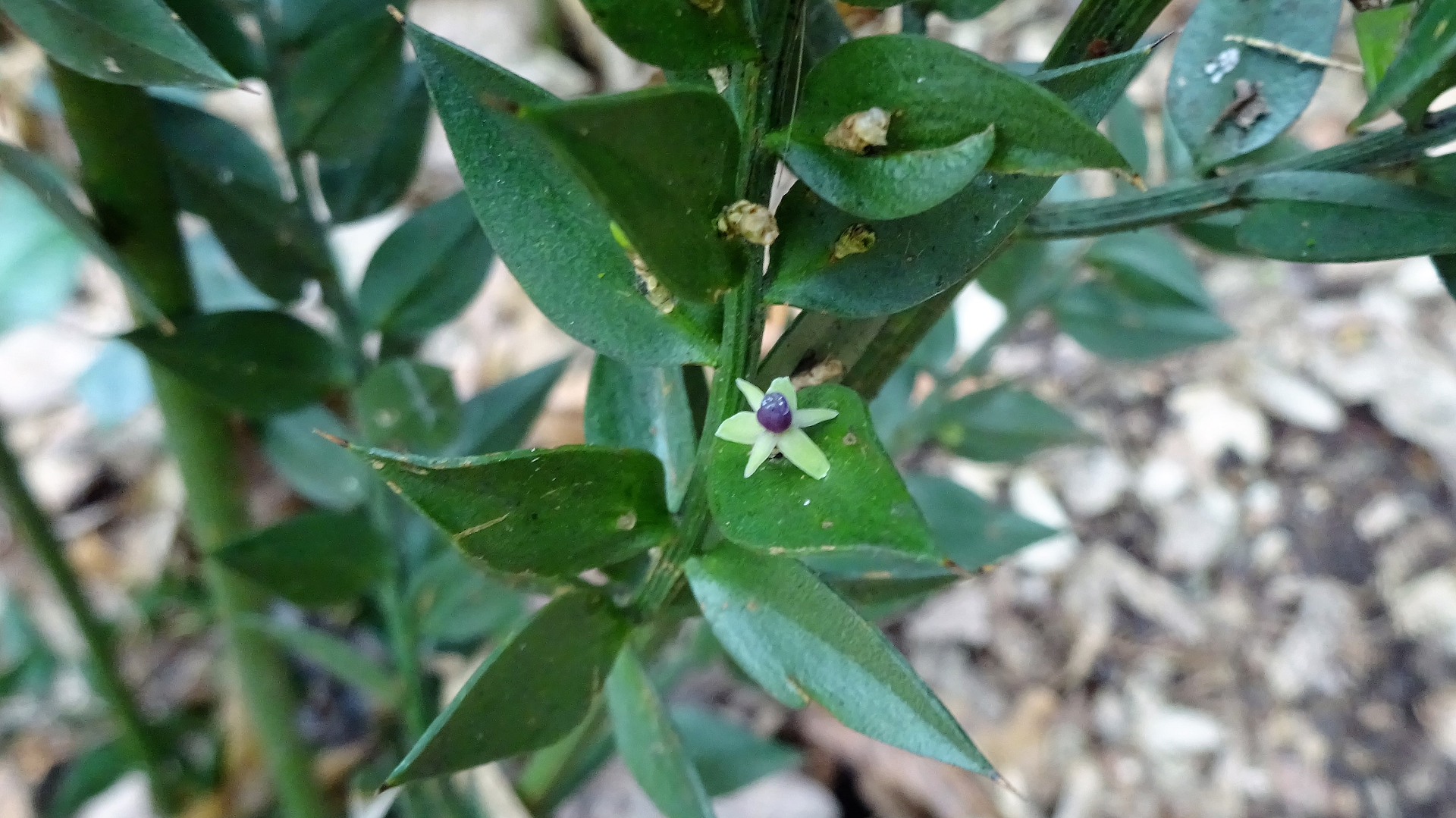
An evergreen shrub with flat shoots known as cladodes that look like stiff spine-tipped leaves. During spring tiny flowers appear singly in the middle of the cladodes. The female flowers produce a red berries which birds feed on which assists in distributing seeds. Butcher's Broom also spreads by using rhizomes. Butcher's once made brooms out of this plant to sweep the floor, hence the name. It was also placed at the base of doors because its sharp nature prevented small rodents entering through the gap. This plant grows in Hainault Lodge.
#
Primrose
Primula vulgaris
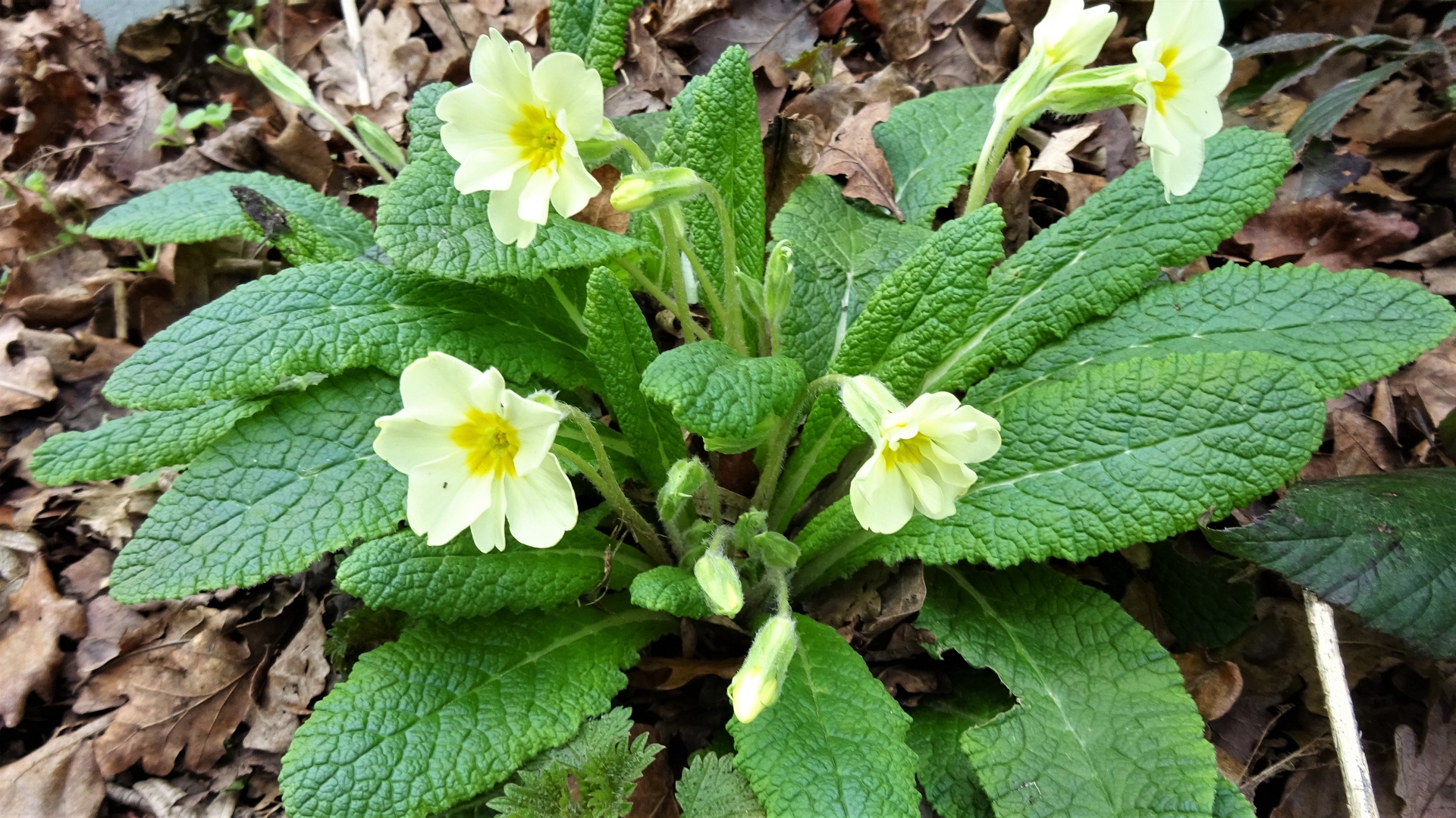
A low perennial with large, oval leaves, hairy on the underside. Flowers appear from February to May singly on stalks (pedicels) extending from the leaf-rosette. Leaves gradually taper towards the base.
#
Wood Anemone
Anemone nemorosa
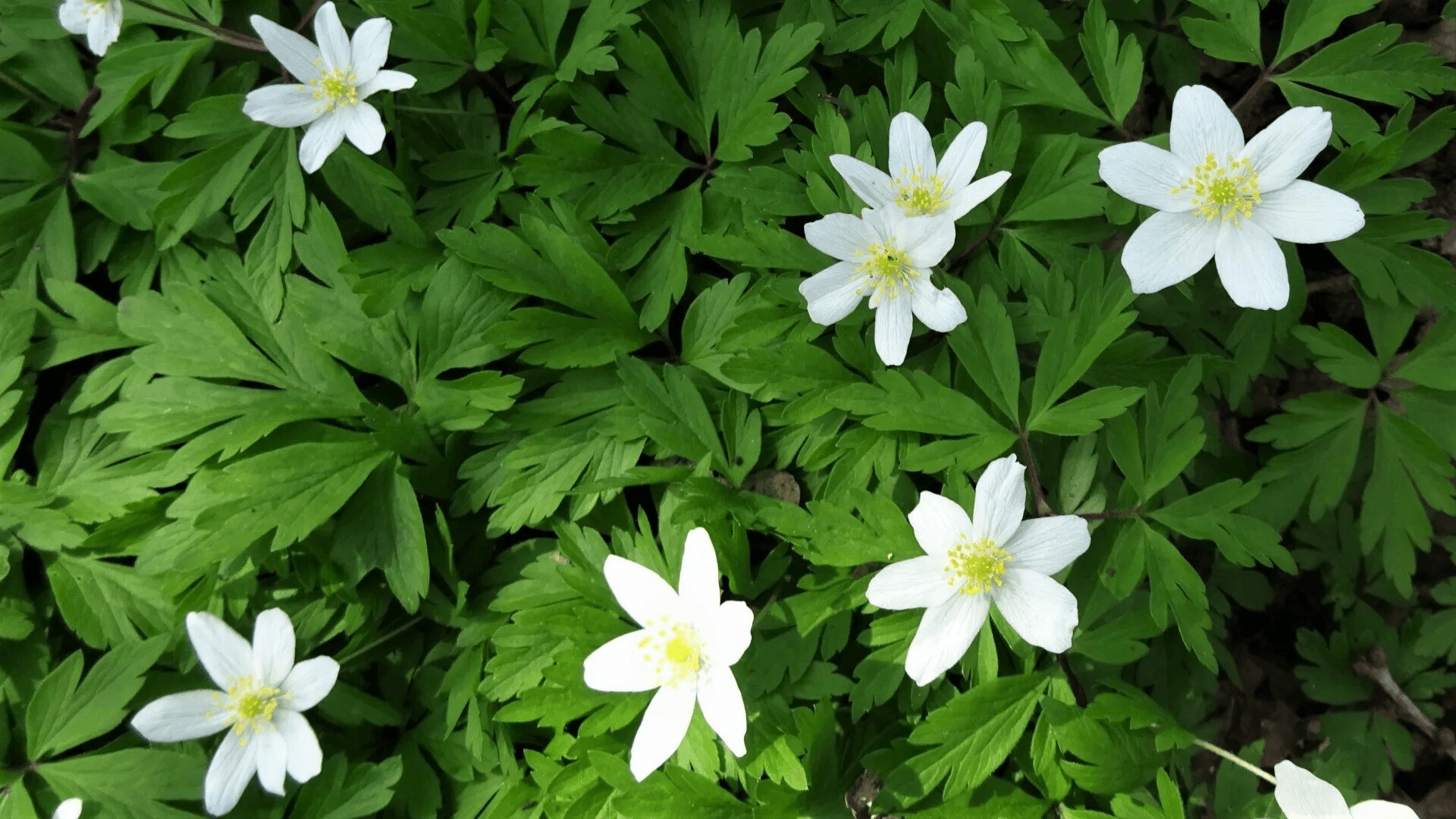
A short perennial with unbranched stems. The lobed leaves grow in whorls and the flowers grow singly. The flowers have 5-9 white sepals which are tinged pink on the underside. There are no petals. Not common in Hainault Forest, but a small patch exists along the Headland Path near Peter's Gate.
#
Procumbent Pearlwort
Sagina procumbens
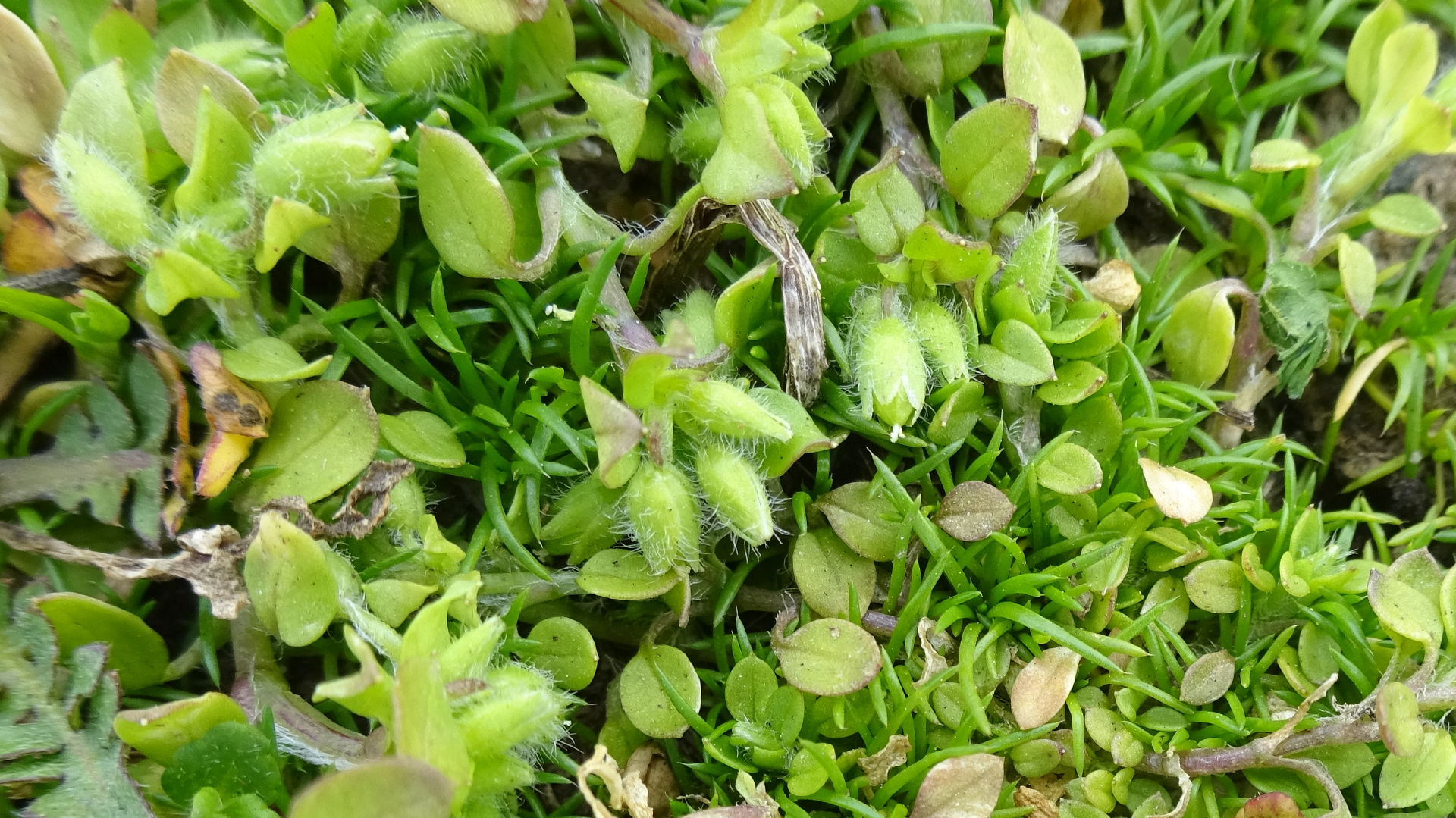
A low creeping perennial that appears in damp, bare locations from May until September. It forms a mat spreading out from the from central leaf rosette and rooting at the nodes. The flowers usually lack petals.
#
Spring Squill
Scilla verna
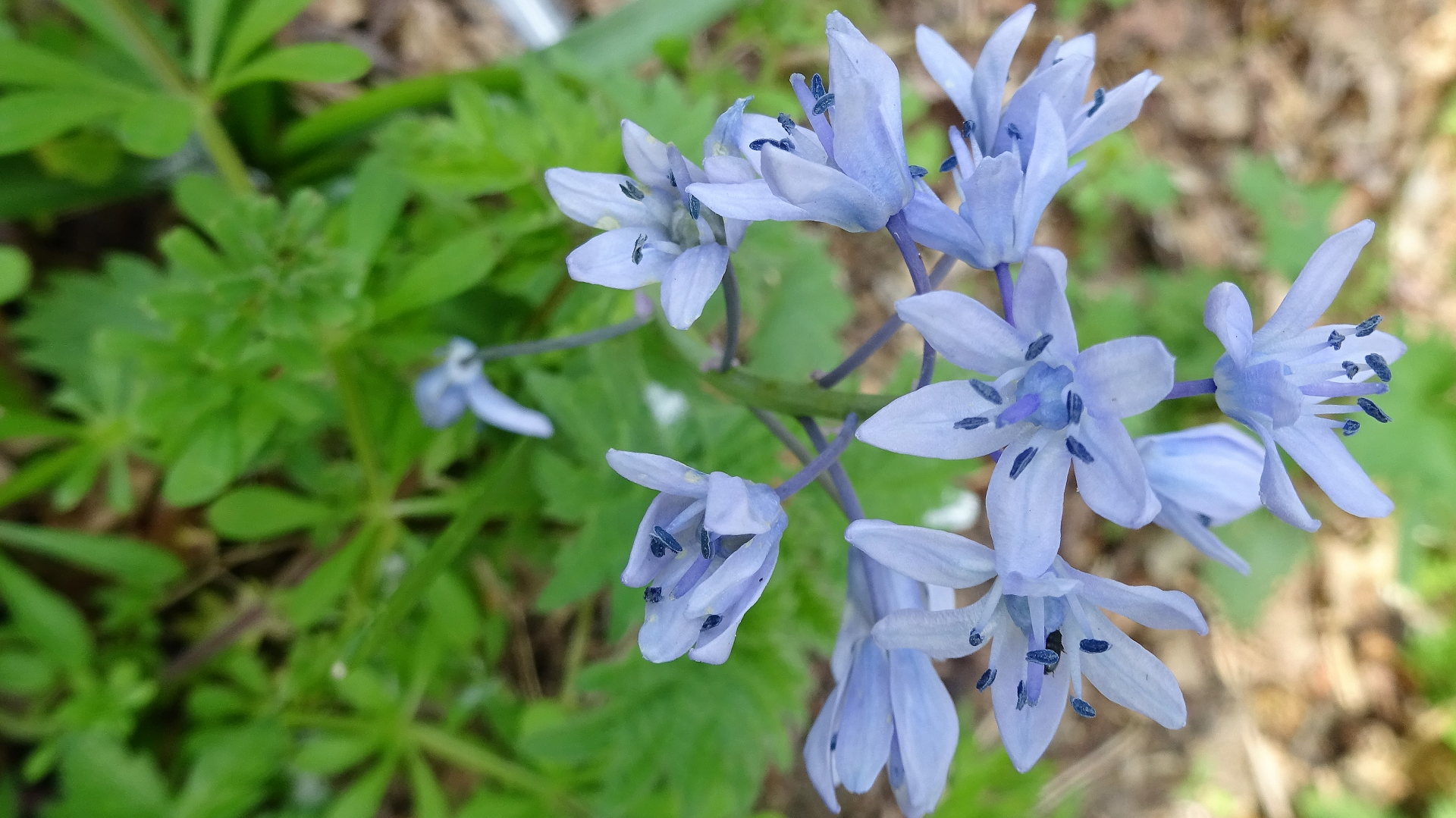
Found growing on a forest path near Woolhampton Way. This is a plant not normally seen in Hainault Forest and is probably a garden escape.
#
Daffodil
Wild, but not native

Were these native daffodils on Hog Hill? It was time to contact the experts to confirm or dismiss our find. Botanist, Enid Barrie, visited Hainault Forest: "Although quite a few of the features do match the wild daff, the hypanthium is not twisted and the corolla is lobed." Leading expert and County recorder, Ken Adams said: "Looks as if Redbridge had some spare bulbs from one of their verge planting projects. If you go on the internet there are loads of companies offering ‘Wild Daffodils’. The coronas look very lobed to me and the hypanthium does not appear to be twisted which is critical for the native form but often bred out in the cultivars. You have to be careful using the word ‘wild’ as some people might think it means native."
#
Frutiose Lichen
Usnea subfloridana

Since the 1970's and the reduction in pollution levels this lichen is gradually returning to London. This was found on a branch blown down from the treetops by Storm Doris.
#
A FEW FROM LAST YEAR
Sunny Days
Views from 2016
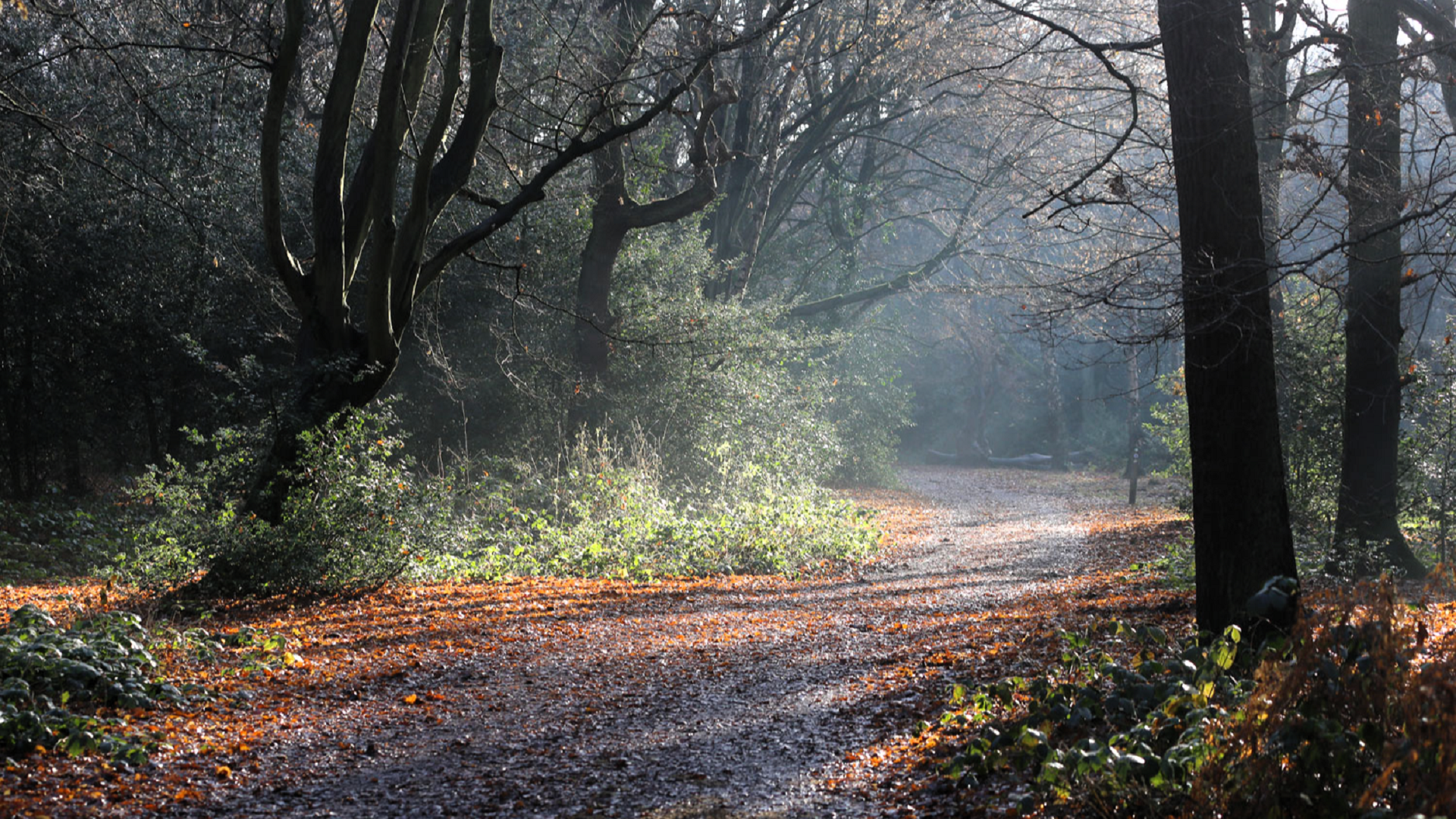
Two sunny views from last year.
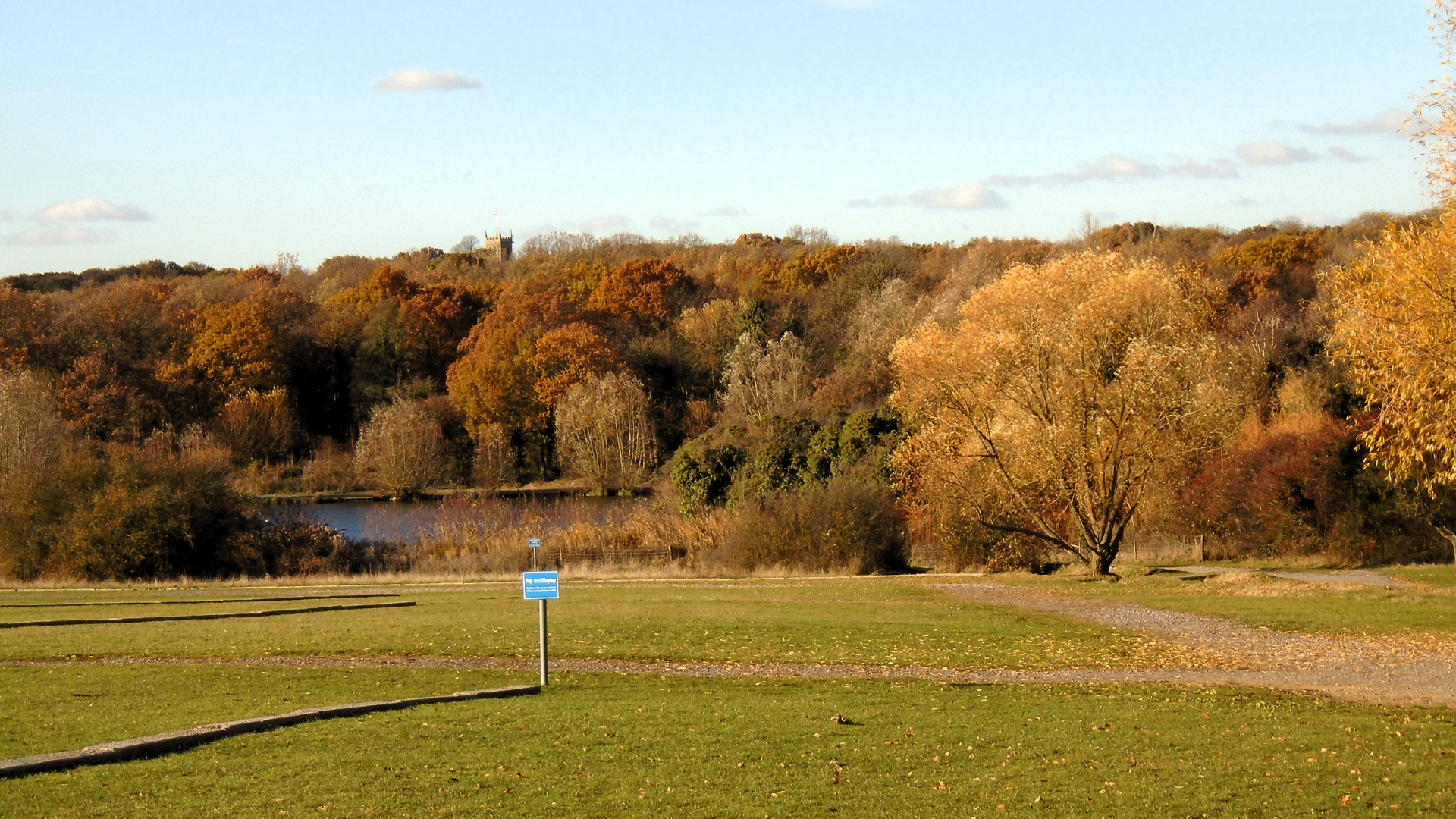
#
Mole
Talpa europaea
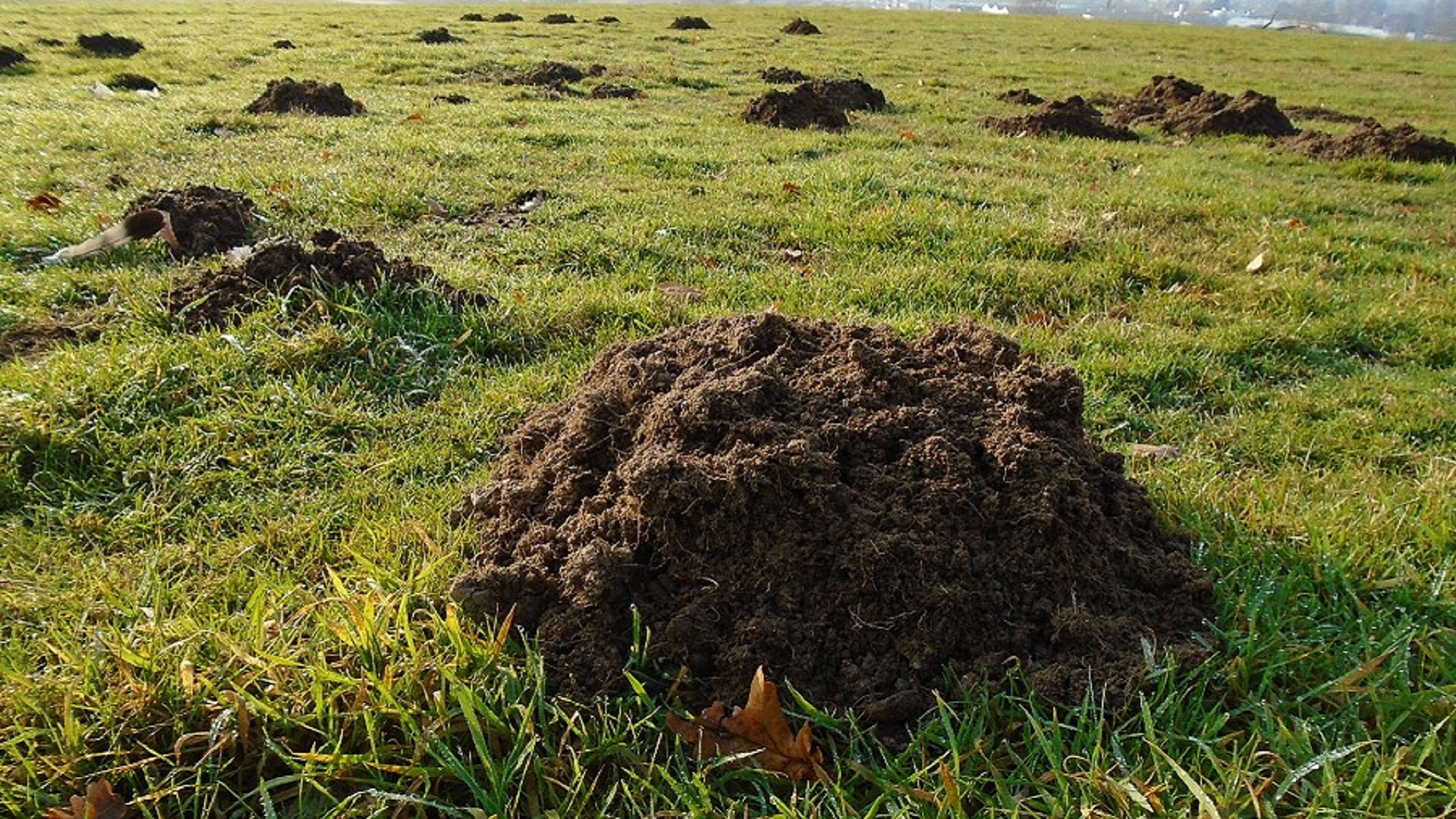
Moles are not generally seen in daytime although the molehills they create are. If they travel over the surface this is normally done at night. Moles are solitary creatures except in April which is the breeding season. They build tunnel networks that they defend aggressively. Several moles may be in the same field each with their own network. Tunnels are built on several levels with digging taking place throughout the year. Moles feed on earthworms and small insects which become trapped when they drop into the tunnels. When the food source moves nearer to the surface following wet weather moles follow. Molehills are most likely to be seen at this time when the excess soil is pushed upwards. Moles are active day and night, working and sleeping in four hour shifts.
#
Thank you to everyone who has contributed to this Journal.
© hainaultforest.net. All rights reserved.
This website uses necessary cookies. It does not use targeting or advertising cookies.