

SECOND QUARTER 2019
Bee Orchid
Ophrys apifera
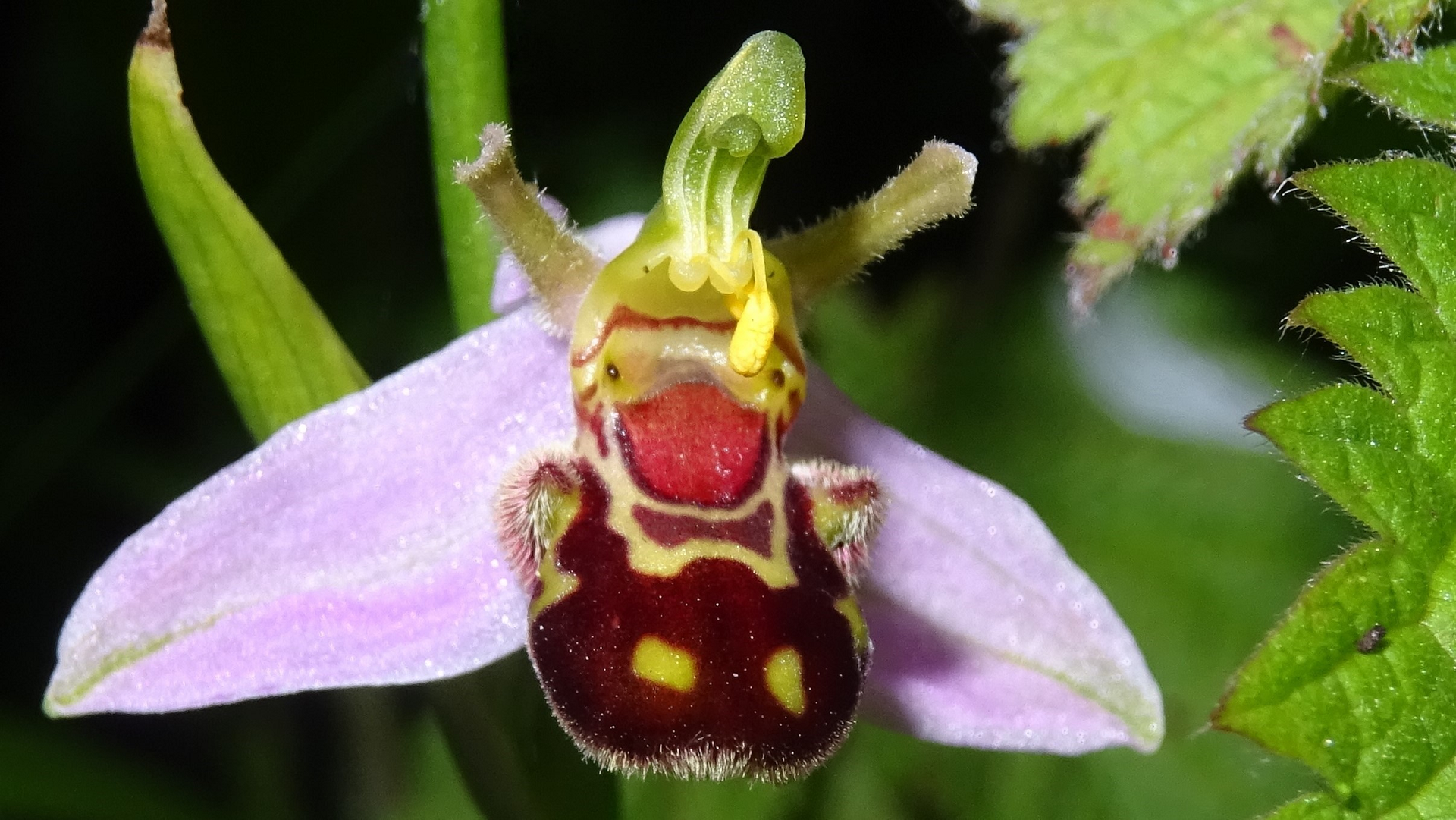
Bee Orchids attract insects not only through their shape but also by releasing pheromones. The flowers typically bloom from late May to July and resemble smiling court jesters, complete with a fool's cap and bow tie.
#
Ivy-leaved Toadflax
Cymbalaria muralis
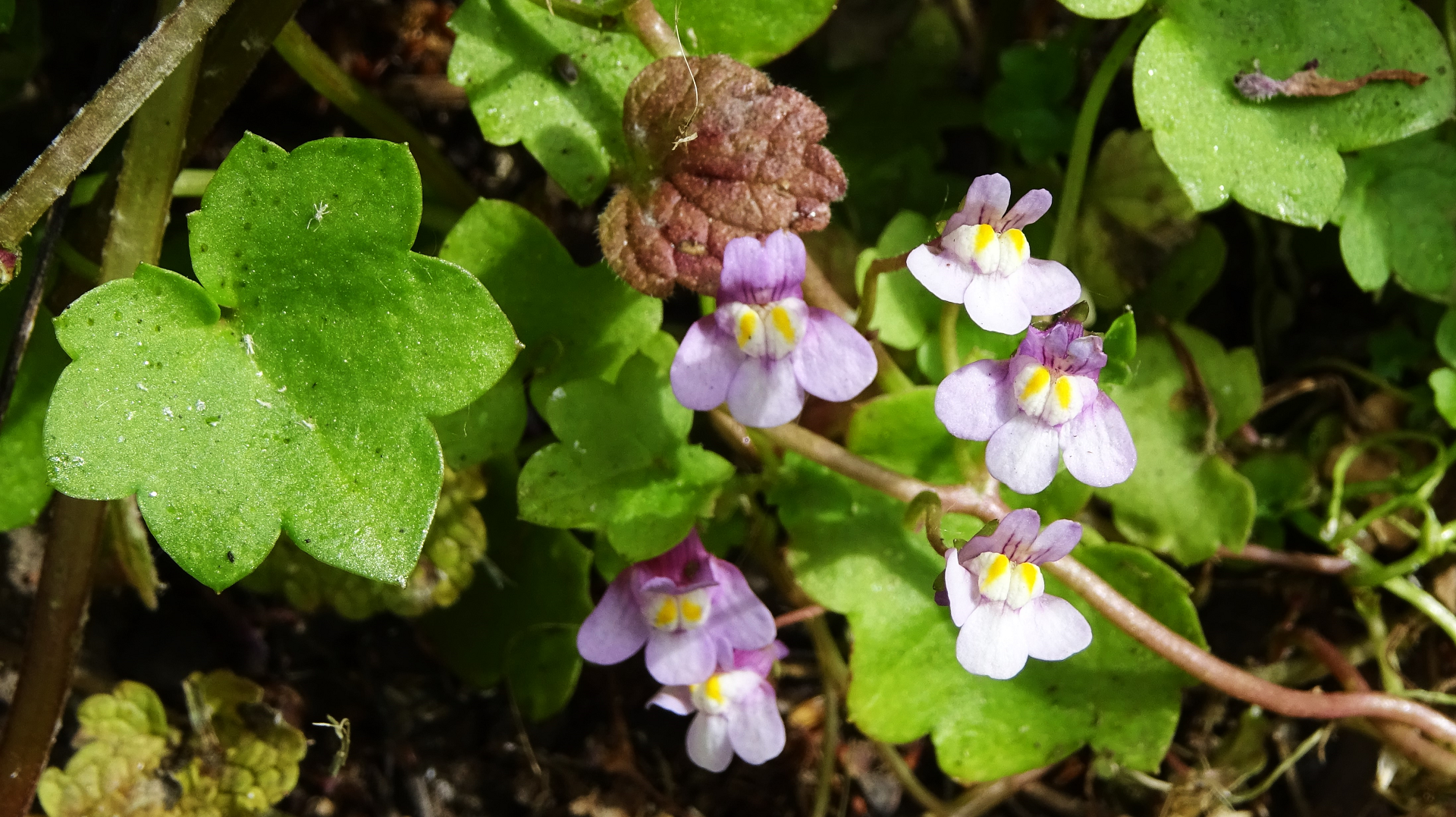
Ivy-leaved toadflax is a trailing perenniel often seen climbing walls. Not a native plant and is believed to have been introduced in the mid-1600s from Italy. It often grows near the old Foxburrow forge, but will probably lose its habitat when the building is refurbished soon.
#
Wood-sorrel
Oxalis acetosella
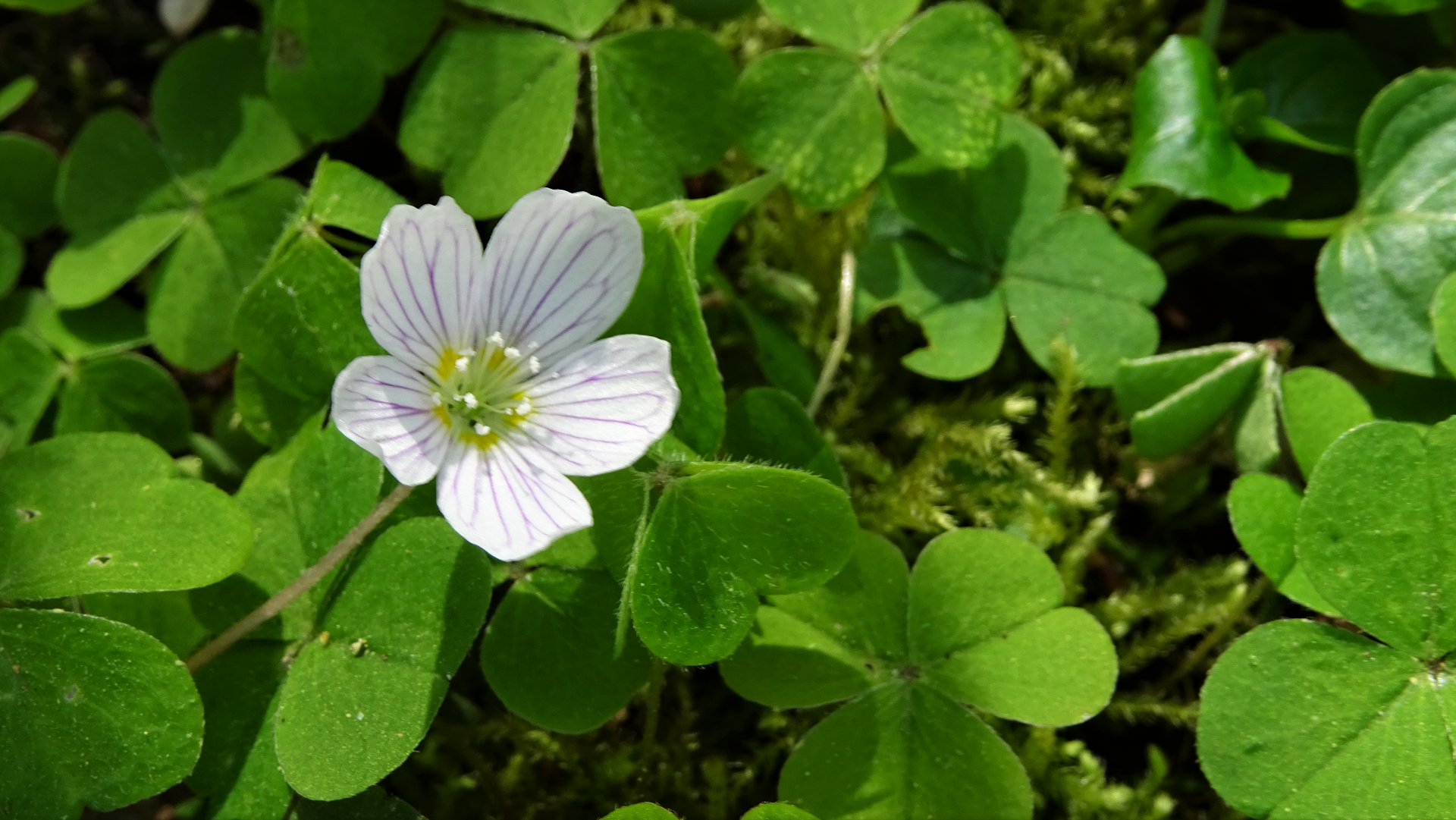
This plant has white five-petalled flowers with tiny purple veins and distinctive trefoil leaves. At night, the three heart-shaped leaves fold inwards to form a tent. During the day they flatten out.
#
Common Mouse-ear
Cerastium fontanum
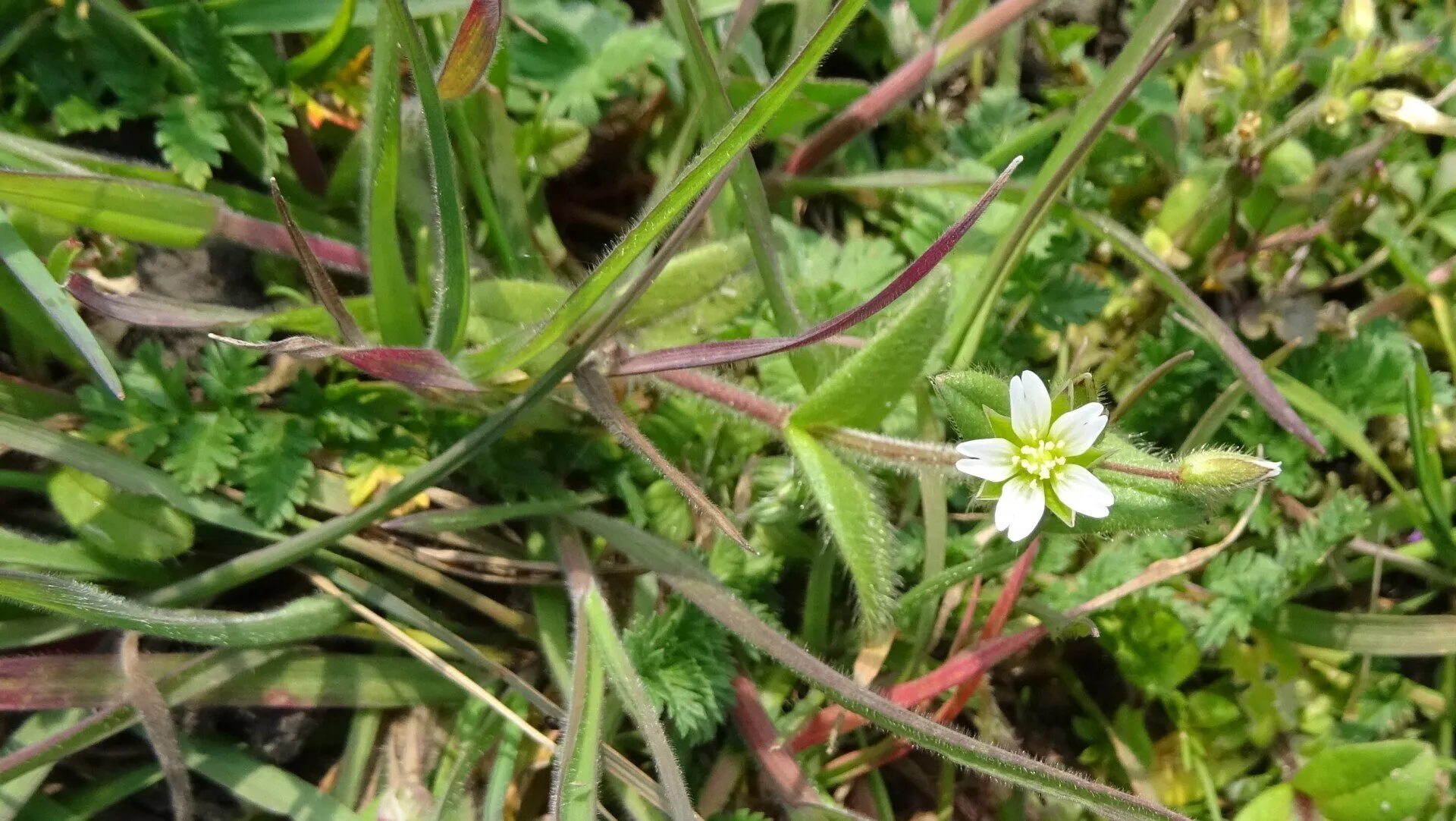
This perennial flowers from April to November. The white petals are deeply notched and the bracts are mainly white edged. Leaves are lanceolate and unstalked.
#
Greater Stitchwort
Rabelera holostea
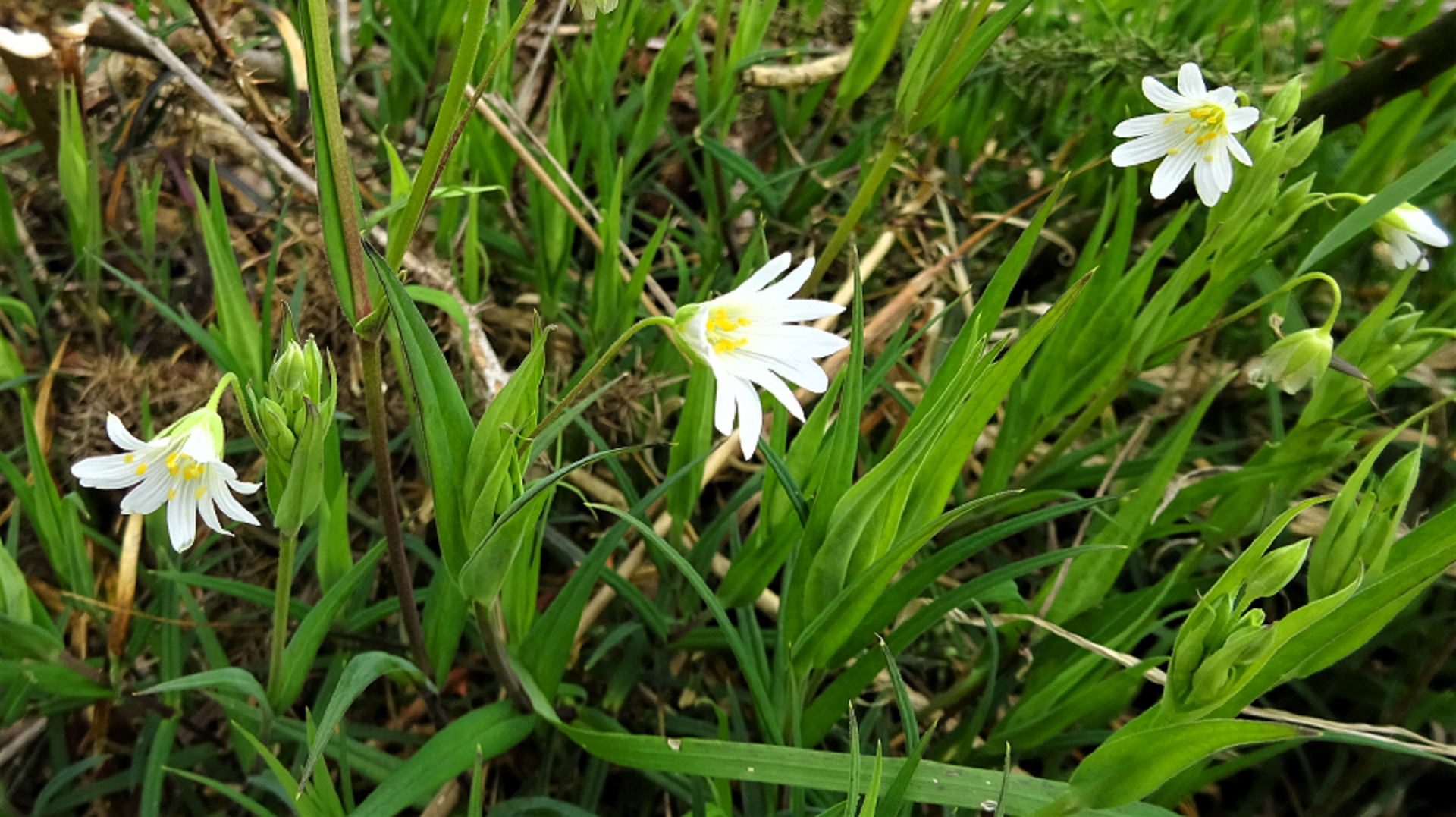
White flowers with five deeply-notched petals appear from April to June. When the seed cases ripen the seeds can be heard popping when they are released. The thin stems are square and brittle and the narrow, grass-like, leaves can have a slightly glaucous appearance. This plant was formerly placed in the genus Stellaria, but in 2019 was transferred to the genus Rabelera, becoming the only species in its genus.
#
Snake's Head Fritillary
Fritillaria meleagris
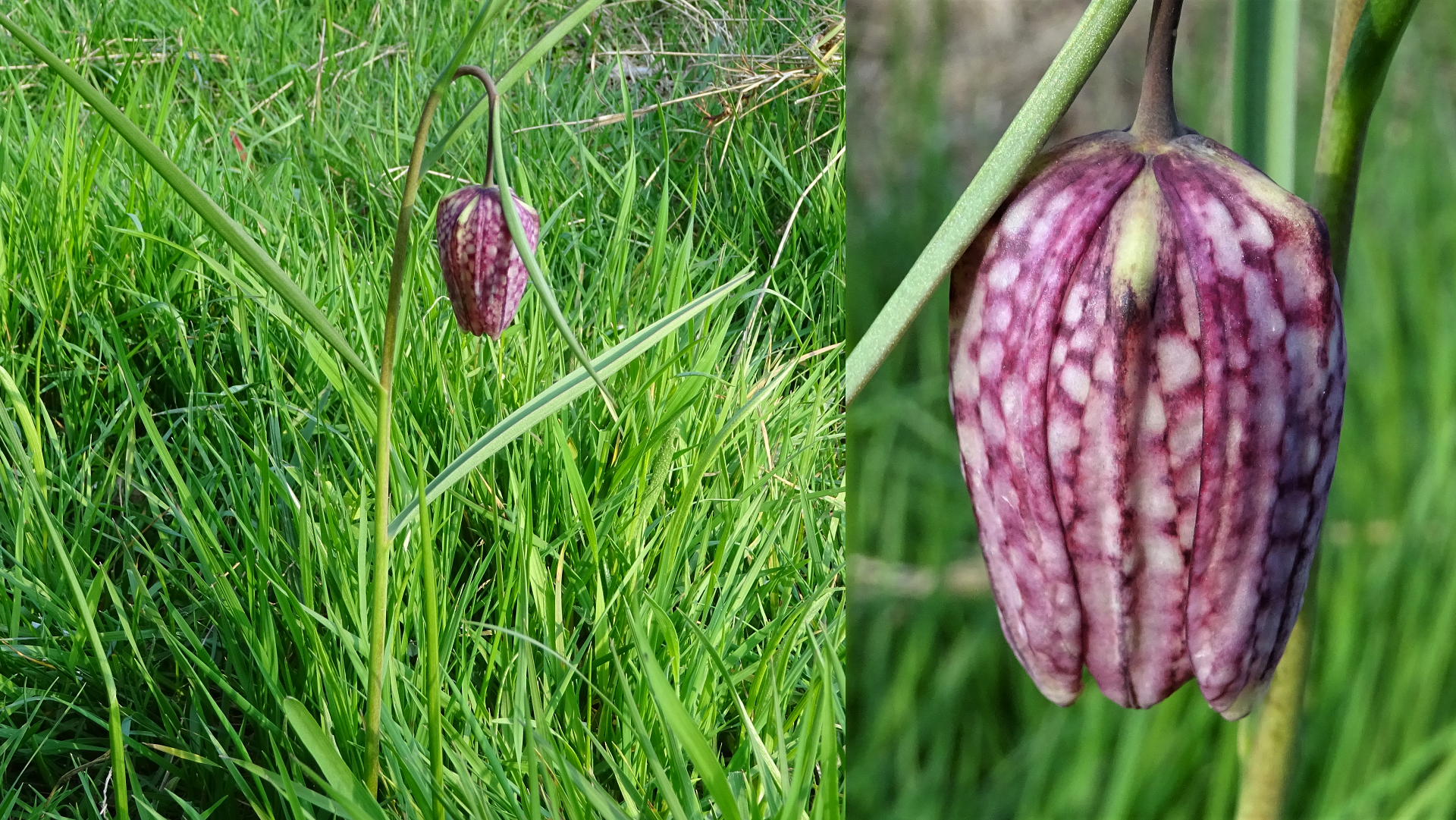
Snake's-head fritillary growing by a path along the orchard path. Now classified as vulnerable this species once laid a carpet of purple across our meadows, but is rarely seen today.
#
Weld
Reseda luteola
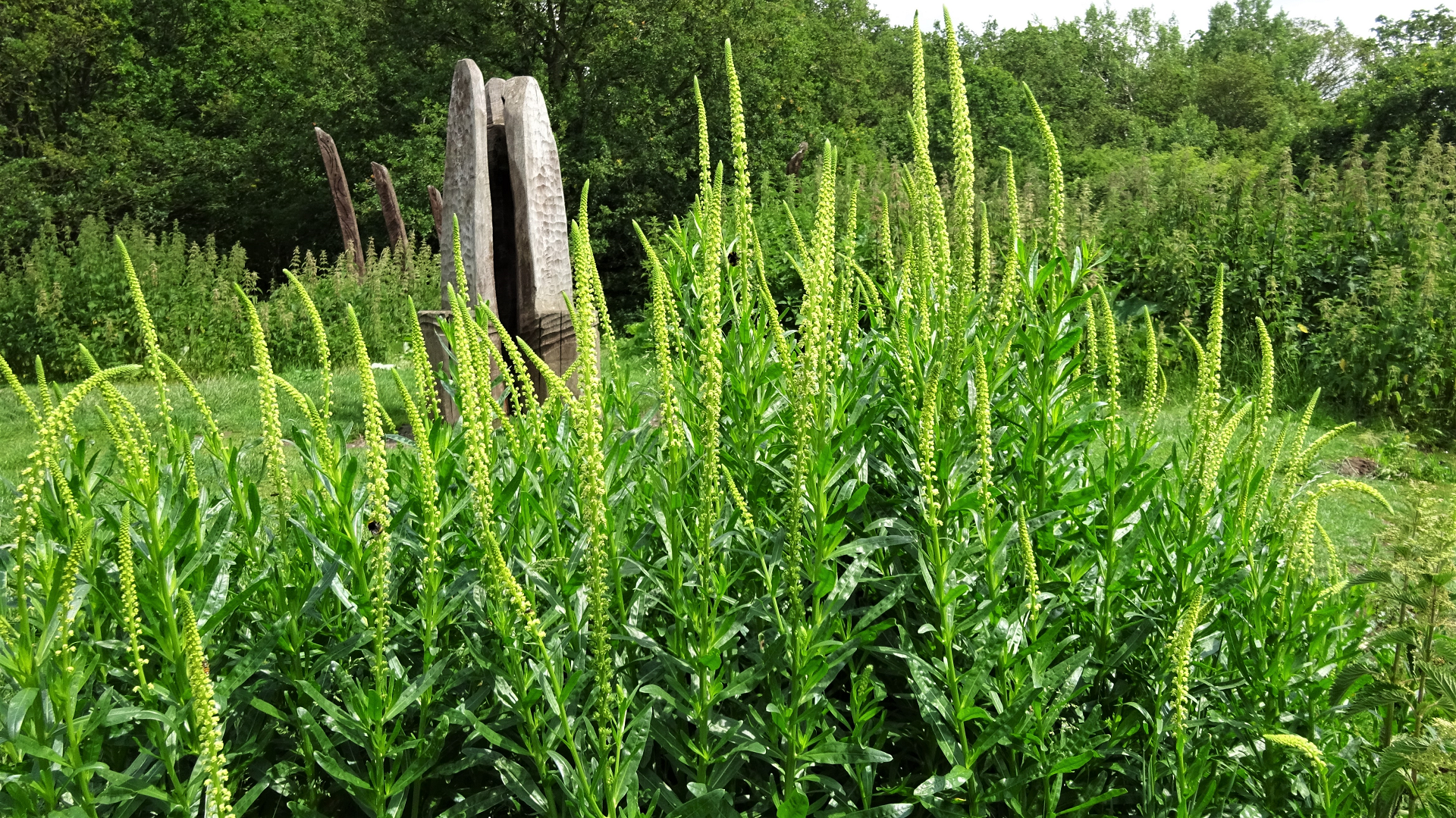
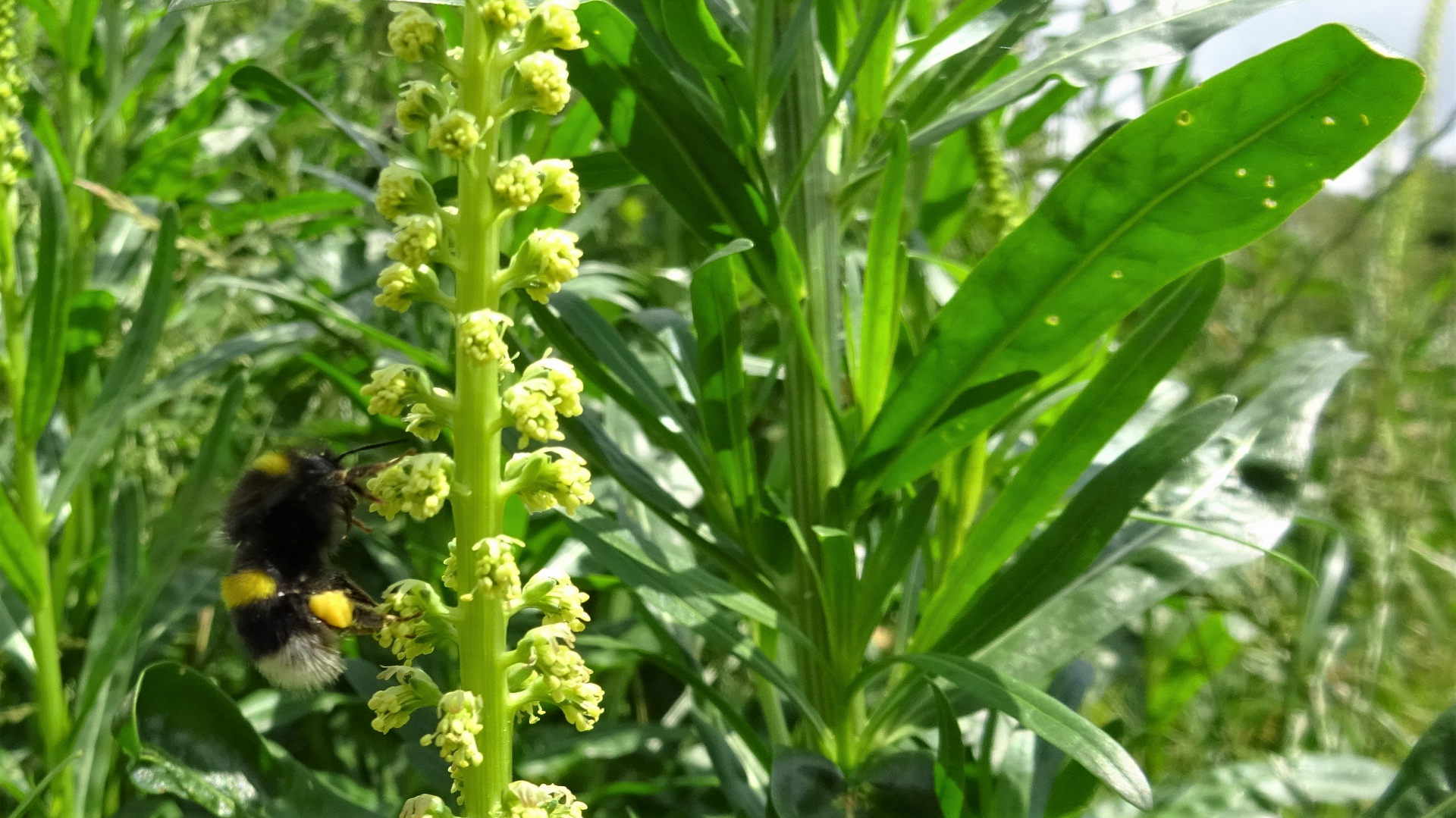
Weld is a hairless biennial, also known as Dyer's Rocket, seen from June until September. Its develops yellow flowers on tall spikes that grow up to 2 metres tall and has unlobed, wavy-edged, lanceolate leaves. Historically, the Romans made a yellow dye from the flowers to colour wedding garments and also robes worn by the Vestal Virgins.
#
Nipplewort
Lapsana communis
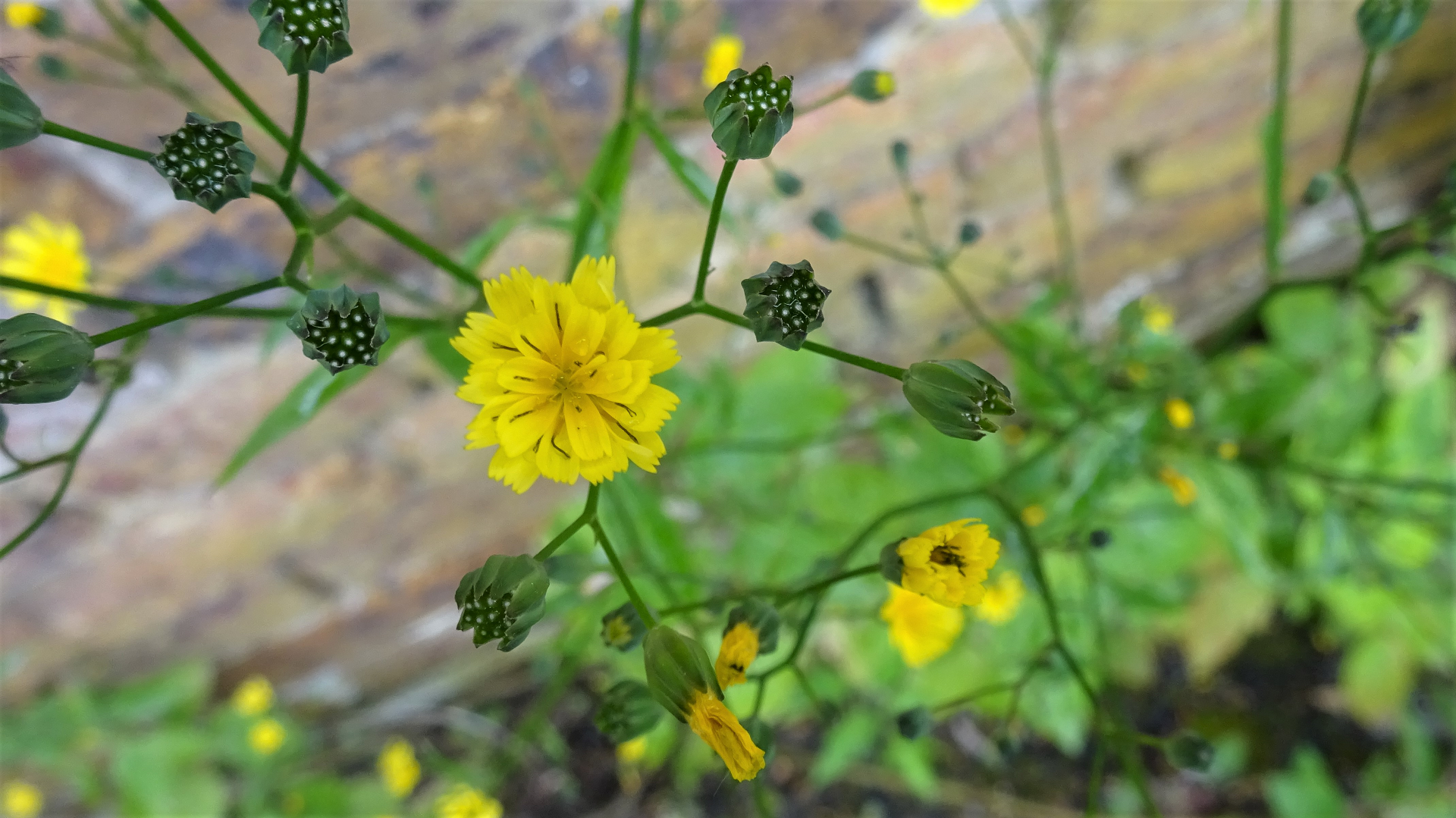
An annual that is often seen on disturbed ground and at roadsides from June to October. Leaves are oval toothed and often lobed at the base.
#
Cut-leaved Cranesbill
Geranium dissectum
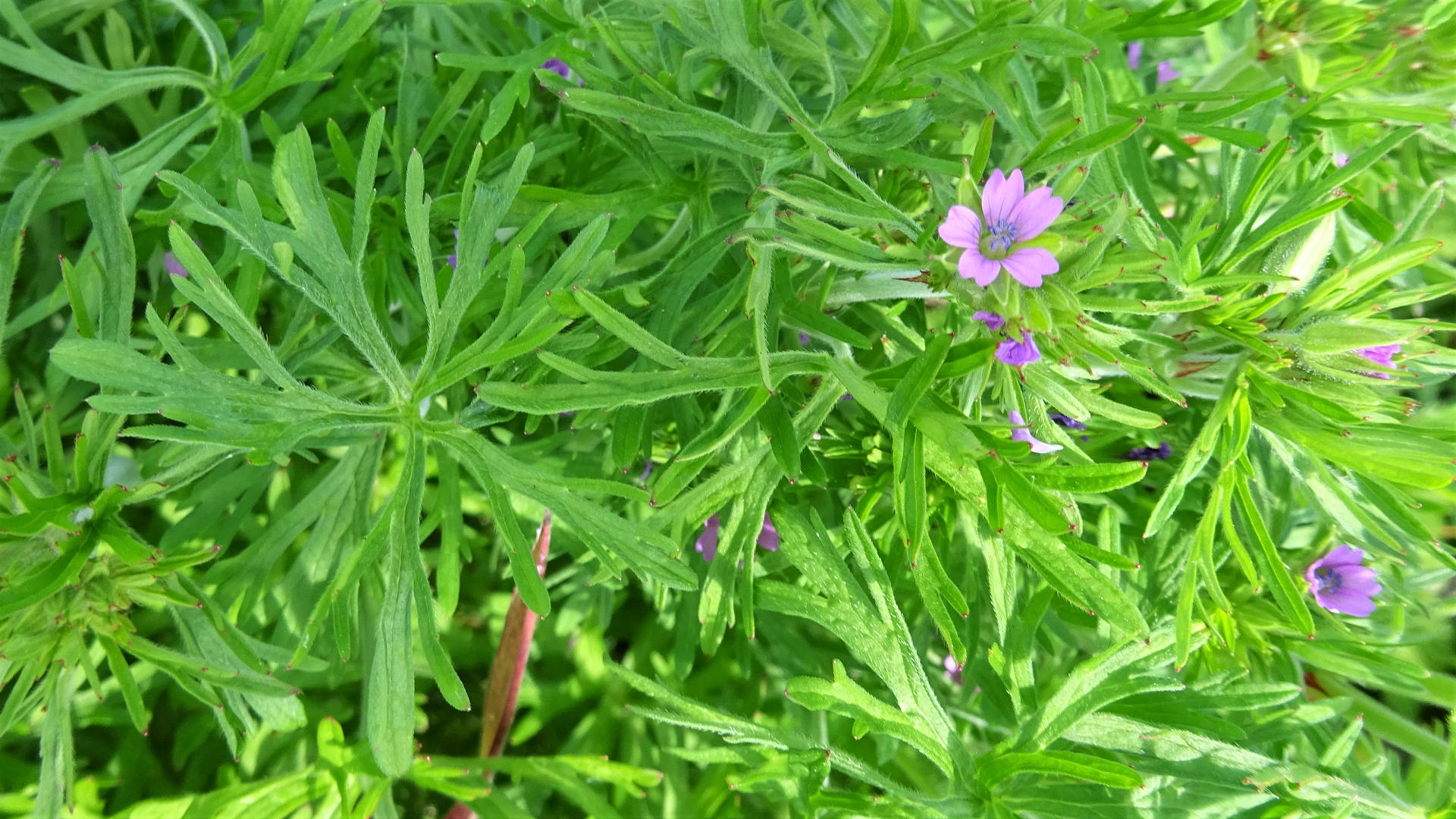
Cut-leaved Cranesbill has leaves that are divided almost to the base. The purplish-pink flowers (18mm across) grow on short stalks. The sepals are hairy.
#
Dove's-foot Crane's-bill
Geranium molle
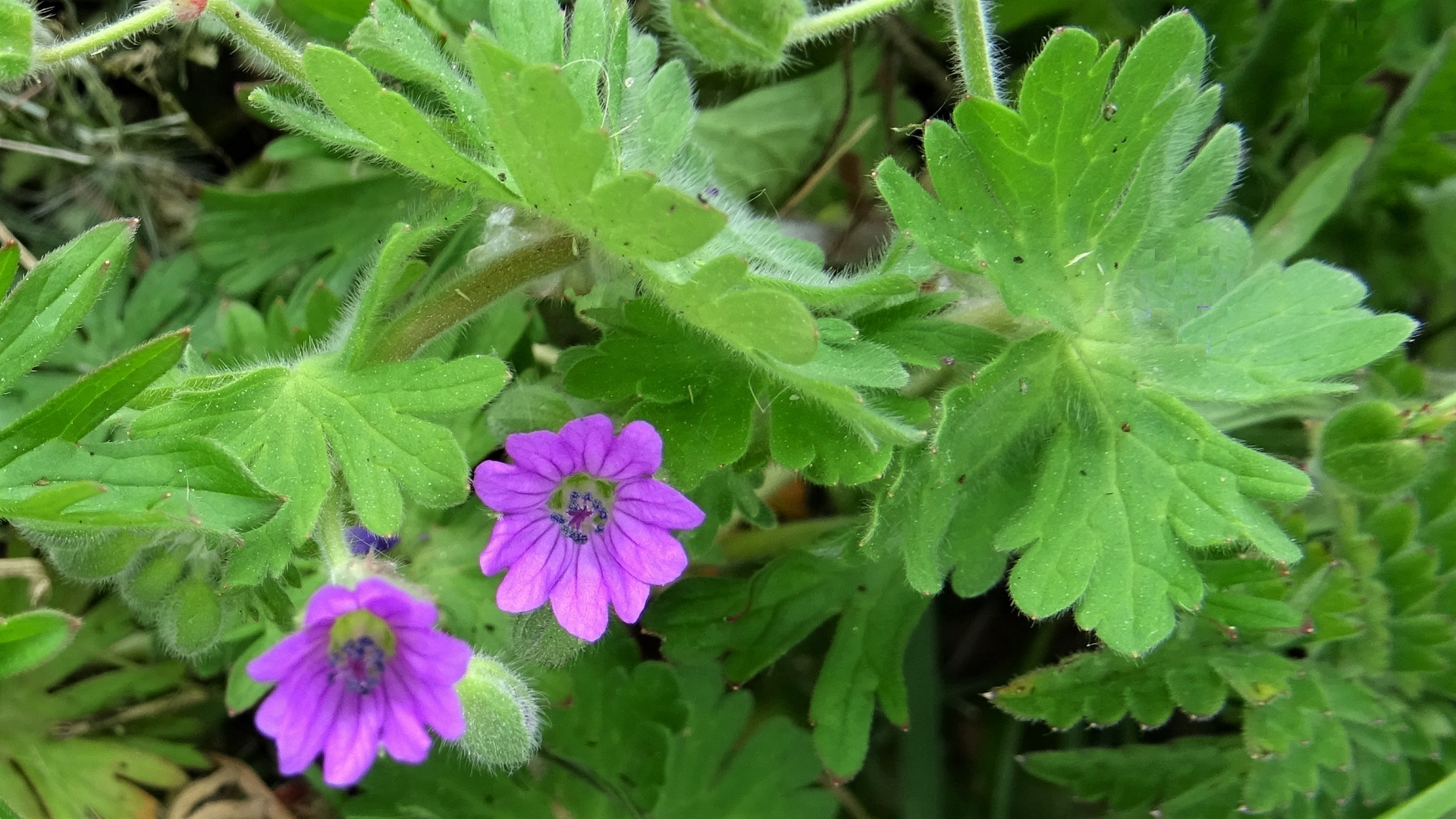
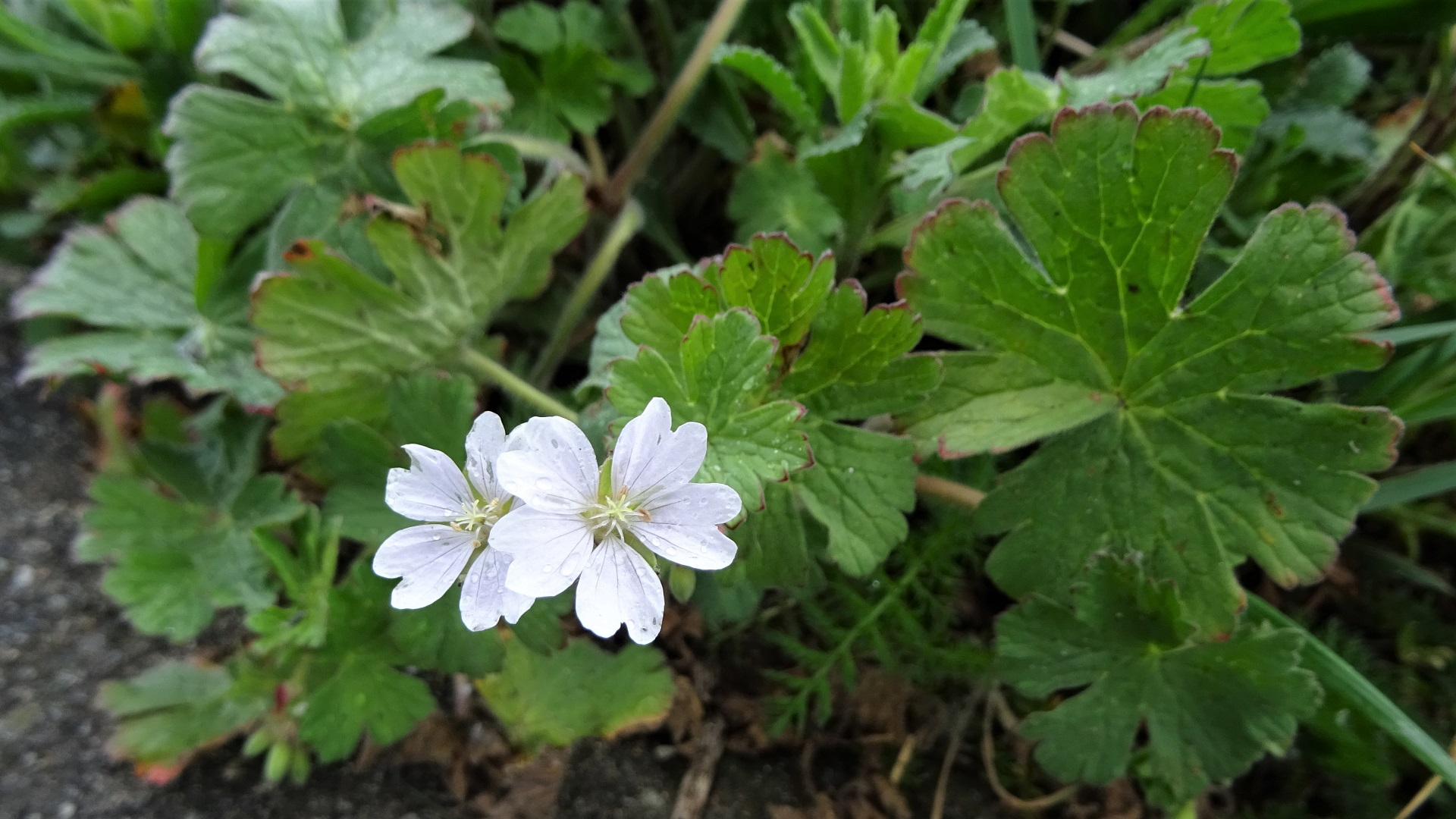
A low creeping member of the Geranium family often seen in from April until September. Purple flowers (6-10mm) appear on white-haired stems. The deeply notched petals are seldom longer than the sepals. Plants are found on grassland, waste ground and kerbsides. Occasionally white flowers occur.
#
Red Campion
Silene dioica
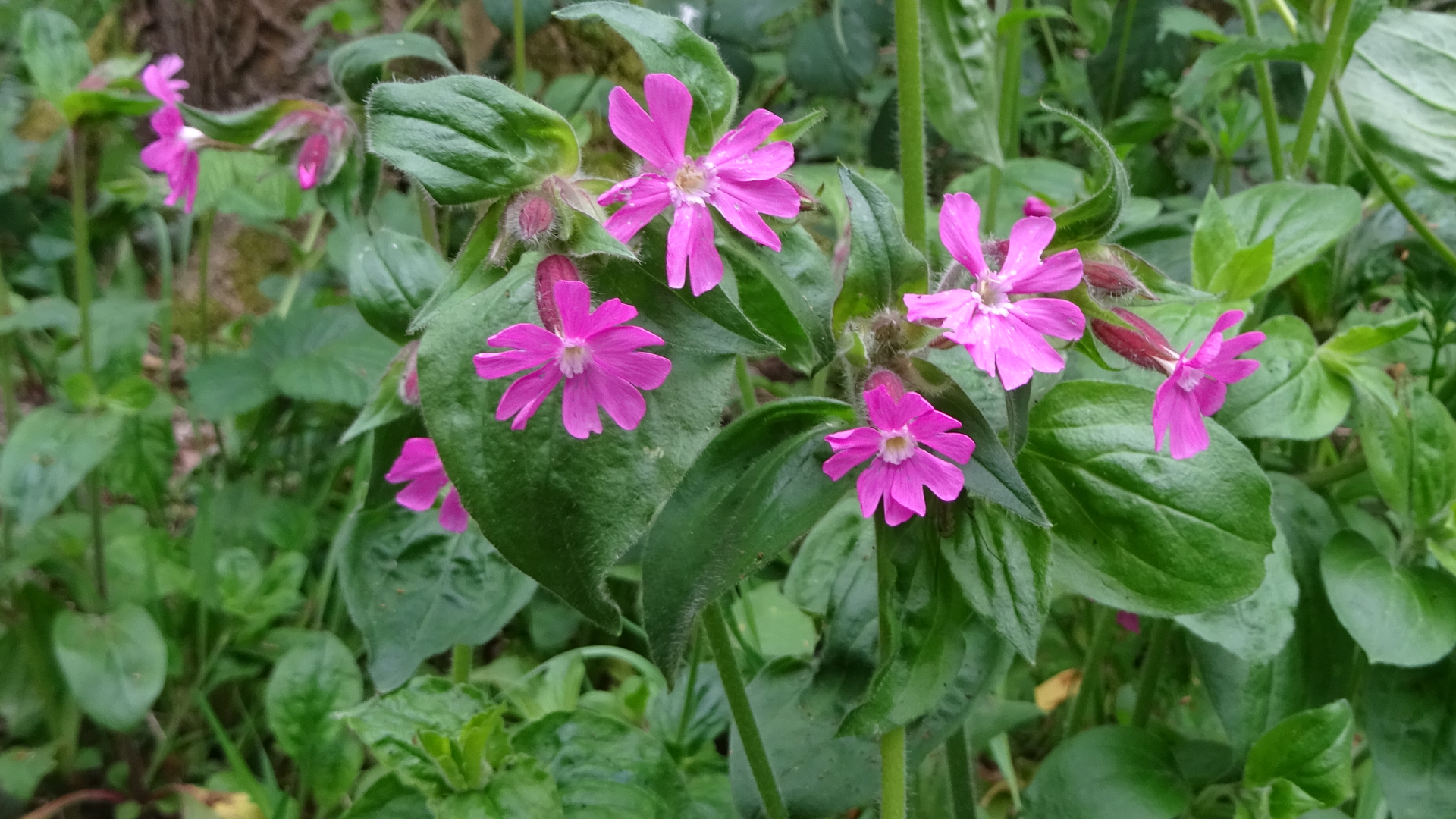
A tall, hairy perennial with overwintering rosettes of long-stalked oval leaves. Its flowers have five deeply-notched petals that are almost divided into two. The plants begin to bloom in spring.
#
Slender St. John's Wort
Hypericum pulchrum
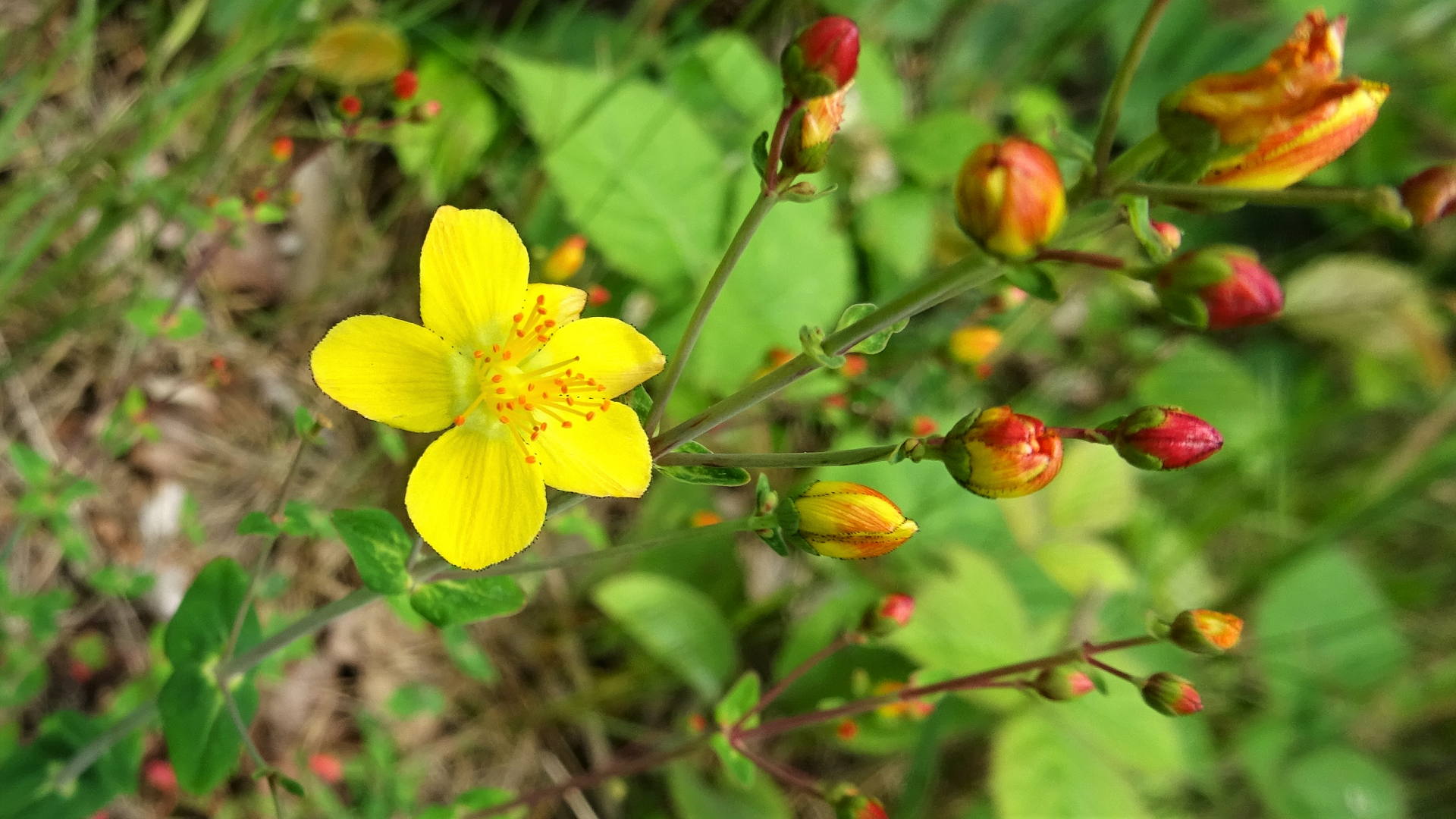
A heathland perennial that flowers from June to August. The yellow flowers usually have a touch of red. It reddish stems are roundish with heart-shaped opposite leaves.
#
Salsify
Tragopogon porrifolius
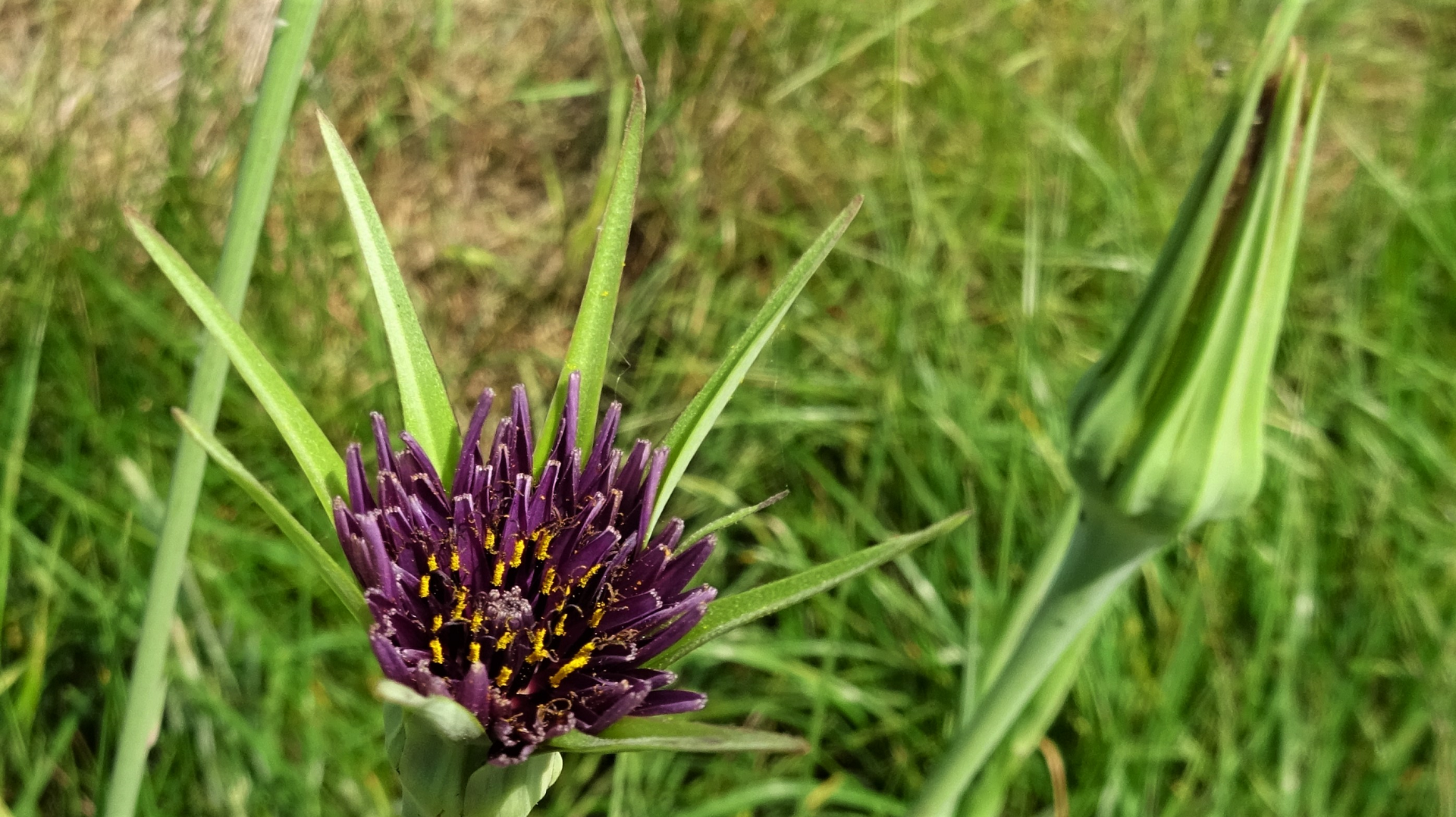
Salsify is a biennial plant commonly found in the scrub areas of Cabin Hill and Hog Hill, blooming from May to August.
#
Foxglove
Digitalis purpurea
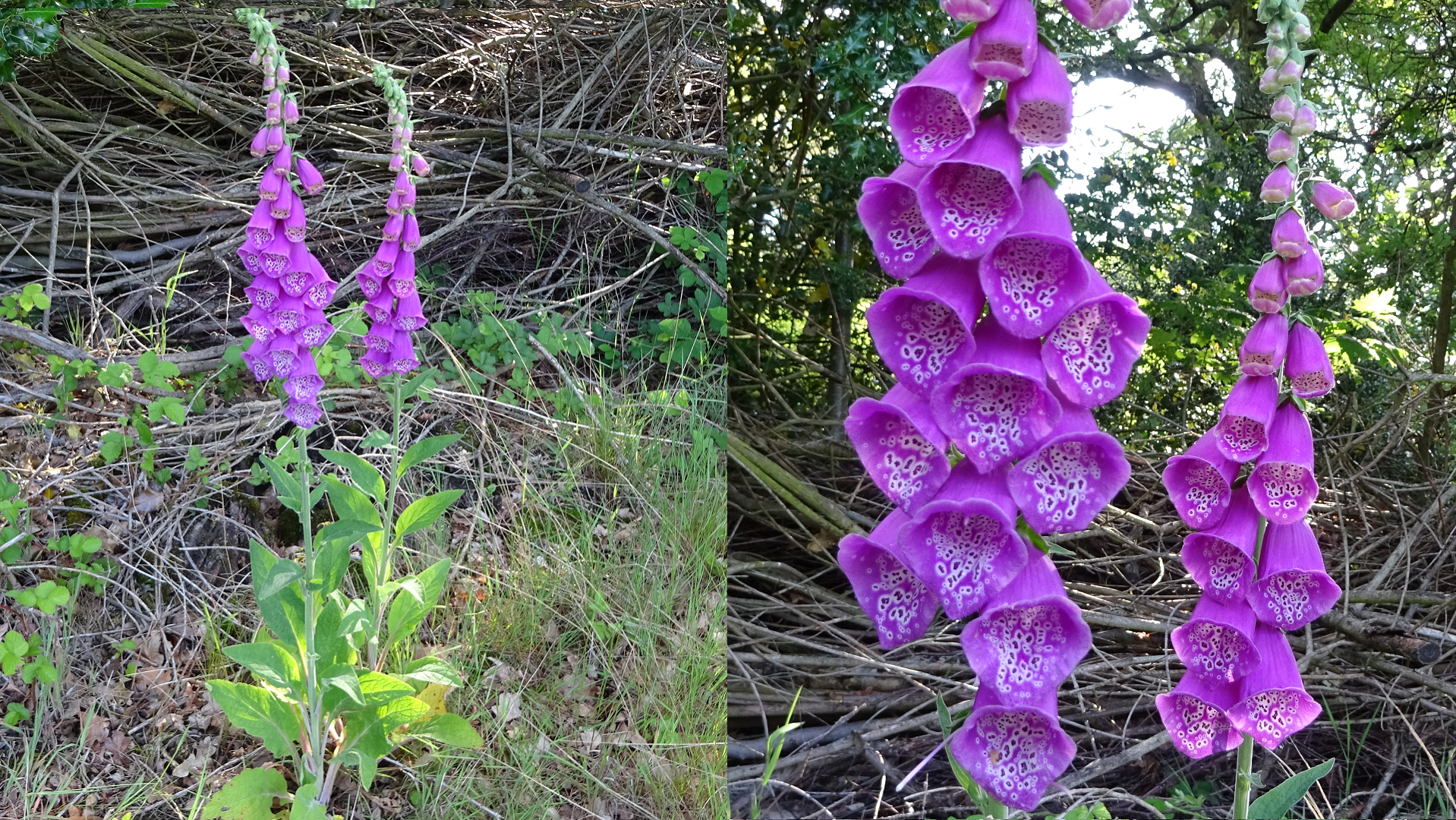
The Foxglove features pink or white flower spikes that can commonly be found in Heathland at Chigwell Row and on Dog Kennel Hill from June to September. This plant is highly toxic, and no part of it should be ingested.
#
Cottonwool Gall
Andricus quercusramuli

The Cottonwool gall is caused by gall wasps on English and sessile Oak. The white hairs hide up to 20 chambers each occupied by one larva.
#
Cluster Gall
Andricus lucidus

Found on Turkey Oak trees these flower-like clusters are produced by gall wasps. They consist of many individual galls each containing two larval chambers from which a new generation of gall wasps emerge in summer. This is the first known recording in Hainault Forest.
#
Thank you to everyone who has contributed to this Journal.
© hainaultforest.net. All rights reserved.
This website uses necessary cookies. It does not use targeting or advertising cookies.