

THIRD QUARTER 2019
Birch Polypore
Fomitopsis betulina
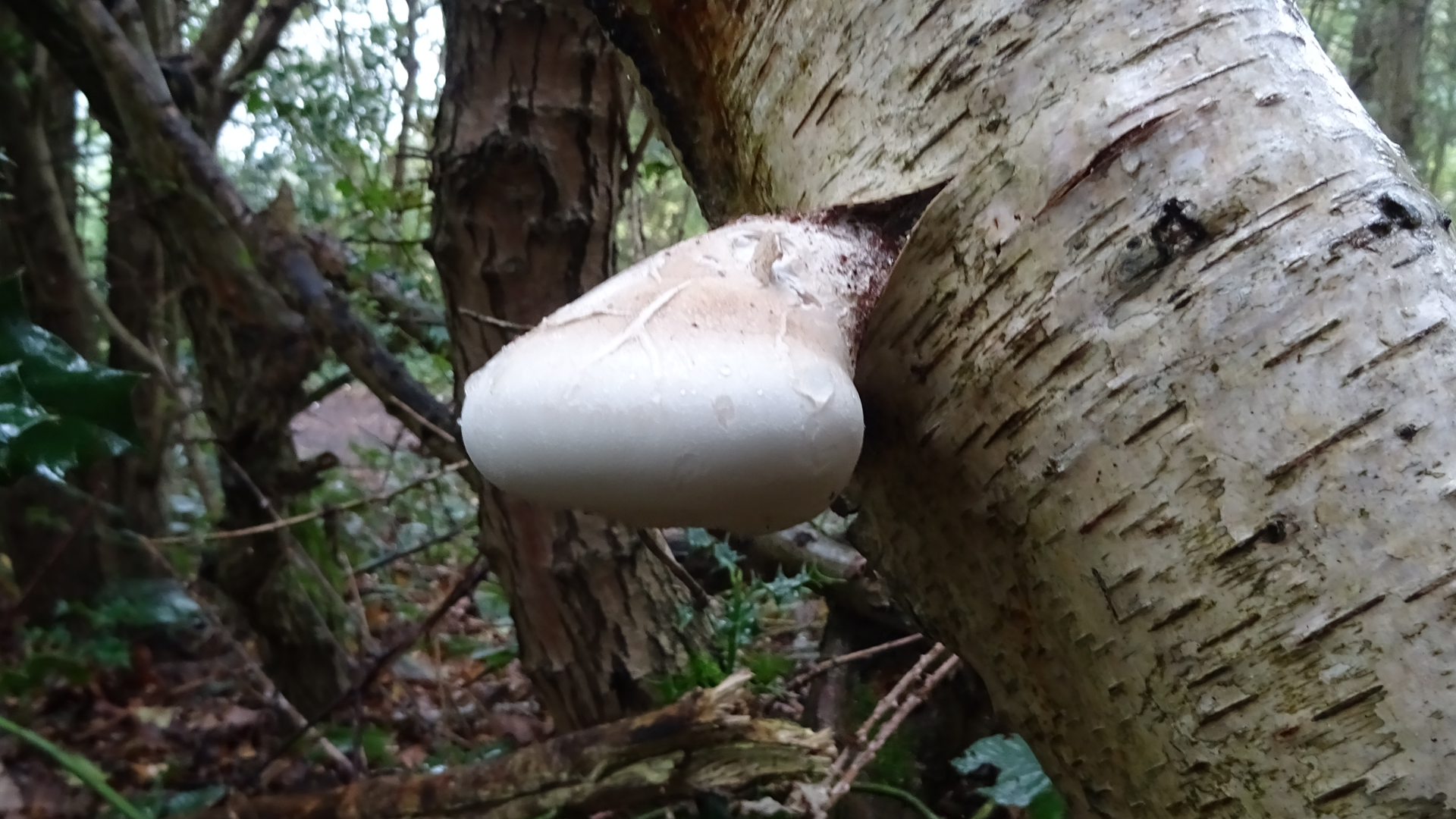
Birch polypore is a widely seen bracket fungus that grows year-round exclusively on birch trees. It features a whitish-brown cap that can reach up to 20cm in diameter, with white pores located underneath. Historically, barbers utilised its leathery surface for sharpening razors, leading to its nickname "Razor strop."
#
Dog Stinkhorn
Mutinus caninus
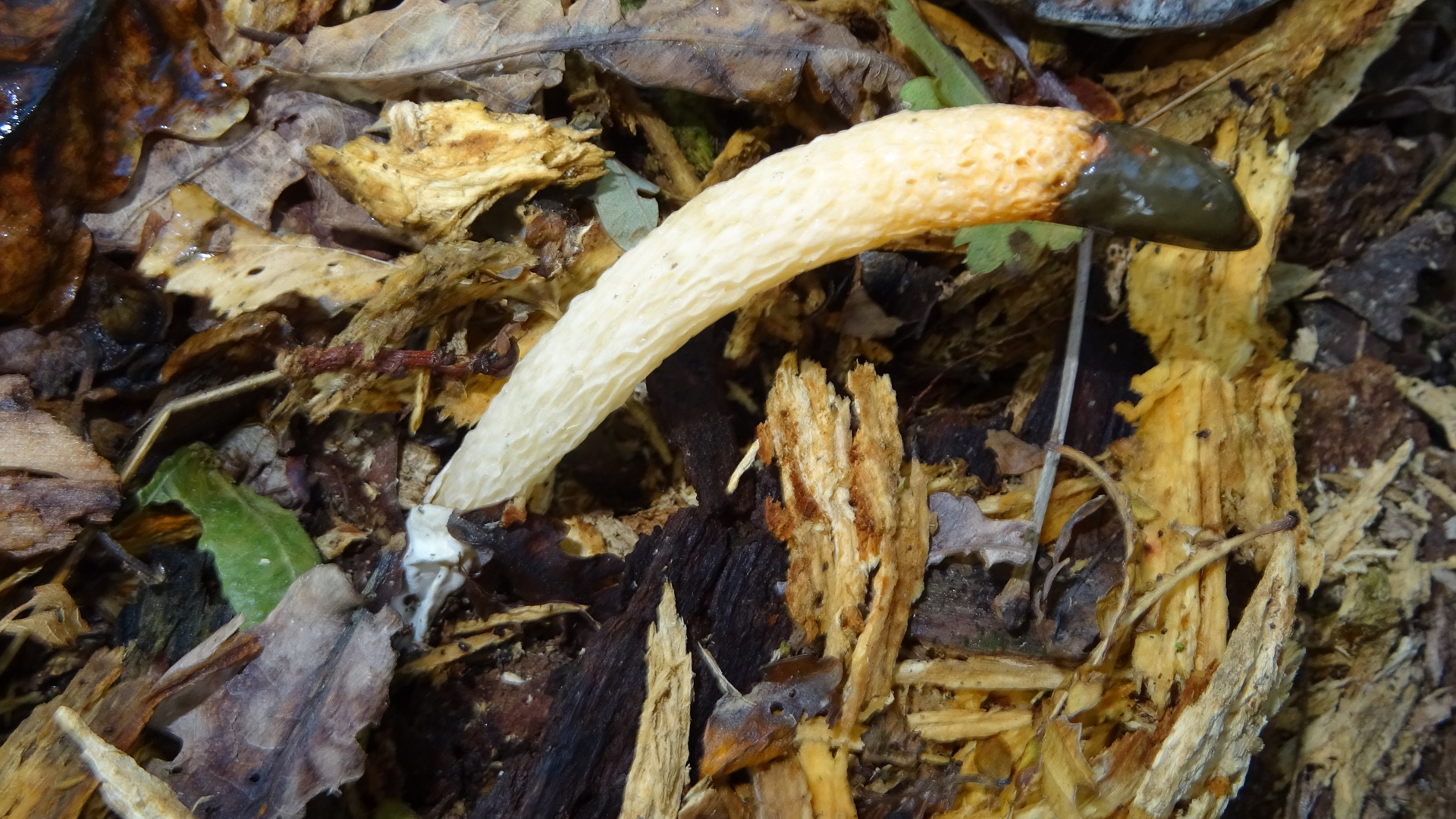
Dog Stinkhorns tend to be smaller and less smelly than other varieties of stinkhorns, making them more challenging to find. Stinkhorns depend on insects for their reproduction. The tip of the fungus is coated with a dark, sticky substance called 'gleba,' which attracts insects looking for food. Spores stick to insect feet and get carried away to decaying wood in other locations. Once the gleba has been consumed, an orange-red tip becomes visible, and shortly thereafter, the fruiting body will decay and disappear.
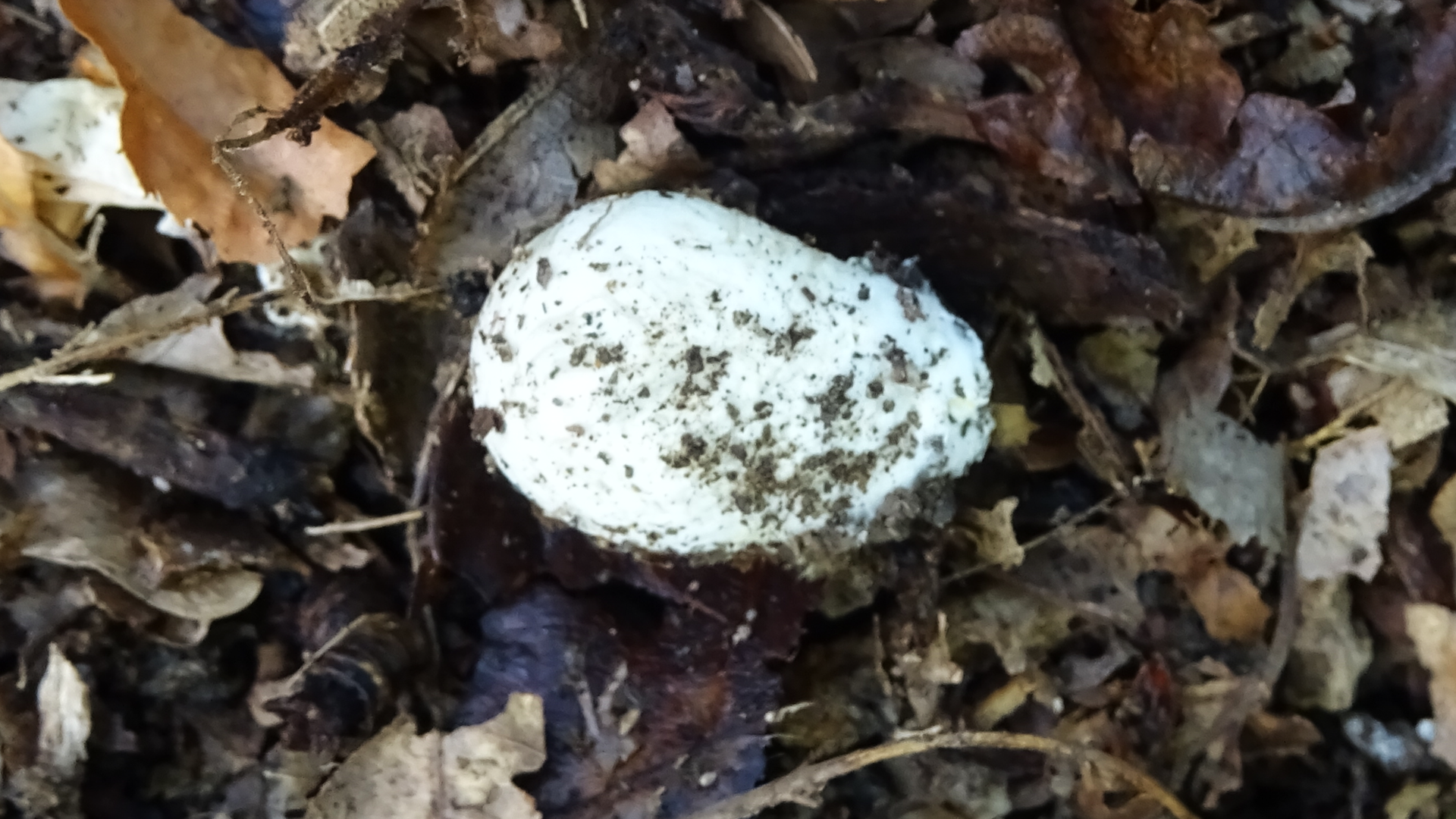
When first emerging the white fungus is egg-shaped; they are often cover by leaf litter so may not be obvious to the casual observer. They typically appear during late summer and autumn.
#
White Bryony
Bryonia dioica
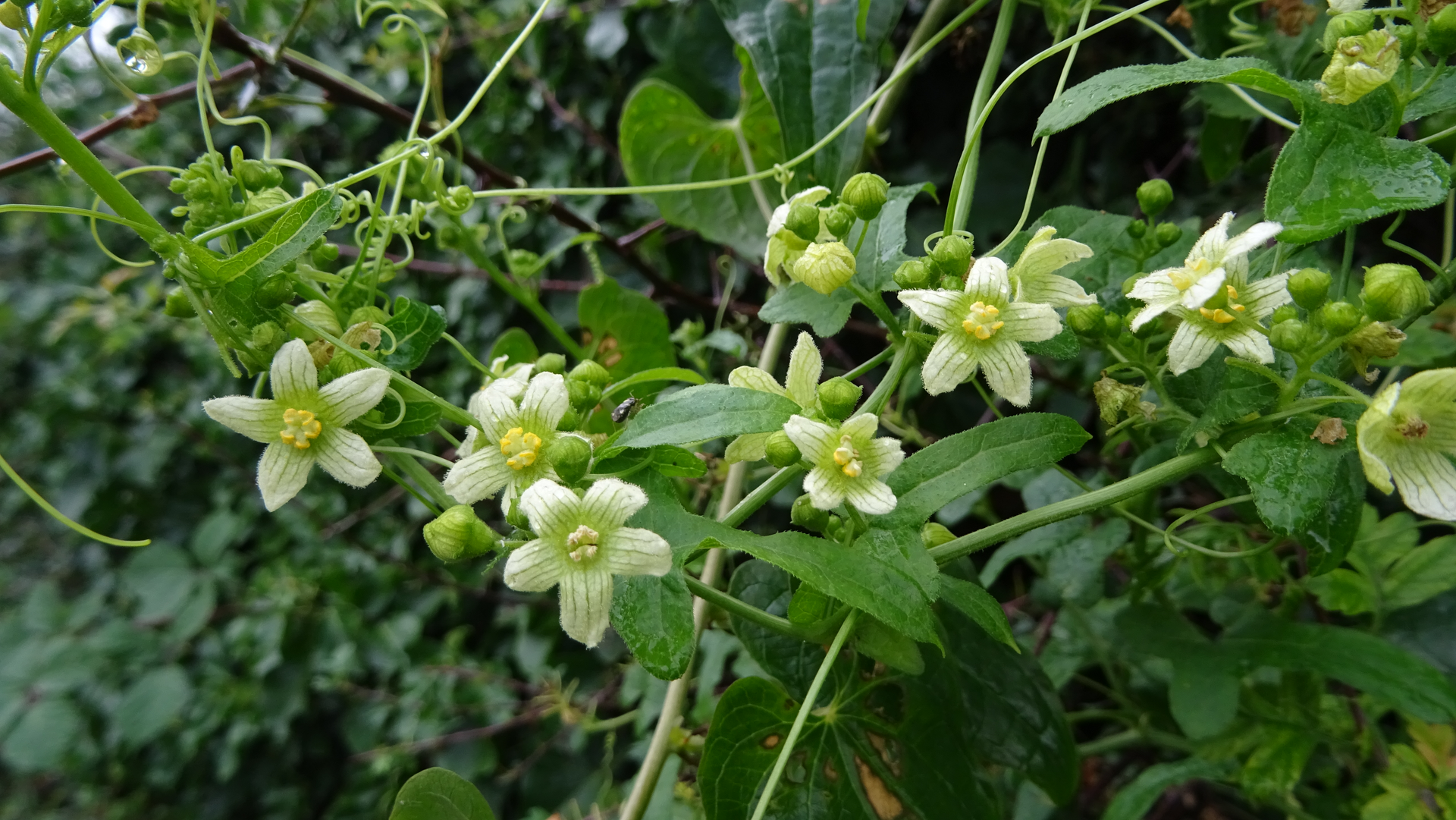
White Bryony produces greenish flowers with five petals that bloom from May to September. Shiny, red berries develop after the flowers. It is the only native member of the Cucumber family. The plant features five-lobed leaves, curling tendrils, and is highly toxic.
#
Celery-leaved Buttercup
Ranunculus sceleratus
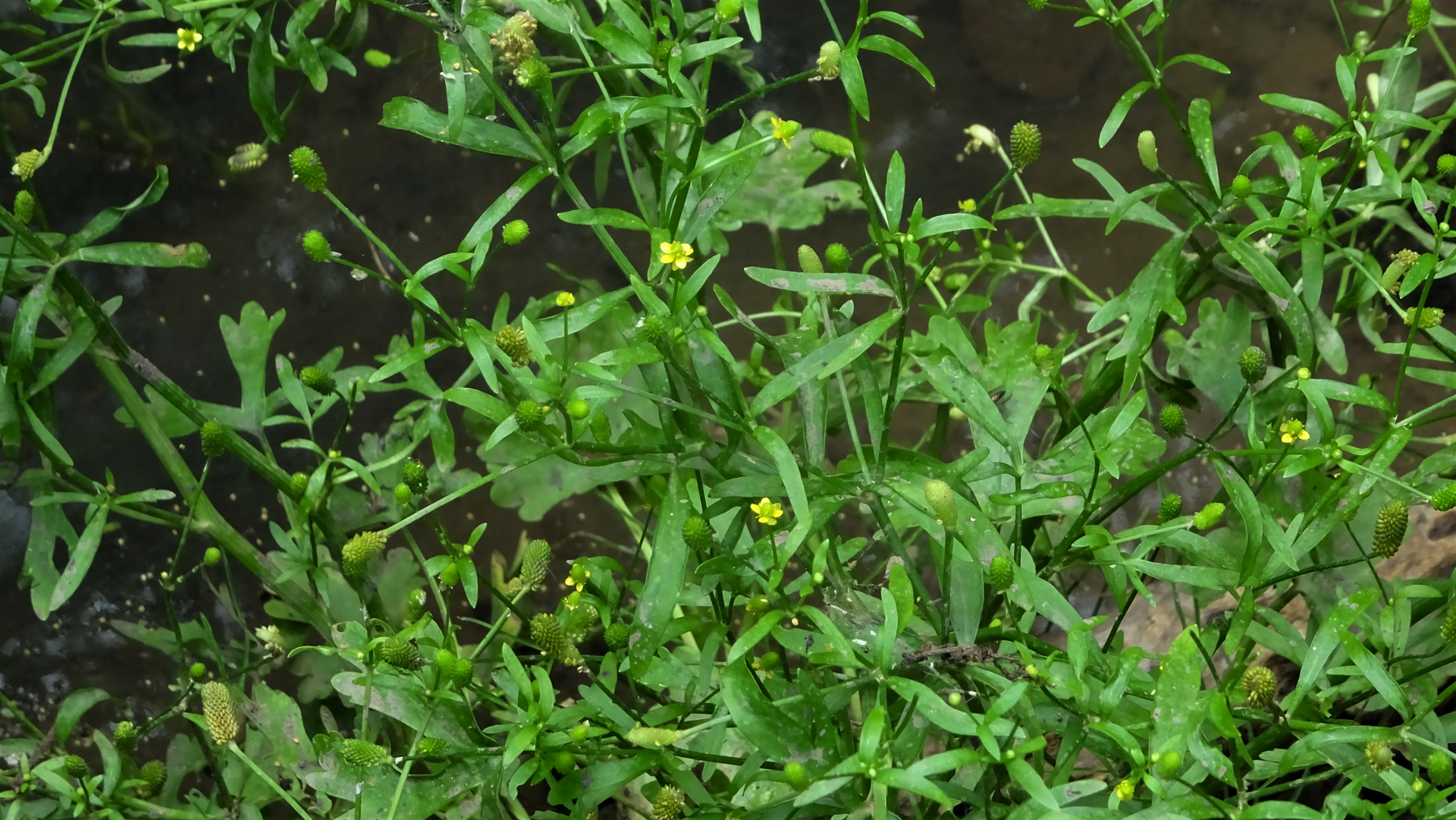
This buttercup is found in wet habitats from May to September. It is an annual that features yellow flowers measuring 5-10mm that grow in branched clusters.
#
Enchanter's Nightshade
Circaea lutetiana
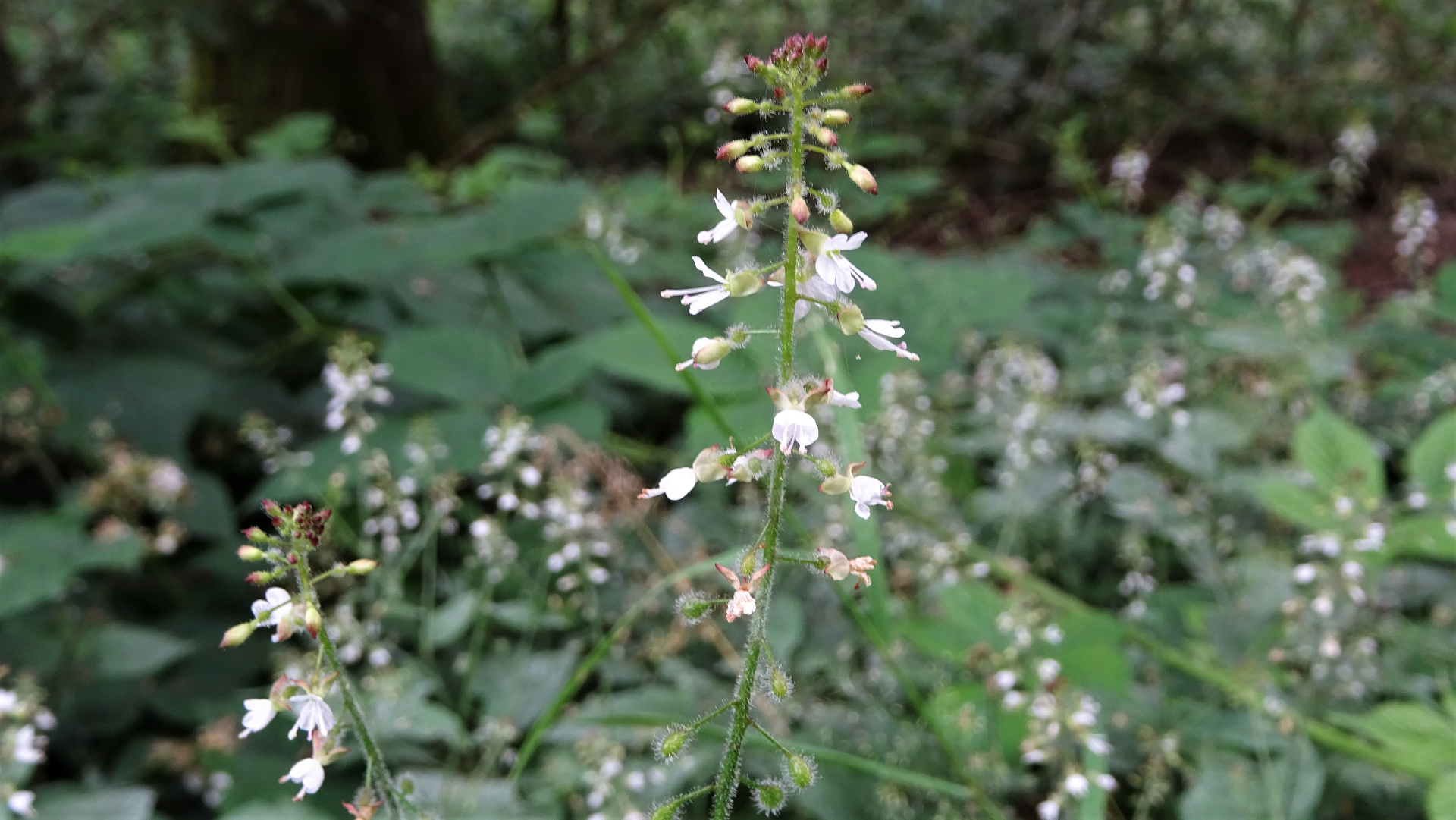
This is a common native plant that inhabits woods and the edges of woodlands, favouring shaded or semi-shaded areas and thriving in rich, damp soils. It is a hairy plant with long slender stolons, opposite leaves and small, white or pinkish, well-spaced flowers (4-7mm). It is not part of the Nightshade family.
#
Feverfew
Tanacetum parthenium
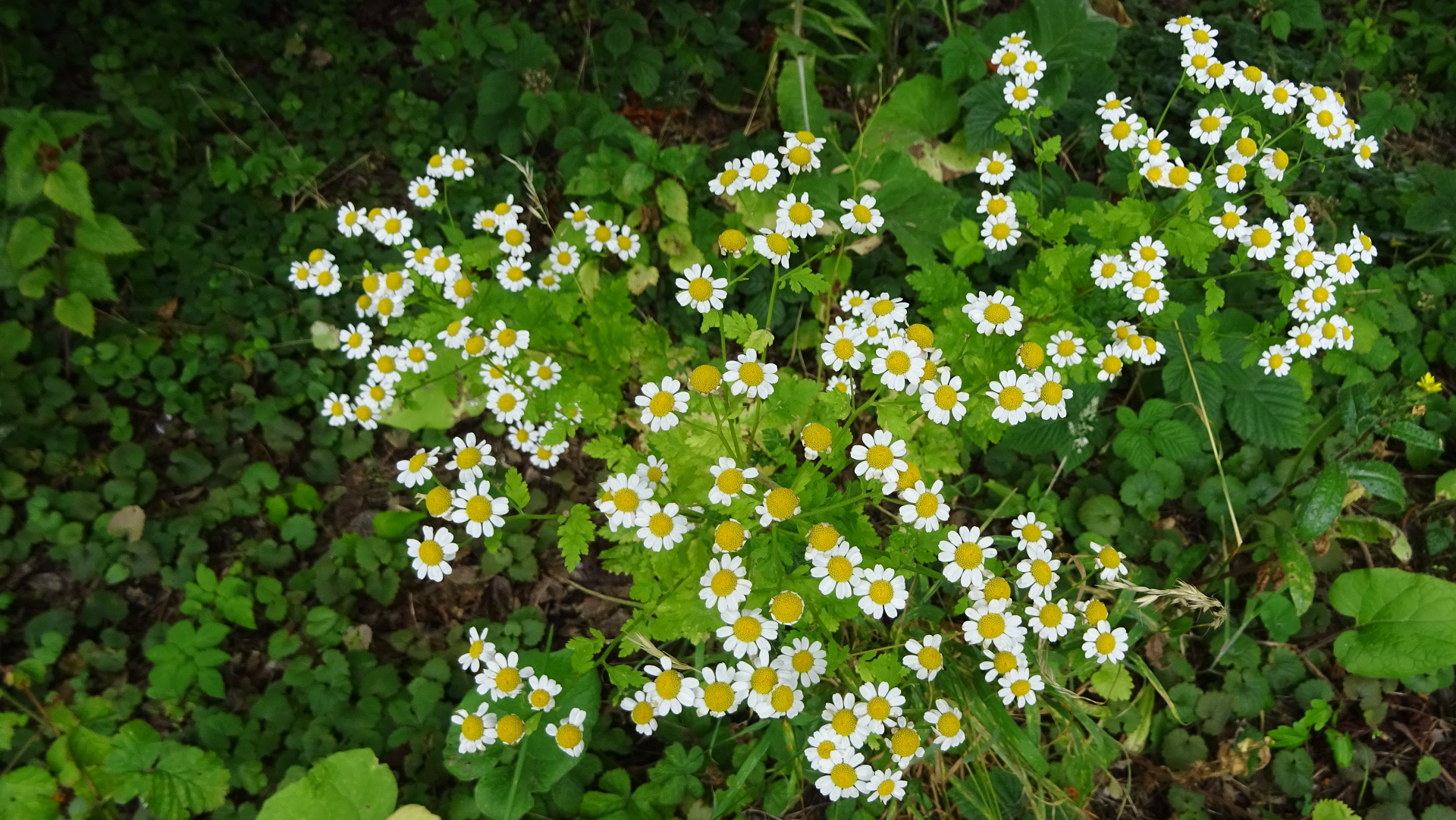
A herbaceous perennial that develops into a small bush reaching up to 70cm in height. It features leaves with a strong scent. This plant is currently found in the Foxburrow Farm garden and may be under threat once the Hainault Forest restoration project begins.
#
Trifid Bur-marigold
Bidens tripartita
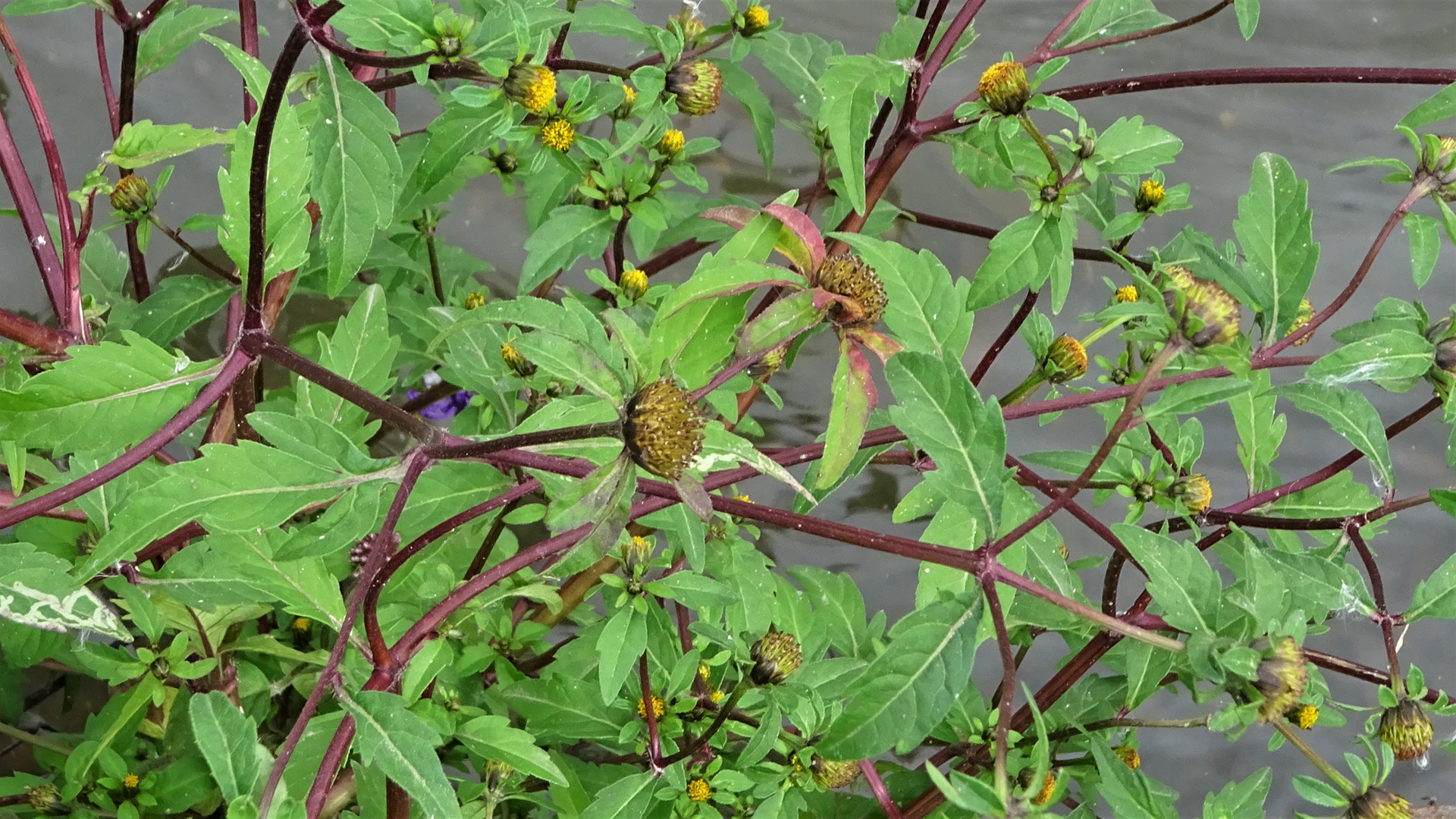
An annual plant seen from July to September, it is common and widespread, belonging to the Daisy family. The dull yellow flowerheads, which are rayless, can measure up to 25mm across and appear singly on erect stems with opposite leaves. Typically, the leaves have three lobes, though there can be instances of five lobes, with the central lobe being the largest. The petioles are short and winged at the base. This particular plant, growing by the Hainault Lake outflow, reached a height of approximately 50cm.
#
Common Reed
Phragmites australis
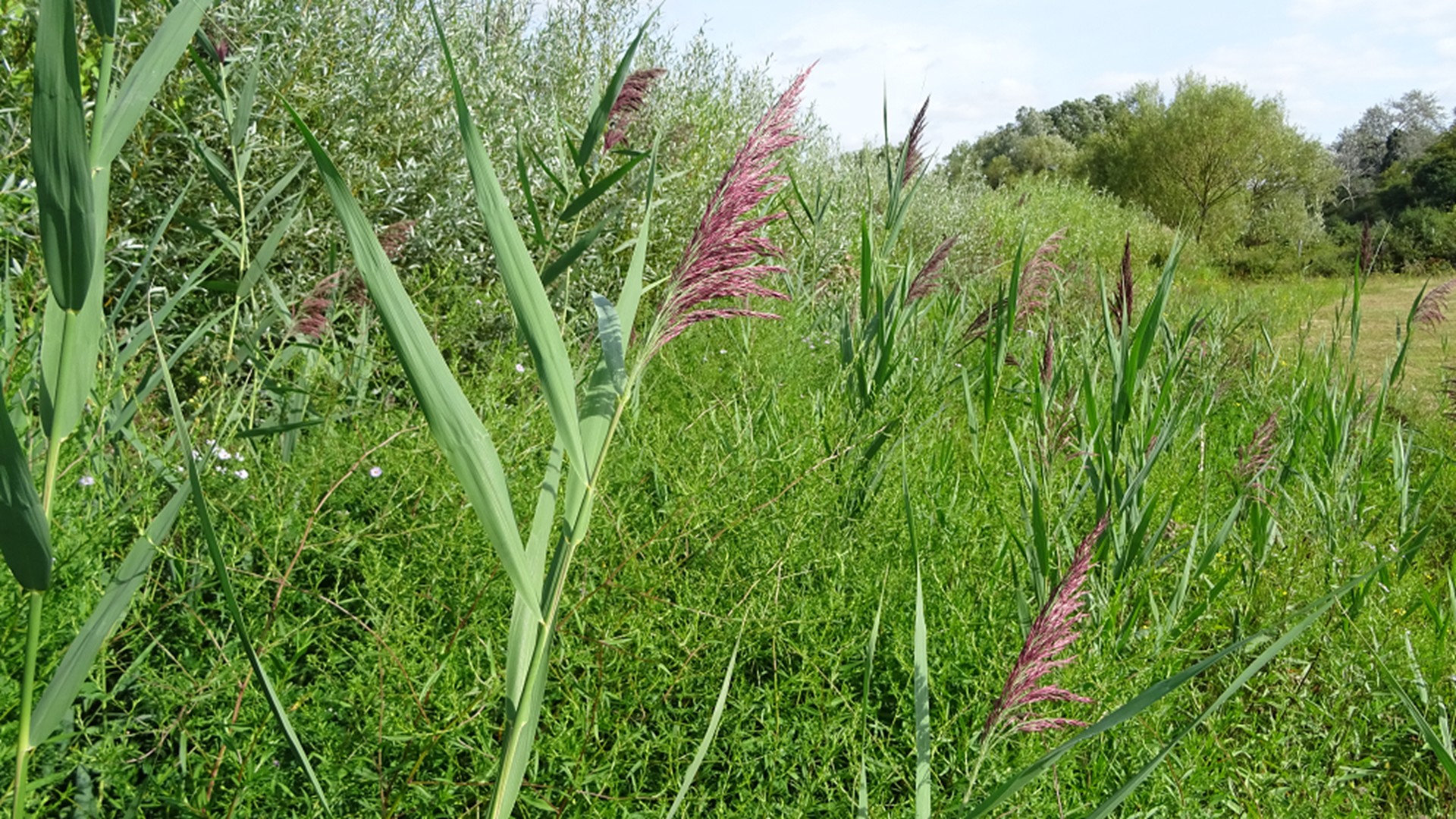
Common Reed is found at the edge of Ted's Field near Hainault Lake and is frequently encountered in wetland regions. Typically, it grows here to about 2 metres in height. The plant propagates through creeping underground stems known as rhizomes. Its dark purple feathery flowers appear on spikes during autumn; they eventually fade to brown and develop bristles. Without careful management, it can dominate an area, so careful oversight is necessary. In certain parts of Britain, it is utilised for thatching roofs.
#
Rosebay Willowherb
Chamerion angustifolium
Nocturnal species that possesses splendid feathery antennae. The large hairy larvae go into hibernation during October and start feeding again from April to June. They drink drops of dew from plants which is how their common name came about.
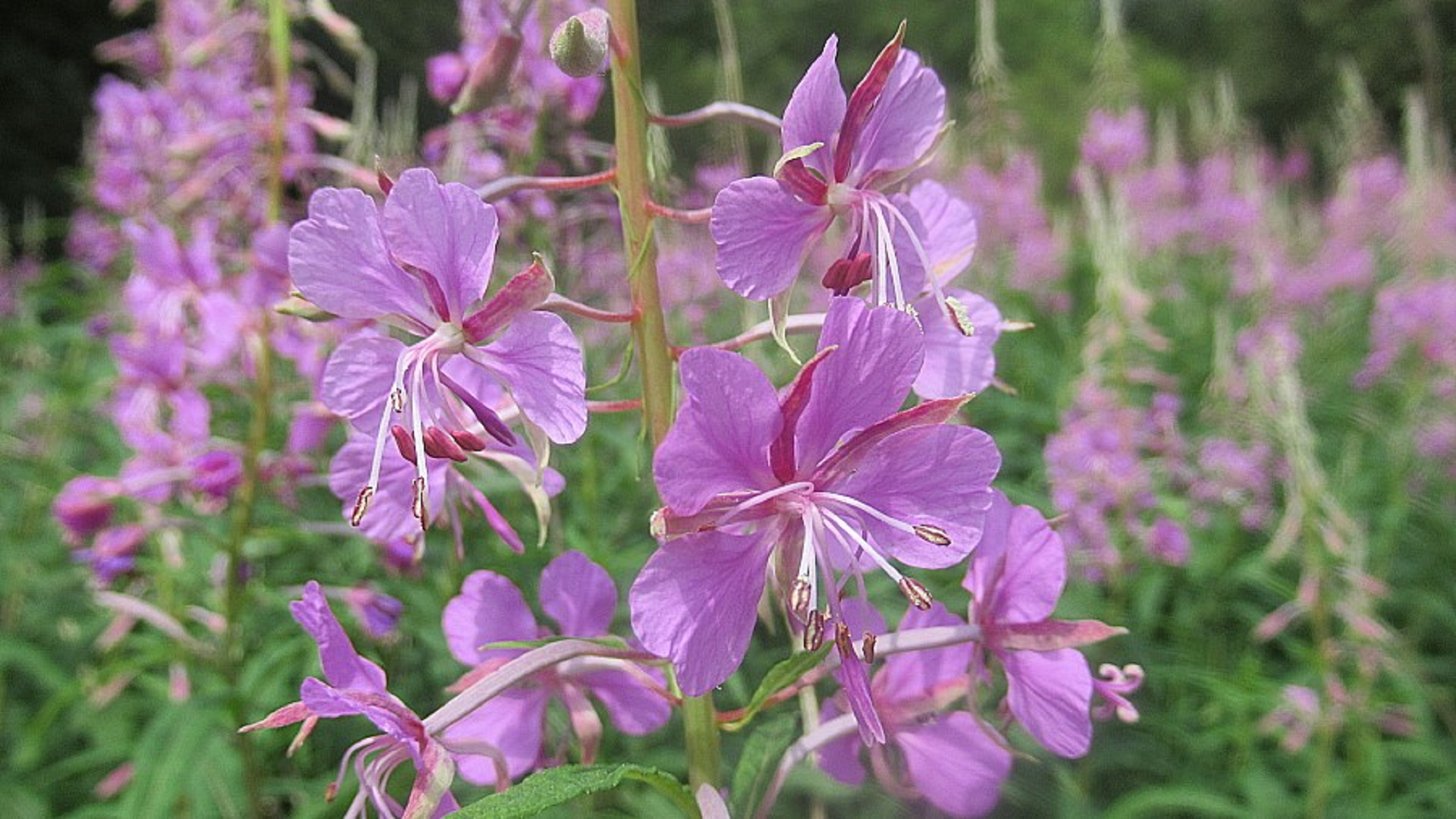
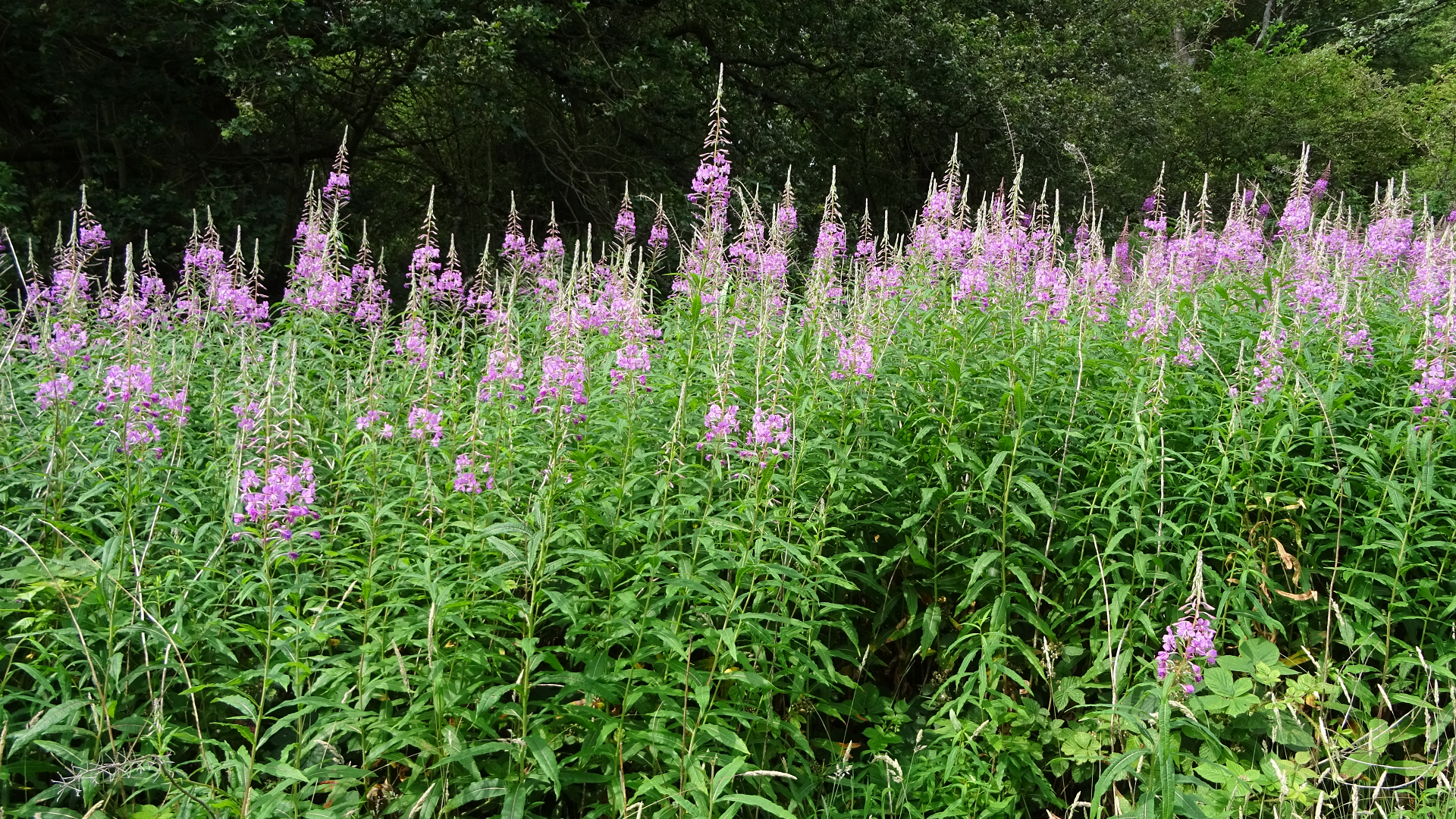
Rosebay Willowherb is known 'Fireweed' because the heat from fire helps to germinate its seeds. It often appeared on bombsites created during the two World Wars so was also called 'Bombweed'. The bright-pink flowers grow on spikes in crowded groups on disturbed ground and woodland clearings from June until September. Plants grow up to 1.5 metres tall.
#
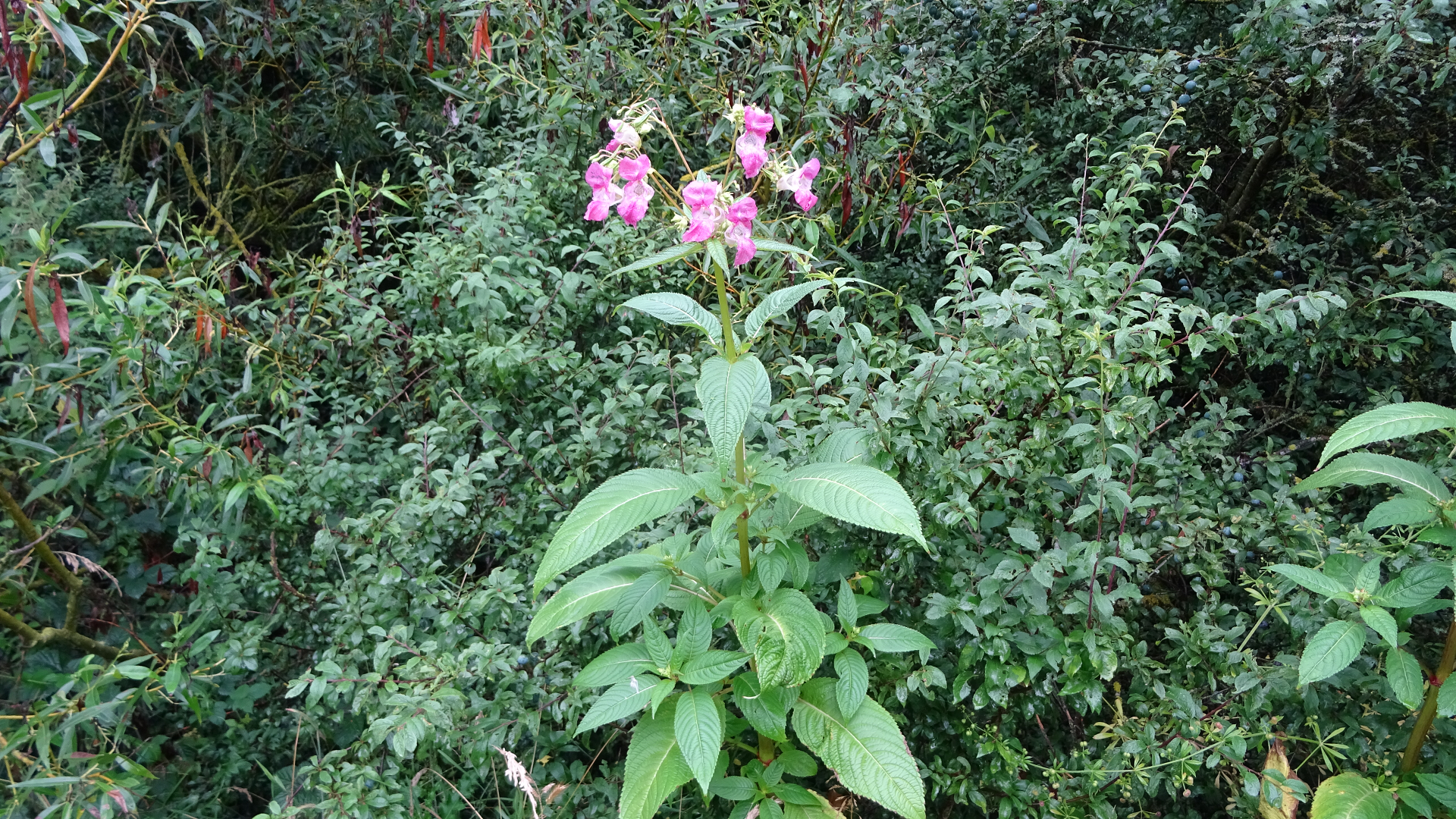
Himalayan Balsam
Impatiens glandulifera
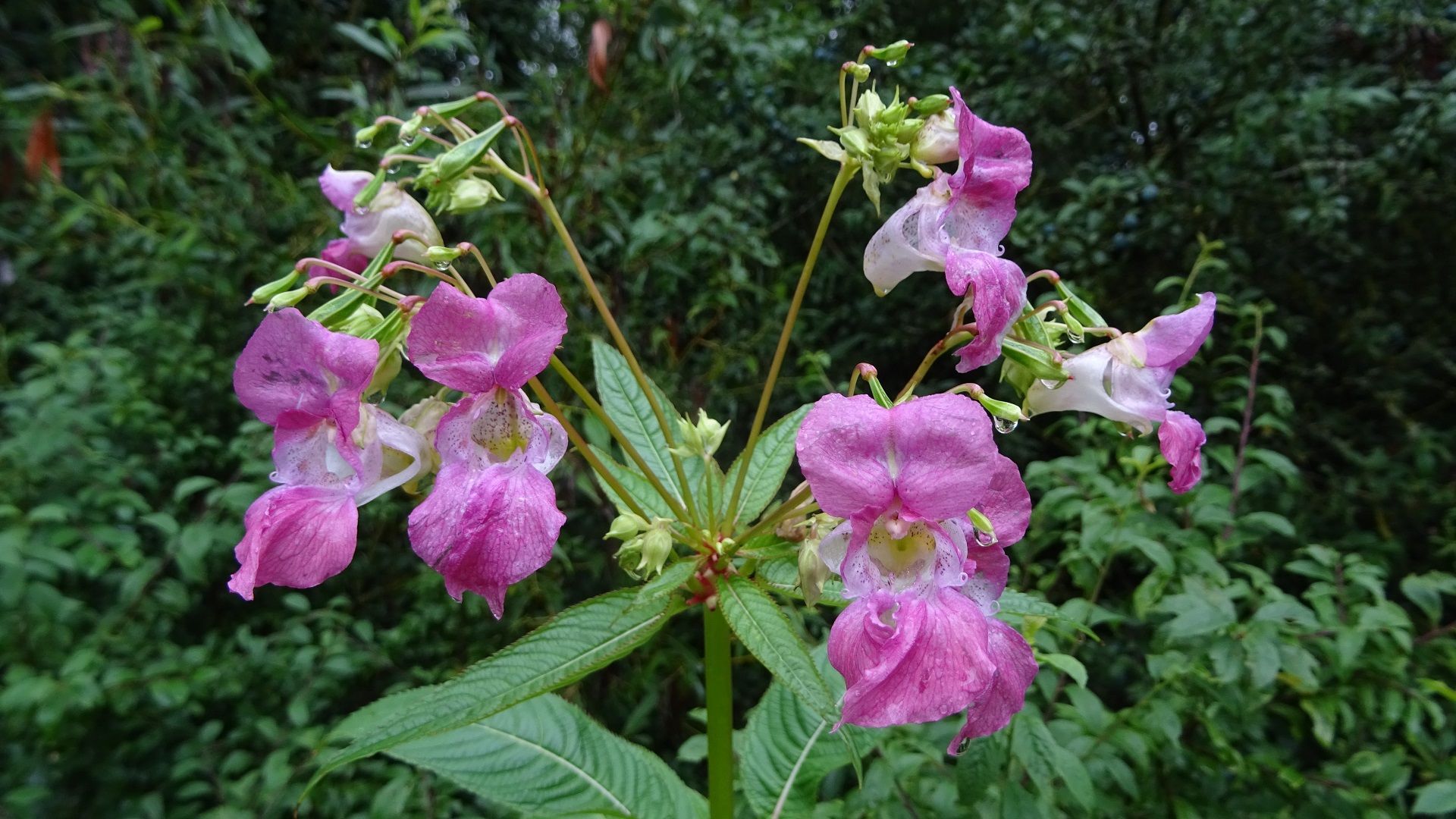
Invasive plant often found near inland water. It was introduced to Britain in 1839 by Victorian plant hunters who liked its beautiful pink flowers and exploding seed pods.
#
Guelder Rose
Viburnum opulus
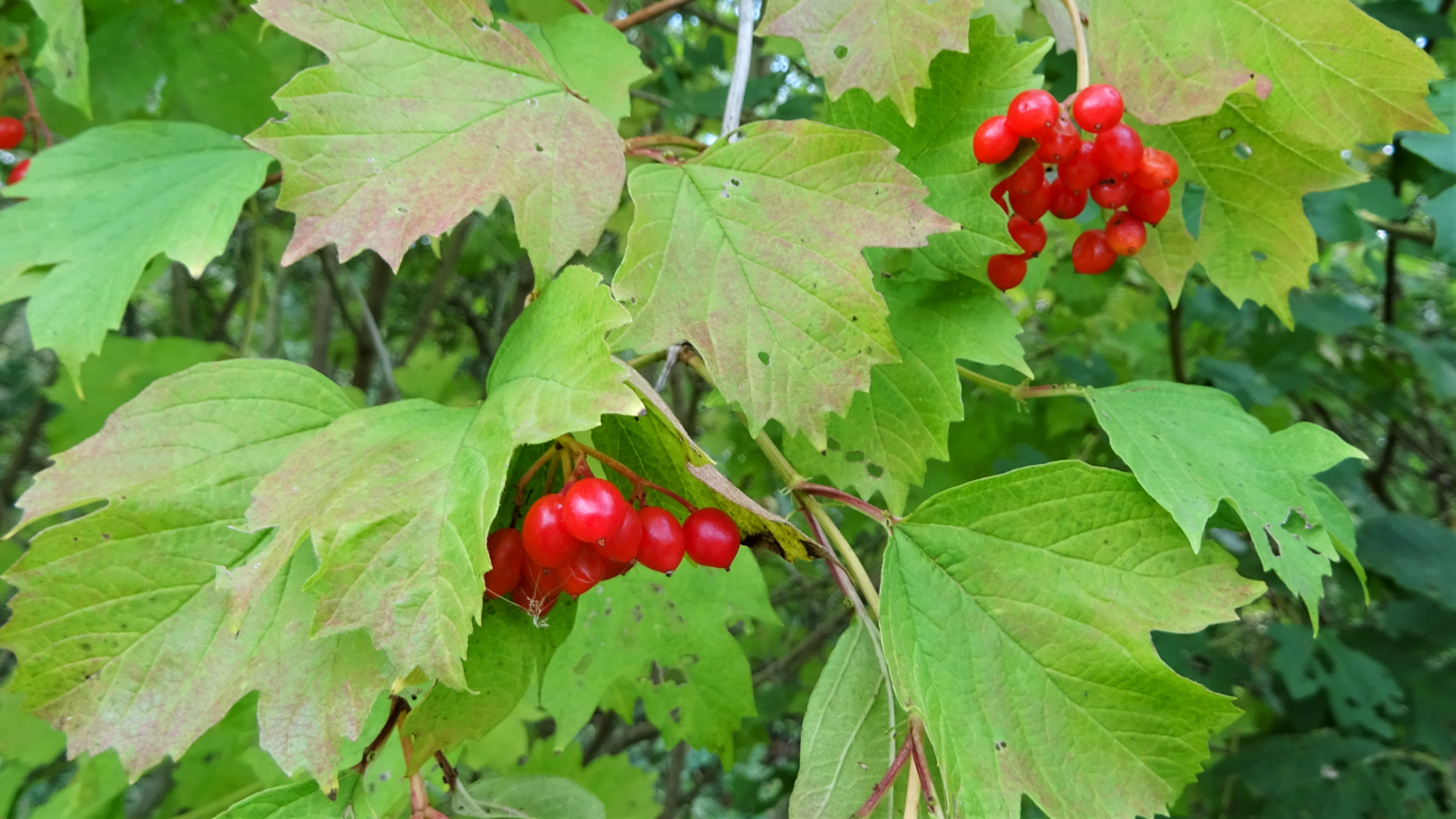
Red berries emerge on Guelder Rose in autumn, offering a valuable food source for birds. It is a prevalent tree found in hedgerows which can reach a height of up to 4 metres.
#
Blackthorn
Prunus spinosa
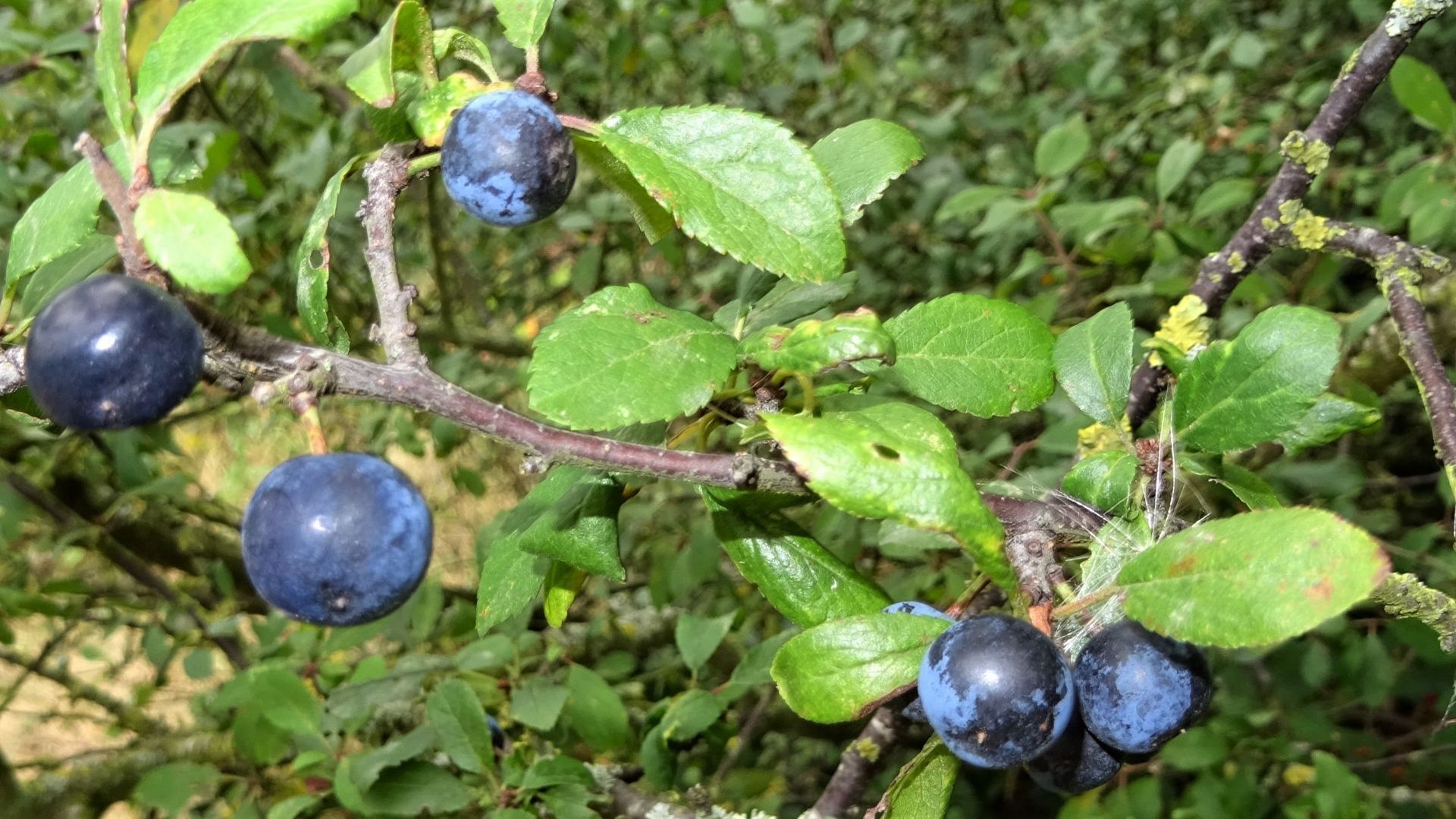
The sloe is the bluish-black fruit that grows on the blackthorn. Traditionally, the best time to harvest these for flavouring gin is after the first frosts.
#
Beech Leaf Gall
Hartigiola annulipes

Beech Leaf Galls are cylindrical formations that develop on Beech leaves as a result of the midge
Hartigiola annulipes. They initially appear as flattened hemispheres on both surfaces of the leaf. Over time, they can grow to about 5mm in length, protruding like hairy columns and turning reddish-brown. Each gall contains a single white larva. Once the larva matures, the gall detaches from the leaf, leaving behind a circular hole. The larva then pupates, and adults emerge in the following spring. These adults will lay eggs on new leaves, continuing the cycle.
#
Sycamore Tarspot
Rhytisma acerinum
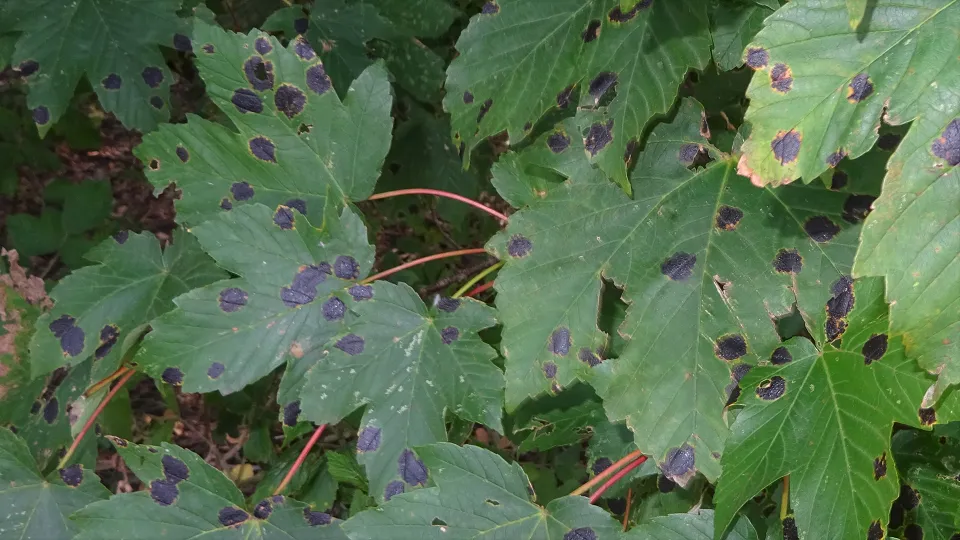
Sycamore Tarspot is the result of the fungus
Rhytisma acerinum affecting the leaves of Sycamore and Maple trees. In autumn, black spots with golden edges appear on the leaves. The fungus survives the winter on fallen leaves and generates spores in the spring. These spores are sticky, enabling them to adhere to new leaves.
#
Camellia Gall
Rabdophaga rosaria
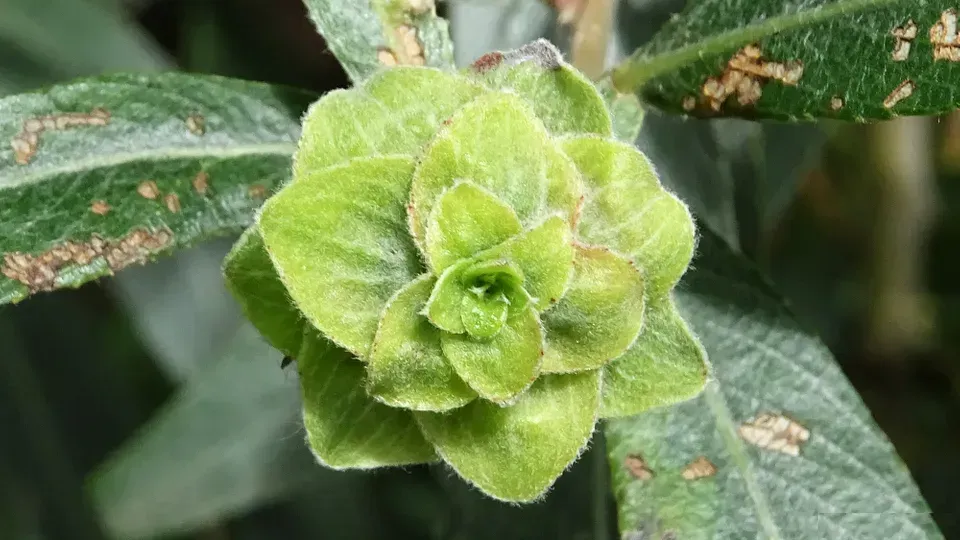
The Camellia gall, also known as the Rosette Gall, is an abnormality caused by the midge
Rabdophaga rosaria. The galls comprise 30 or more short leaves, each containing a single pinkish larva in the centre that overwinters inside the gall on the tree. As they mature, the galls change colour to brown.
#
Hairy Pea Gall
Eupontania pedunculi
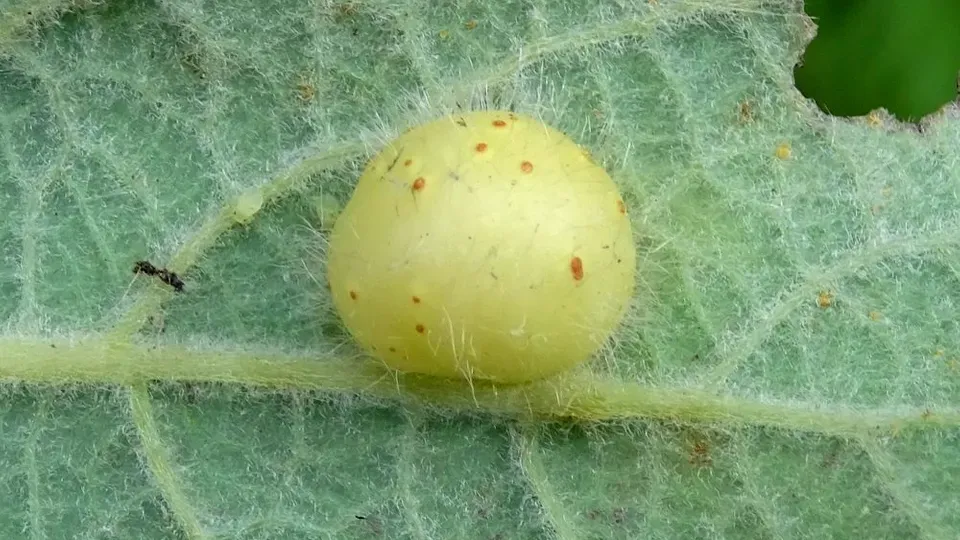
Hairy pea galls on the underside of sallow leaves are produced by the Willow Gall Sawfly,
Eupontania pedunculi. A small circular shiny yellowish patch can be seen on the upper surface of the leaf, which may be flush or only slightly raised.
#
Rosebud Gall
Andricus gemmeus

Originally discovered in the UK in 2008 at Colchester, Essex, the galls (3-4mm in diameter) are produced by the asexual generation of the gall wasp Andricus gemmeus. They are commonly observed on oak trunks in September.
#
Oyster Gall
Neuroterus anthracinus
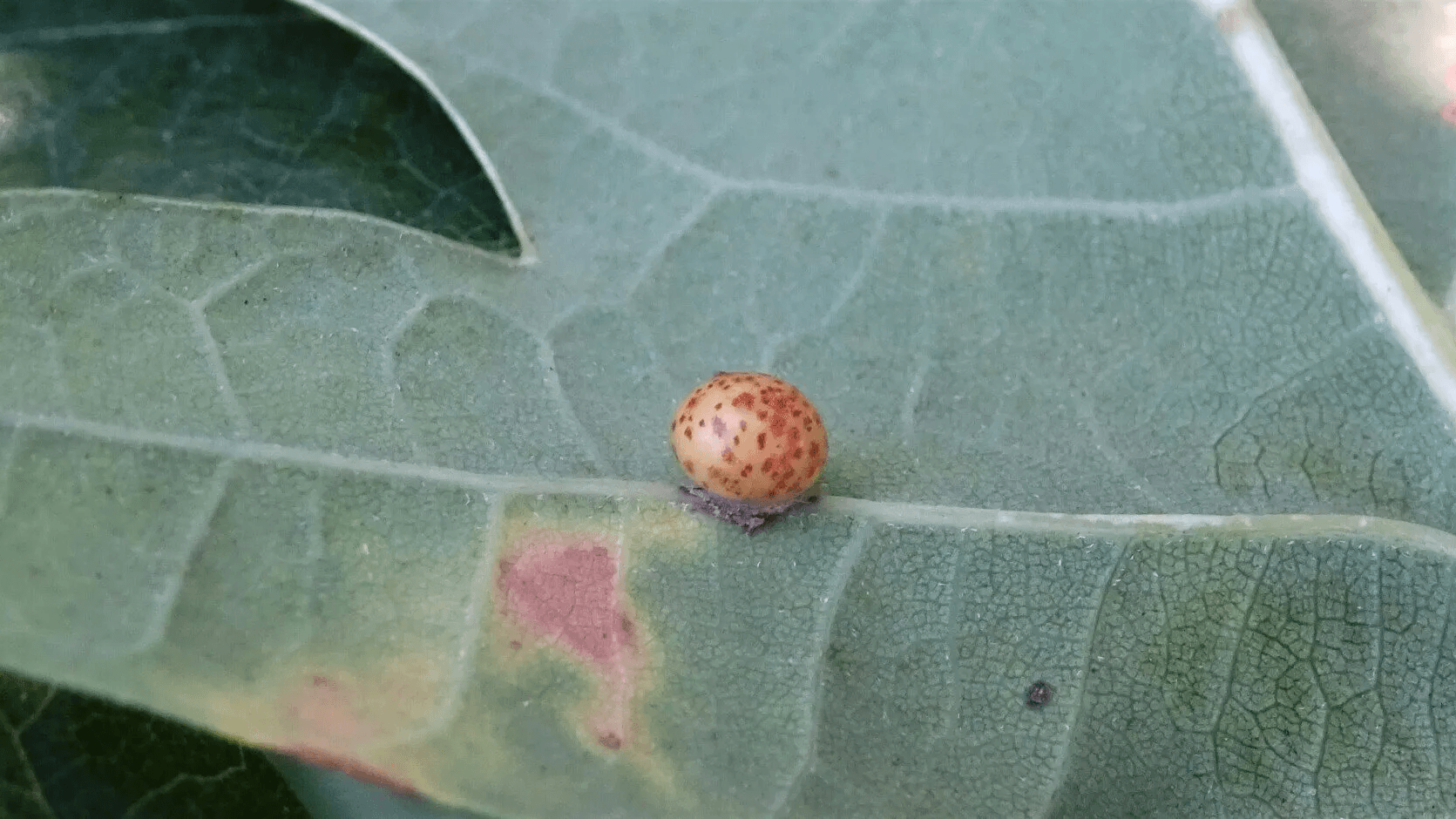
The asexual generation of the gall wasp Neuroterus anthracinus leads to the formation of small, egg-shaped galls approximately 3mm in diameter on the midrib of oak leaves. Each gall has a small flap of tissue protruding from each side of the base, which is a key feature for identification to differentiate it from similar species. The galls start as cream or green in colour, develop reddish-brown spots before maturing, and eventually fall from the leaves in autumn. Adult wasps emerge in winter and spring to lay eggs in buds, which will develop into the sexual generation.
#
European Pear Rust
Gymnosporangium sabinae
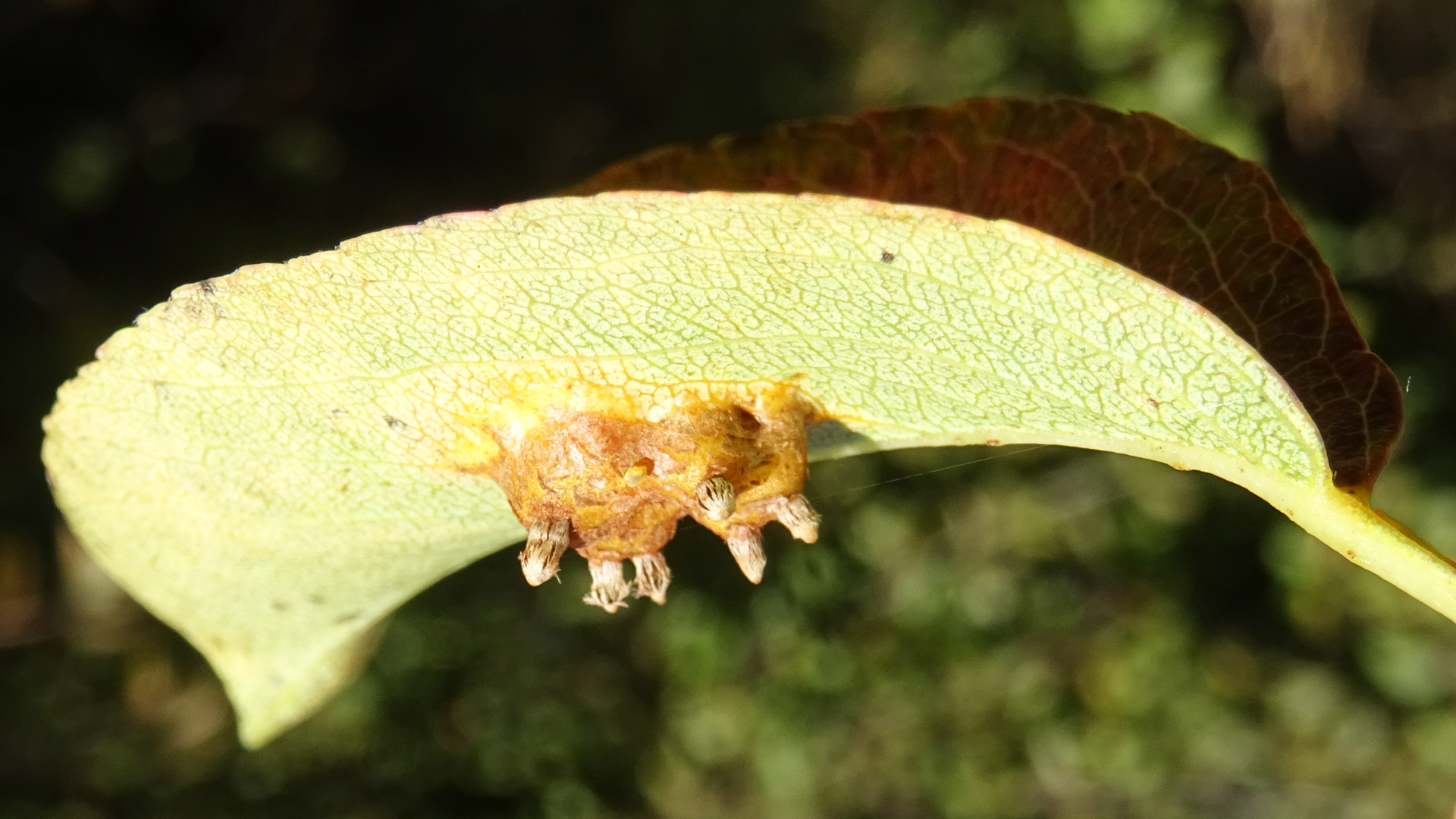
European Pear Rust is triggered by the fungus
Gymnosporangium sabinae and is frequently observed on pear trees and various other cultivars in September. An orange-yellow patch appears on both sides of the leaf when a gall develops. The galls often resemble cow udders. This fungus requires two distinct host plants to complete its annual life cycle. Spores are released from the tips of the
udders to locate juniper, which serves as the winter host and affects the stems.
#
Pod Gall
Dasineura rosae
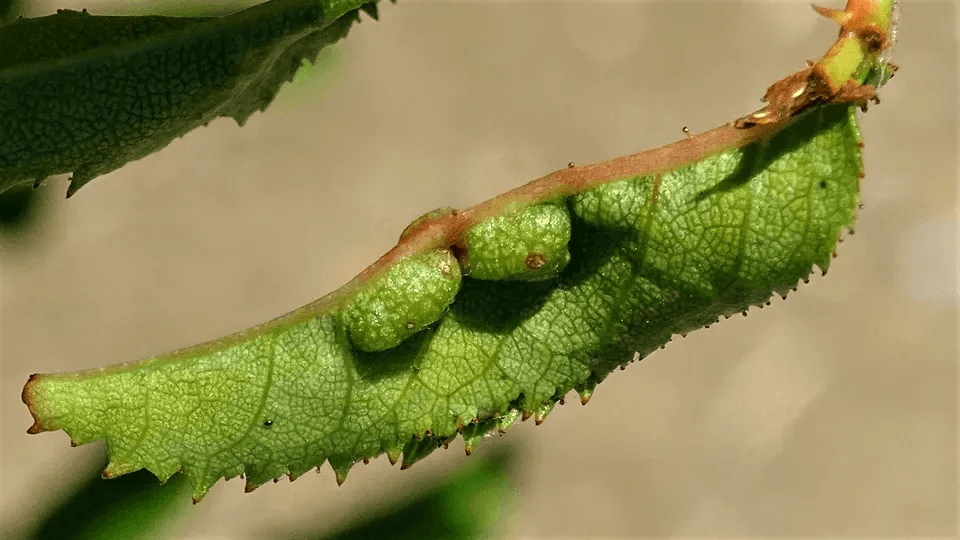
The midge
Dasineura rosae causes the leaflets to fold and develop pod-like swellings, which often appear pink or red. Each pod holds numerous white larvae that turn orange as they age. Once they mature, the larvae leave the gall and burrow into the soil to pupate.
#
Cola-nut Galls
Andricus lignicolus
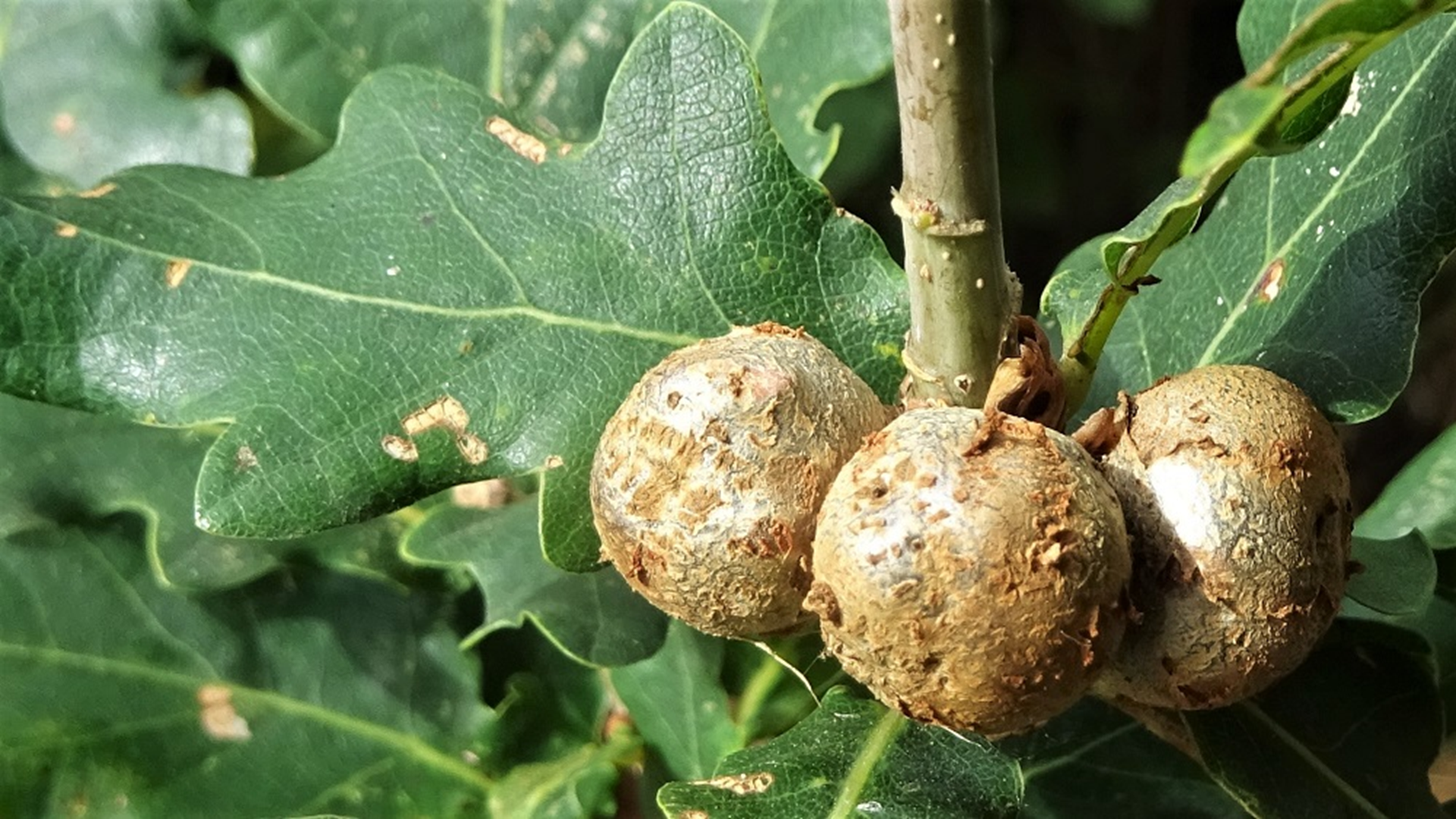
Cola-nut galls are created by the asexual generation of gall wasp
Andricus lignicolus, which deposits its eggs into the buds of English oak and sessile oak. These galls are scaly and can reach up to 15mm in diameter. They typically occur in clusters of 2-5 and are ovoid in shape. Initially grey when they appear in summer, they mature to a hard brown. The exit hole is usually located close to the point of attachment. Adult wasps emerge in early autumn to lay eggs in Turkey oak buds. The galls are occasionally confused with marble galls; however, marble galls are spherical, larger, and generally smoother in texture.
#
Lives Remembered Exhibition
Crow Lane Cemetery, Romford

Brian Ecott and Raymond Small accepted an invitation from the London Borough of Havering to the opening of the 'Lives Remembered' exhibition at Romford Cemetery, Crow Lane, on September 19th. This permanent exhibition provides insights into the lives of the community as Romford developed during the late Victorian era and thereafter. Stories of the individuals associated with the weathered headstones and unadorned cemetery plots are displayed. The wall-mounted acknowledgments board inside thanked organisations including this website for supplying information. The exhibition is open daily from 9 a.m. to 3:45 p.m., seven days a week.
#
Thank you to everyone who has contributed to this Journal.
© hainaultforest.net. All rights reserved.
This website uses necessary cookies. It does not use targeting or advertising cookies.