

THIRD QUARTER 2023
This Journal covers the third quarter of 2023 from July to September.
Coot
Fulica atra
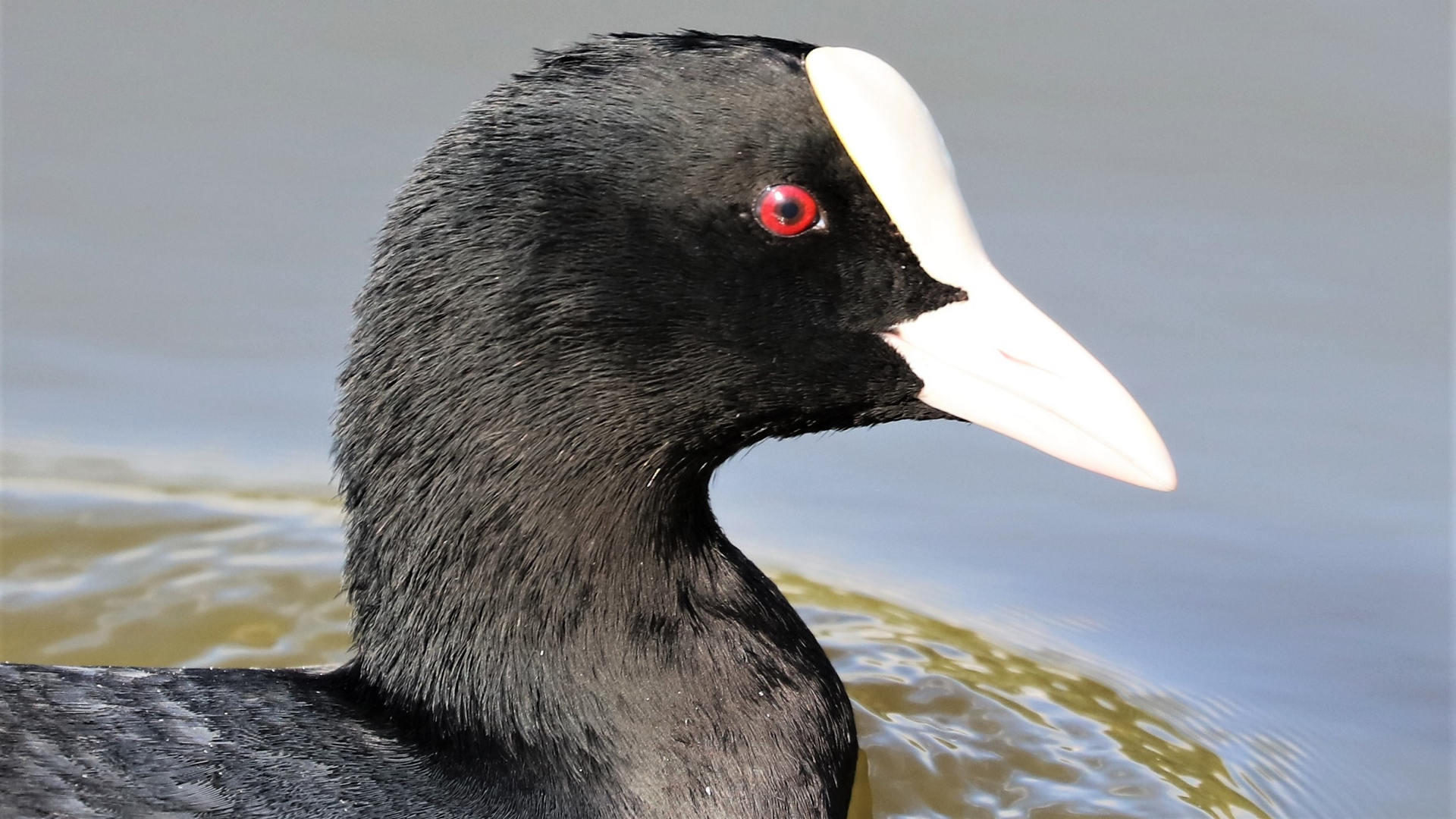
Coots are omnivorous birds that primarily consume plant material. They favour shallow, vegetated lakes for foraging. To find small invertebrates, they dive underwater and typically resurface with their catch before eating. This behaviour can occasionally result in conflicts with other coots over food. A group of coots is referred to as a "cover" or "covert."
#
Large Black Longhorn
Stictoleptura scutellata
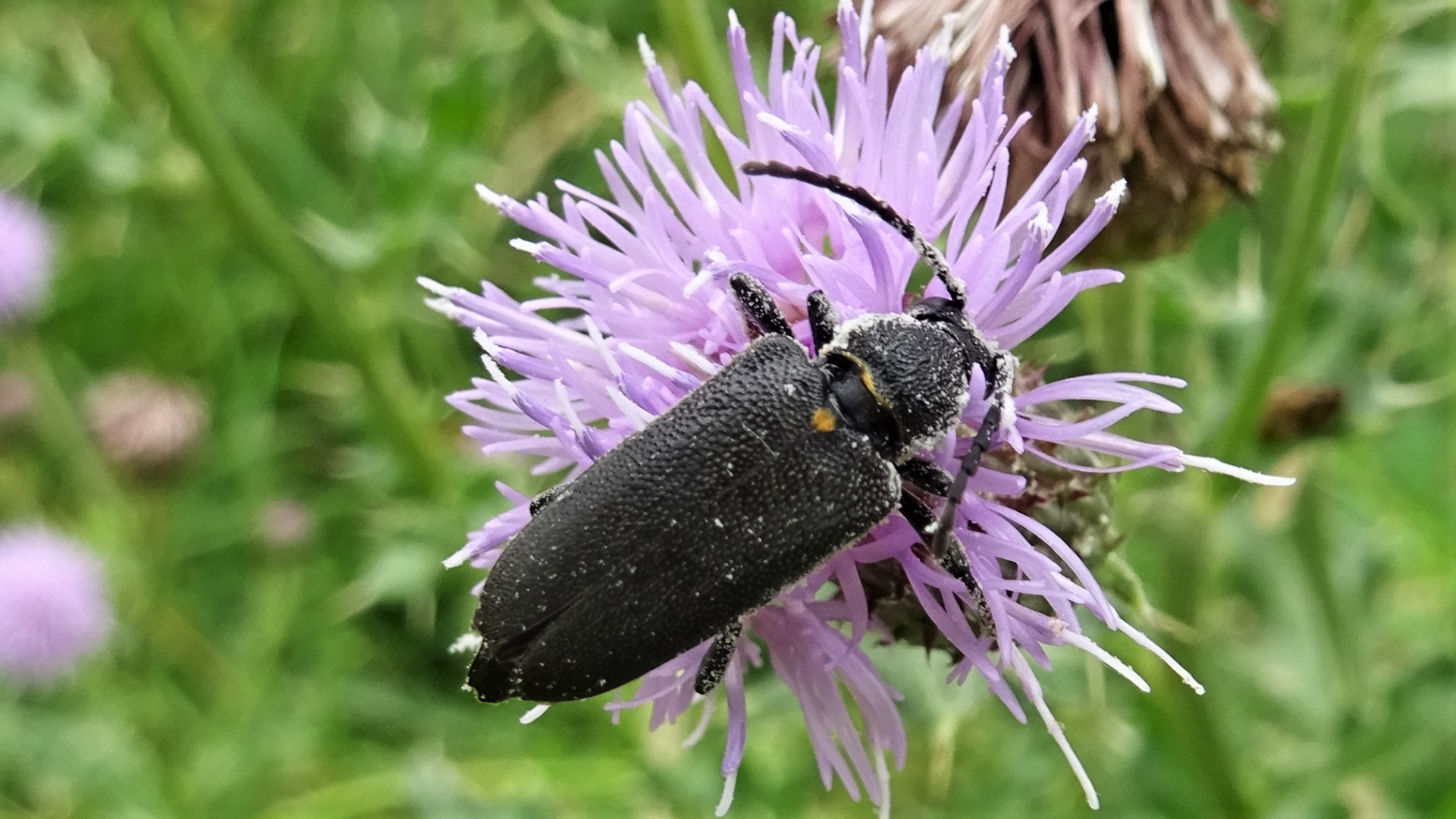
The Large Black Longhorn measures about 20mm. It is large and black in colour. This species is rarely documented and is considered nationally scarce, but it appears to be established in certain local areas. Adults are typically active during June and July. The larvae develop in dead deciduous wood and are associated with beech forests.
#
Nettle Ground Bug
Heterogaster urticae
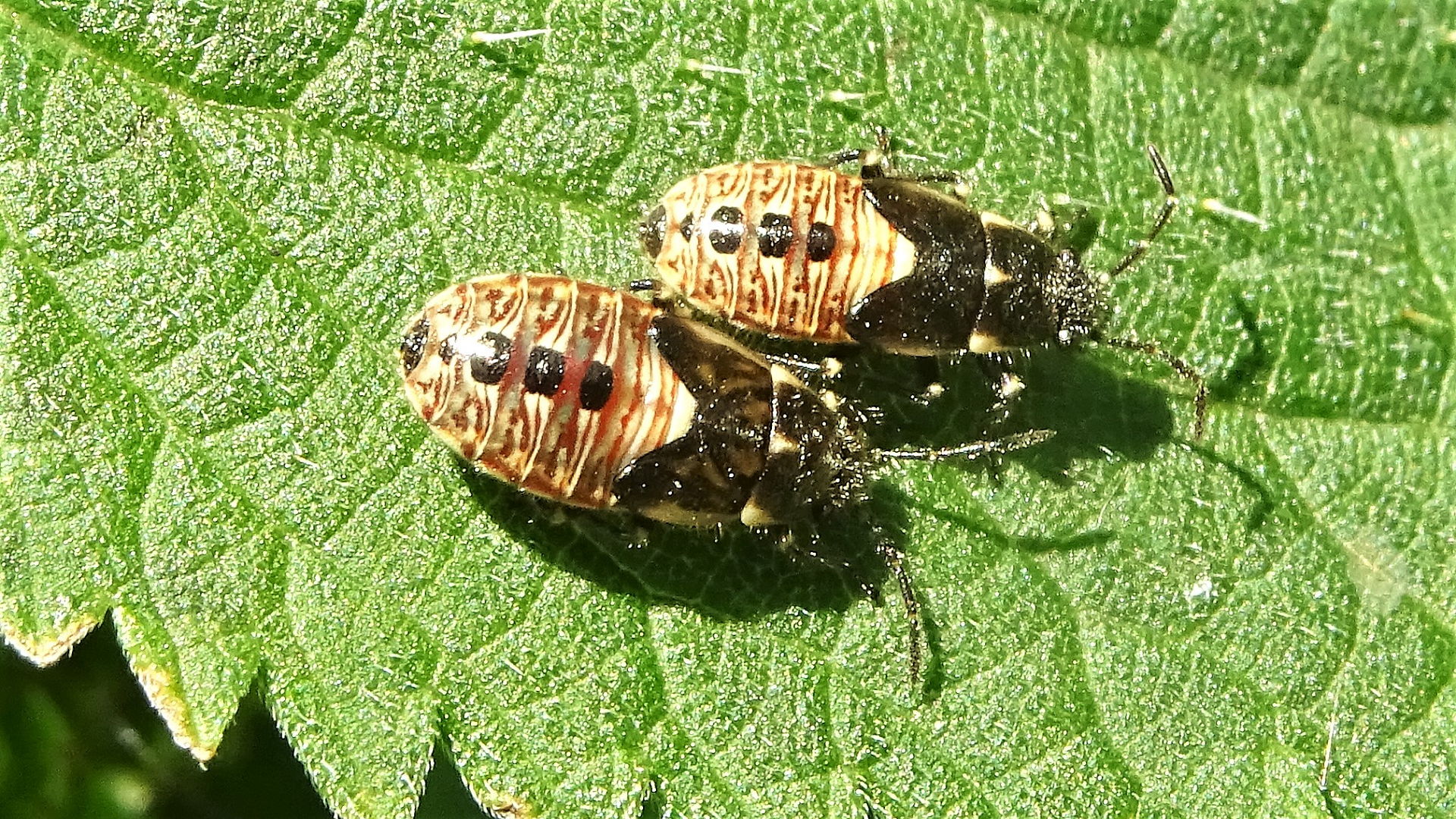
These are instar nymphs of the Nettle Ground Bug. They live on nettles.
#
Grass Snake
Natrix helvetica
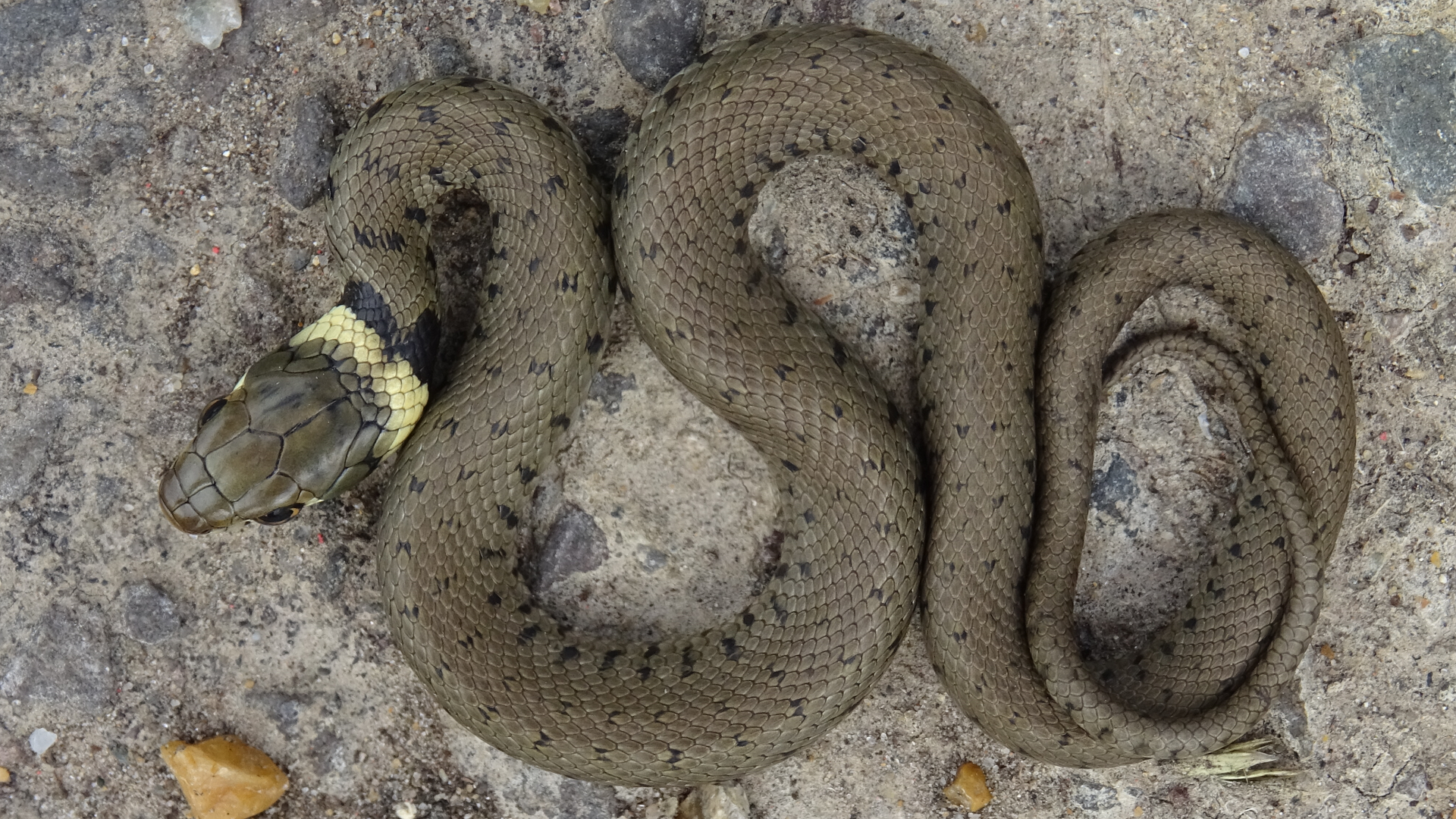
Grass Snakes have a yellow neck collar (although this may be missing on elderly females) and a body of dark green or brown. The underside is whitish with irregular blocks of black. They grow up to one metre long or occasionally a bit longer which makes them Britain's largest snake species. When cornered they hiss and if that fails to scare an intruder away they may pretend to be dead. When handled evil-smelling fluid is released from anal glands and stomach contents are regurgitated as a defence mechanism. Young hatch from eggs; the temperature must be at least 21 degrees C. for successful hatchings. Hibernation occurs from October to February under logs, in leaf litter and compost heaps. Grass Snakes have a special liking for wetland habitats where they are often found basking or swimming. They are strong swimmers and enter water to hunt amphibians and fish.
#
S
S
#
S
S
#
S
S
#
S

S
#
S

S
#
Ophonus ardosiacus
Ophonus ardosiacus
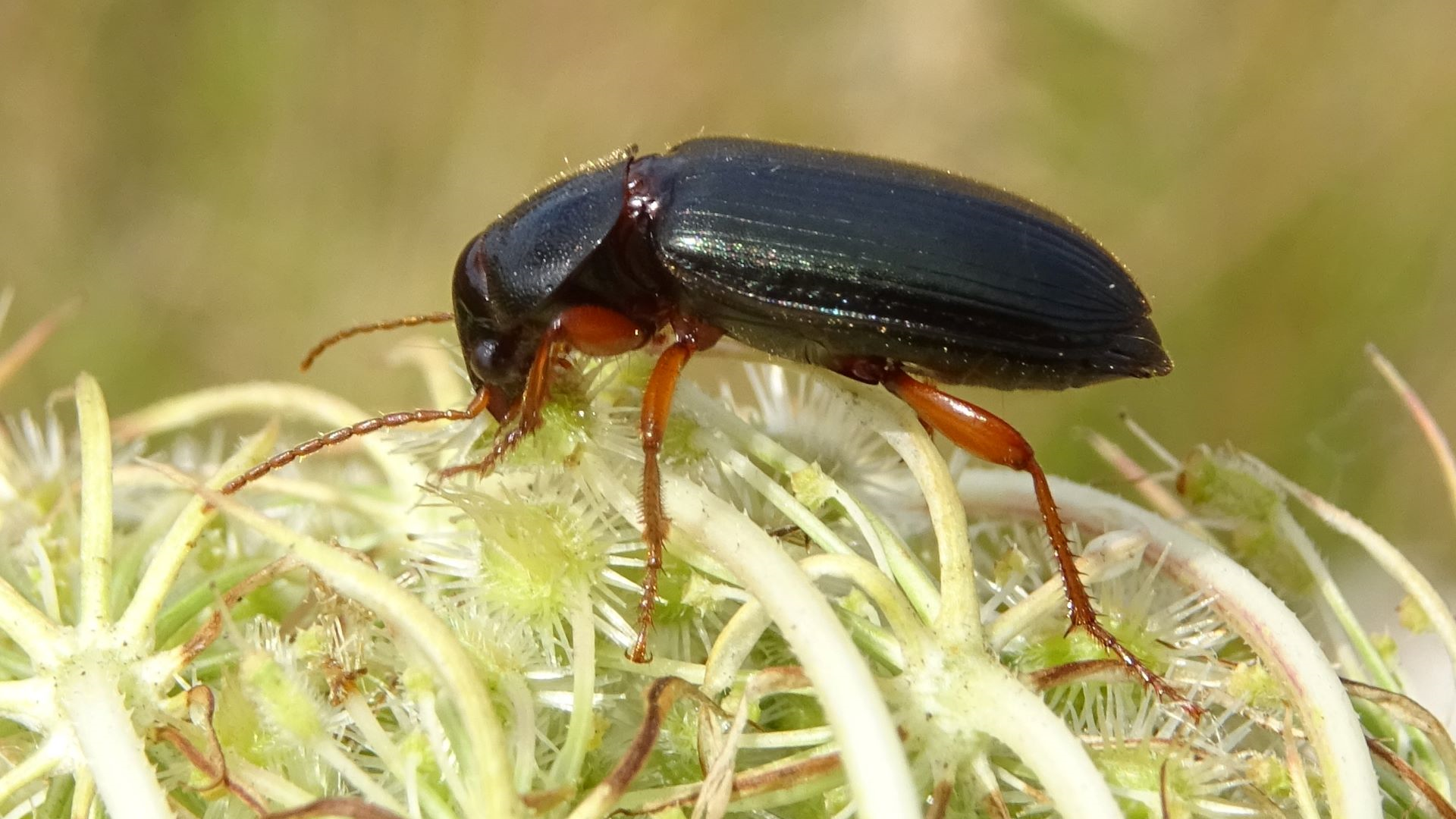
Ground Beetle (10-14mm long) found in open grassland on chalky and clay soils. Active from March until September with peak abundance from May until August. Adults are present throughout the year, overwintering in matted vegetation or soil. They feed on seeds of various plants, especially wild carrot. A rather variable species - the elytra vary from a bright dark blue to almost black. The legs are normally brown.
#
S
S
#
S
S
#
S
S
#
S
S
#
S
S
#
S
S
#
S
S
#
S
S
#
S
S
#
S
S
#
Common Masoner 41.002
Blastobasis adustella
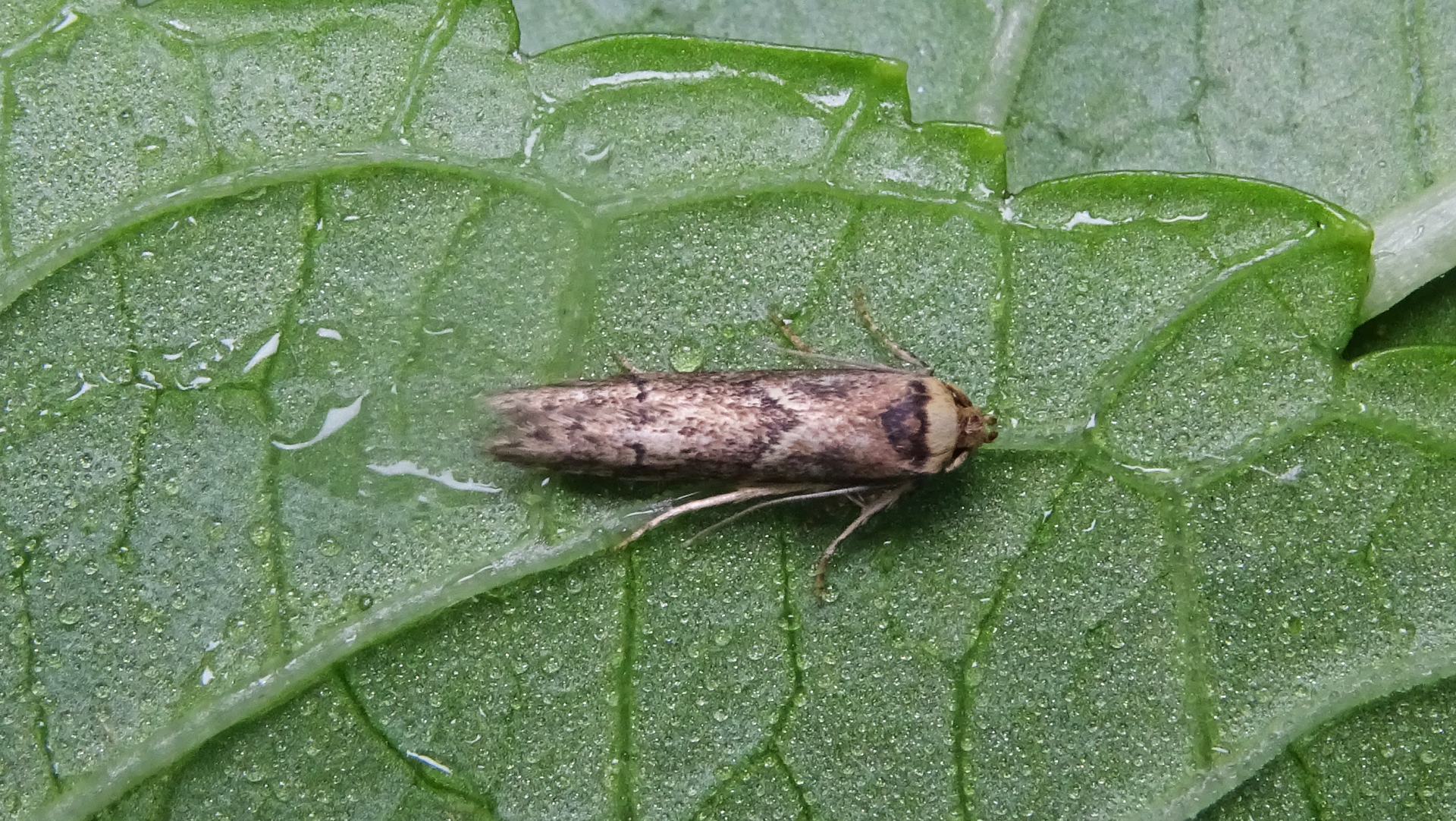
This species is variable with light and dark forms. There is usually a 'X' marking when viewed from above which assists with identification. Found in a range of habitats including woodland, heaths and gardens from July to September. Previously known as the 'Dingy Dowd'.
#
Jersey Tiger
Euplagia quadripunctaria
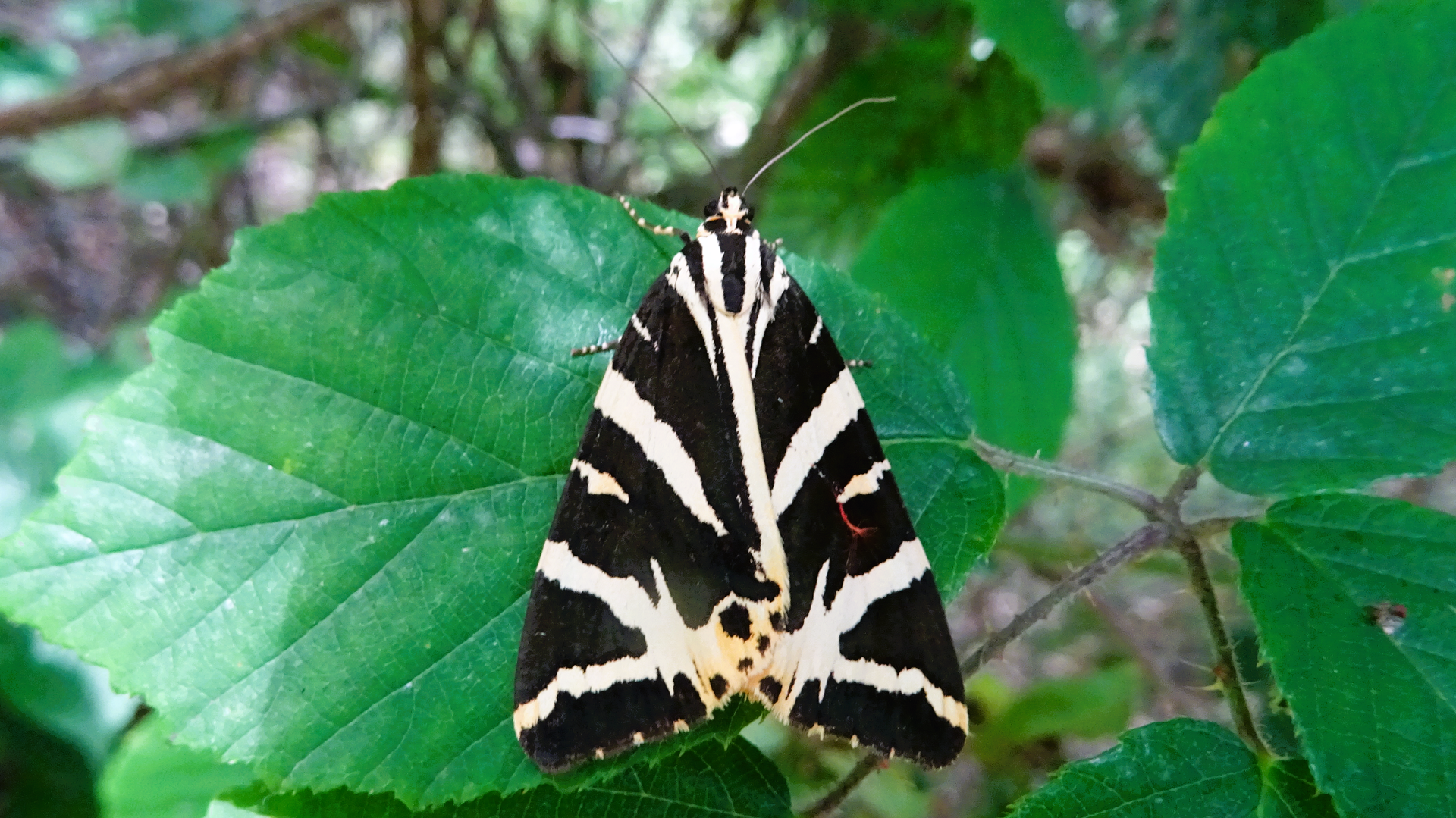
Originates from the Channel Islands and since 2017 has become a prolific sight in the Hainault area. It flies during daytime from July to September and many people mistake it for an orange-coloured butterfly when flying. The larvae feed on nettles, hemp-agrimony, plantains and other shrubs.
#
Rusty Acorn Piercer
Cydia amplana
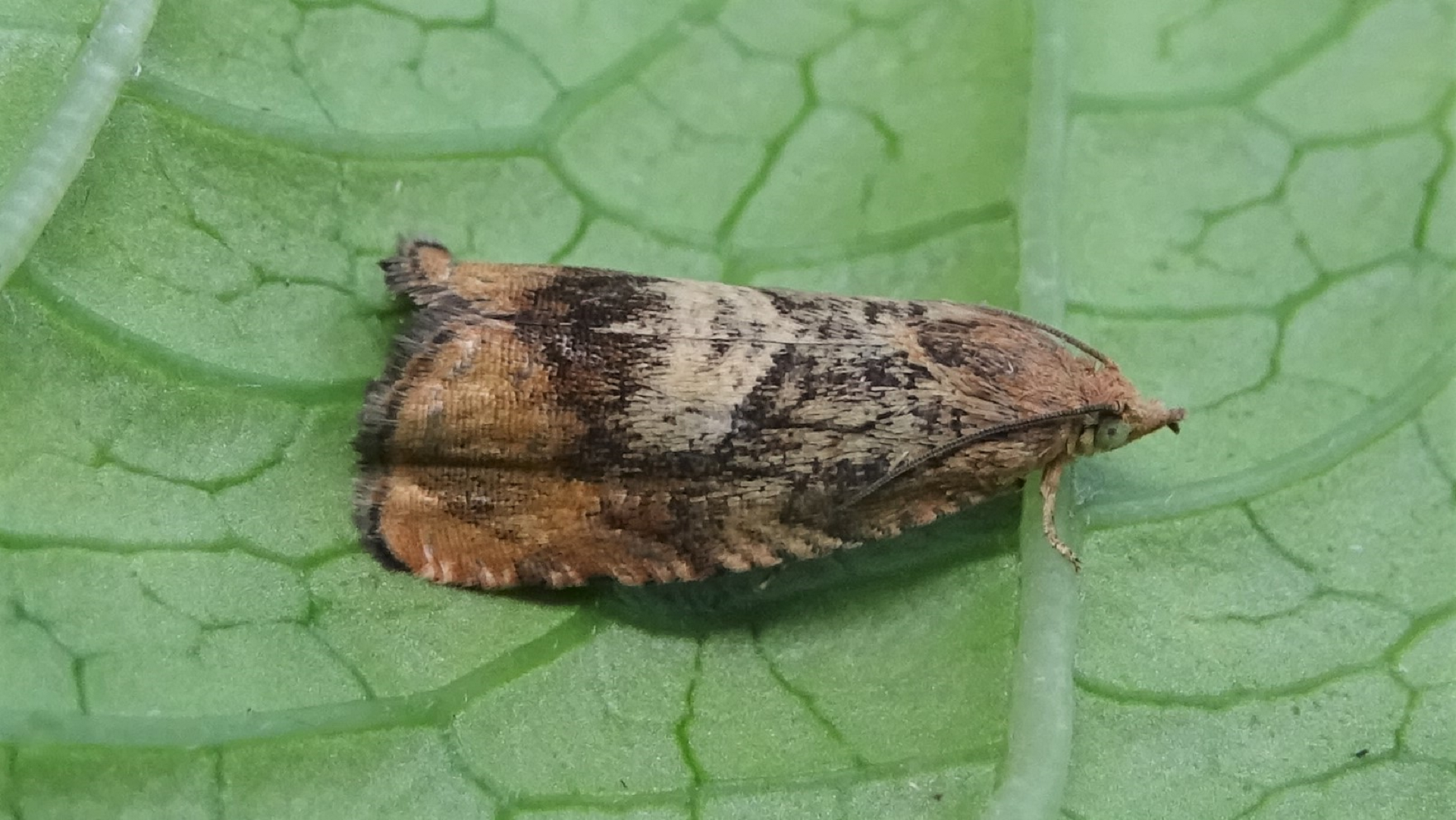
A migrant first recorded in Devon in 1990. Adults are usually seen in Britain during August. Its caterpillars are believed to feed on acorns and nuts, including Hazel, Walnut, Sweet Chestnut and Beech. Formerly known as 'Vagrant Piercer'.
#
S
S
#
White-headed Mompha 40.004
Mompha propinquella
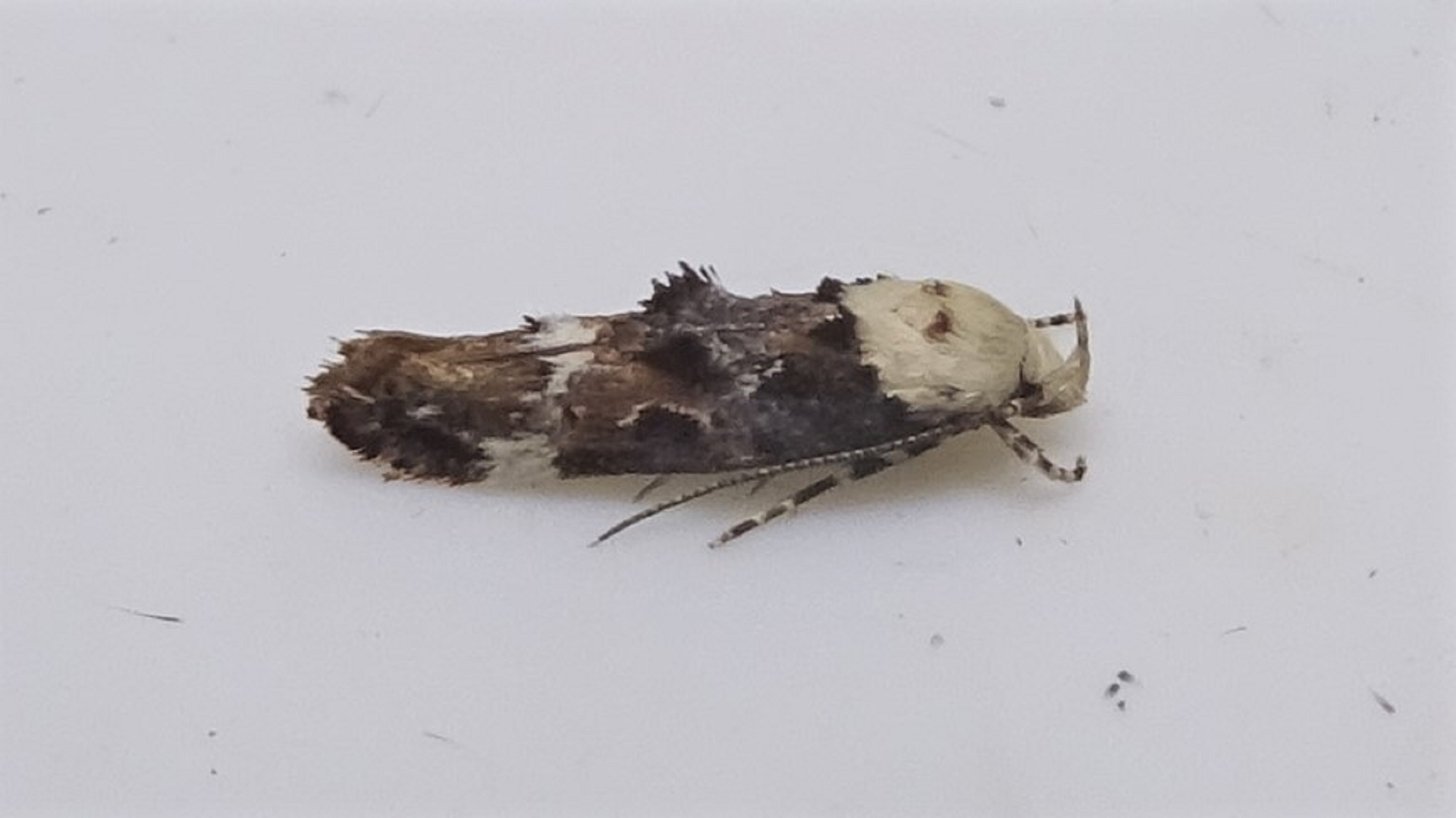
Common woodland species with raised scale-tufts. It flies during nighttime from June until September and is sometimes attracted to light. Its caterpillars feed on various willowherbs. Formerly known as 'Marbled Mompha'. It has a 12mm wingspan.
#
70.159
Cypress Pug Eupithecia phoeniceata
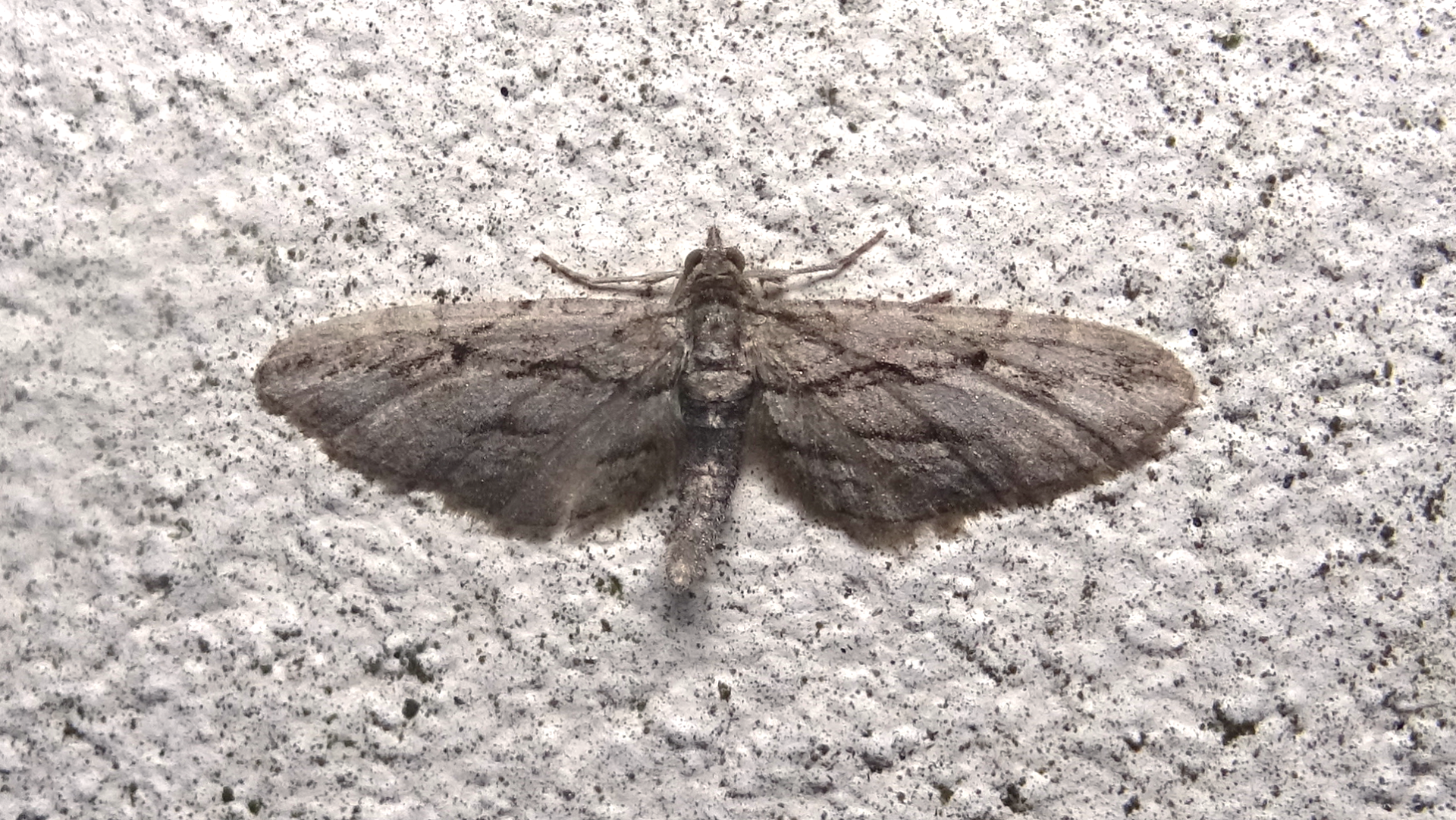
Cypress Pug arrived in this country by accident on garden conifers. Since the initial British record at Cornwall during 1959 it had now spread across most of southern England. August and September are peak flying months for this species.
#
Lime-speck Pug
Eupithecia centaureata
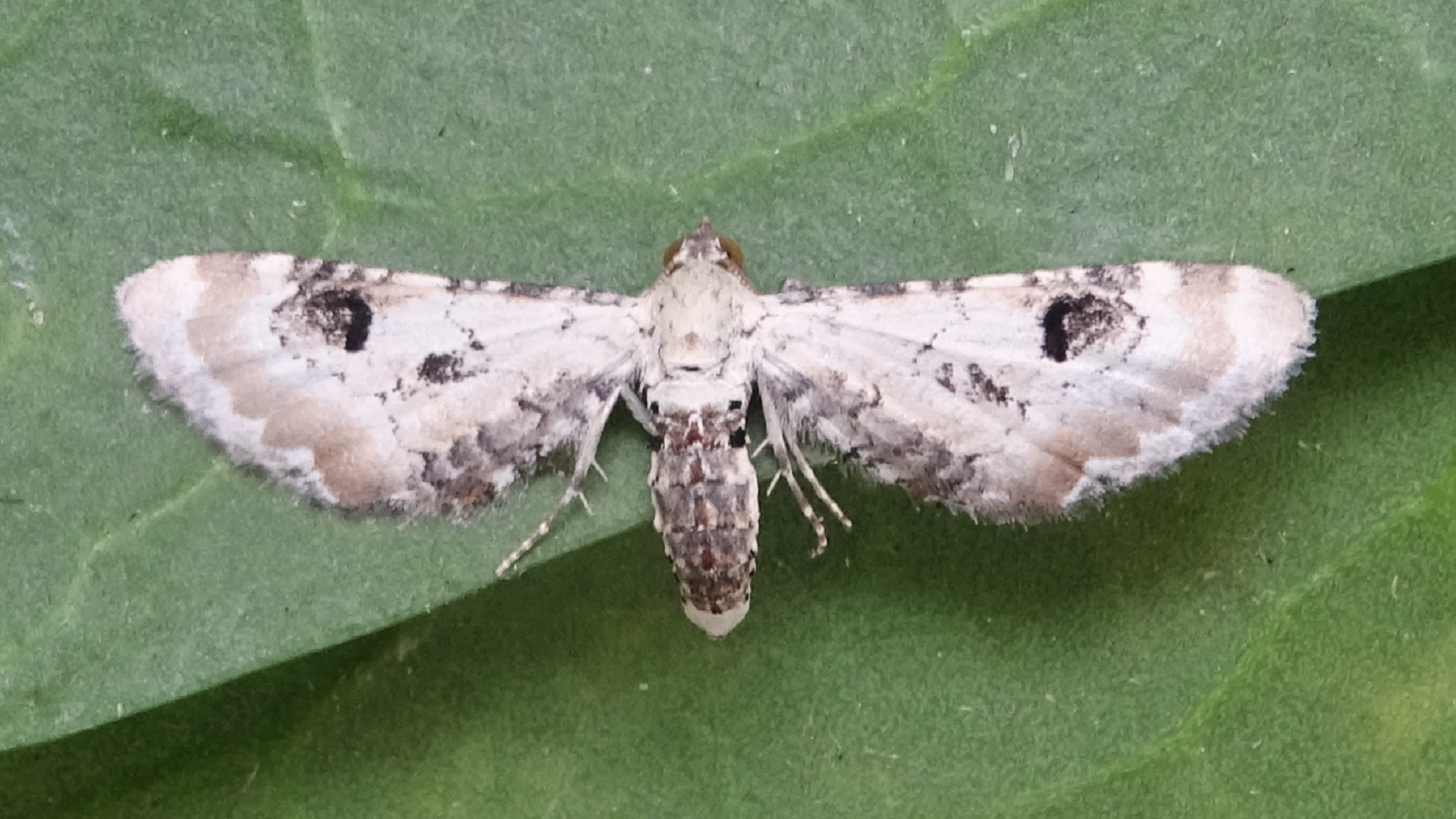
Flies from April to October in two broods. Its larvae feed on a wide range of plants.
#
S
S
#
S
S
#
S
S
#
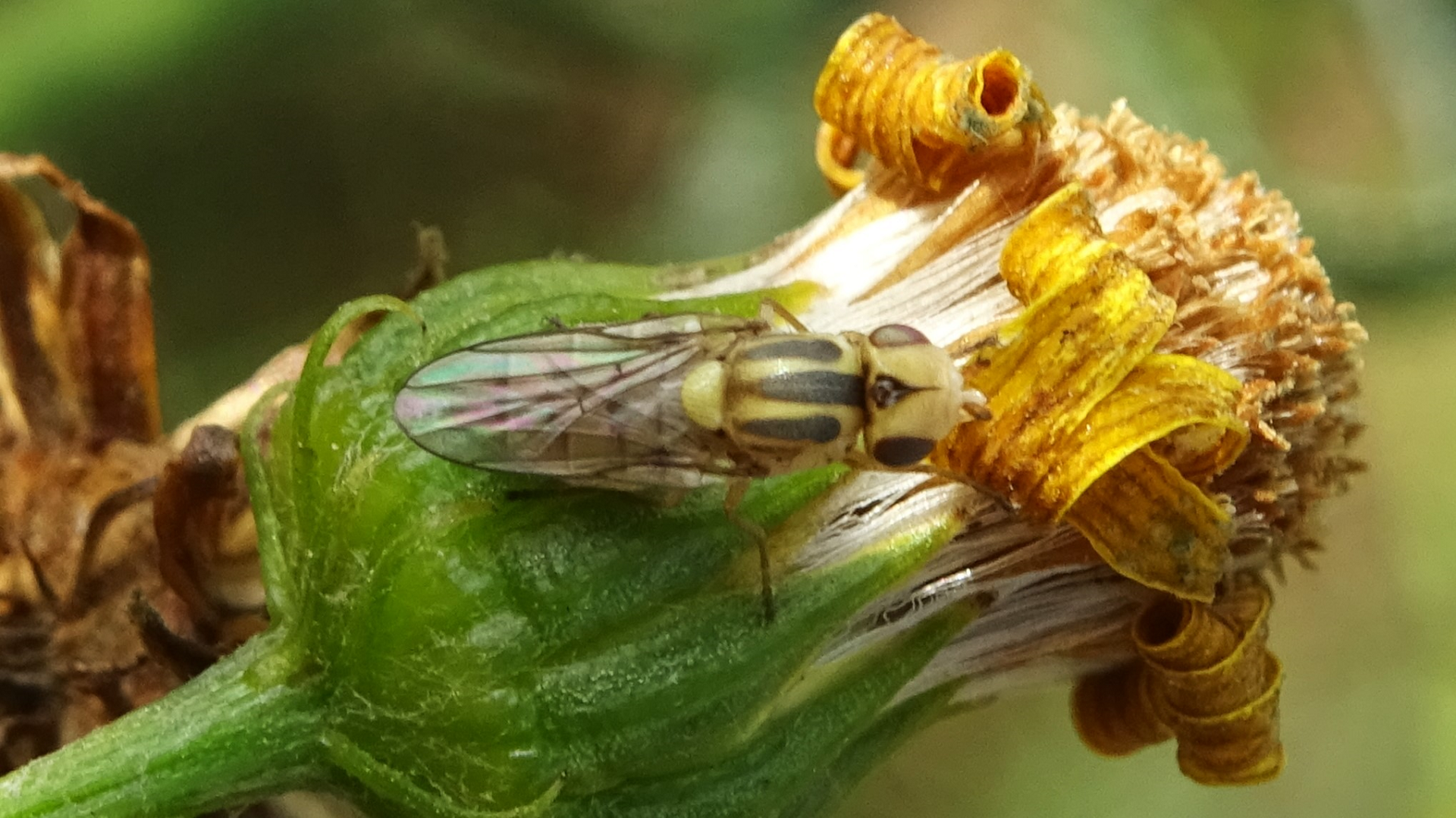
Thick-headed Fly
Sicus ferrugineus
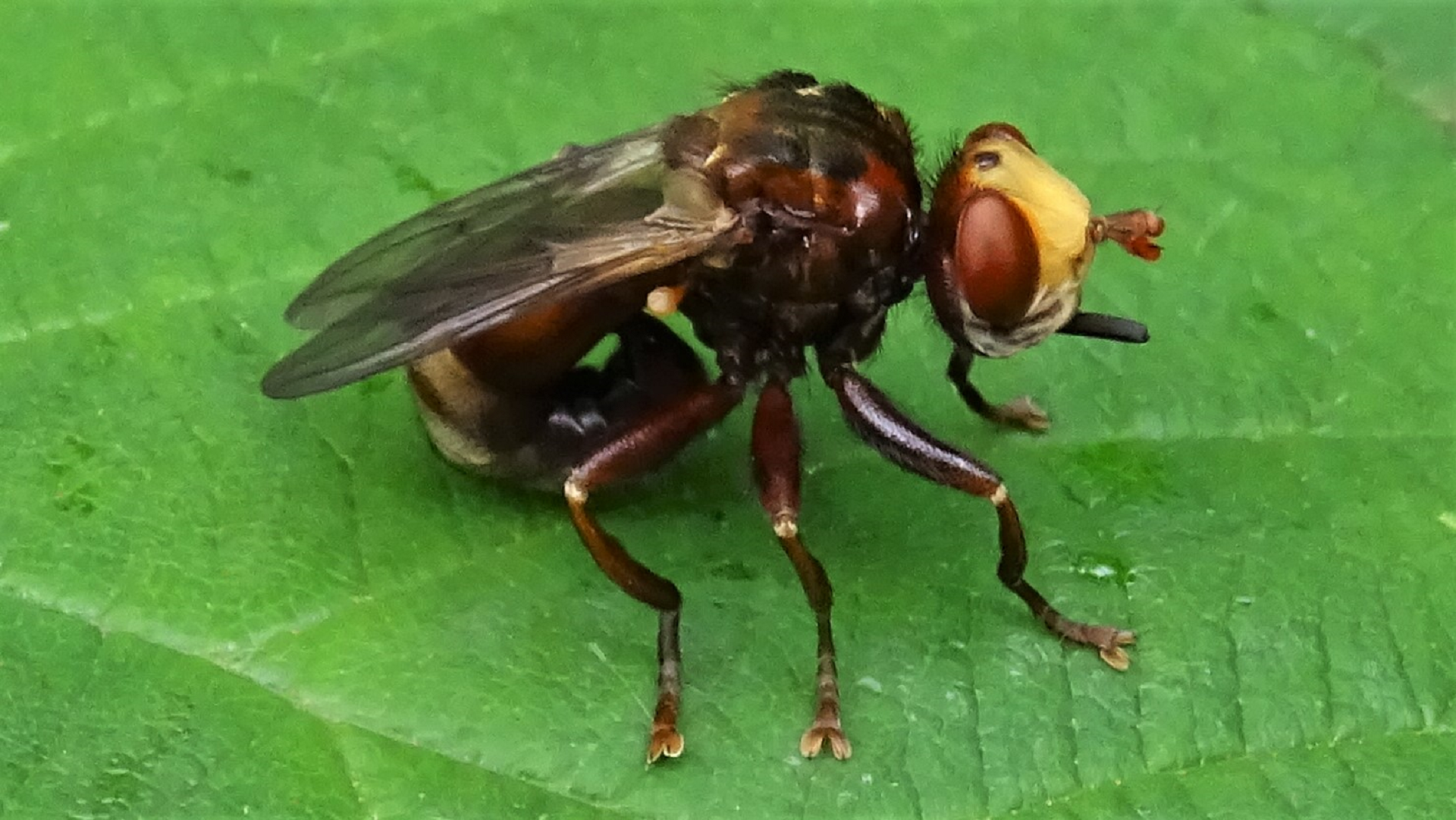
The Thick-headed Fly has a brown body and large yellow head with big brown eyes. It is seen from May until September when it is often found resting on hedgerows with the abdomen folded forward. It feeds on nectar and pollen.
#
Meadow Brown
Maniola jurtina
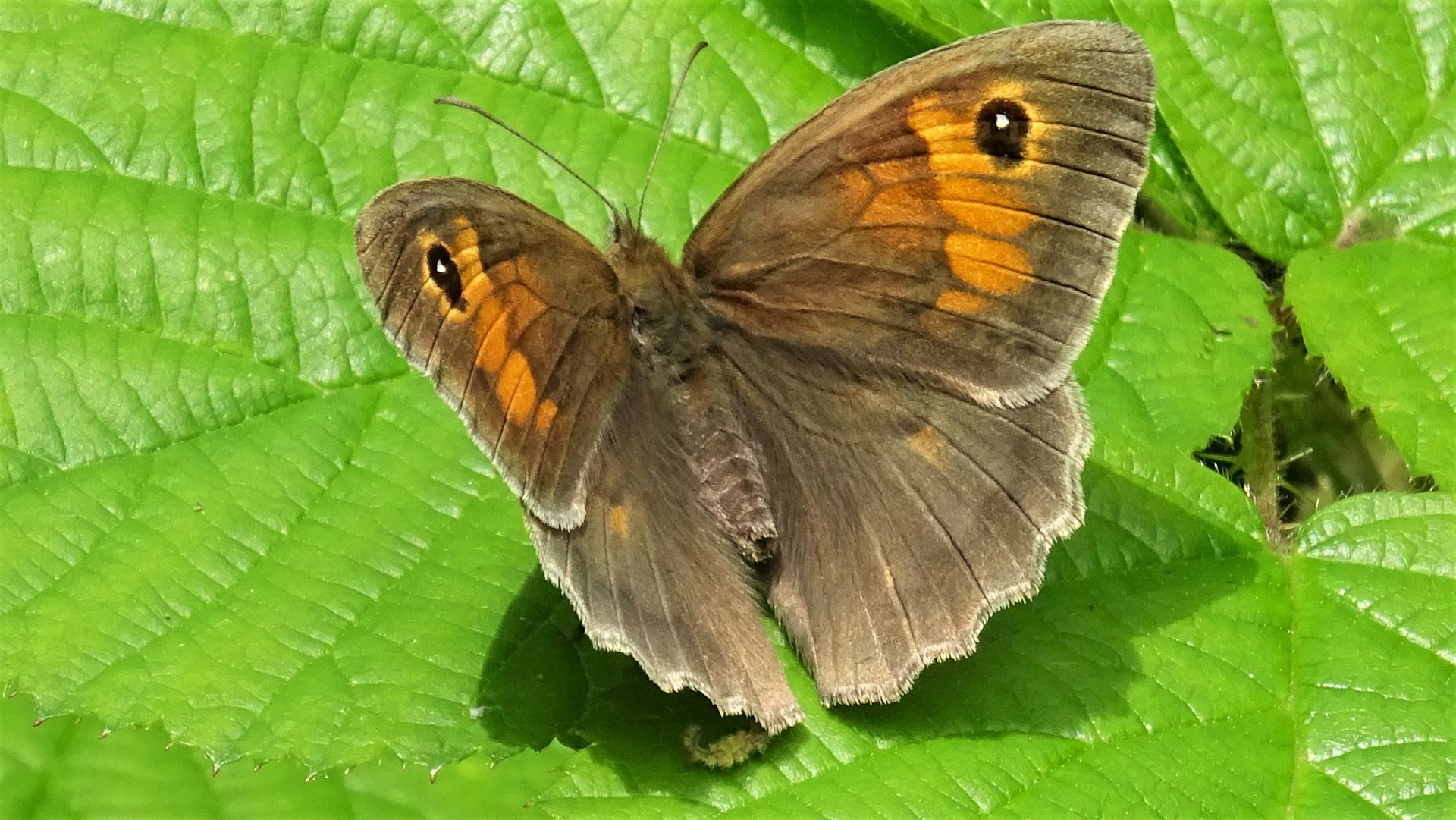
A common butterfly found in meadows above low vegetation. Adults can be seen flying in overcast conditions when many other butterflies remain inactive. They often rest with their wings closed.
#
Ringlet
Aphantopus hyperantus
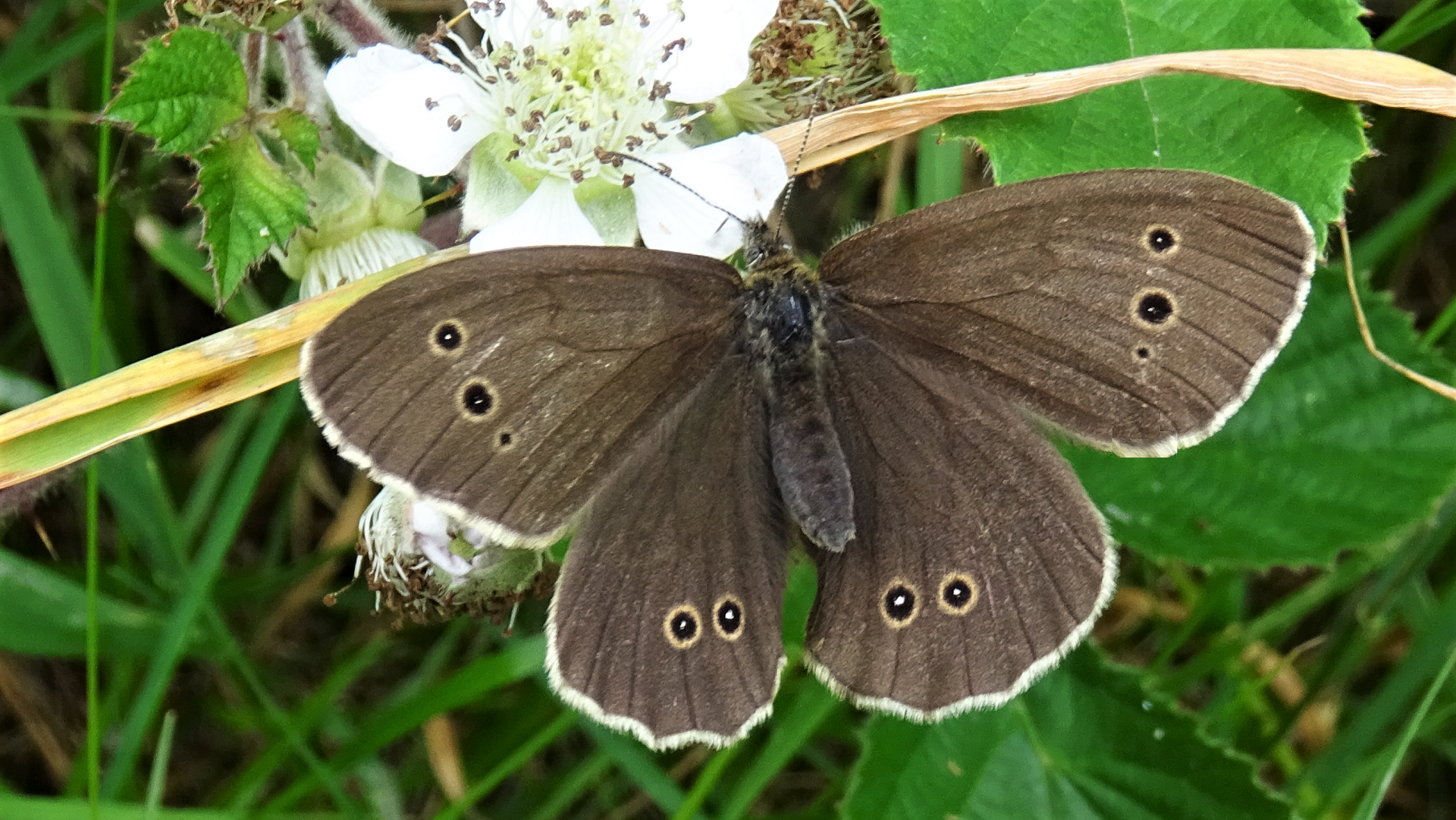
This is a medium-sized species measuring up to 50 mm in diameter. They are usually located flying near bramble along shaded forest paths. The larvae consume coarse grasses. The quantity and size of the wing spots can vary, and in some cases, the black rings may be absent.
#
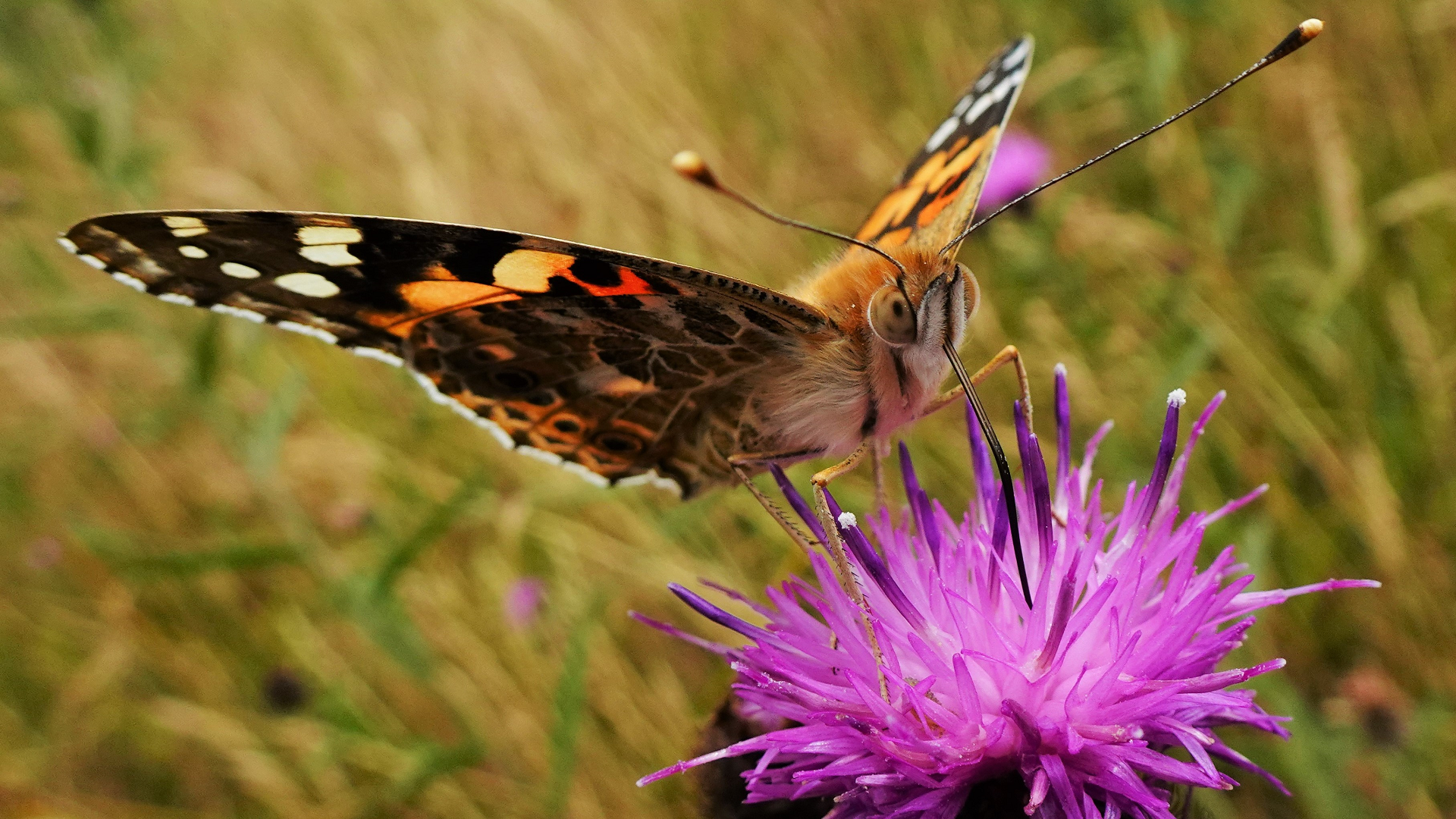
Painted Lady
Vanessa cardui
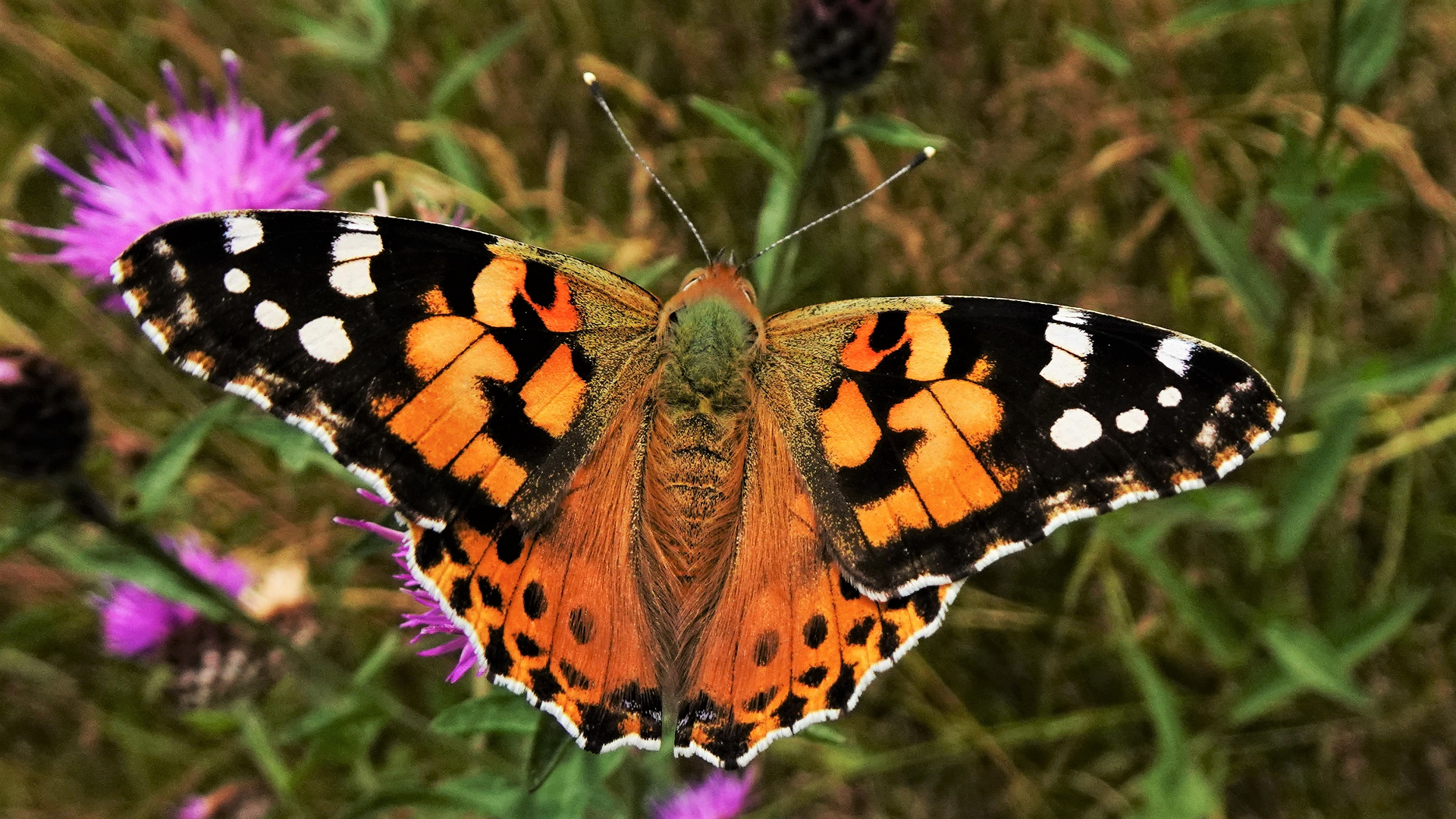
The Painted Lady butterfly comes from the Mediterranean annually and is typically observed in Britain between July and September.
#
Peacock
Aglais io
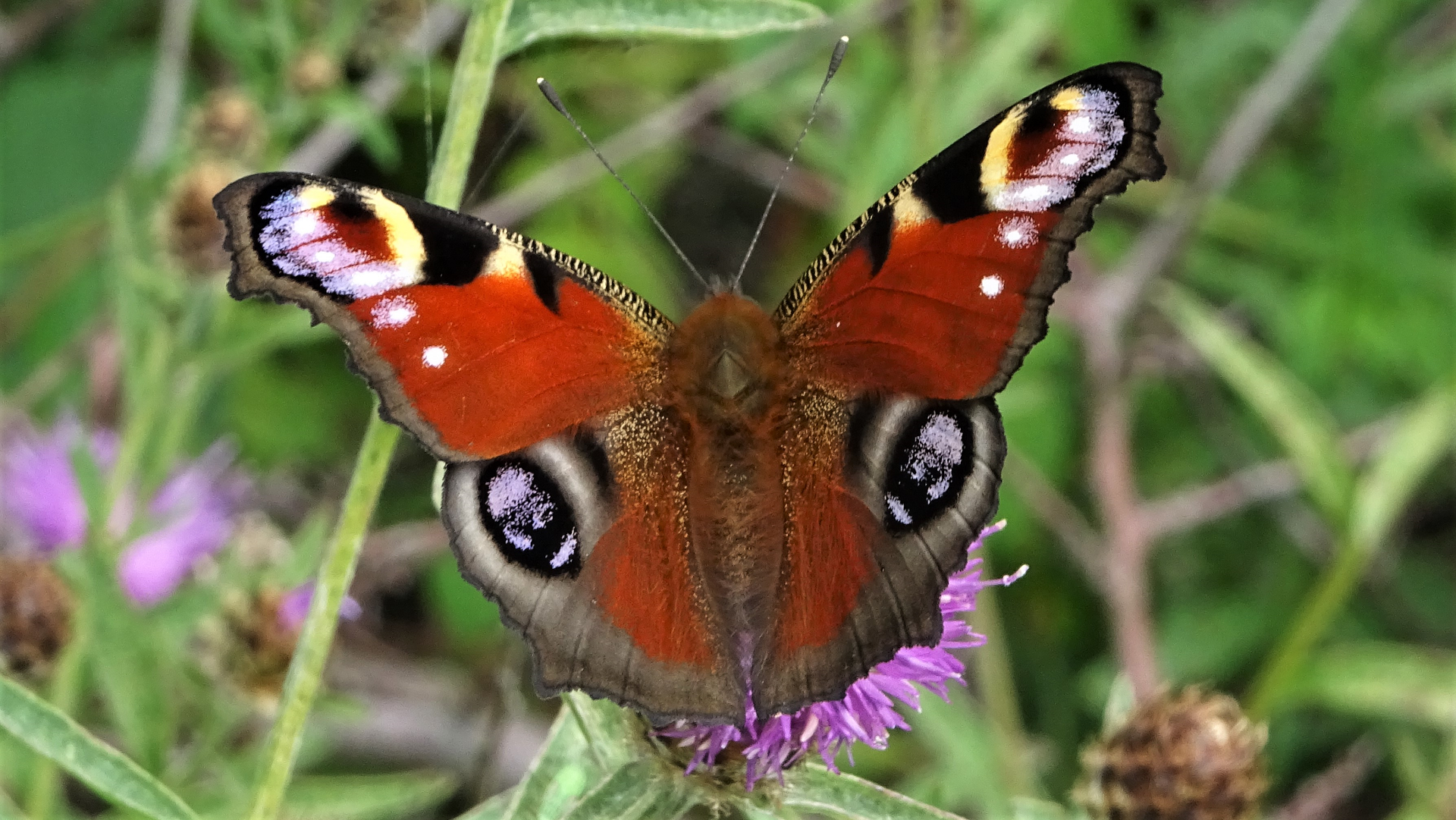
The Peacock Butterfly has spectacular wing spots that have evolved to startle and deter predators. The wing undersides resemble dead leaves. Peacocks are often found along sheltered woodland paths where they lay eggs on stinging nettles from which blackish caterpillars emerge to feed.
#
Comma
Polygonia c-album
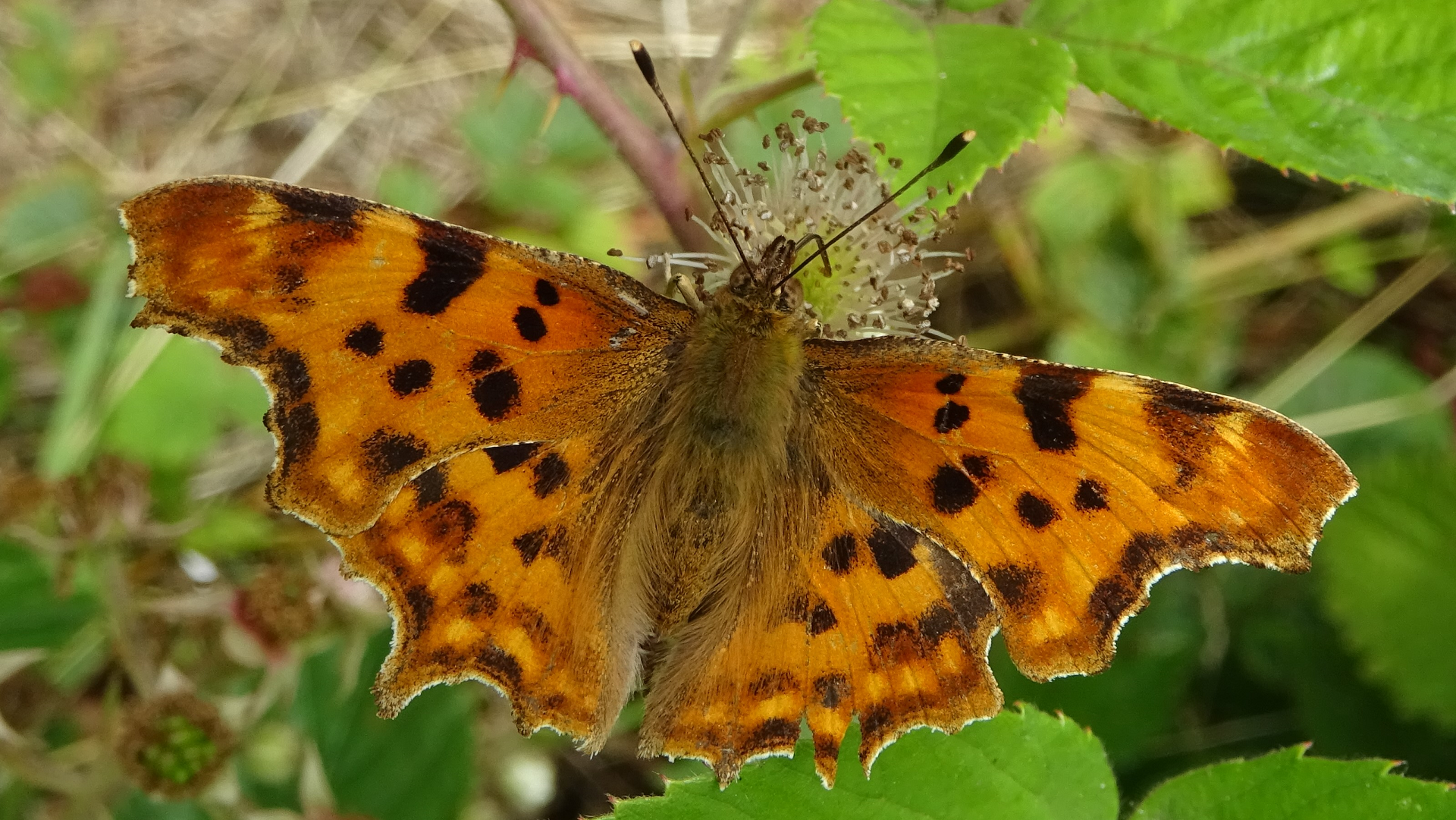
The Comma butterfly features jagged orange-brown upper wings accented with black and yellowish-brown markings. When at rest, it resembles a dried leaf. Comma butterflies prefer to rest on hedgerows in sunny areas. The name "Comma" comes from a small 'comma' mark found on the underside of their wings. Their caterpillars feed on nettles and hop plants.
#
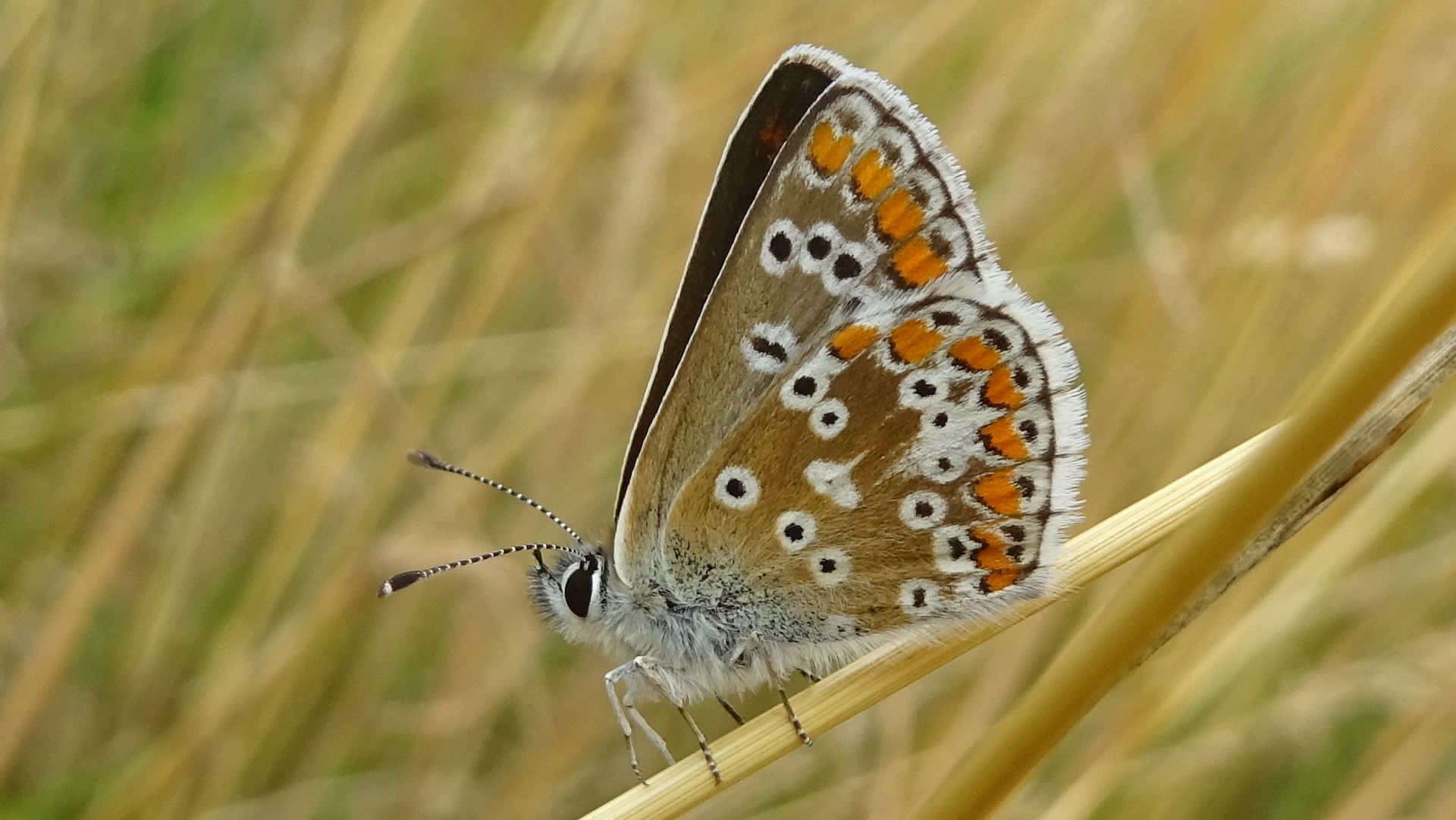
Brown Argus
Aricia agestis
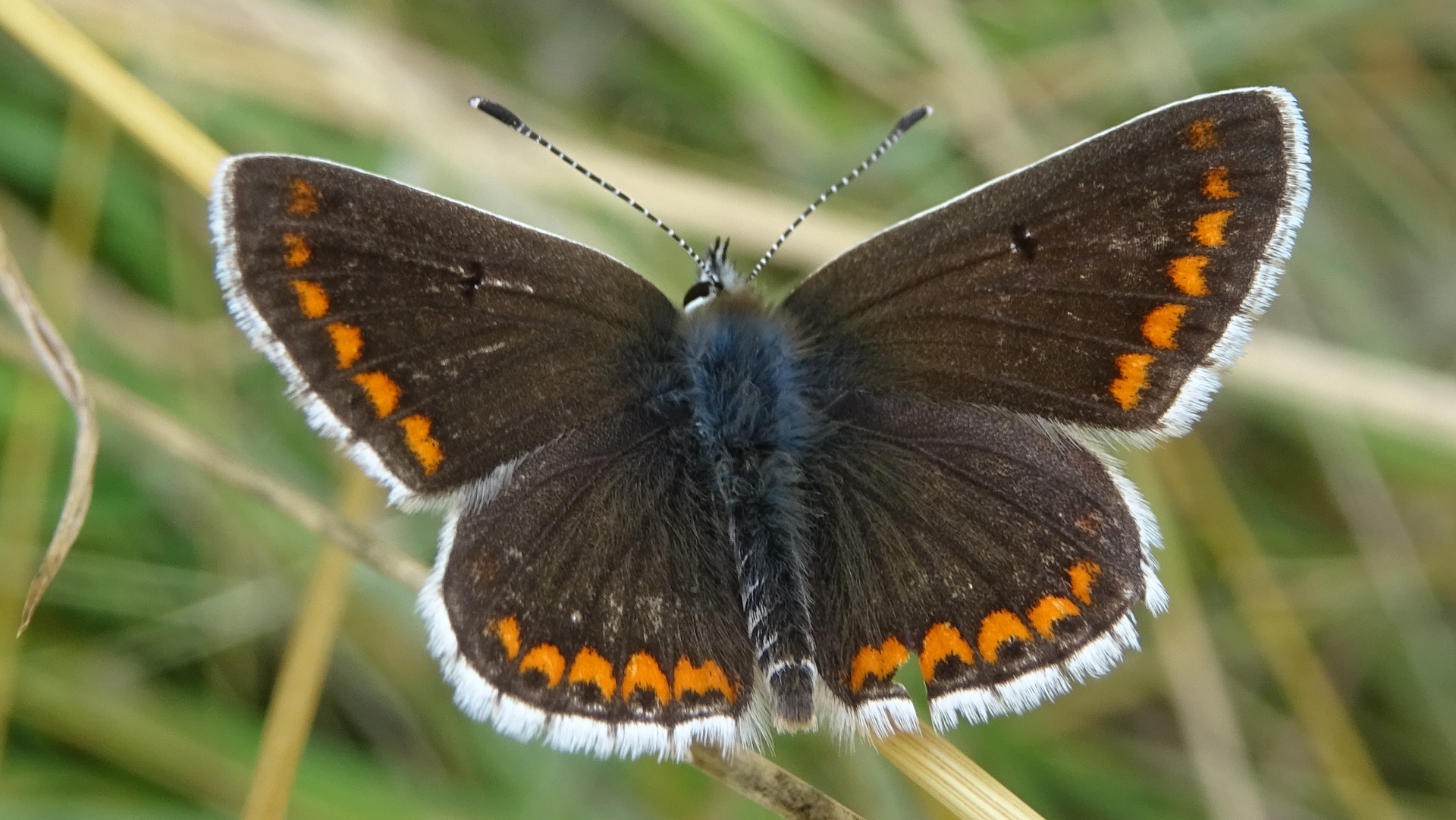
Brown Argus is a small grassland species that can be confused with a female Common Blue butterfly.
#
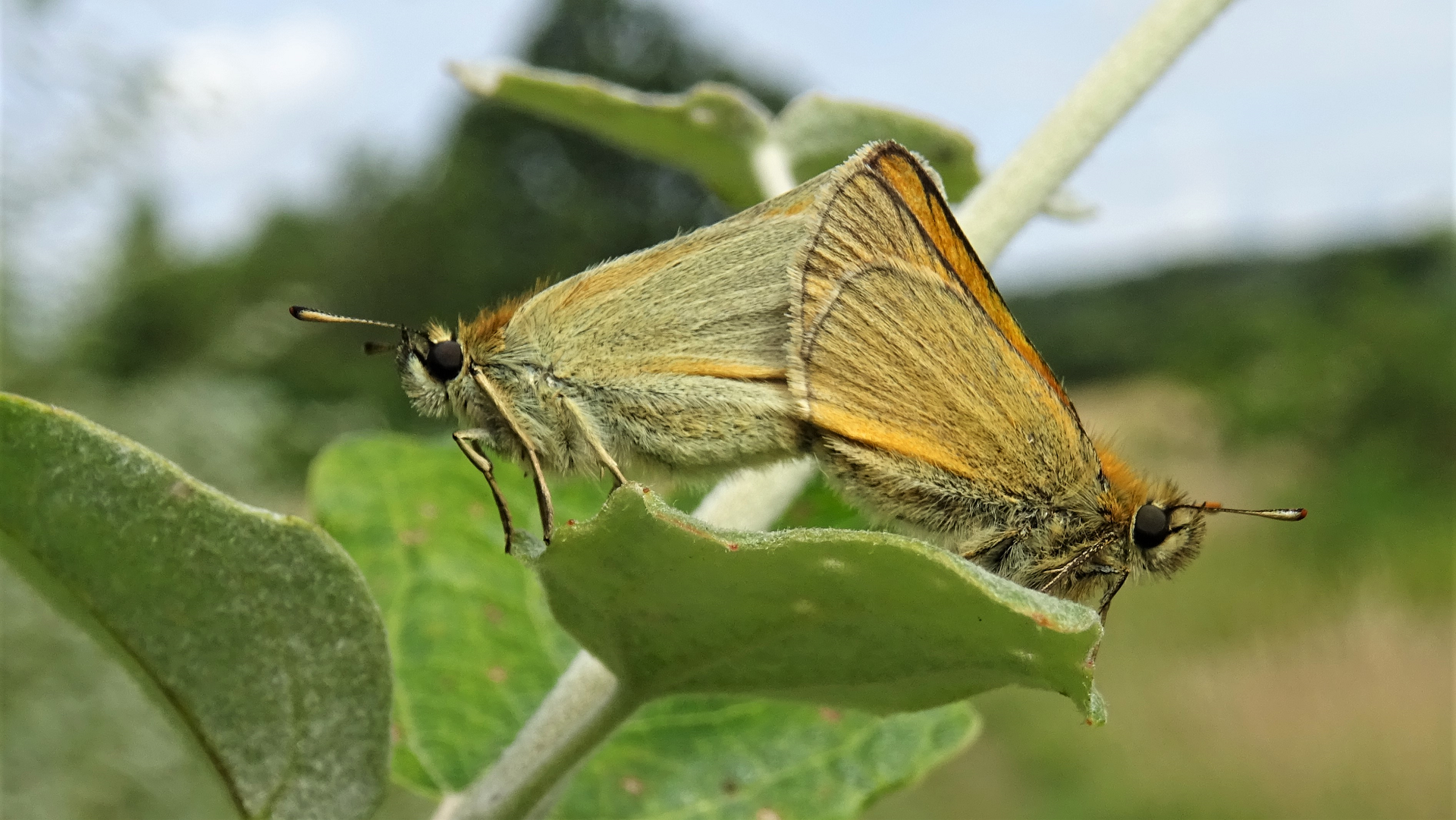
Small Skipper
Thymelicus sylvestris
Small Skippers and Essex Skippers have a similar appearance. To differentiate between the two species,
it is necessary to view the antennae from the front. If the antennae do not appear to be dipped in black ink, then the butterfly is a Small Skipper.
#
Small China-mark
Cataclysta lemnata
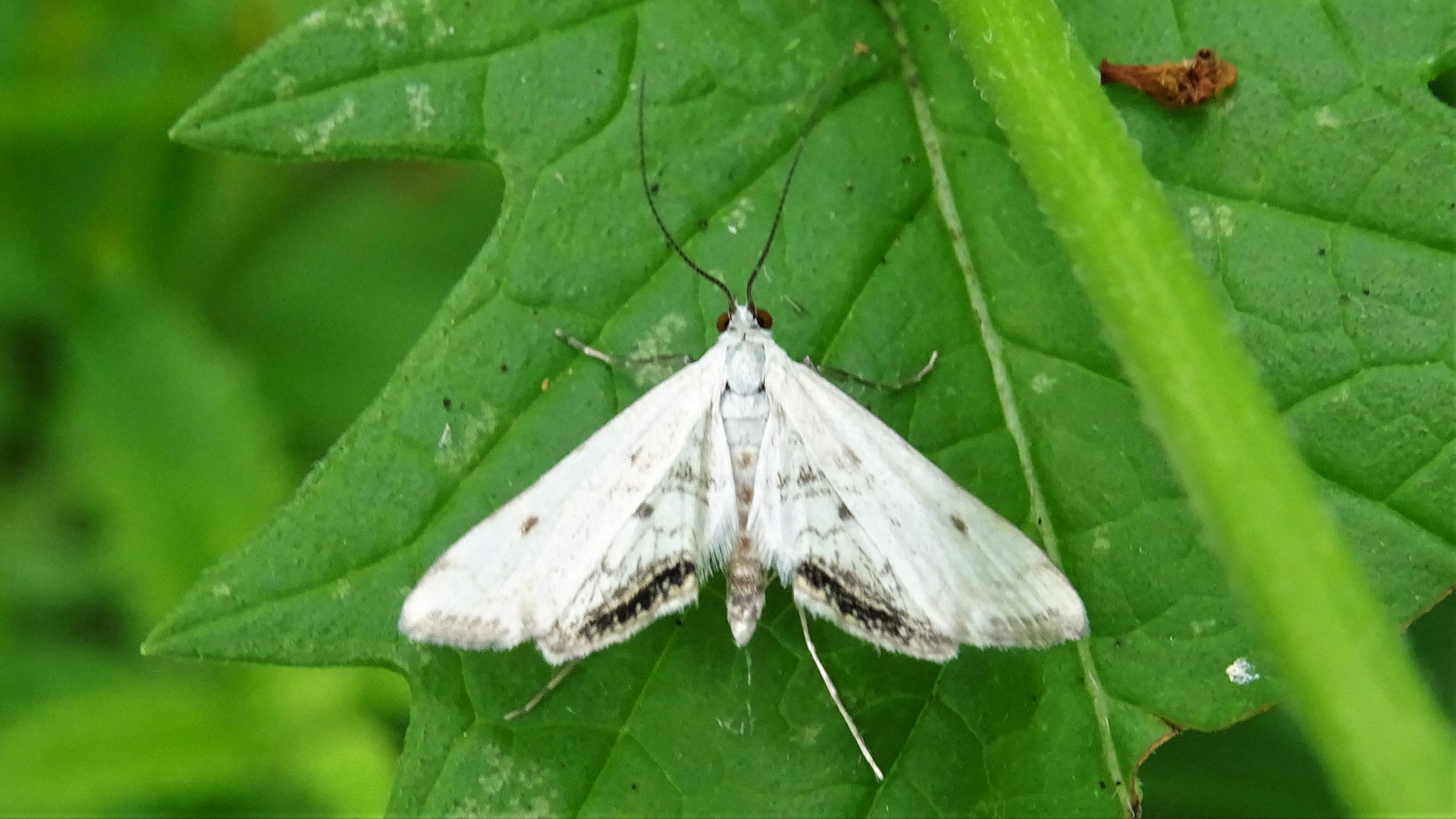
On the wing from June until August. This Moth is often spotted when waterside vegetation gets disturbed. Males are slightly smaller and whiter than the females. This species feeds on duckweed.
#
European Corn-borer
Ostrinia nubilalis
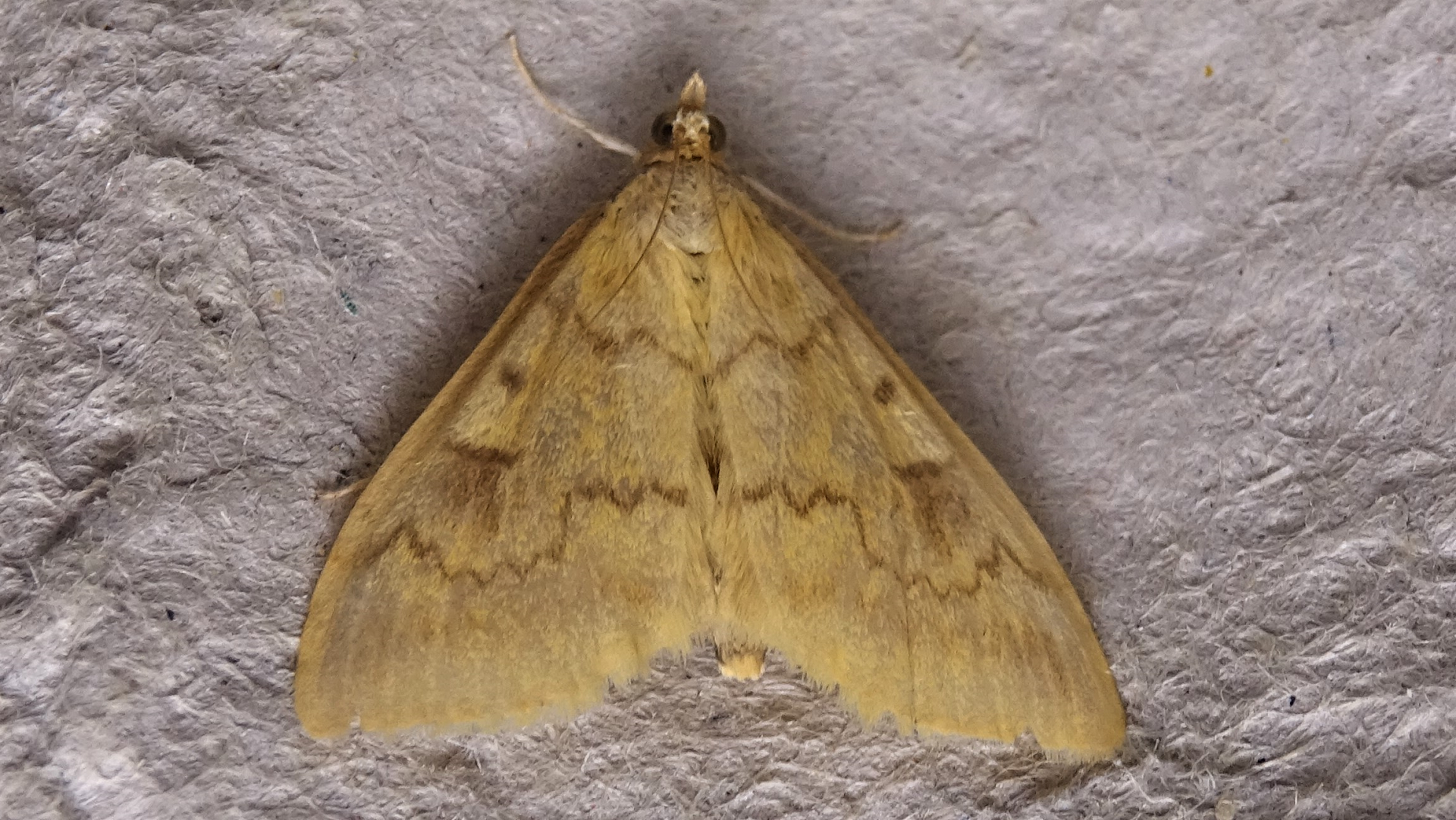
A rarely recorded migrant prior to the 1930s, but has since spread and colonised some parts of London and the south-east. Females are normally larger and have lighter colouration than males. Mugwort is the larval foodplant.
#
Oak Knot-horn
Phycita roborella
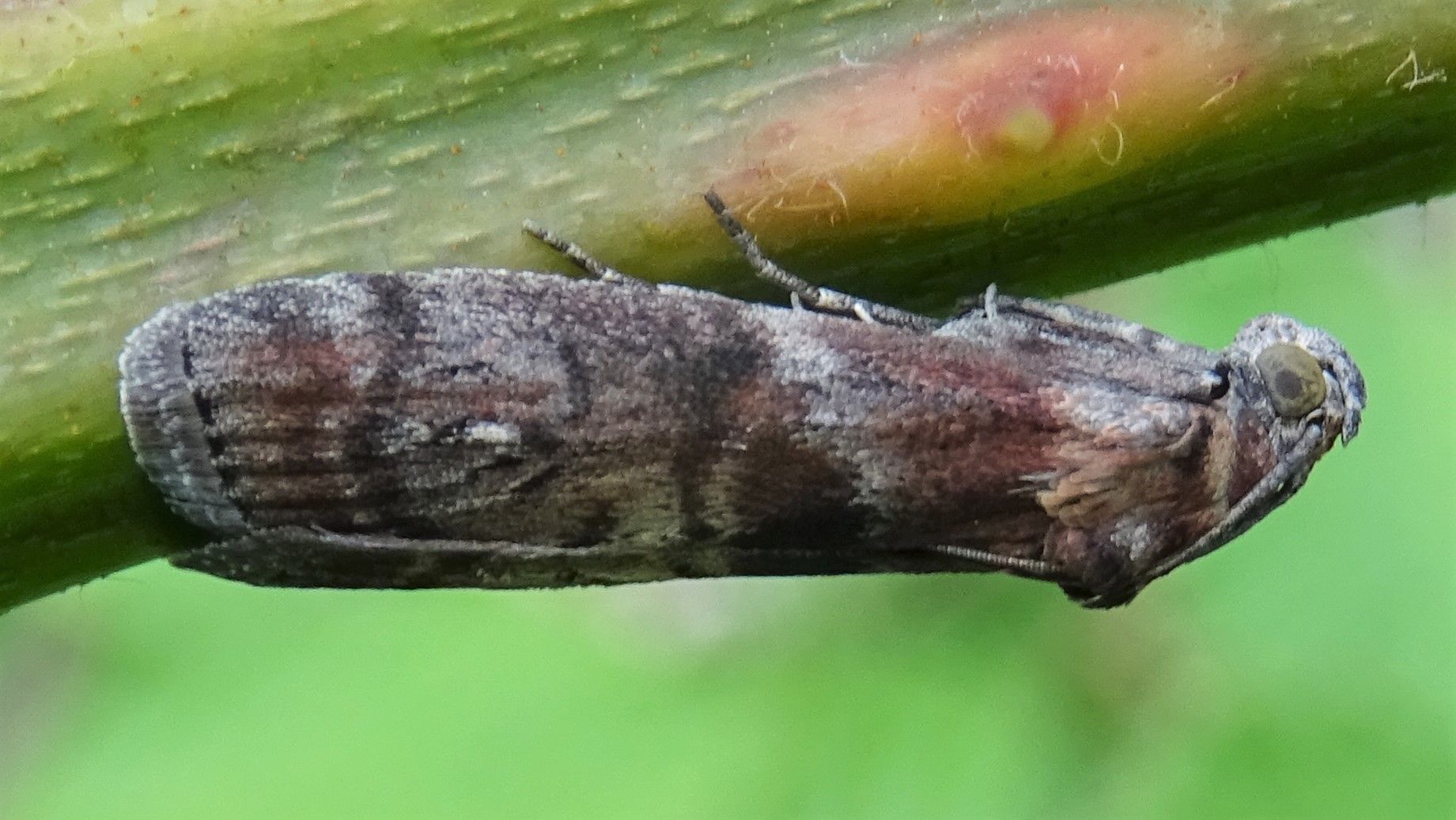
Woodland species that flies in July and August. Oak is the larval foodplant. Previously known as the 'Dotted Oak Knot-horn'.
#
Black Arches
Lymantria monacha
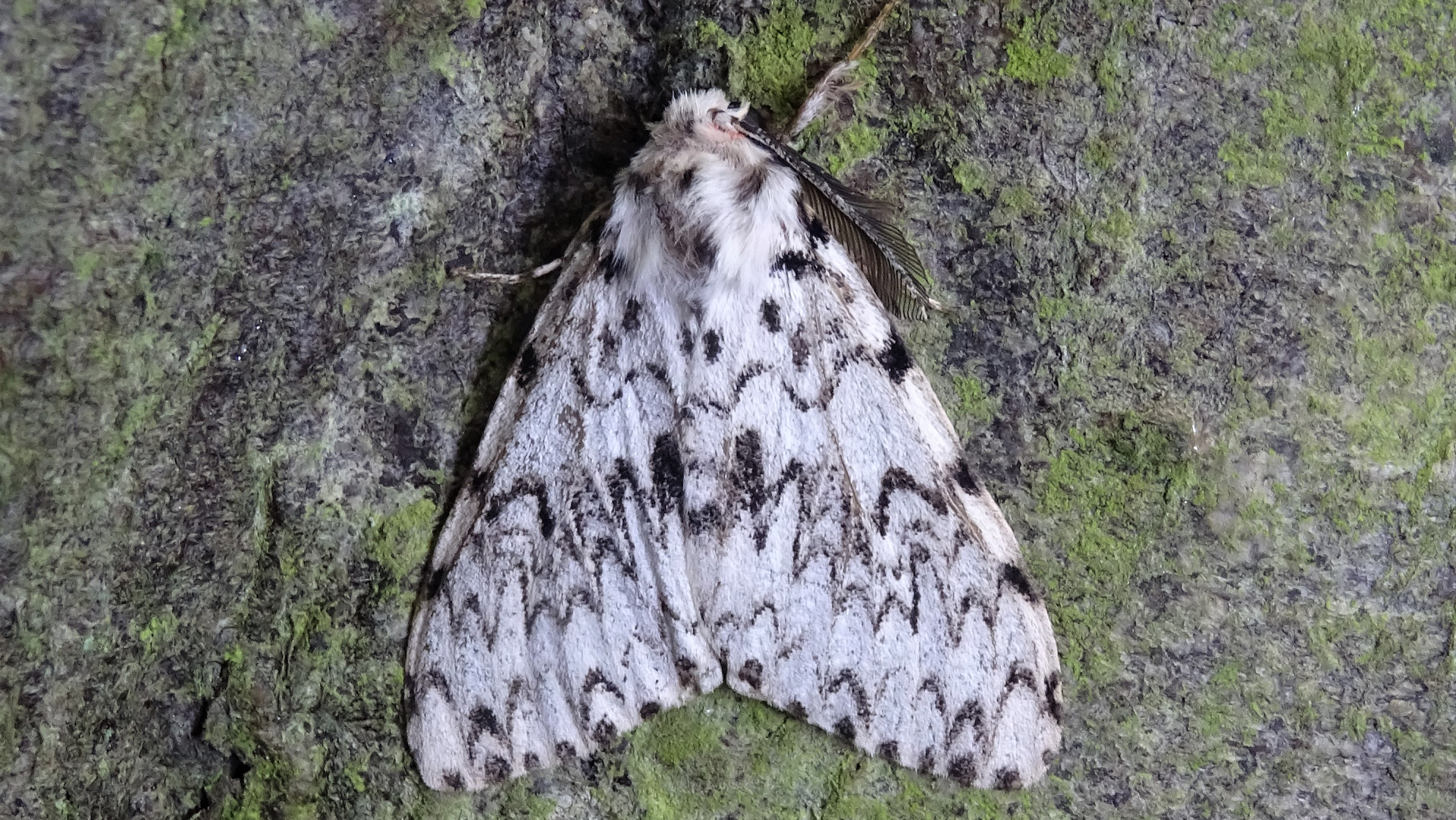
Frequents mature woodland and scrub containing Oak and is on the wing during July and August. Males have feathered antennae and are smaller than females. The larvae feed on Oak and sometimes coniferous trees in spring.
#
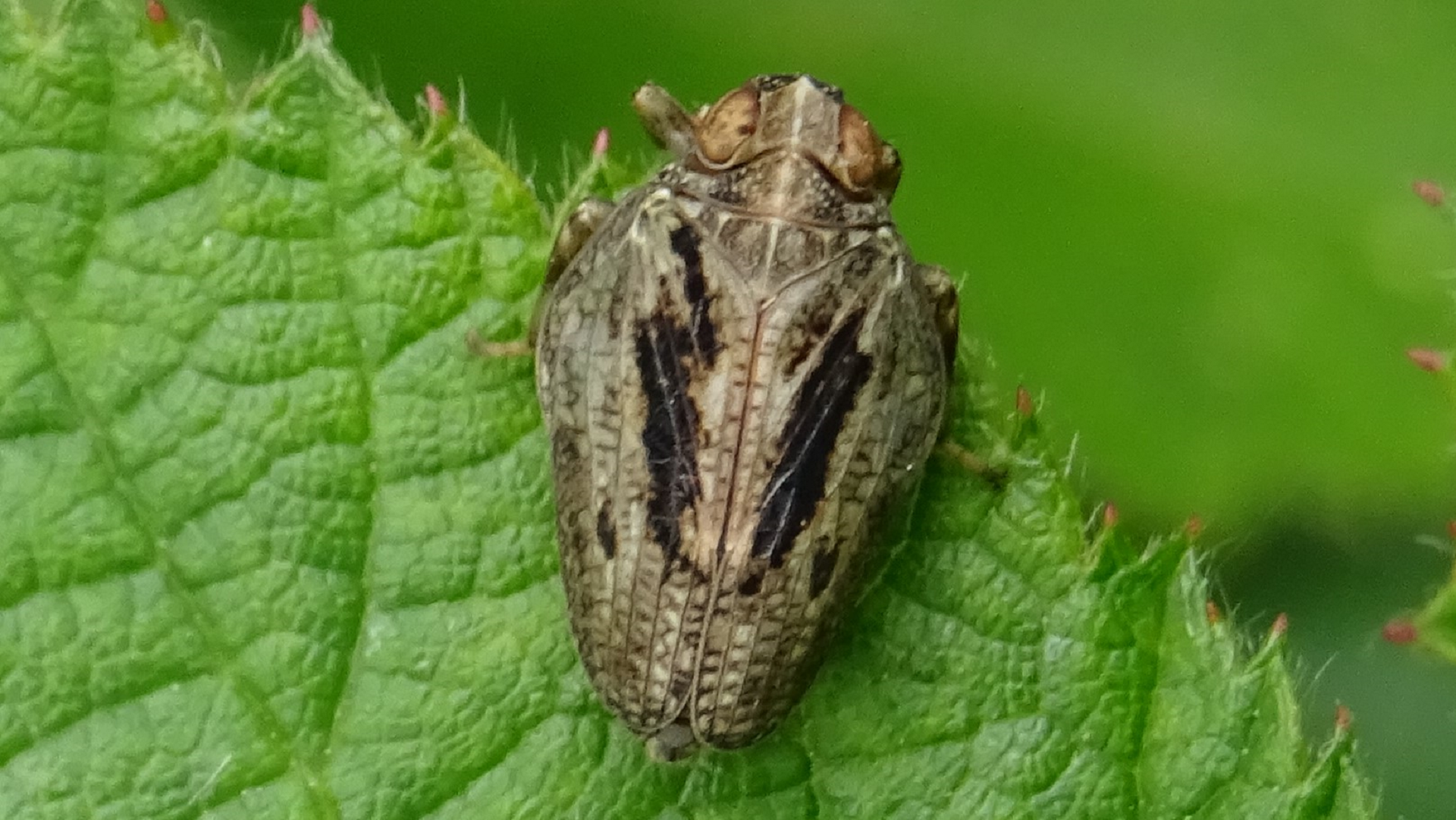
Common Issid Planthopper
Issus coleoptratus
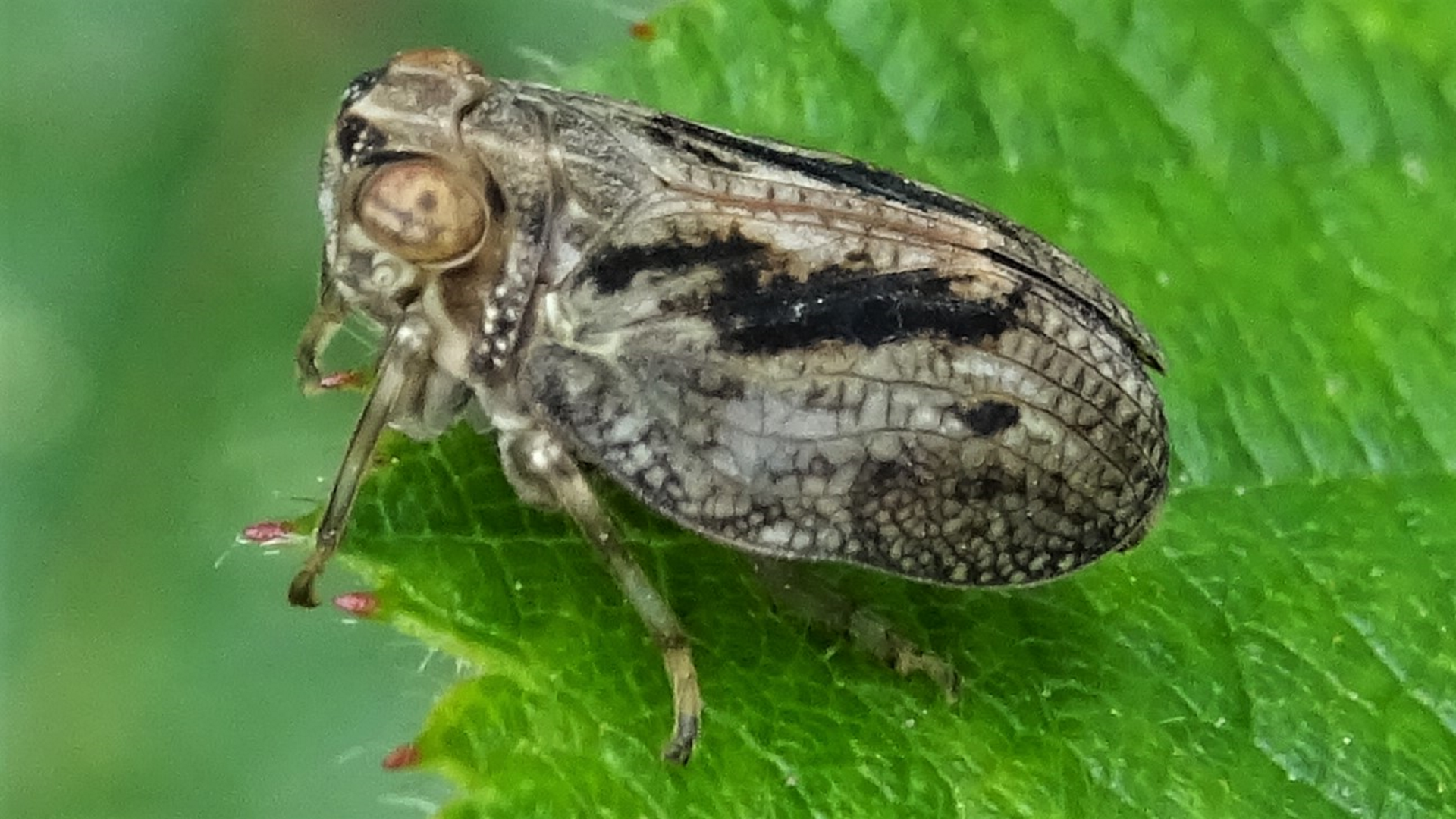
Common flightless planthopper (3-4mm long) that lives on shrubbery and on foliage of various deciduous trees, usually seen from May until October. The head, including the eyes, is narrower than the pronotum.
#
Dwarf Mallow
Malva neglecta
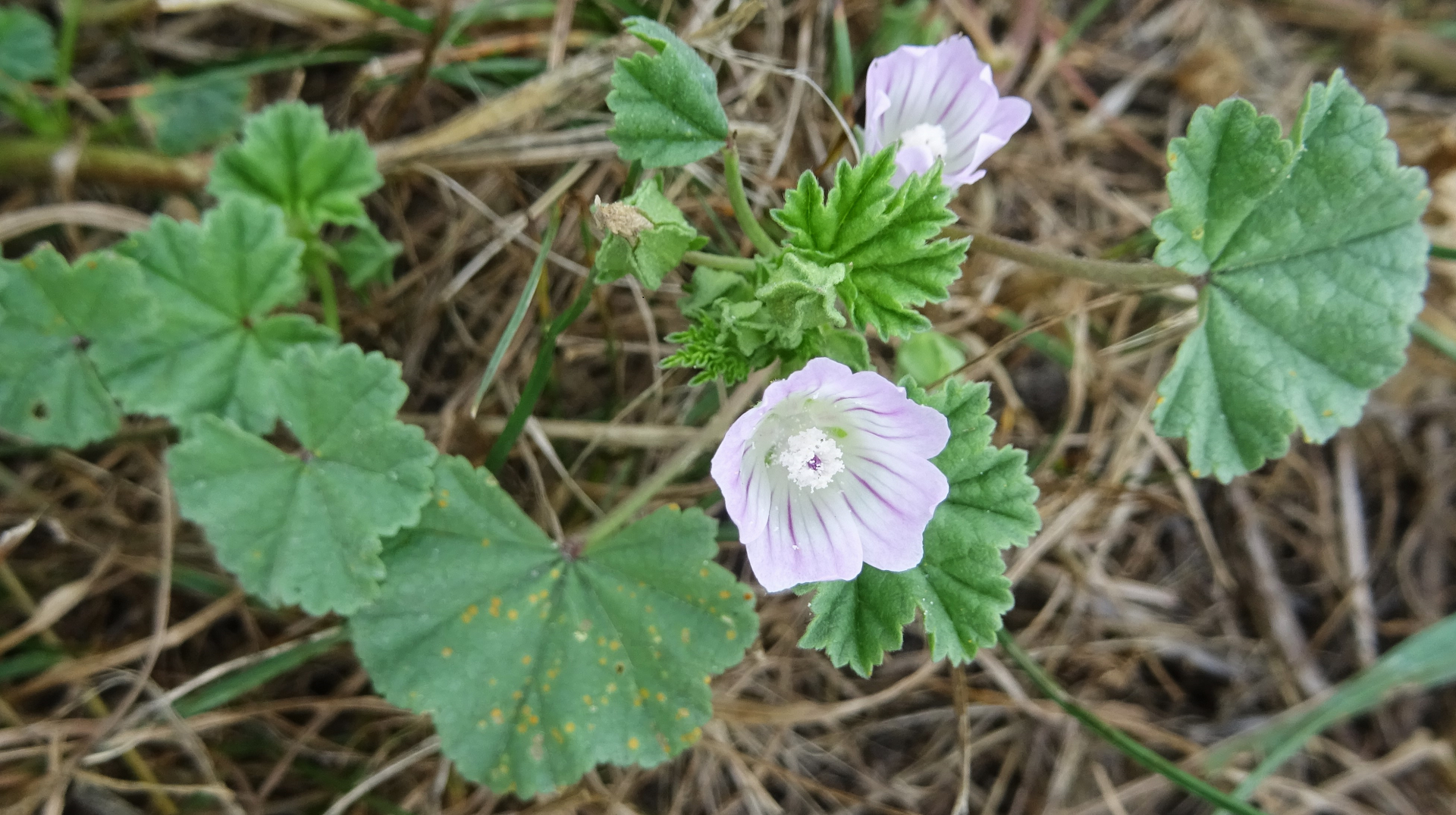
Dwarf Mallow is a hairy, spreading annual plant. Its lilac flowers, which have dark veins and measure 15-25 mm, bloom from May to September in dry, disturbed areas. The leaves are either round or kidney-shaped and have very shallow lobes.
#
Handsome Plant Bug
Harpocera thoracica
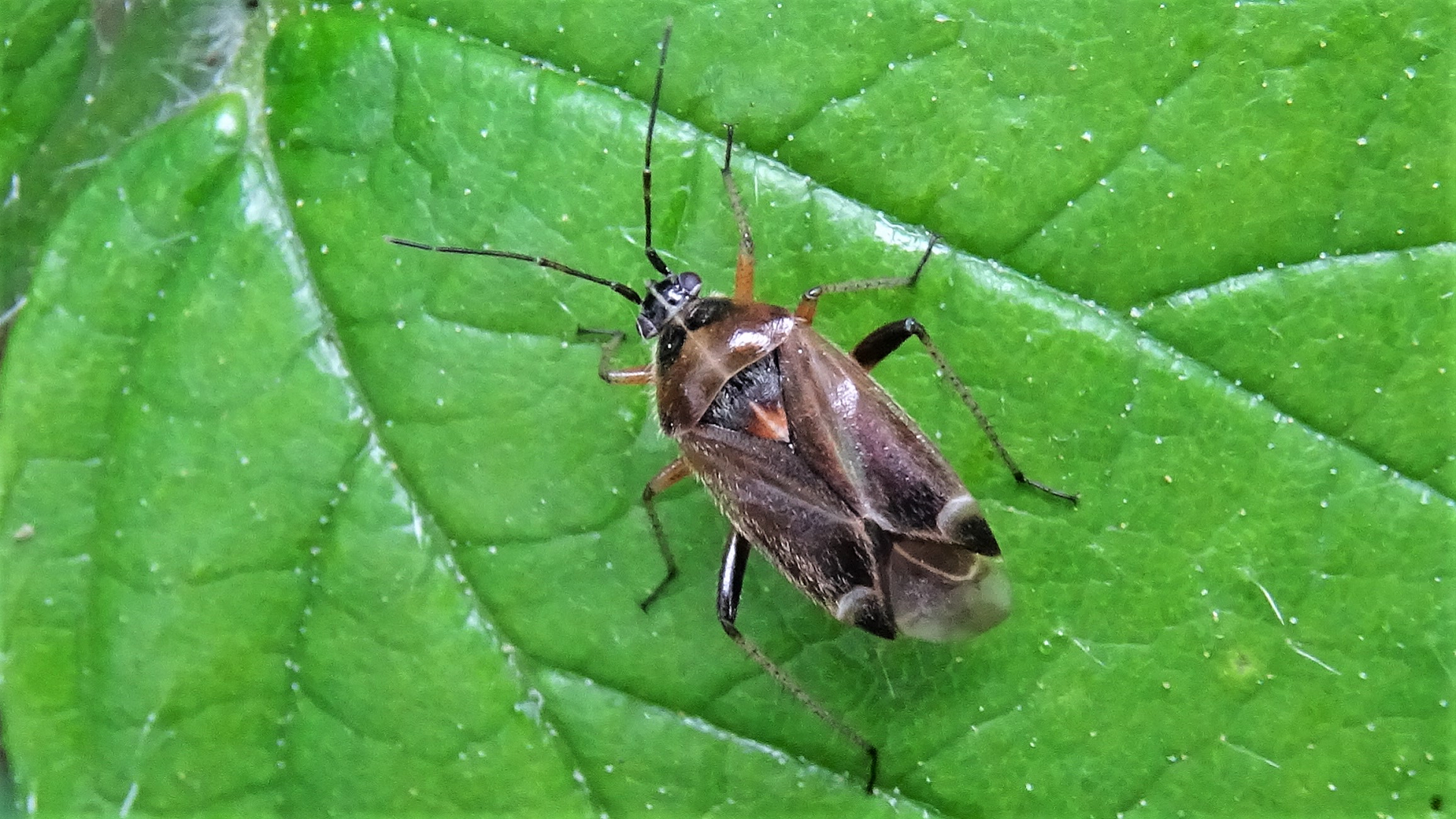
Very common throughout Britain on oak with adults normally appearing in May and June. They are short-lived, especially the males. The sexes are dimorphic; females are browner and have wider bodies than the males.
#
Knapweed Plant Bug
Oncotylus viridiflavus
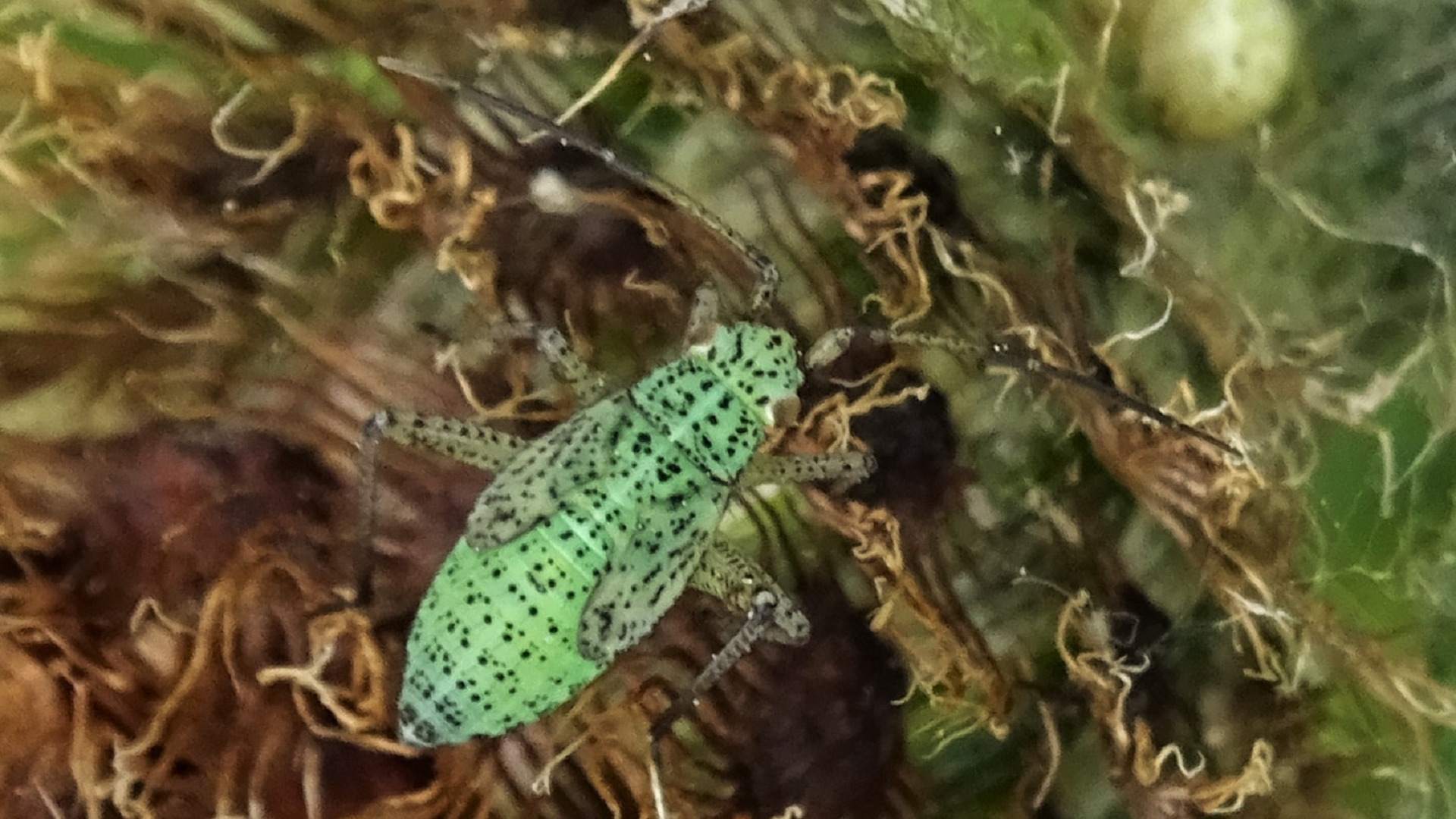
This species has vivid colouration and its unique patterning makes it easy to identify. Adults (5-6mm) inhabit knapweed flower-heads from July to September. The nymphs are vivid green with lines of black spots. Knapweed is the foodplant.
#
Dwarf Gorse
Ulex minor
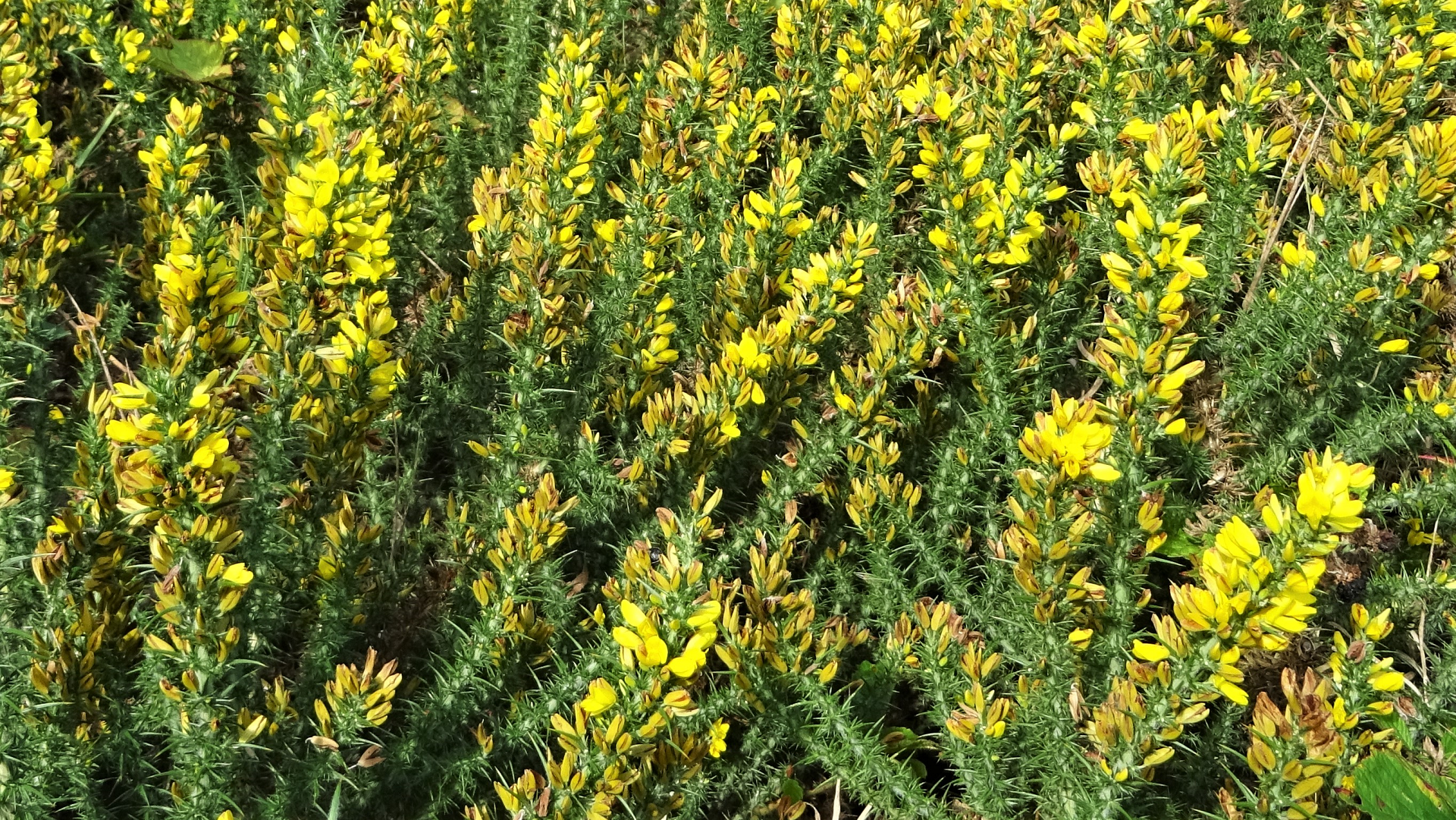
Perennial that grows up to a metre tall in heathland and scrub. It is a spiny-stemmed evergreen with winged, five-petalled pea-like flowers appearing at the end of branching stems from July until October. The round stems are hairy and the leaves are needle-shaped.
#
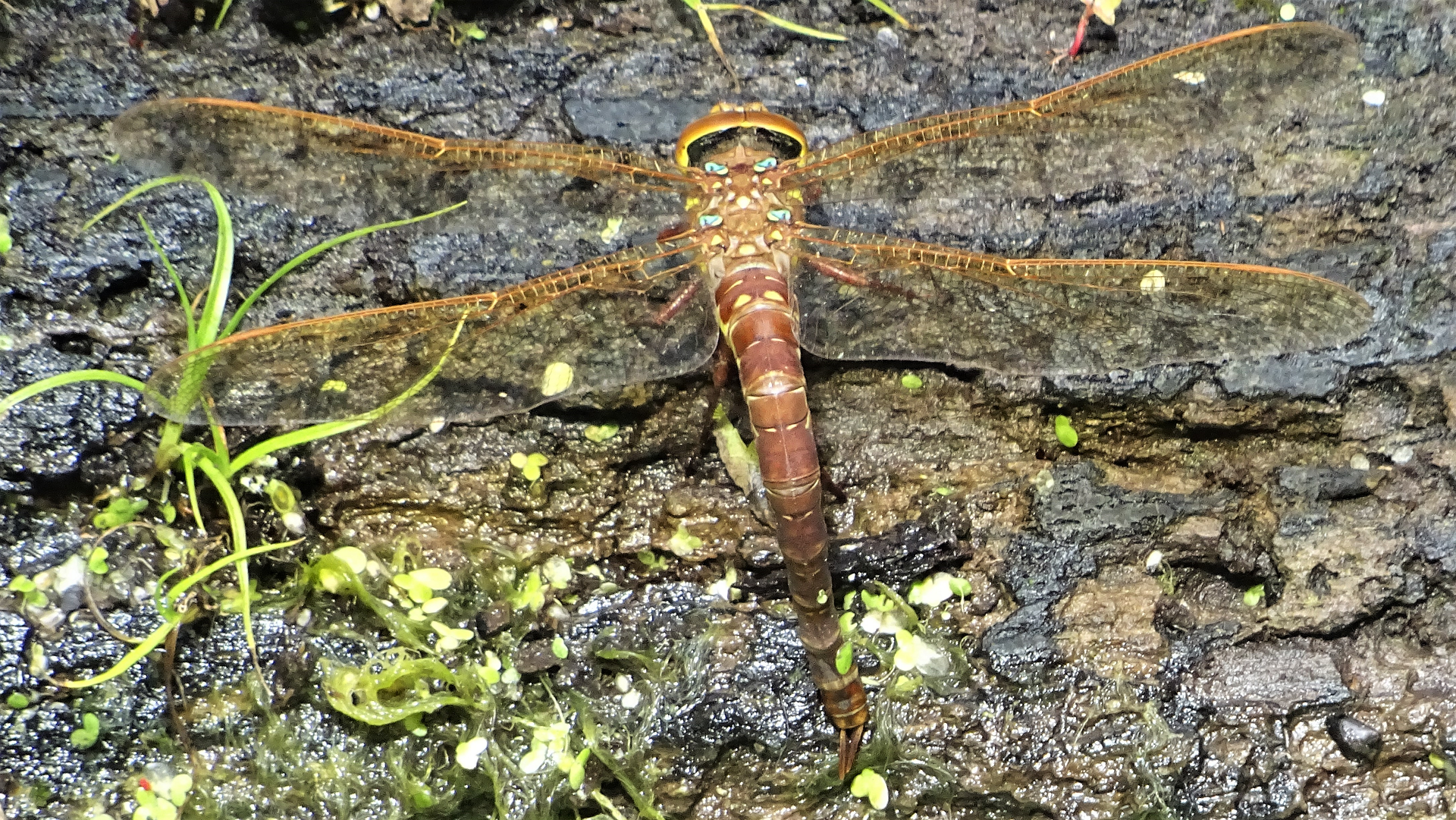
Brown Hawker
Aeshna grandis
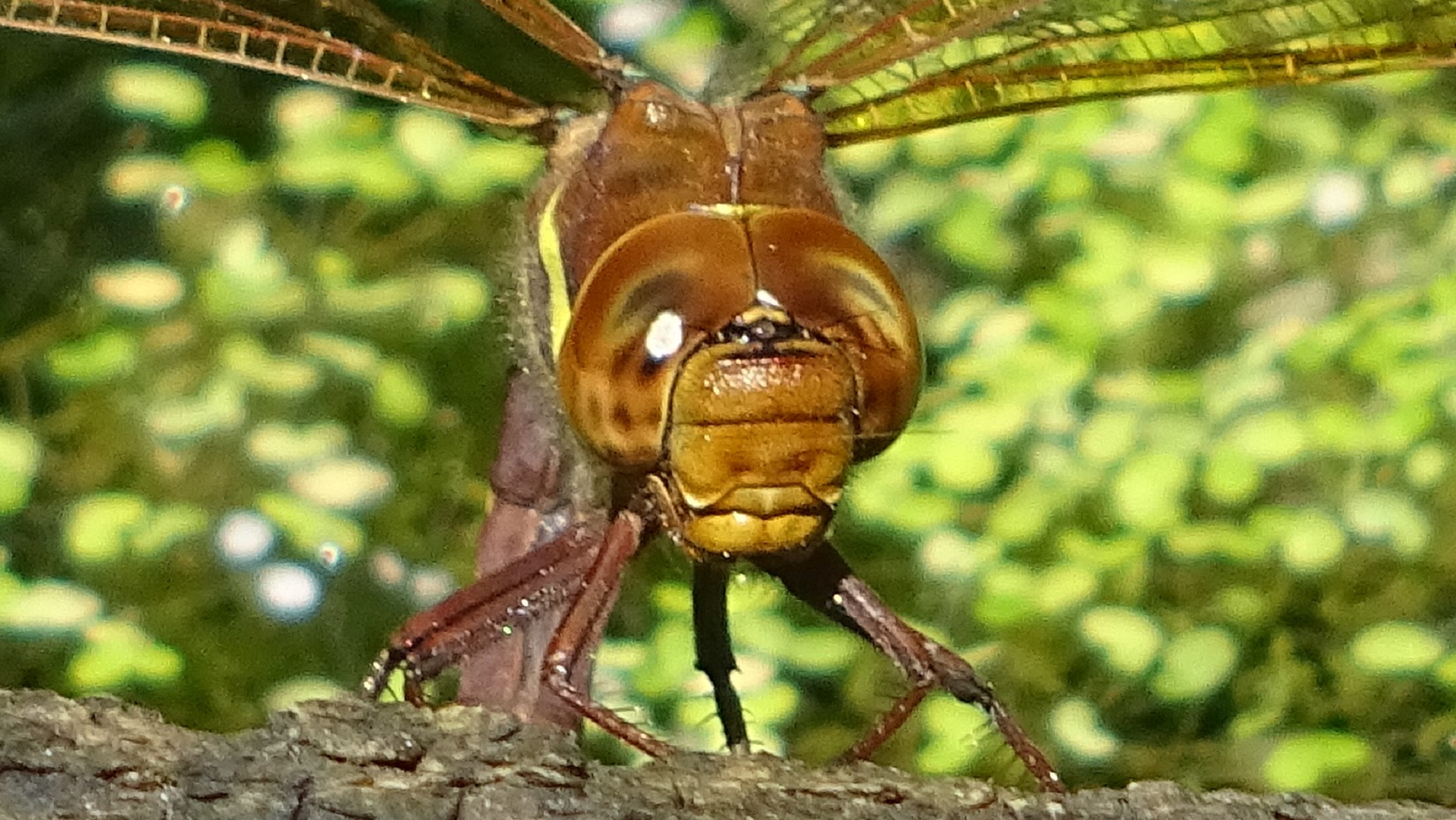
The Brown Hawker lays its eggs in floating vegetation and timber in ponds or slow-flowing waters. It has a brown body with yellow stripes on the side of the thorax and brown tinged wings. The brown wings make this species distinct. It can be found hunting along woodland rides some distance from water.
#
Emperor Dragonfly
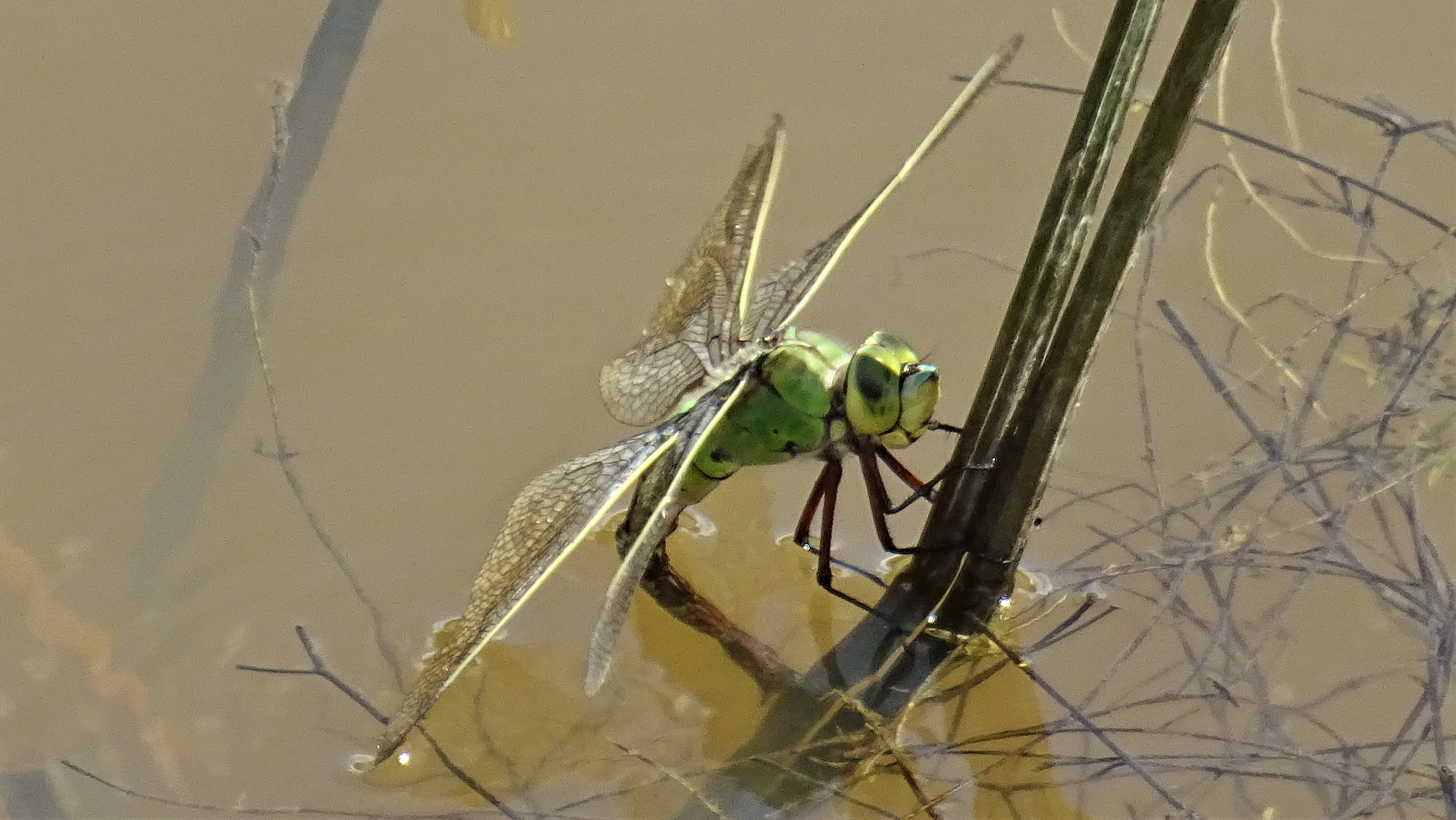
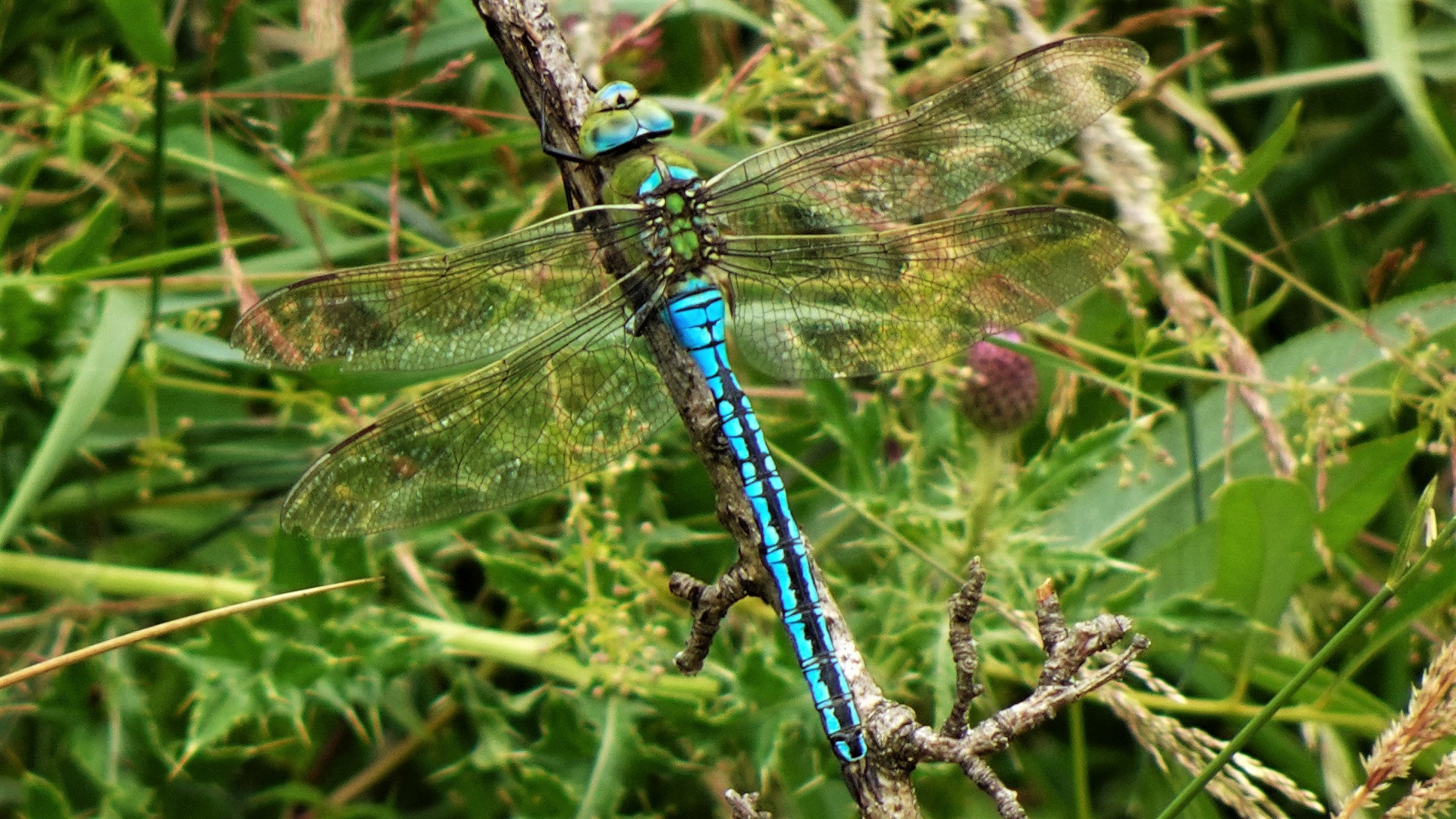
Anax imperator
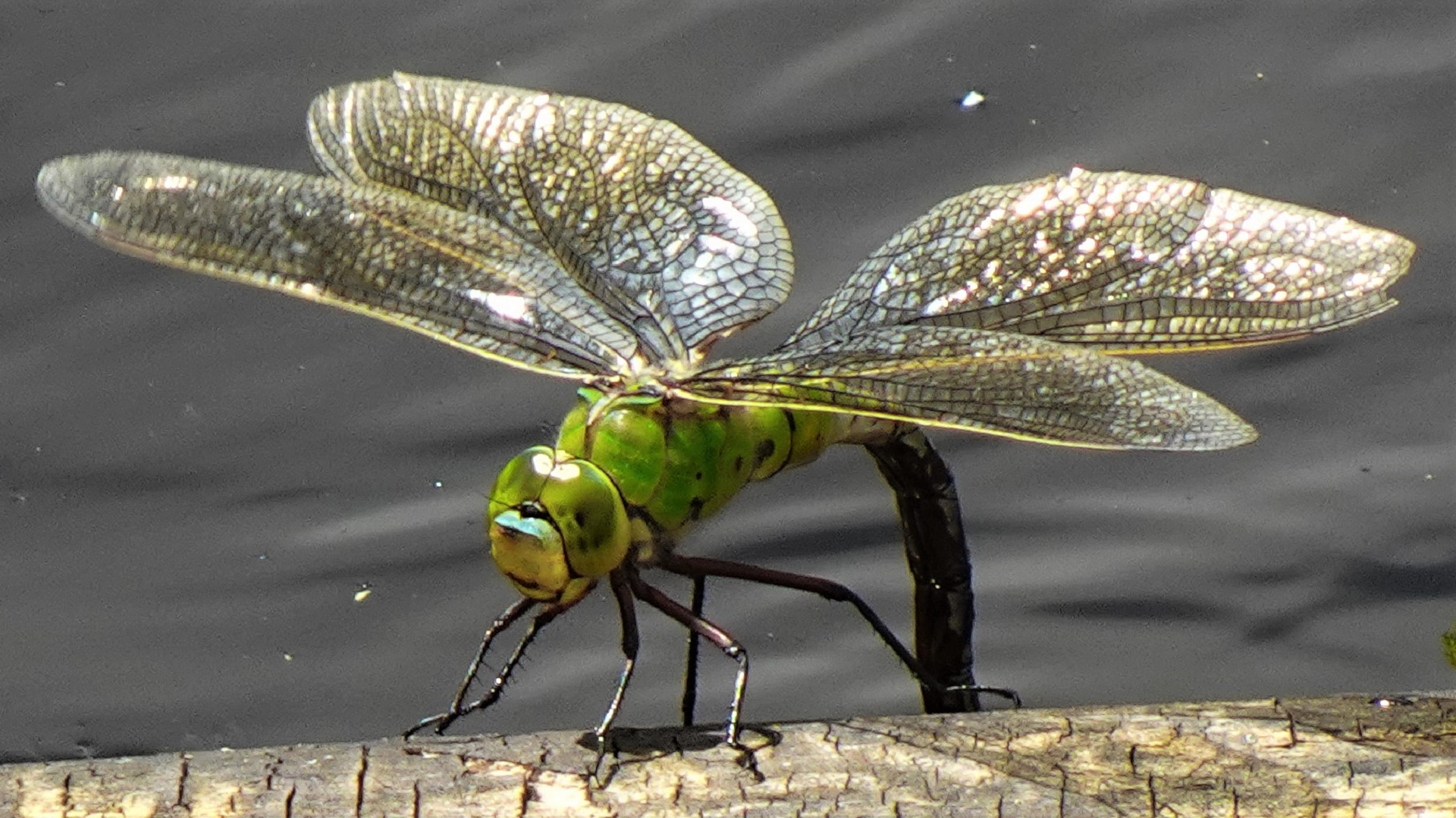
The Emperor Dragonfly is a large dragonfly mainly seen in well-vegetated ponds and lakes. Females lay their eggs in floating vegetation. The female has a green abdomen, whereas the male has a blue abdomen.
#
Agrimony
Agrimonia eupatoria
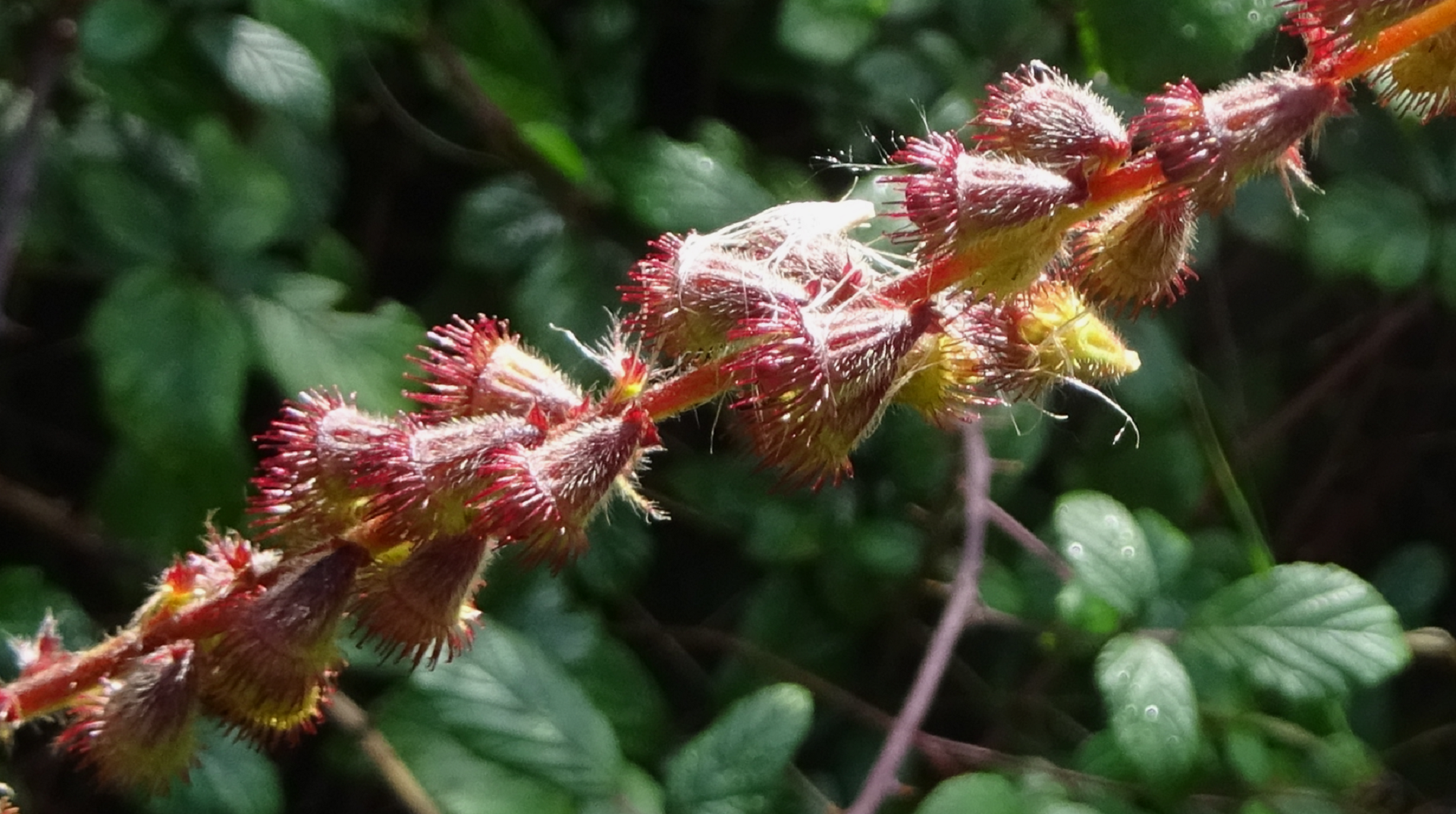
Burred seed heads develop on agrimony which attach to passing animals and humans to disperse the seeds.
#
Common Damsel Bug
Nabis rugosus
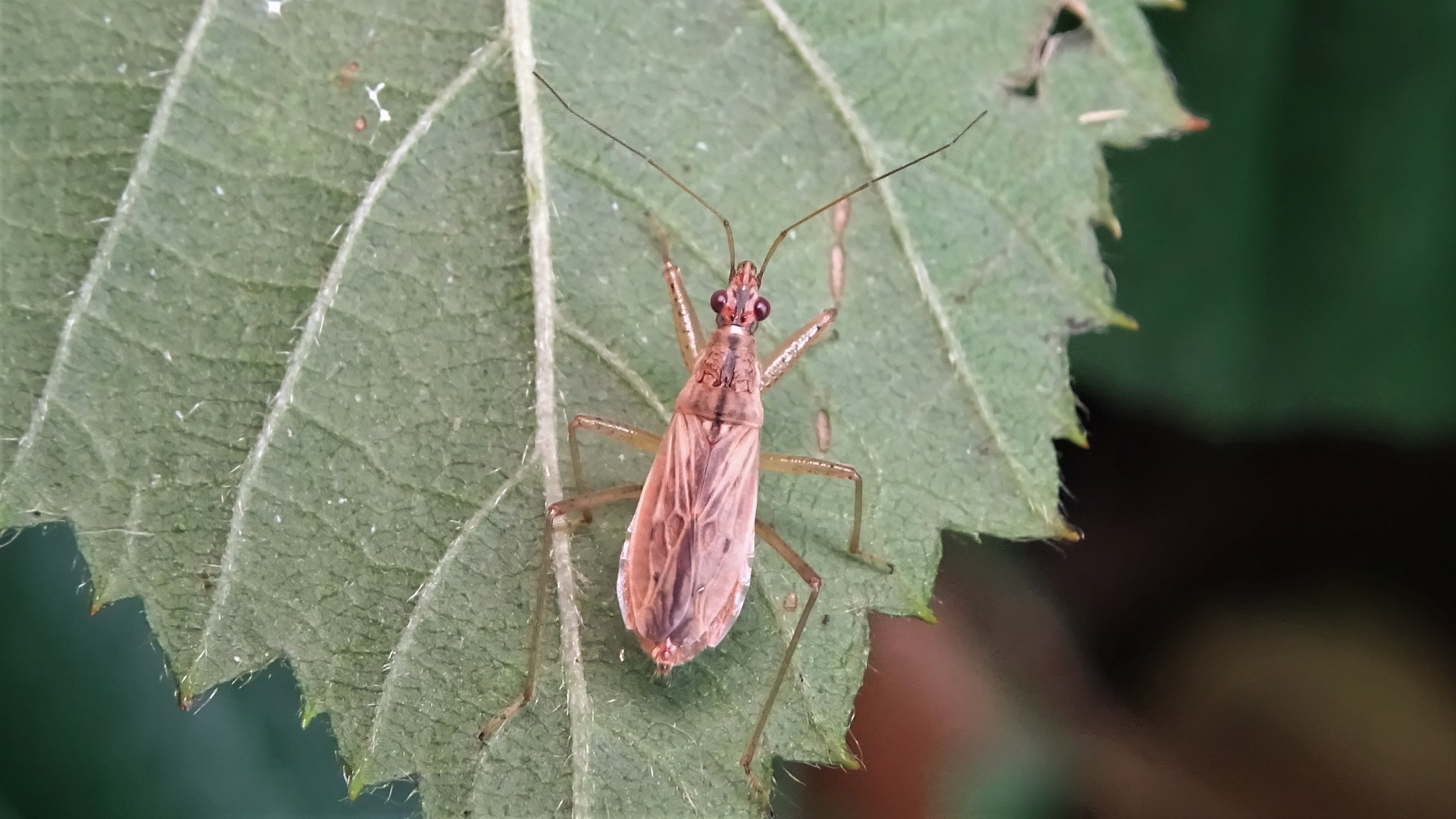
Common in grassland and often found on low vegetation. Mating and egg-laying takes place during spring. Larvae emerge for June until September to form a new generation of adults (6-7mm).
#
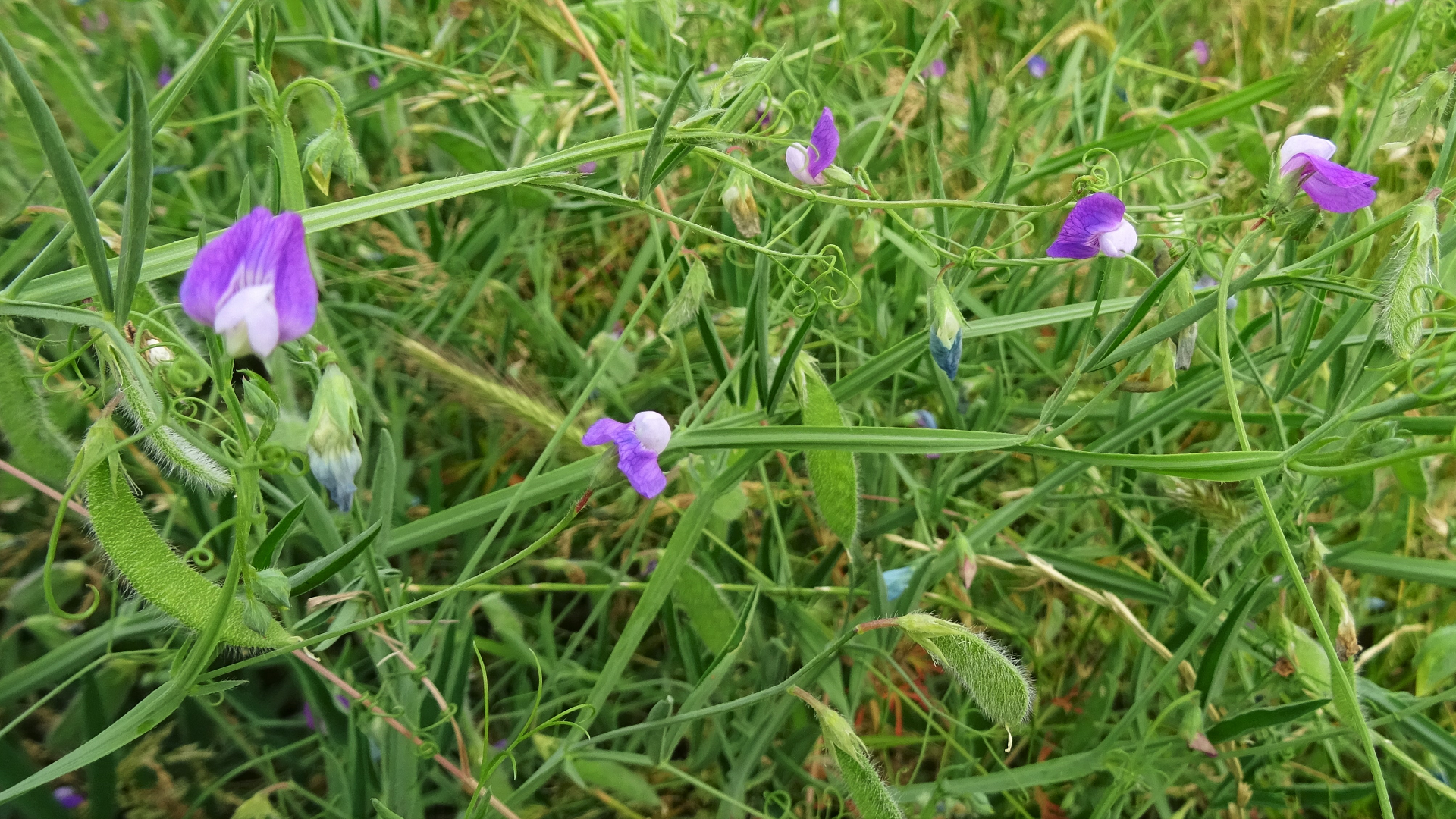
Bithynian Vetch
Vicia bithynica
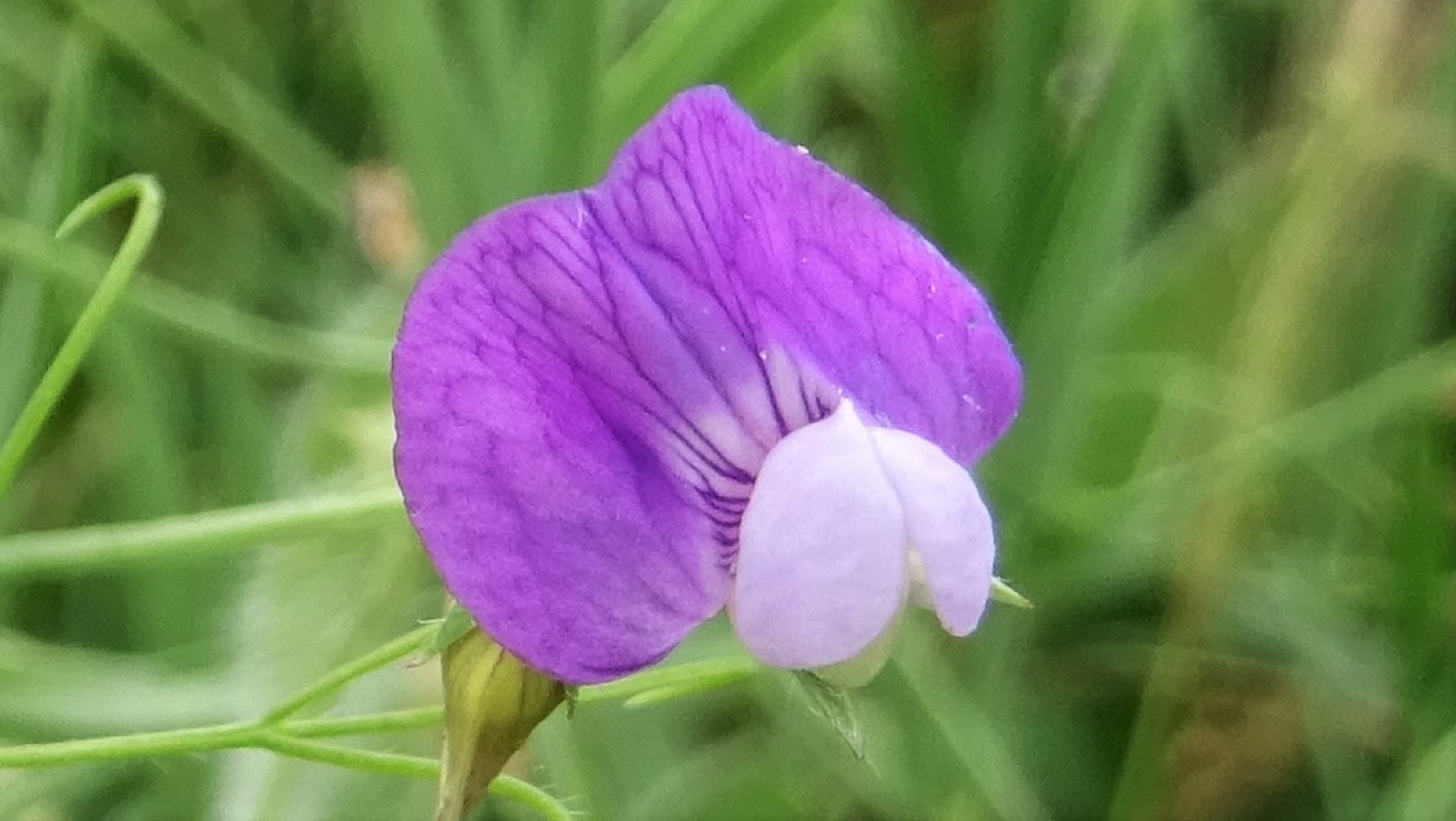
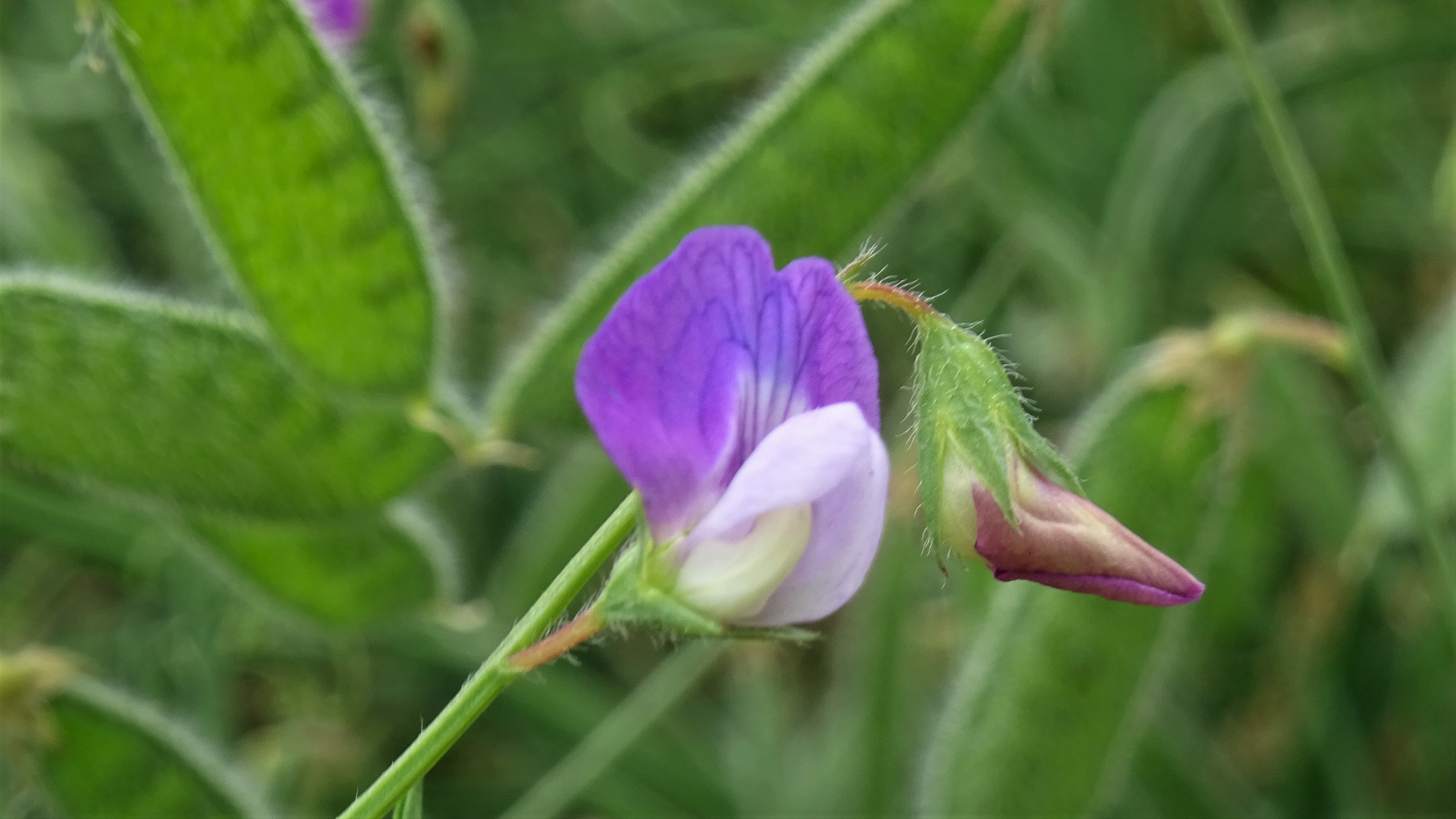
Named after Bithynia, an ancient kingdom located on the north coast of Anatolia in Turkey. In Britain, this plant is usually seen near the sea and not usually in large quantities. It occasionally turns up inland, possibly due to warmer climate. This climbing or scrambling annual has distinctive purple and white flowers measuring 16-20mm across. The pods, 20-30mm, contain 4-8 seeds. There are distinctive toothed stipules.
#
Selfheal
Prunella vulgaris
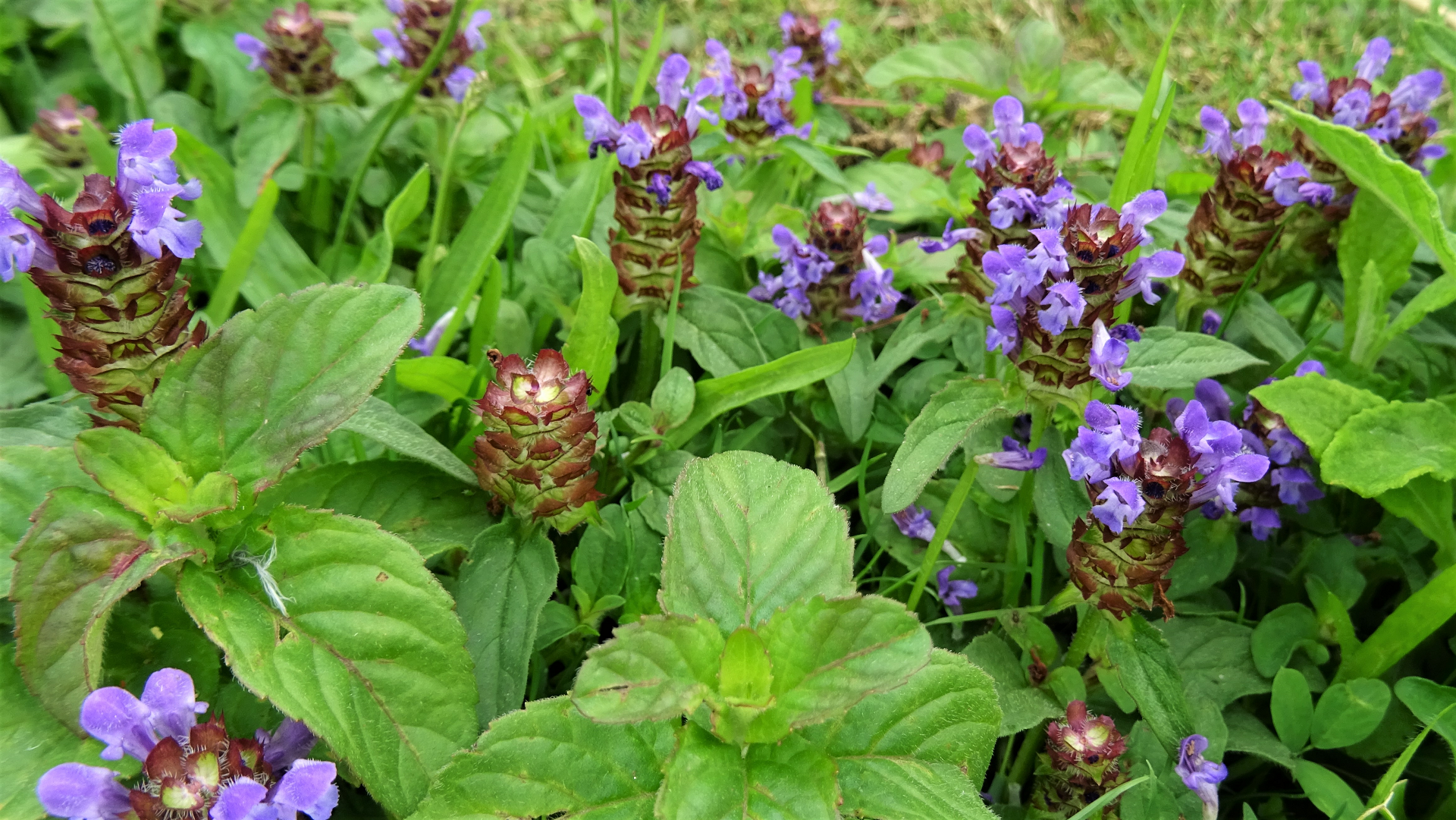
Selfheal is a low-growing perennial with oval leaves and bluish-violet flowers. It is a member of the Mint family.
#
Tamarisk Leafhopper
Opsius stactogalus
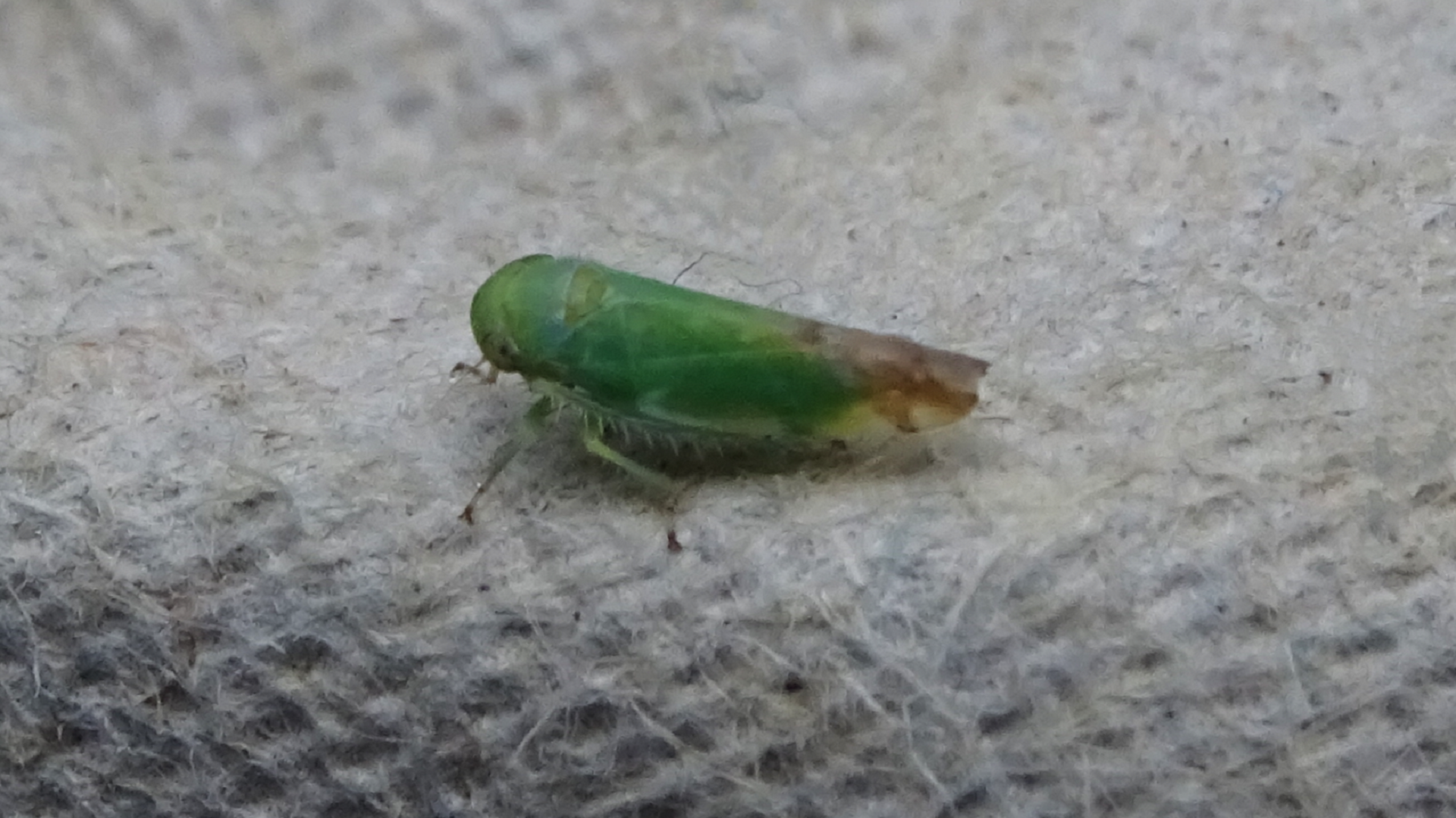
The pea-green Tamarisk Leafhopper (4-5mm) is associated with the plant Tamarisk. Adults are normally seen from August until November.
#
Long Legged Grass Bug
Miridius quadrivirgatus
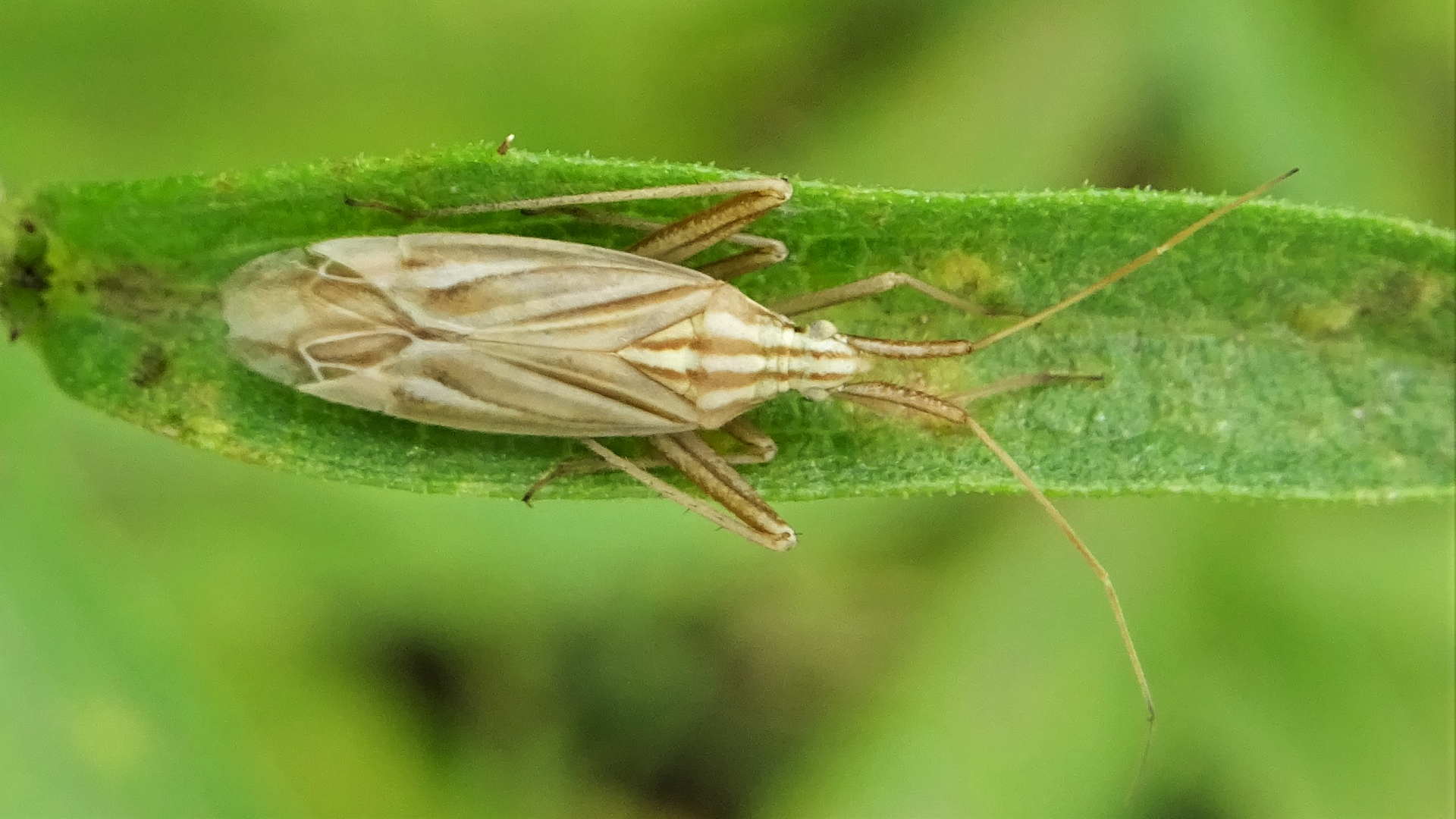
Adults (9-11mm) are seen in July and August. This species has a long 1st antennal segment and diagnostic markings; stripes run the full length of the head, pronotum and scutellum. Once associated with coastal areas, but now becoming more common inland. Inhabits grassland.
#
S
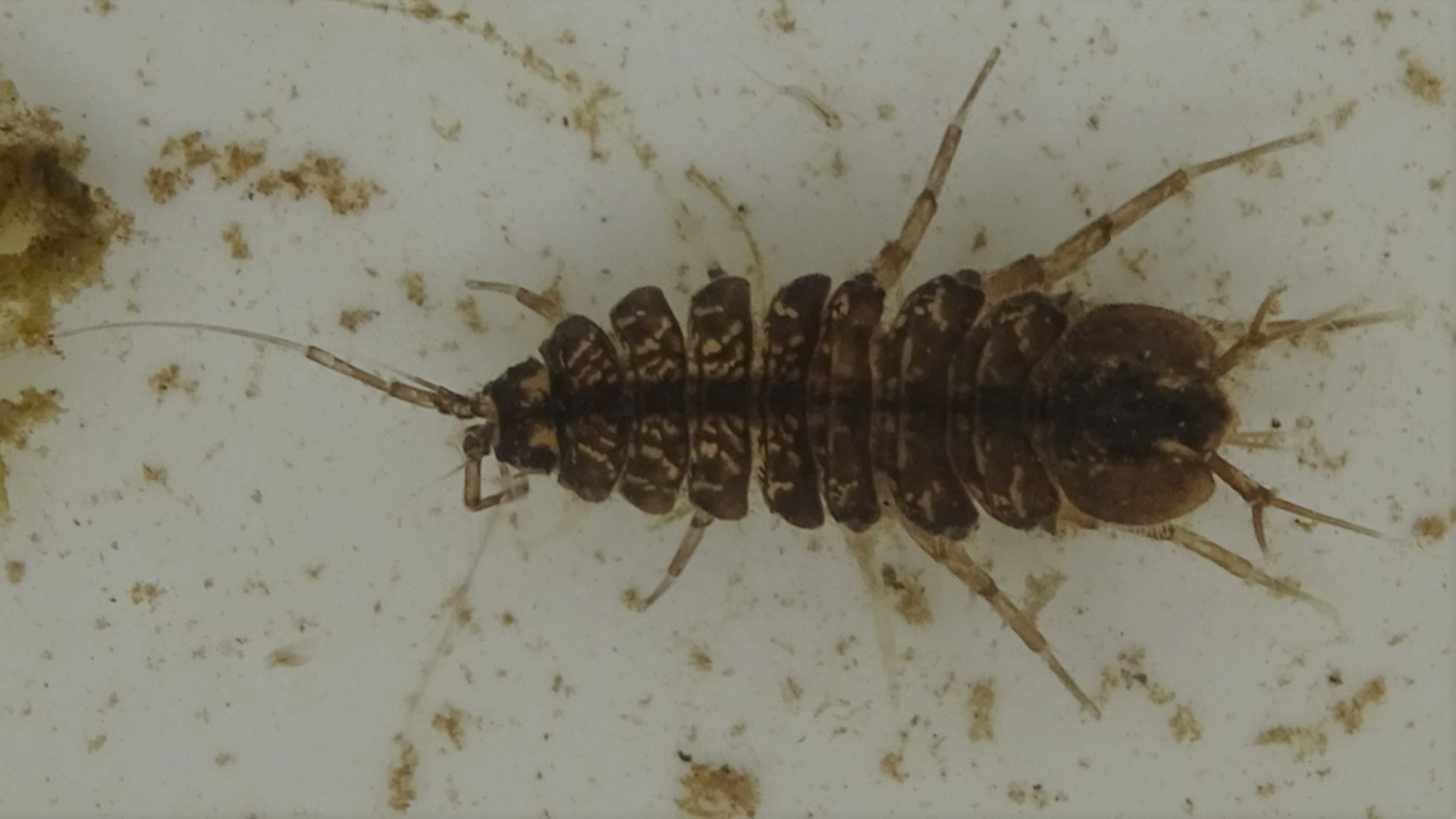
This crustacean is related to woodlice but resides completely in aquatic environments. It has two pale spots on its head. While it does not swim well, but tends to crawl among vegetation and mud. It is common in stagnant water due to its ability to tolerate low oxygen levels and can be encountered throughout the year.
#
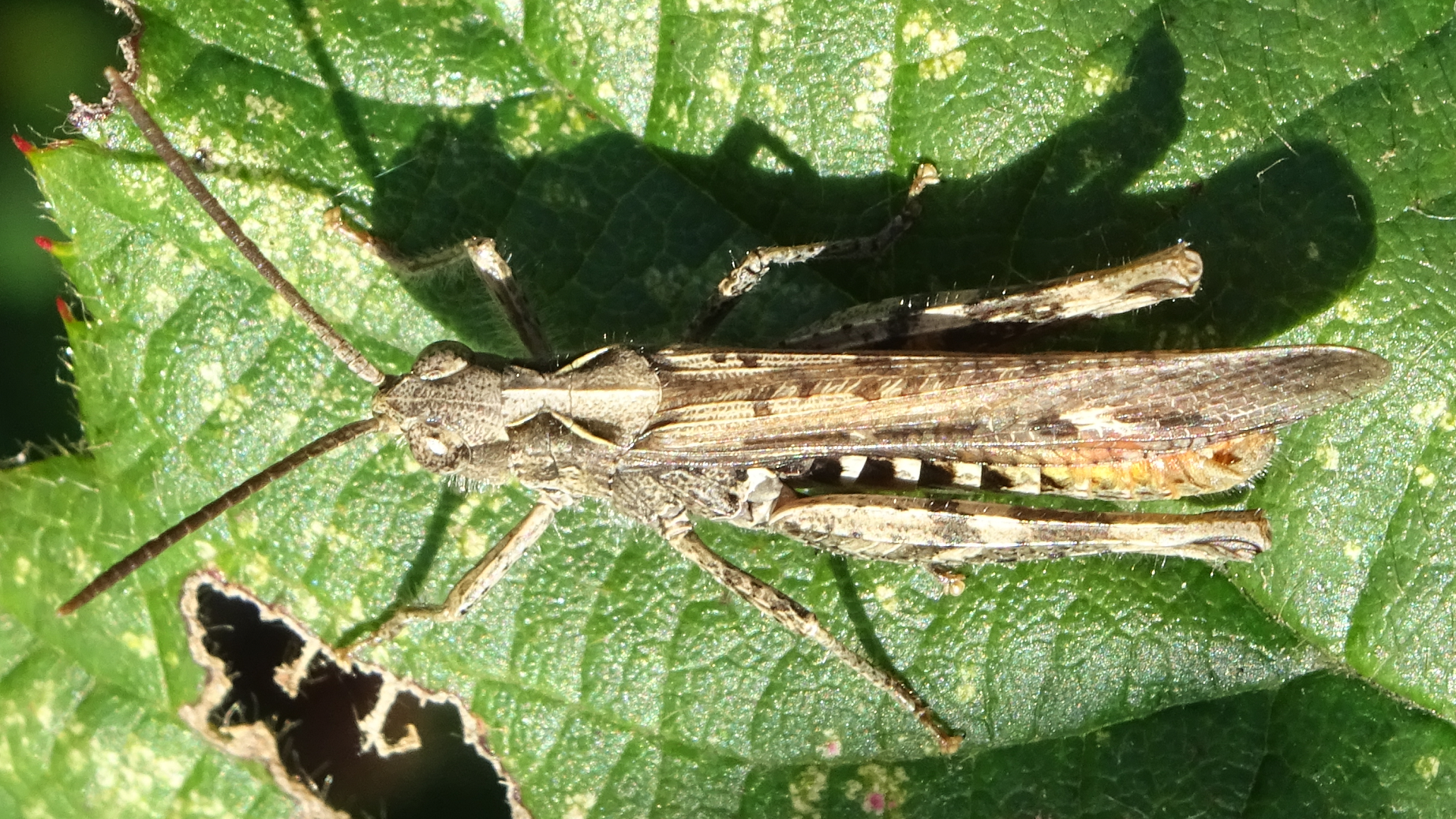
Field Grasshopper
Chorthippus brunneus
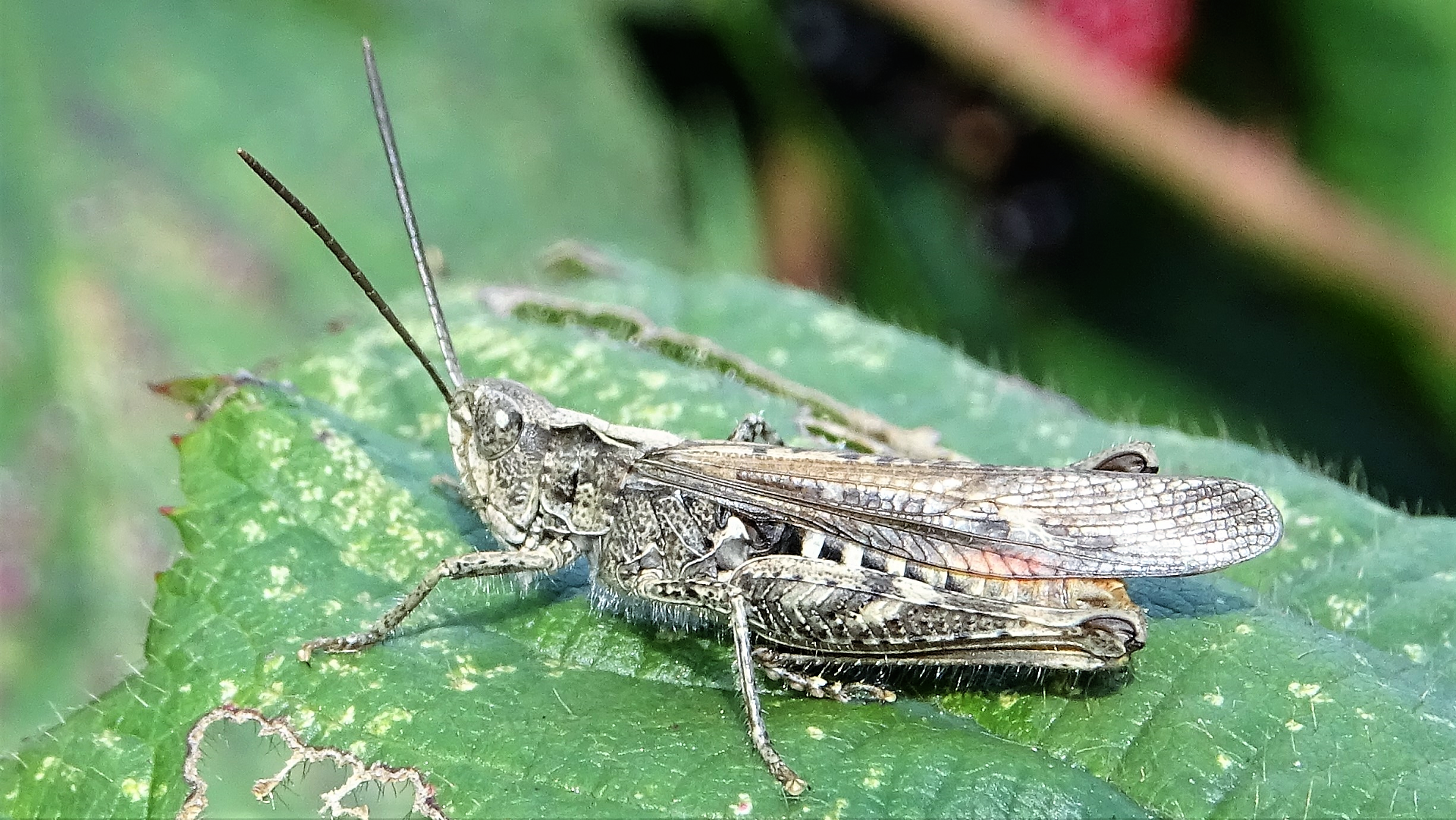
The Field Grasshopper has sharply incurved pronotal side-keels, a noticeably hairy lower body and wings that extend beyond the hind-knees. There are various forms; normally brownish with striped and mottled varieties, and body parts ranging from buff, orange and purple. They stridulate making short, brisk chirps repeated at short intervals. Field Grasshoppers have a preference for dry, sunny locations with short vegetation. Eggs are laid in soil with nymphs hatching from late March. Adults appear from June and may persist until November.
#
Red-sided Parasite Fly
Eriothrix rufomaculata
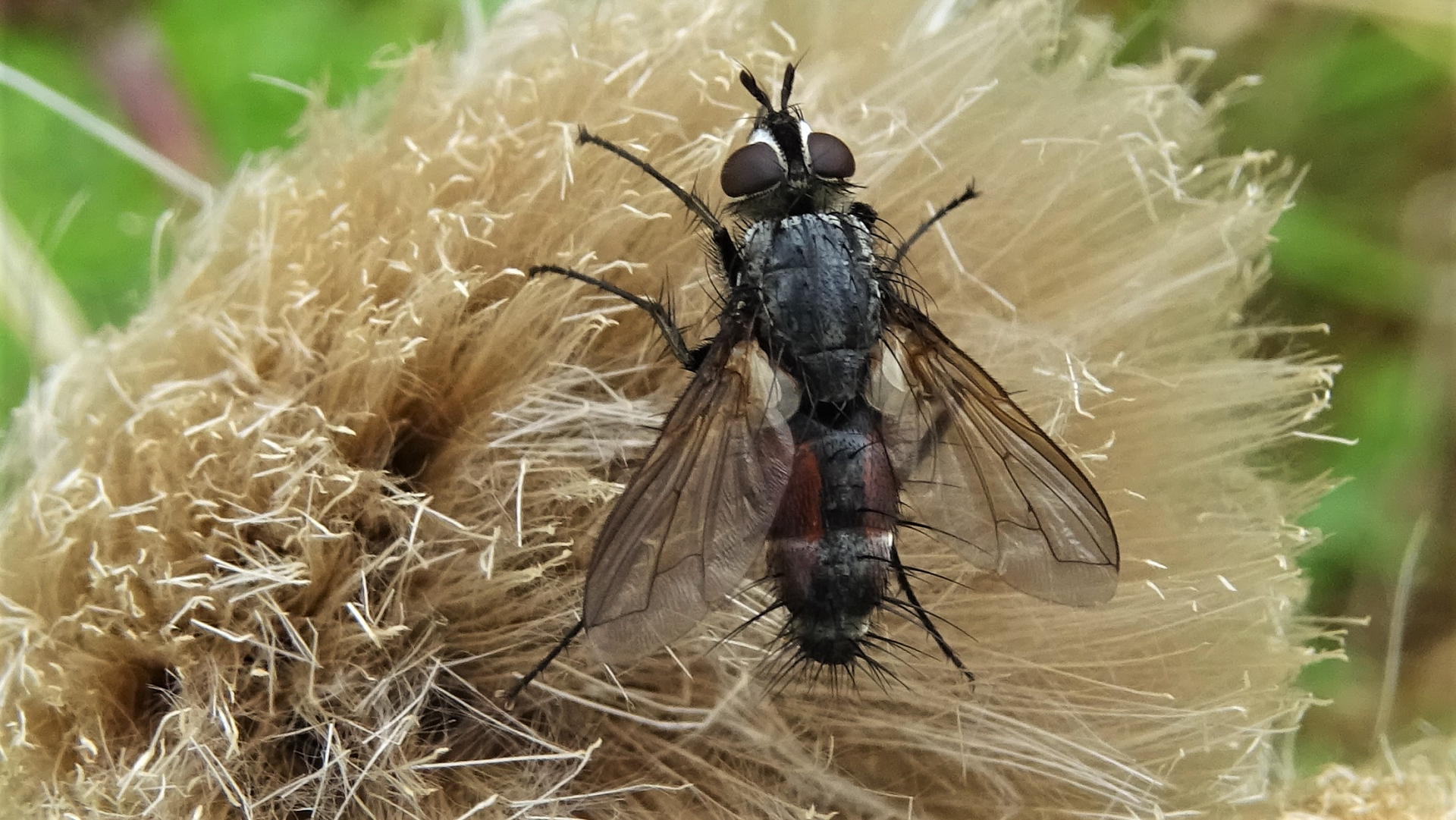
Bristly fly that visits flowers during summer and autumn especially umbellifers such as Hogweed and Wild Carrot. There are reddish markings on the abdomen with a black dorsal line in between. Its parasitic larvae develop inside moth caterpillars.
#
Leafhopper
Allygus mixtus
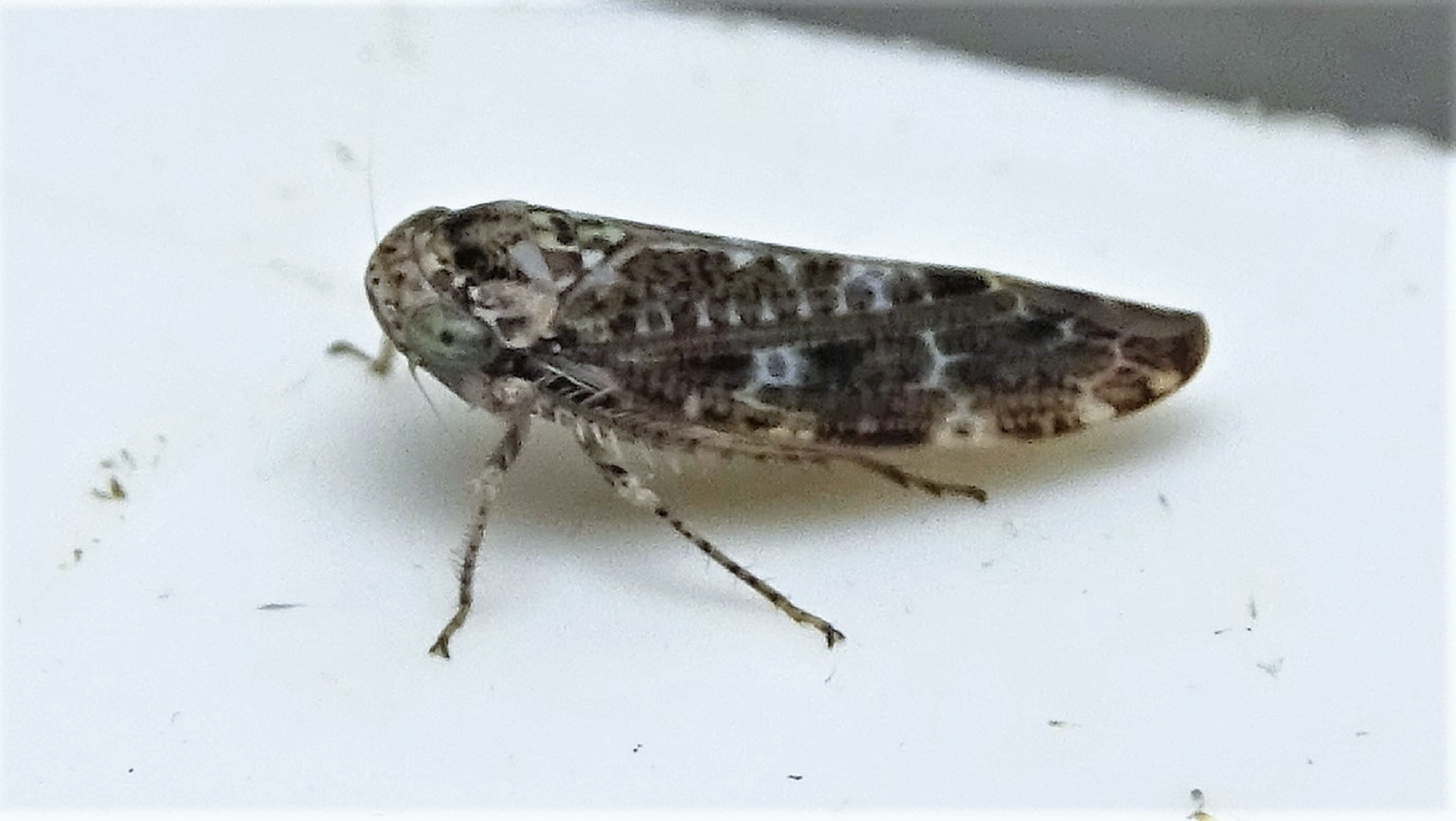
This fancy-patterned leafhopper species is widespread throughout much of Britain on deciduous trees especially oaks from June until October. Its nymphs feed on grasses. 6-7mm.
#
S

S
#
S
S
#
S
S
#
S
S
#
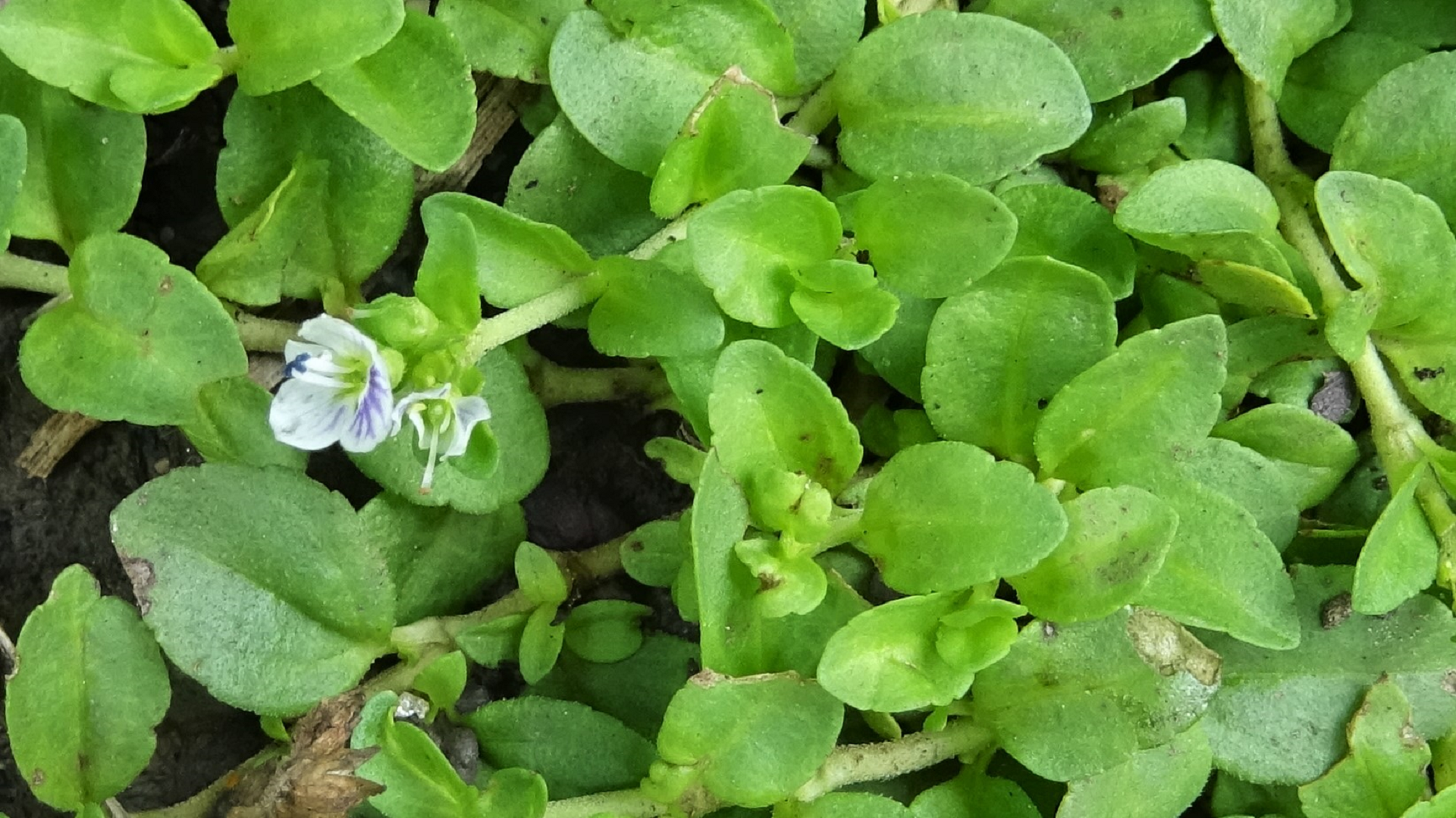
Thyme-leaved Speedwell
Veronica serpyllifolia subsp. serpyllifolia
S
#
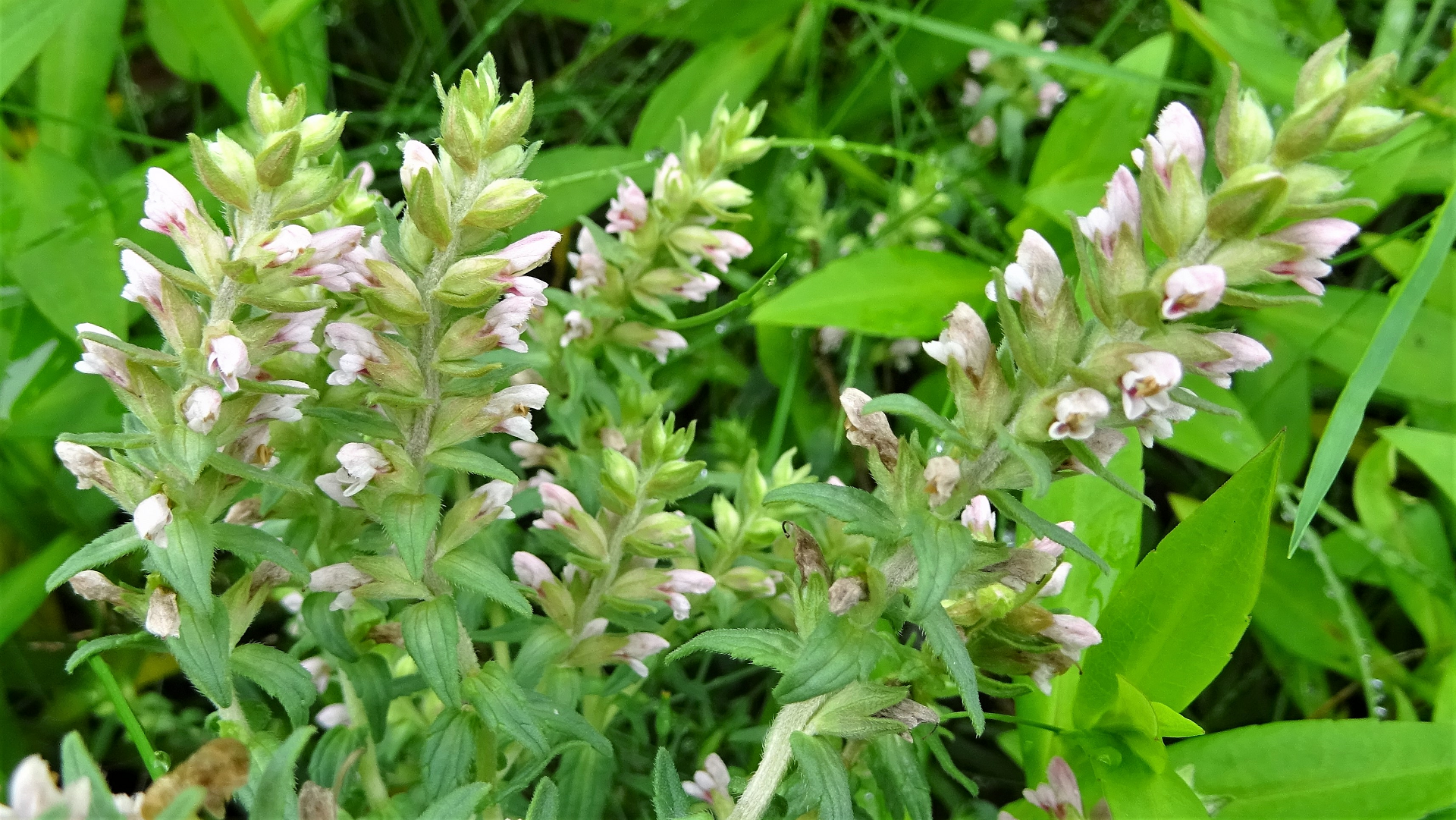
Red Bartsia
Odontites verna
S
#
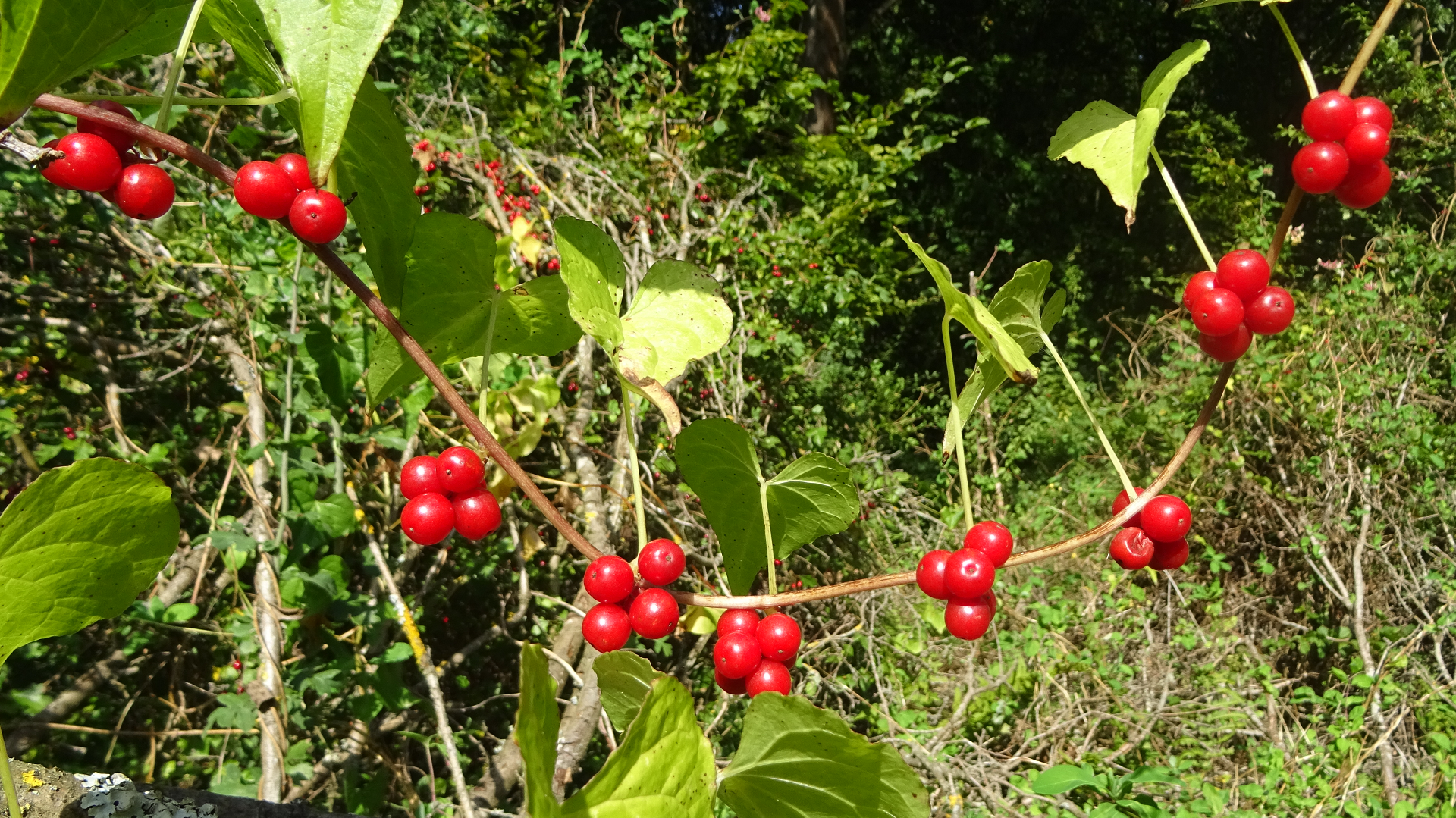
Black Bryony
Dioscorea communis
S
#
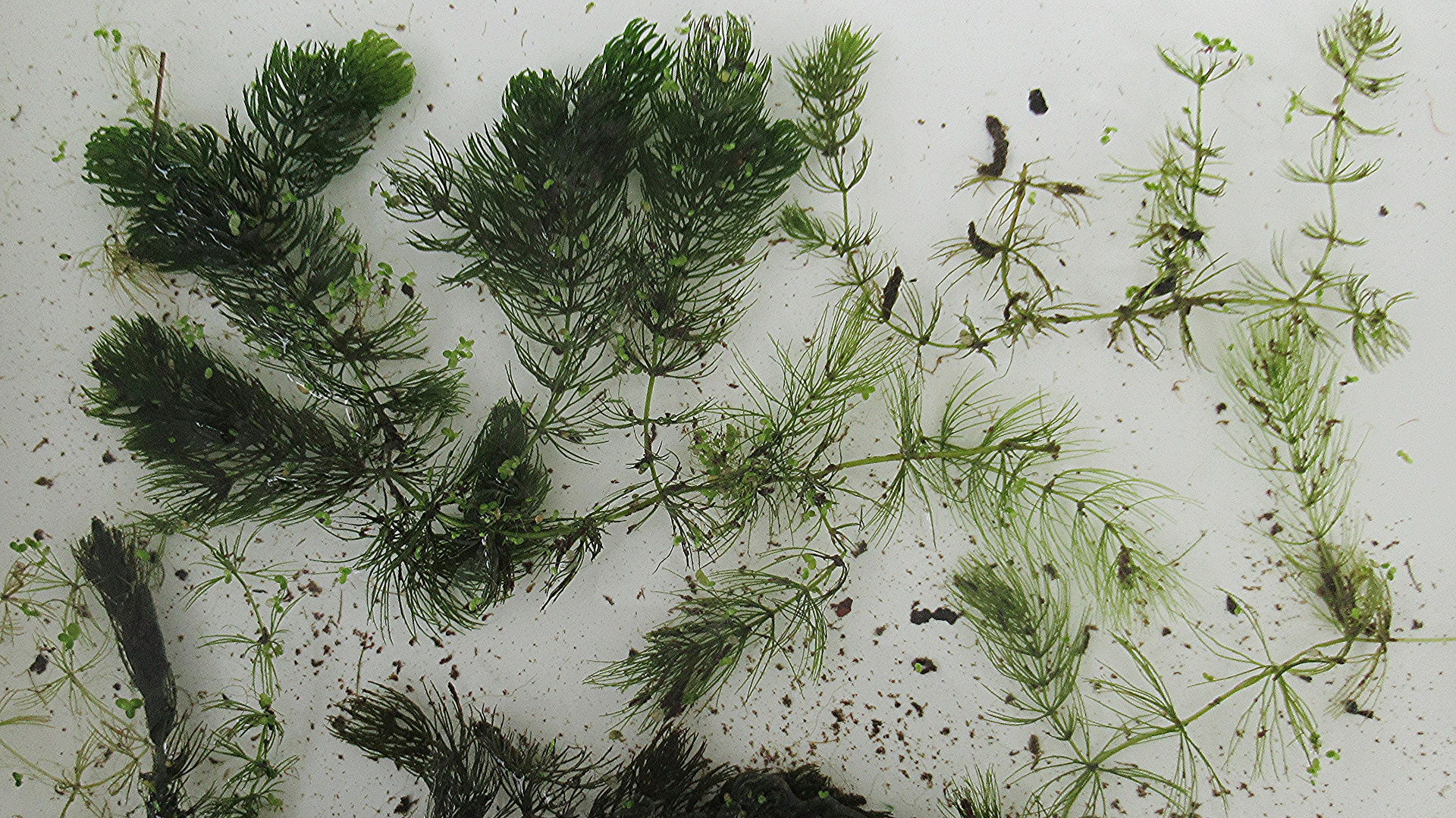
Hornwort
Ceratophyllum
S
#
Michaelmas Daisies
Aster agg.
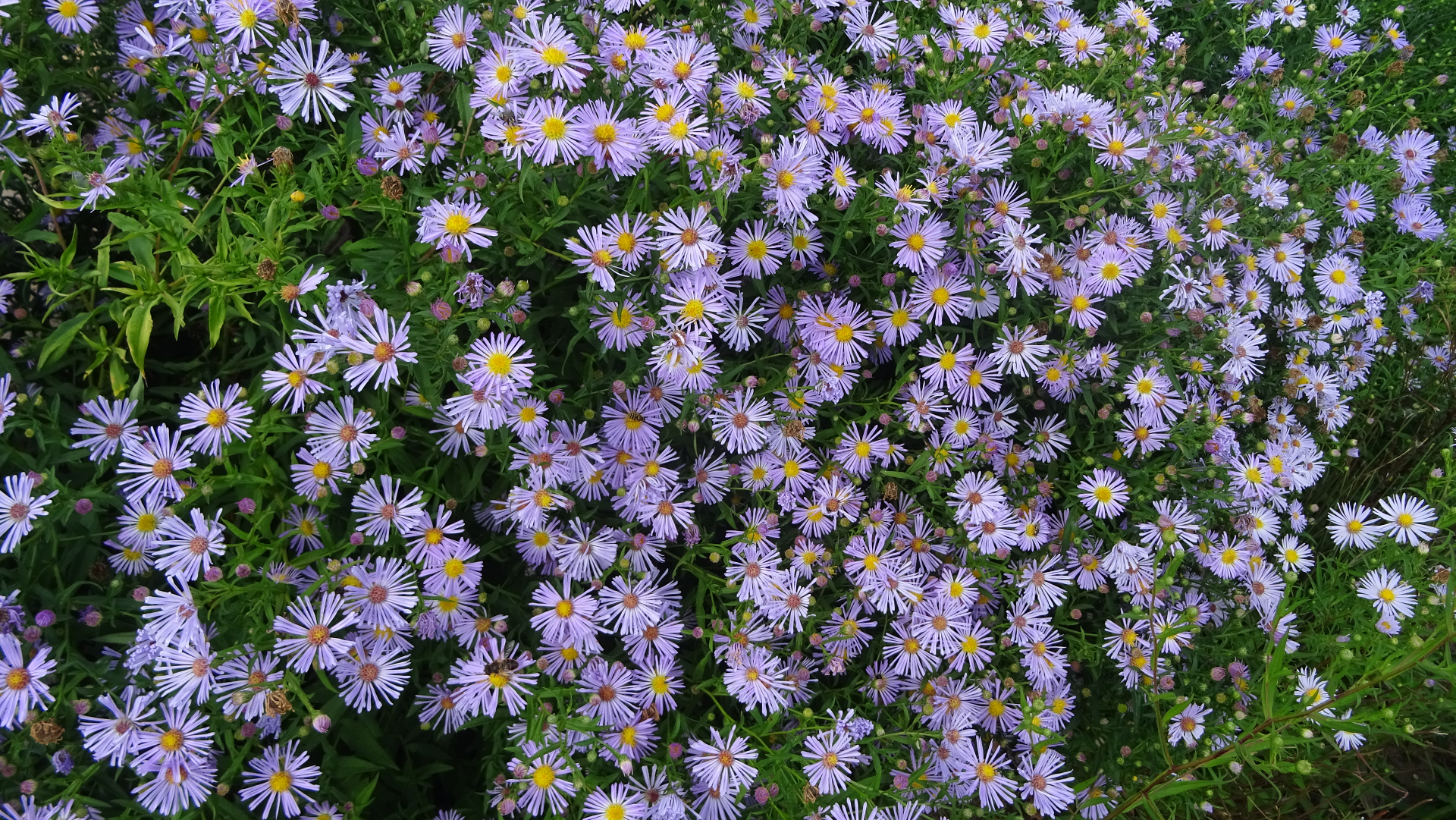
Michaelmas Daisy is a common, tall, well-branched garden escape which can often be seen blooming near Hainault Lake during the autumn.
#
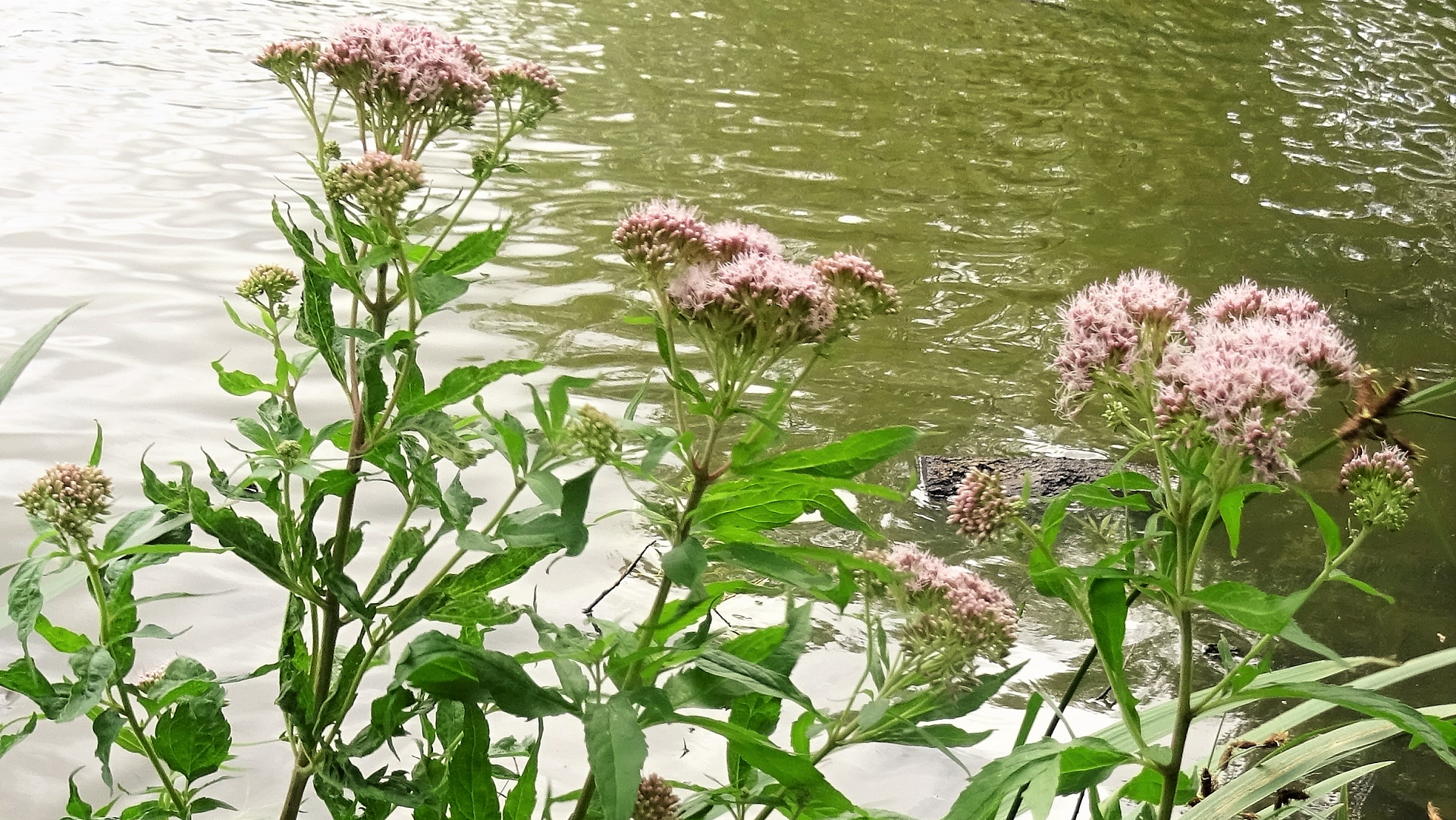
Hemp Agrimony
Eupatorium cannabinum
S
#
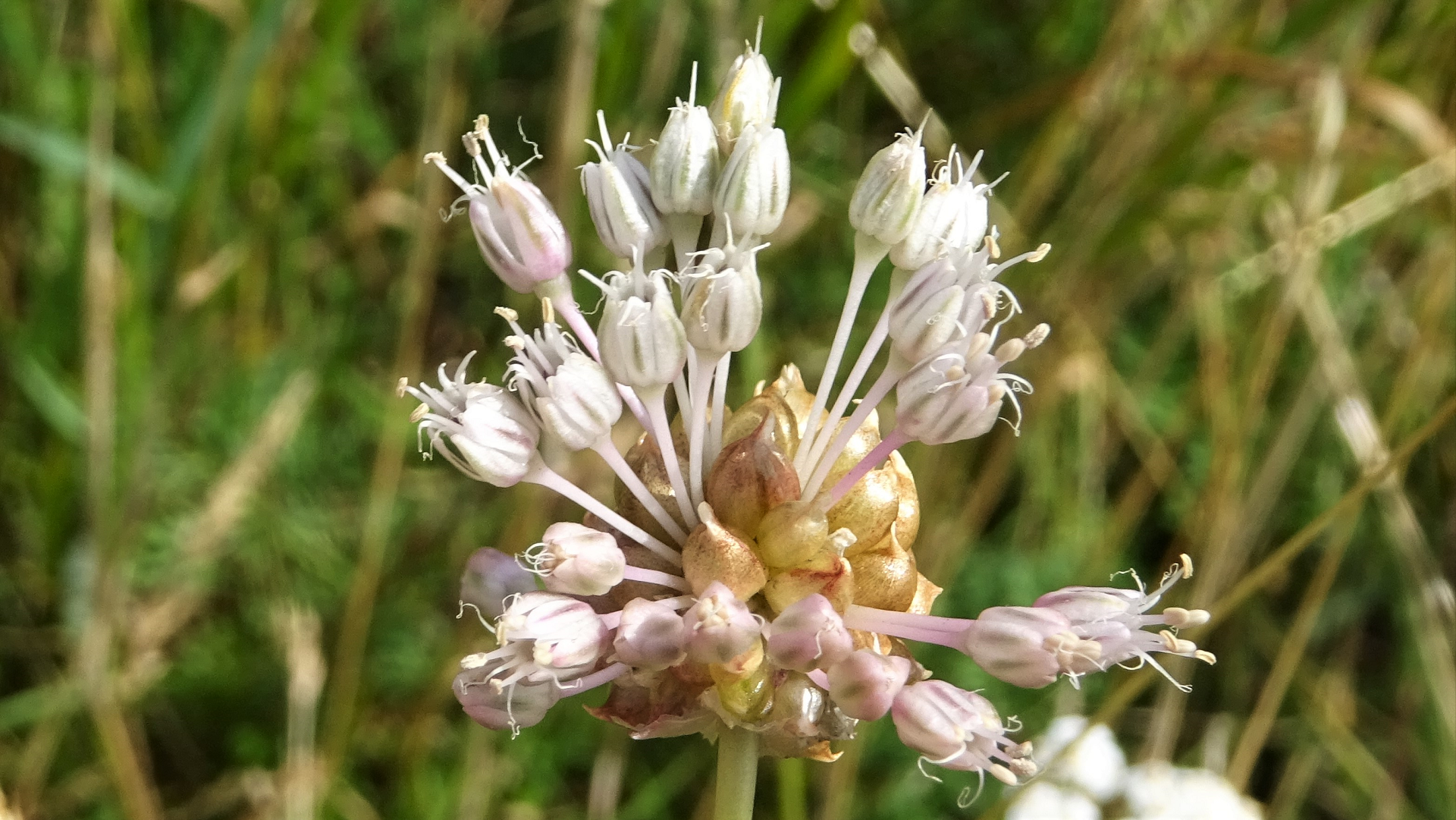
WIld Onion
Allium vineale
S
#
Scarlet Pimpernel
Anagallis arvensis
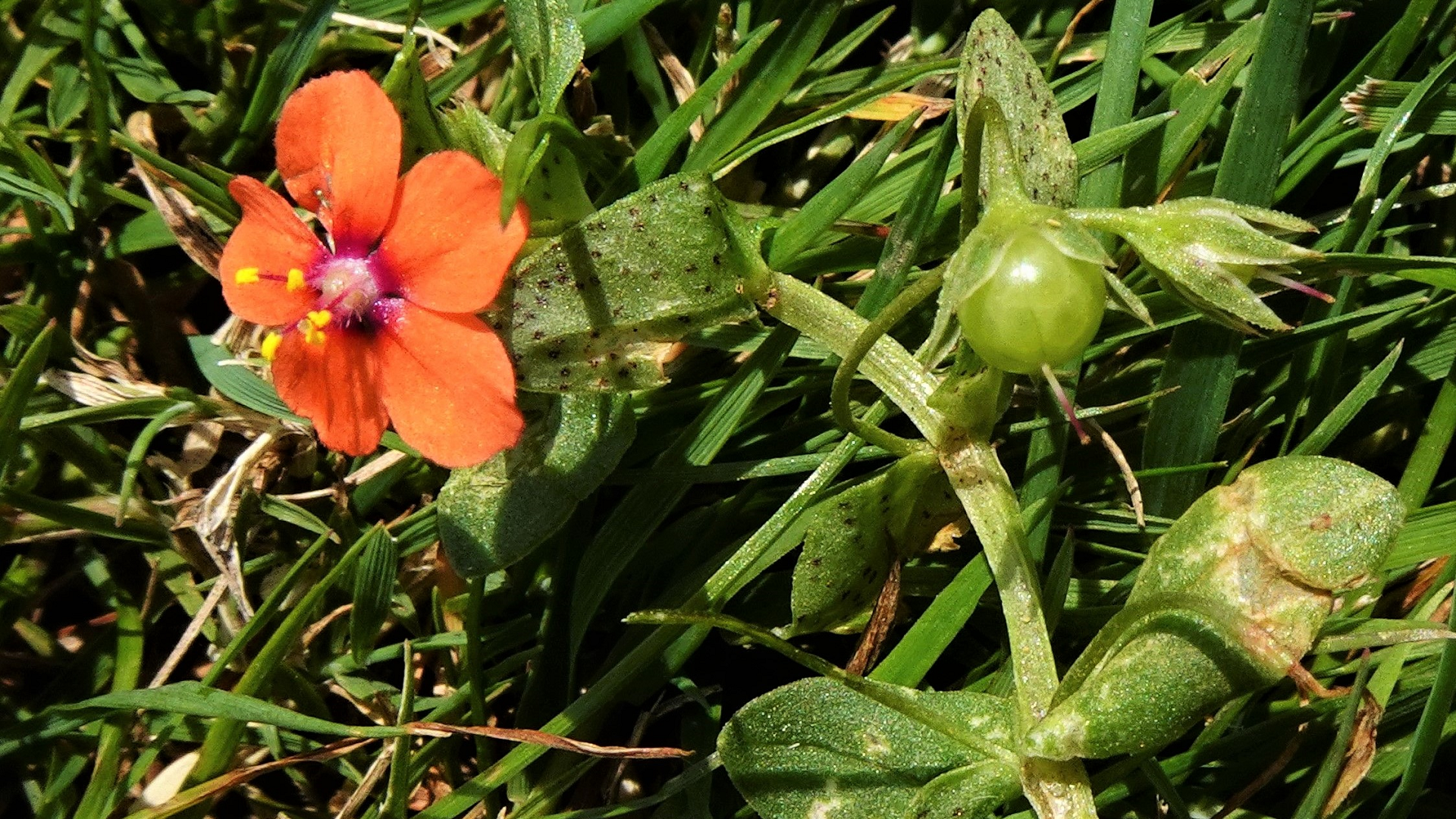
Scarlet Pimpernel
produces reddish, or occasionally blue, five-petalled flowers. The trailing stems have unstalked oval leaves. When the atmospheric pressure falls the flowers close and this is a sign that bad weather is approaching.
#
Poppy
Papaver rhoeas
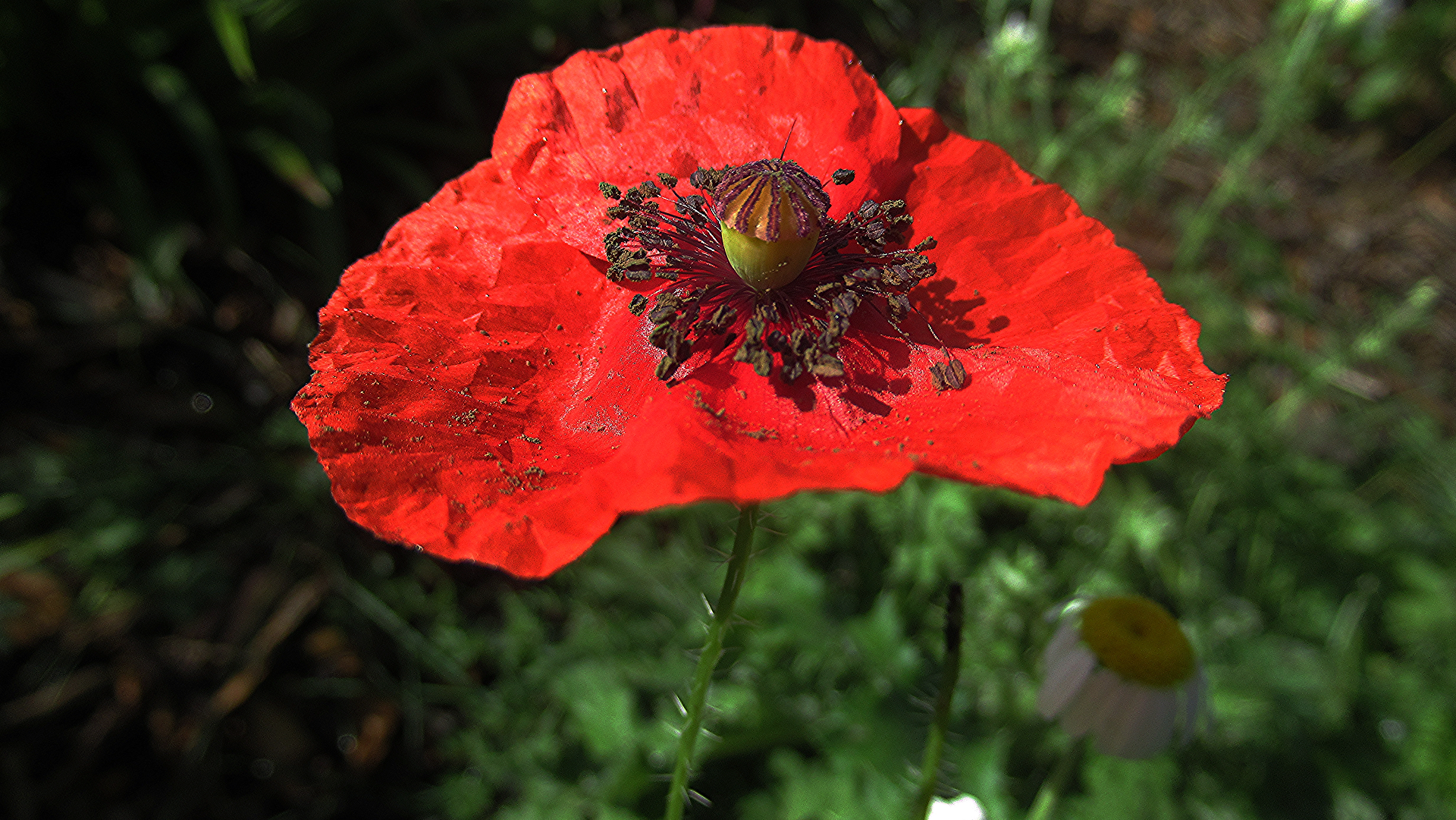
The Poppy is a hairy-stalked annual with pinnately cut leaves often found on disturbed ground. The red flowers measure 70-100mm across.
#
Rosebud Gall
Andricus gemmeus
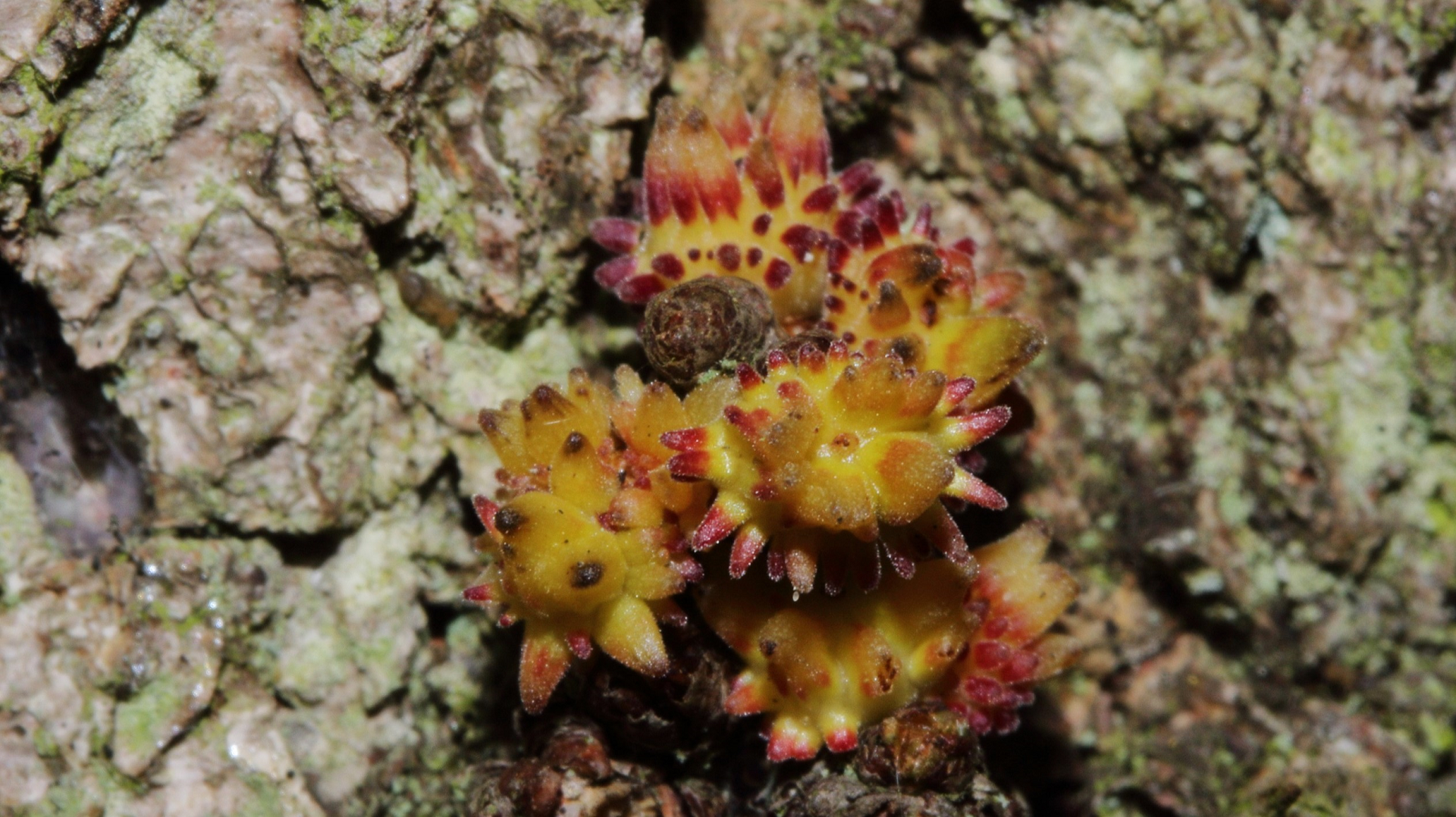
Originally discovered in the UK in 2008 at Colchester, Essex, the galls (3-4mm in diameter) are produced by the asexual generation of the gall wasp Andricus gemmeus. They are commonly observed on oak trunks in September.
#
Cluster Gall
Andricus lucidus
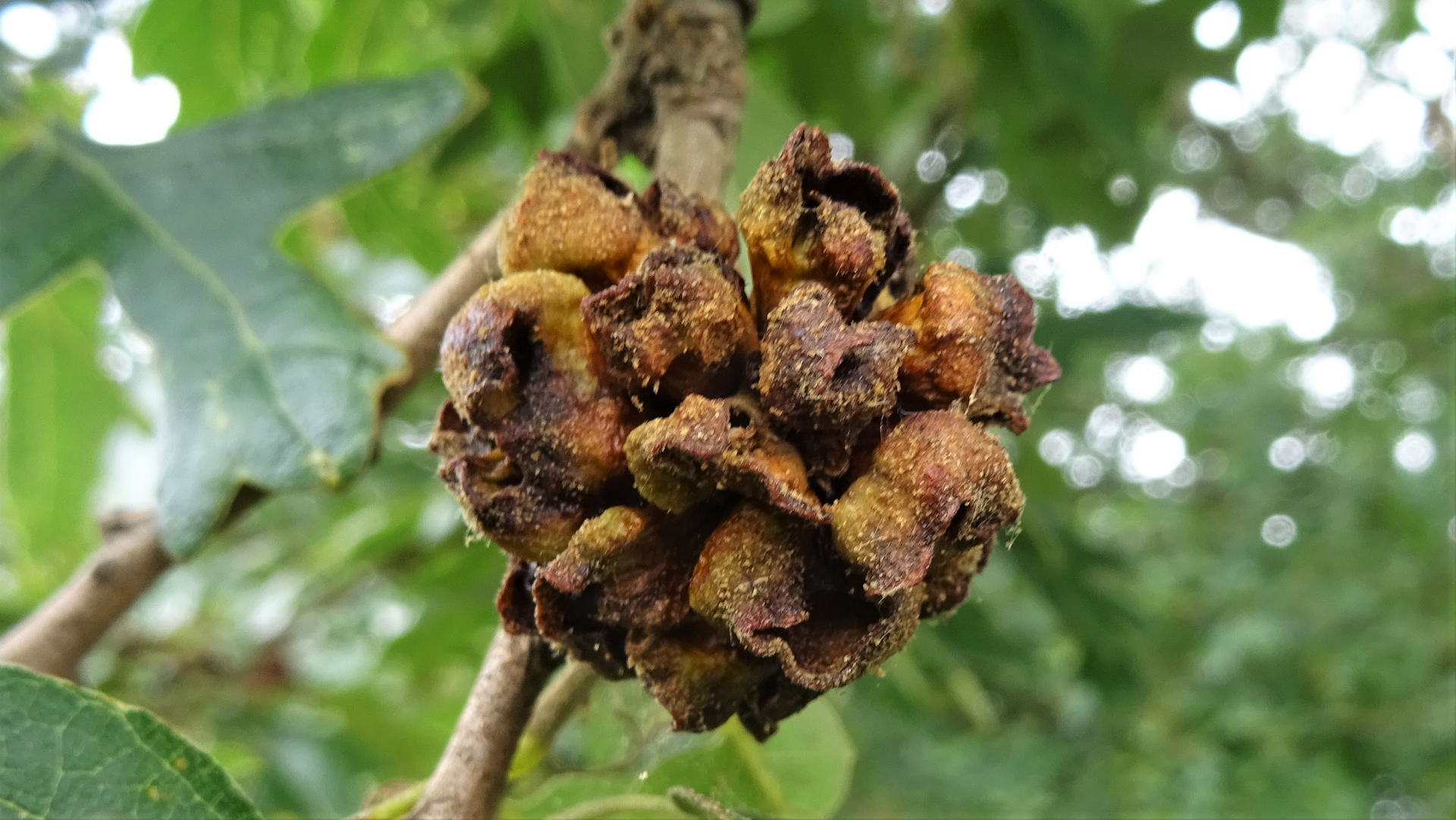
Cluster Galls were first recorded in the UK in the 1990s, having originated from the Mediterranean region. These galls result from the sexual generation of a gall-wasp. The flower-like clusters can reach sizes of up to 35mm across and consist of dish-shaped galls that interlock. Initially, the galls are green with a shiny, waxy surface, later turning reddish-brown and hard. The asexual generation of this gall-wasp produces Hedgehog Galls.
#
© hainaultforest.net. All rights reserved.
This website uses necessary cookies. It does not use targeting or advertising cookies.