

LAST QUARTER 2017
This Journal covers the last quarter of 2017 from October to December and consists of two pages. There is a button at the bottom of this page that will send you to page 2. The second page mainly features fungi and miscellaneous items.
Jay
Garrulus glandarius
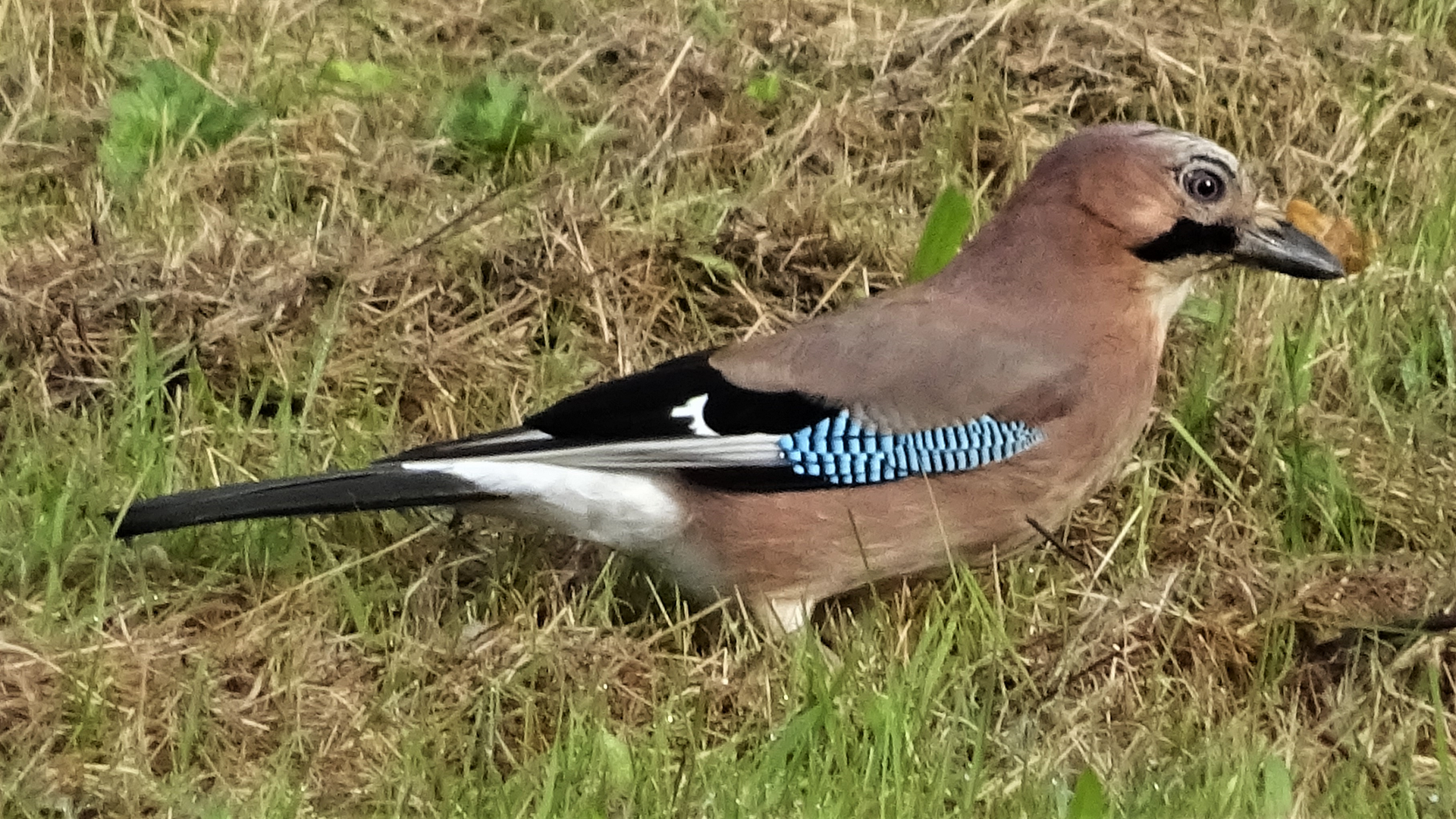
Unlike Crows, Jackdaws and Magpies which are in the same family, the Jay is a rather shy bird. This may be due to Victorian times when they were hunted for their feathers to put in ladies' hats.
#
Starling
Sturnus vulgaris

Starlings are noisy songsters that gather in large groups on bushes. They appear blackish from far away, but when nearer a shiny sheen of purple and green is evident.
#
Robin
Erithacus rubecula

Because of a high mortality rate in the first year the average life expectancy of of Robin is just over one year. Once past the first year life expectancy improves.
#
Pied Wagtail
Motacilla alba
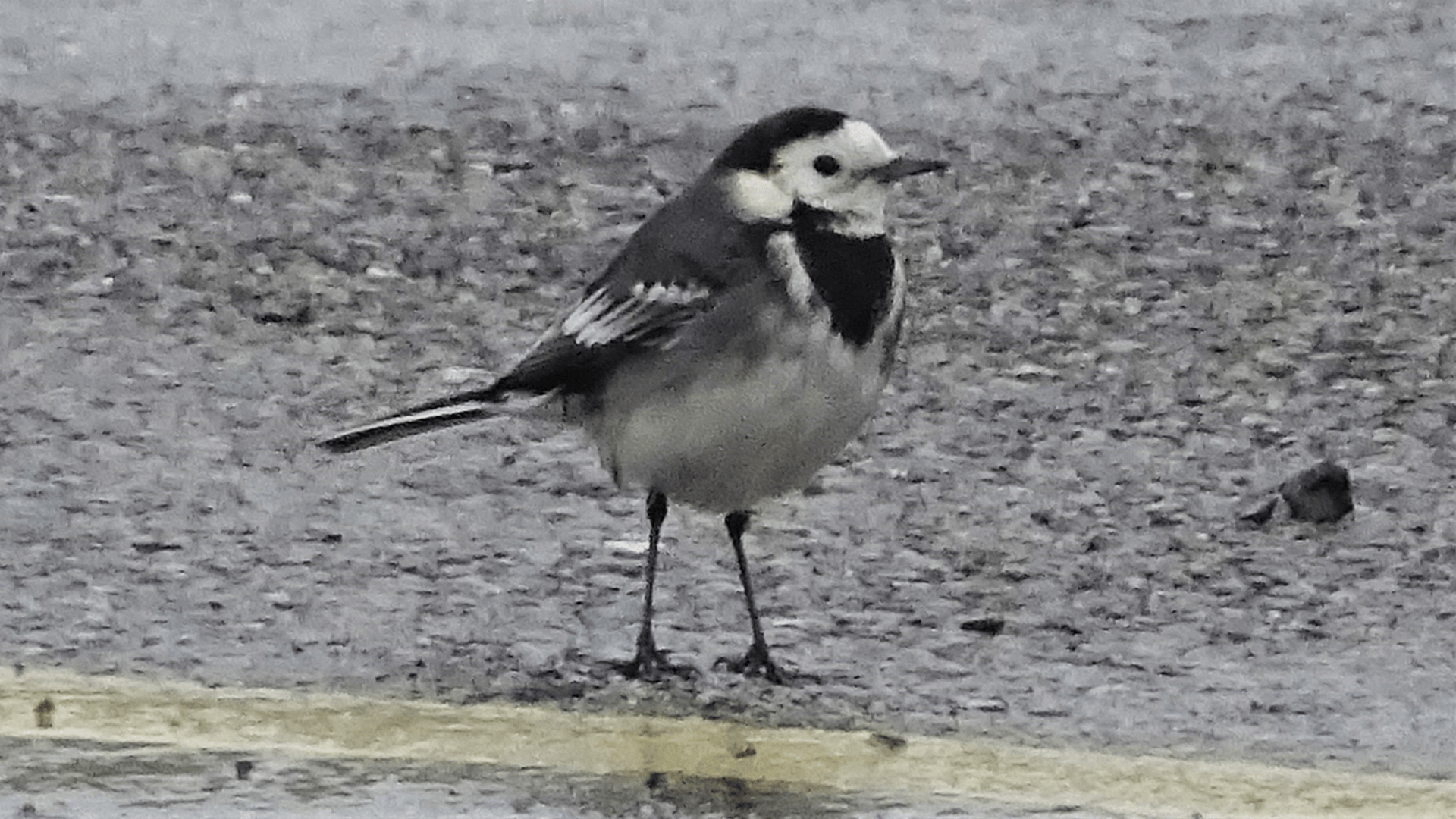
Pied Wagtails are habitual tail-wagglers. They are often seen in open areas such as grassy meadows and car parks searching for food.
#
Mistle Thrush
Turdus viscivorus

The largest British thrush. It stands boldly erect and bounds across the ground. Mistle Thrushes are often seen perched high in the tree-tops singing.
#
Greylag Goose
Anser anser

The Greylag is the ancestor of most domestic geese.
#
Ducks
Anas platyrhynchos
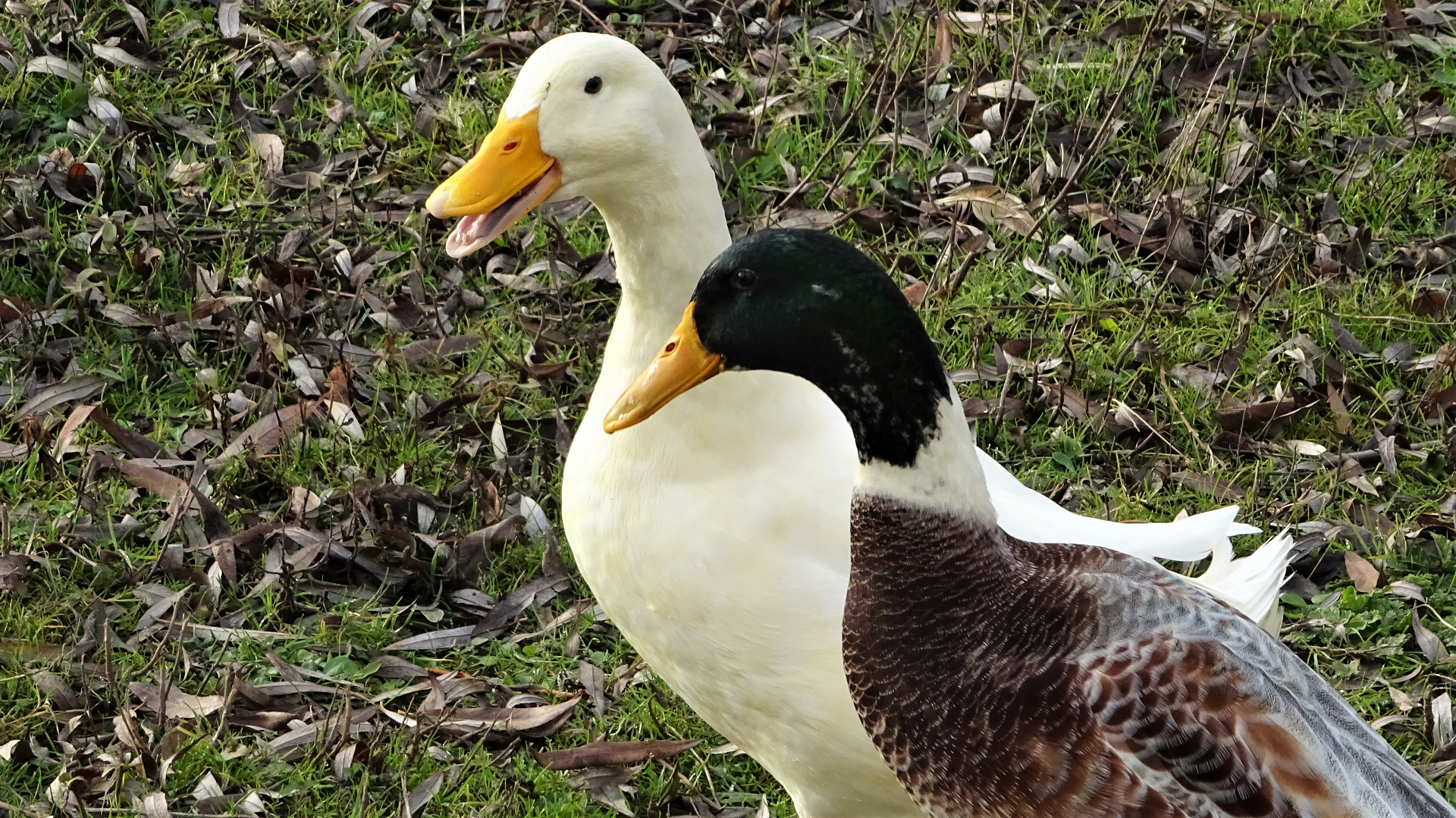
The Pekin Duck at Hainault Lake has a strong friendship with this Runner Duck. The pair are rarely seen apart.
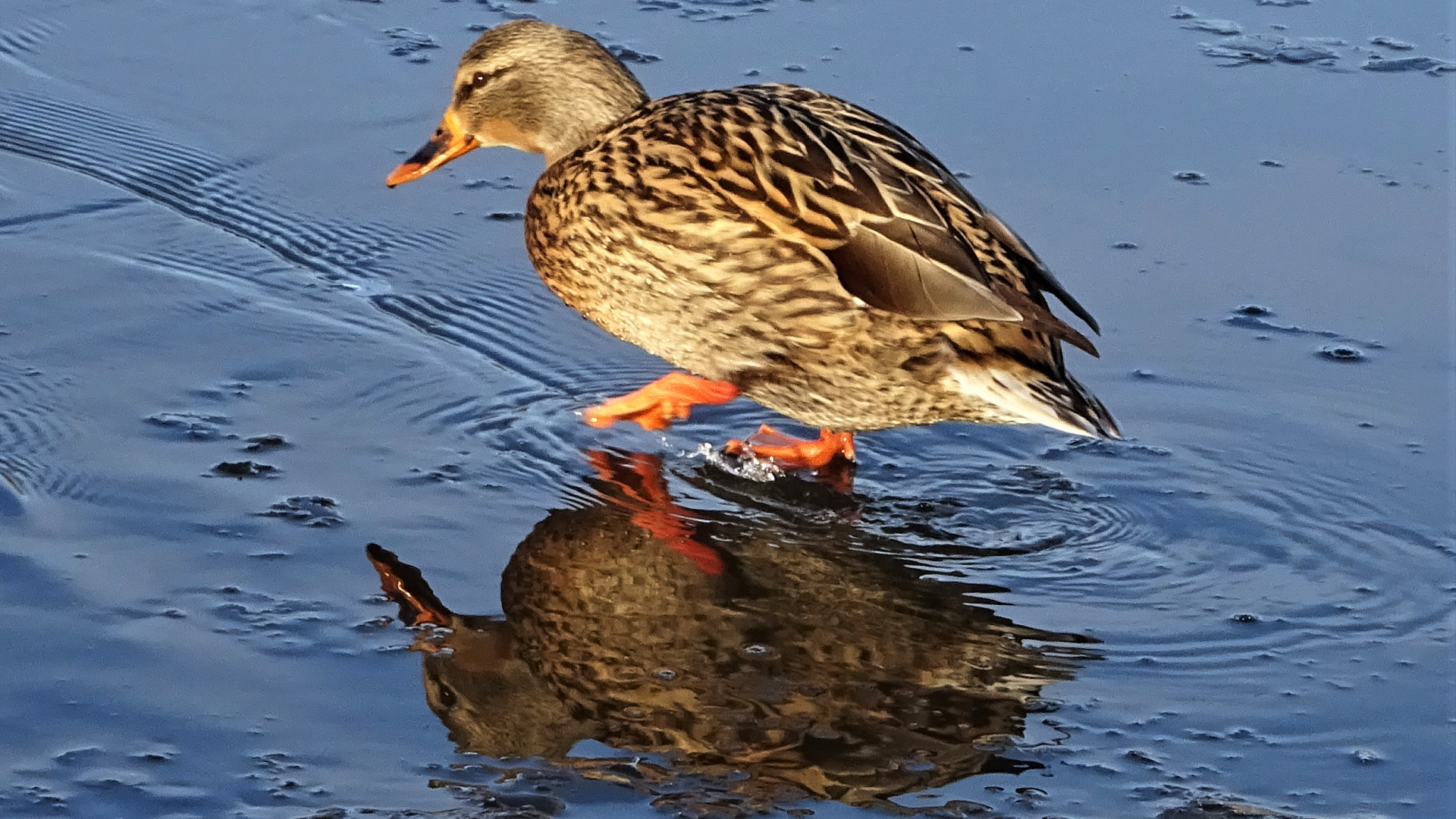
Hainault Lake froze in December. Ducks are well-protected against the cold due to a thick layer of body fat and soft down beneath their waterproof feathers, although they may have difficulty navigating the icy waters.
#
Mute Swan
Cygnus olor
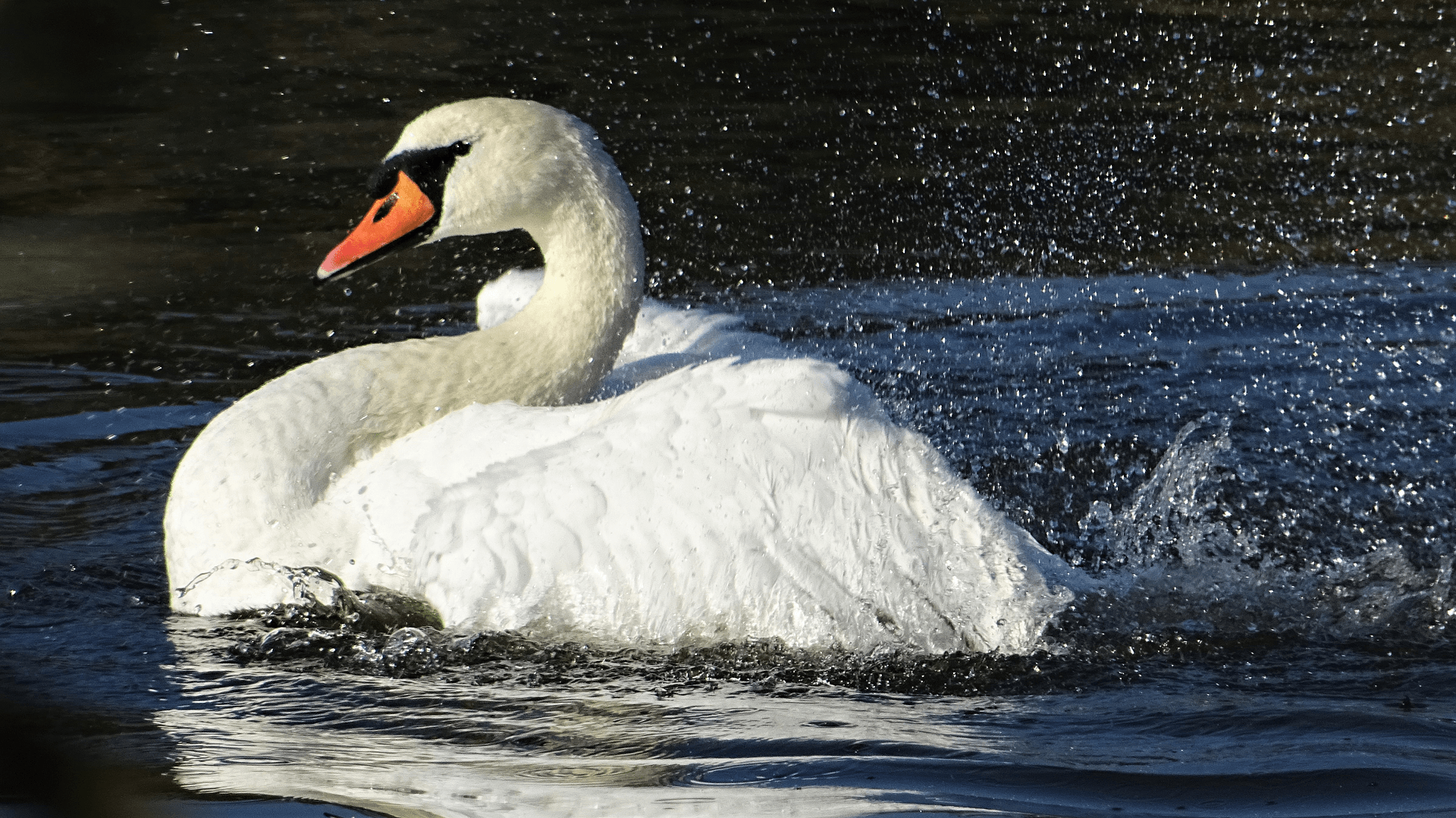
The most common type of swan in Britain is known for its gracefulness and quiet demeanour, although it can hiss or snort when necessary. Distinguishing between male and female swans is not always easy; however, during the breeding season, the black knob at the base of the male's bill becomes significantly larger than that of the female. The female, referred to as the Pen, incubates her eggs on a mound of vegetation, while the male, known as the Cob, remains vigilant, warding off potential threats. Both parents participate in caring for the nest. As the cygnets grow and become more independent, the parents gradually reduce their involvement. If the cygnets are hesitant to leave, the parents may become more assertive in encouraging them to depart. Swans primarily feed on water plants, seeds, snails, and insects.
#
Cormorant
Phalacrocorax carbo
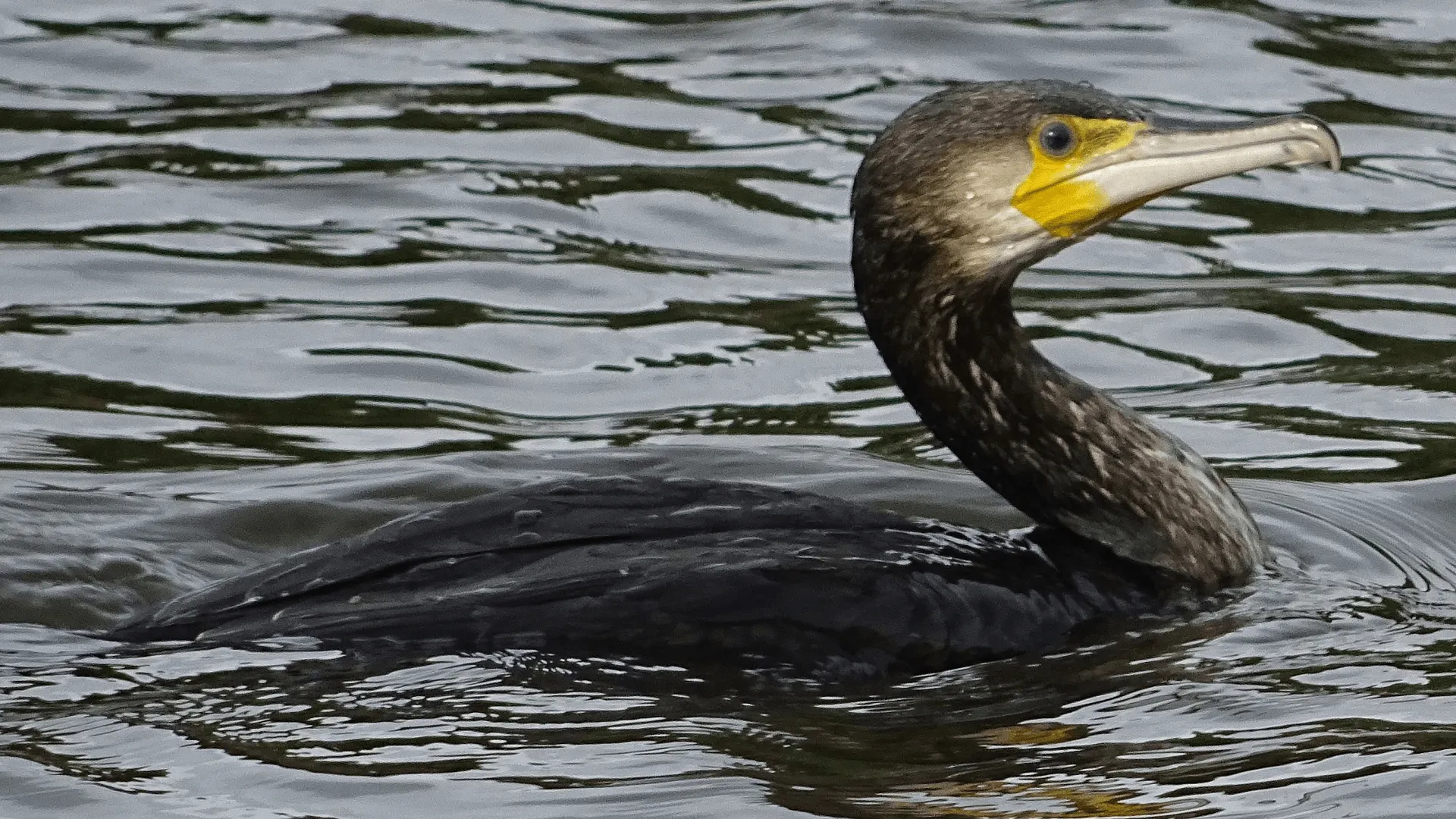
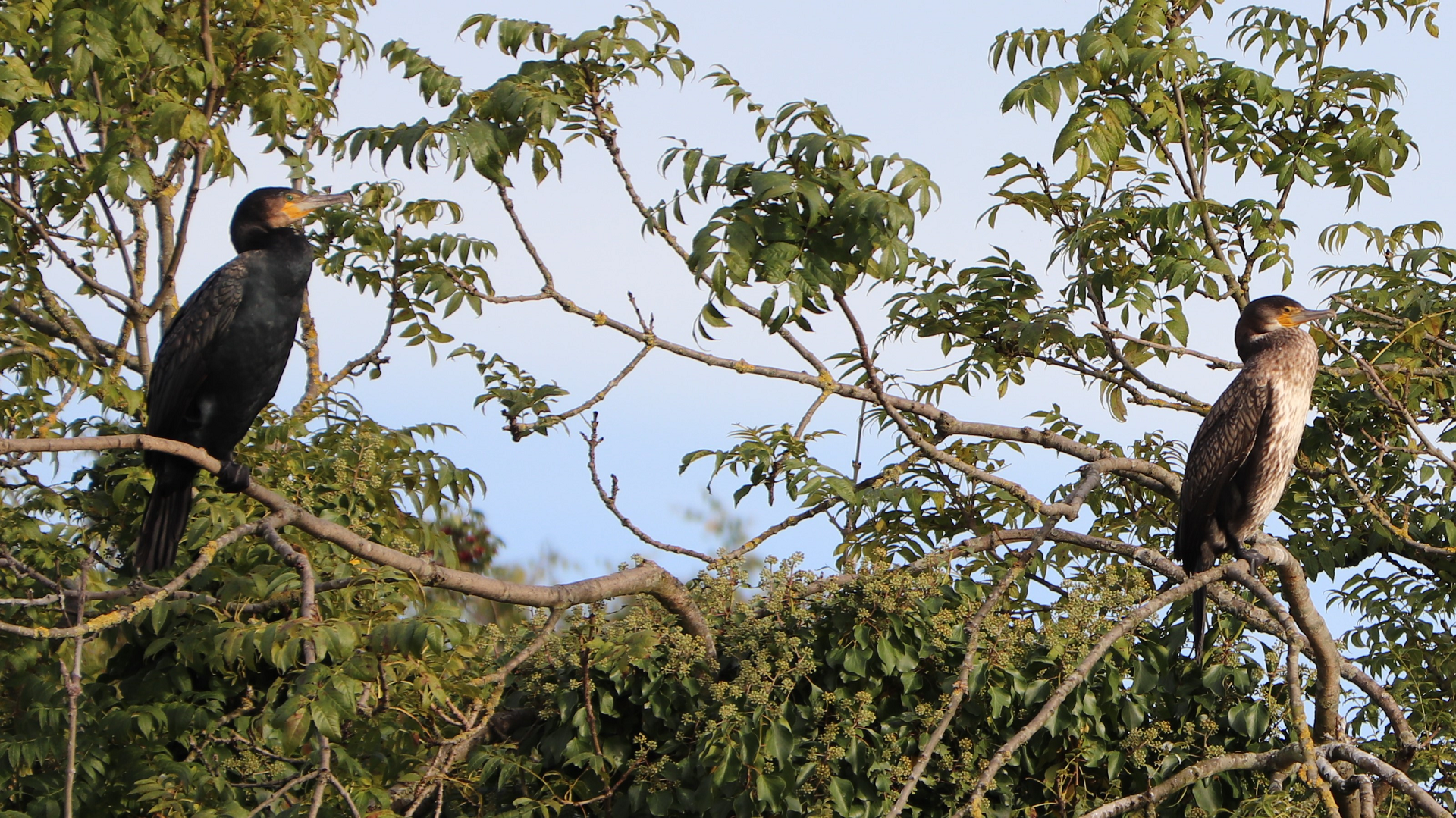
Once thought of as a coastal bird, but now a frequent visitor to inland waters. Juvenile cormorants have light-coloured breasts.
#
Grey Heron
Ardea cinerea
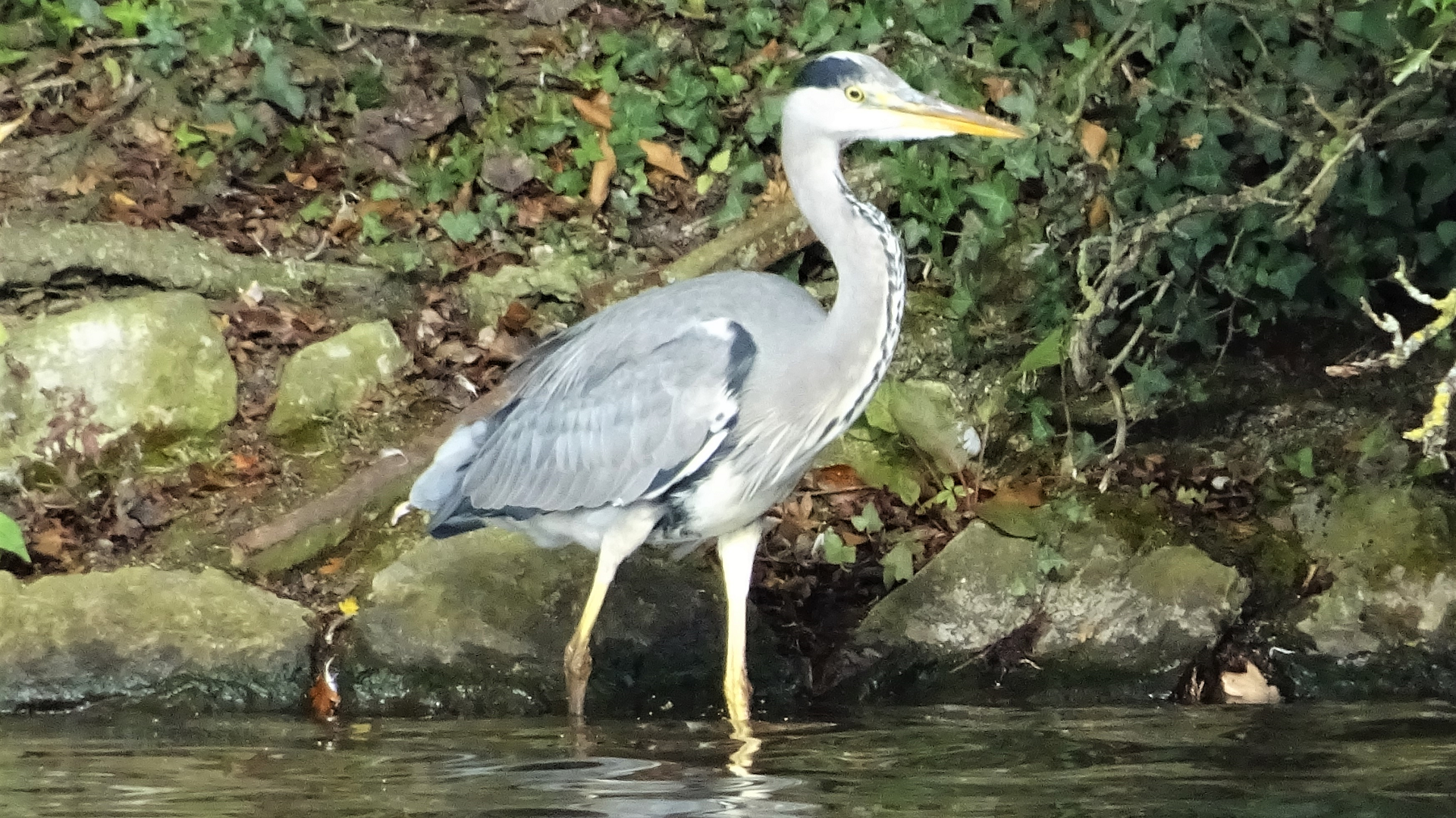
Grey Herons feed on fish, ducklings, small mammals and amphibians.
#
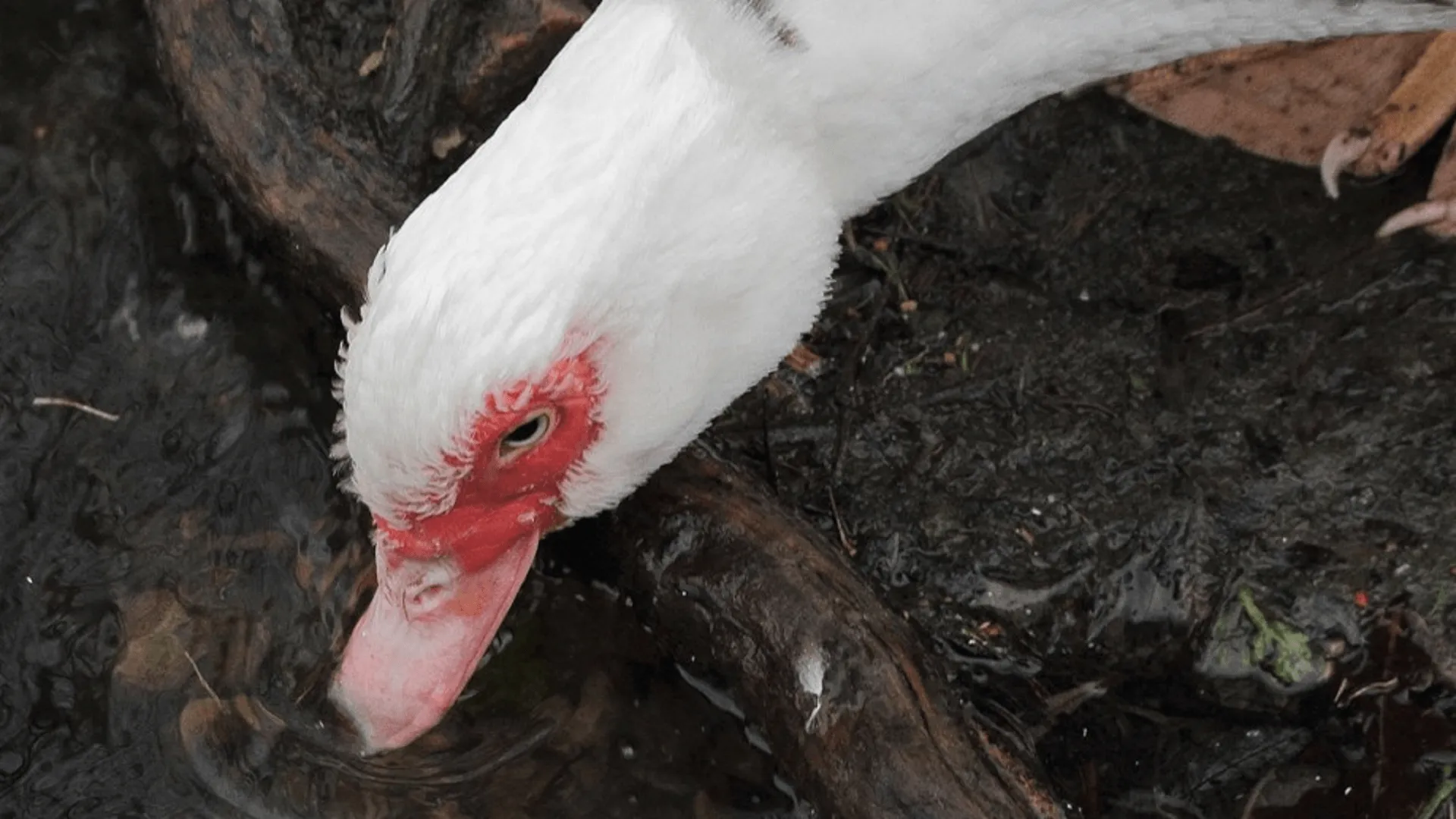
Muscovy Duck
Cairina moschata
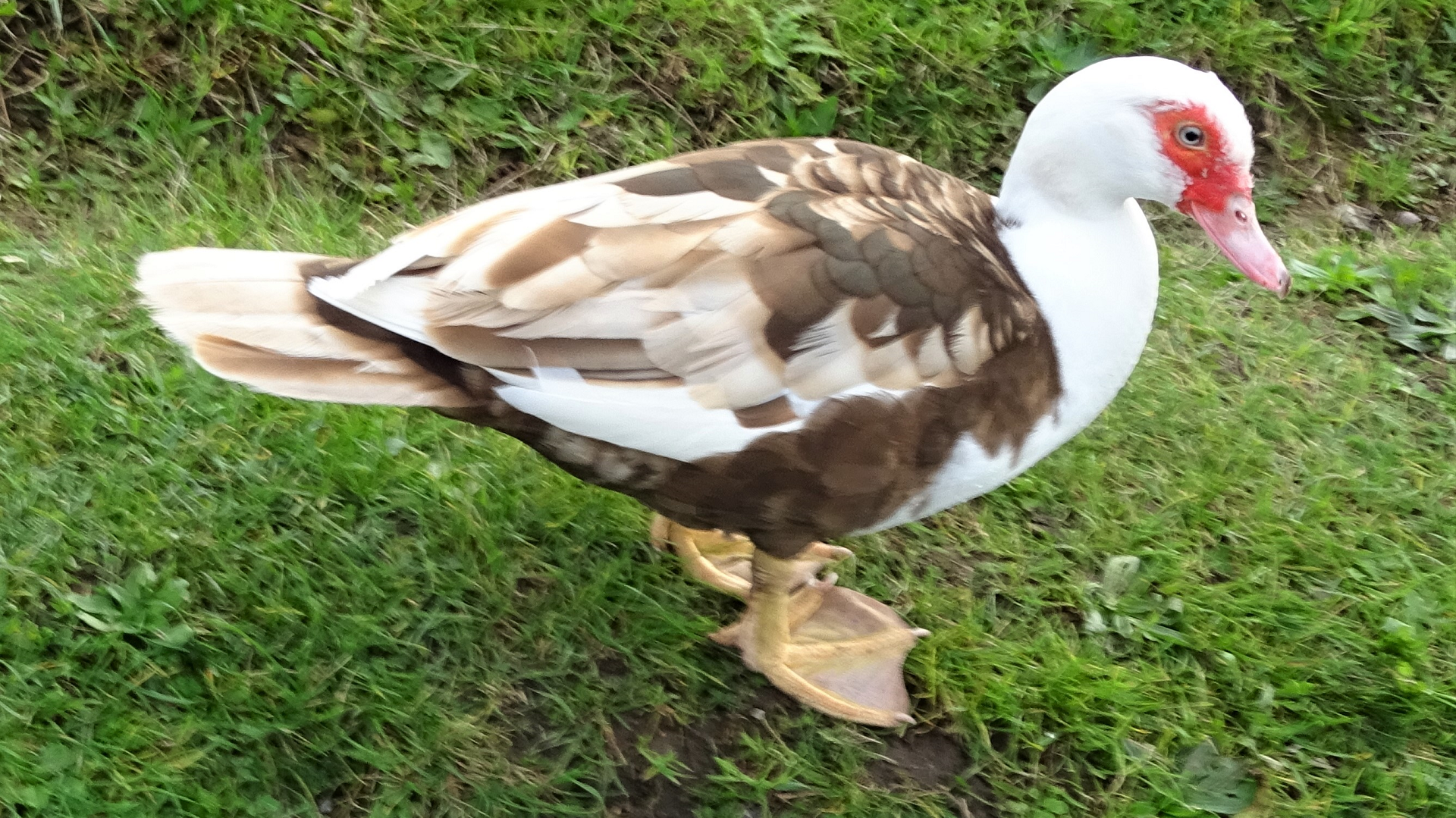
The Muscovy is the only breed of domestic duck found in Britain not descended from the wild Mallard. Originating from central and southern America this species is now widespread in Britain after escaping from captivity.
#
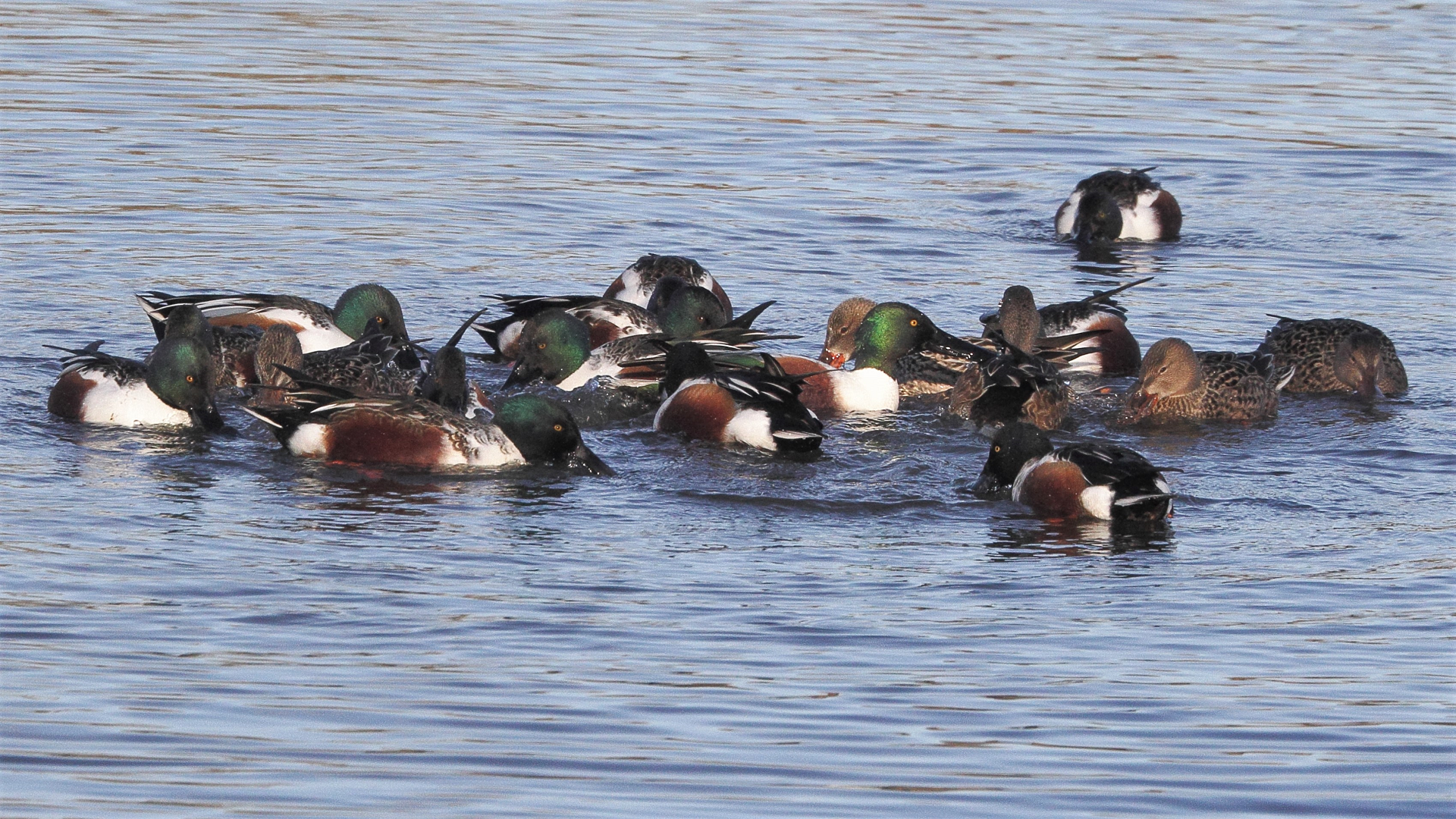
Shoveler
Anas clypeata

Shovelers are surface feeding ducks with large spatulate bills. They are winter visitors often seen at Hainault Lake and Fairlop Waters. They trawl for insects and plant material with their bills in the water. Females are mottled brown.
#
Little Grebe
Gachybaptus ruficollis
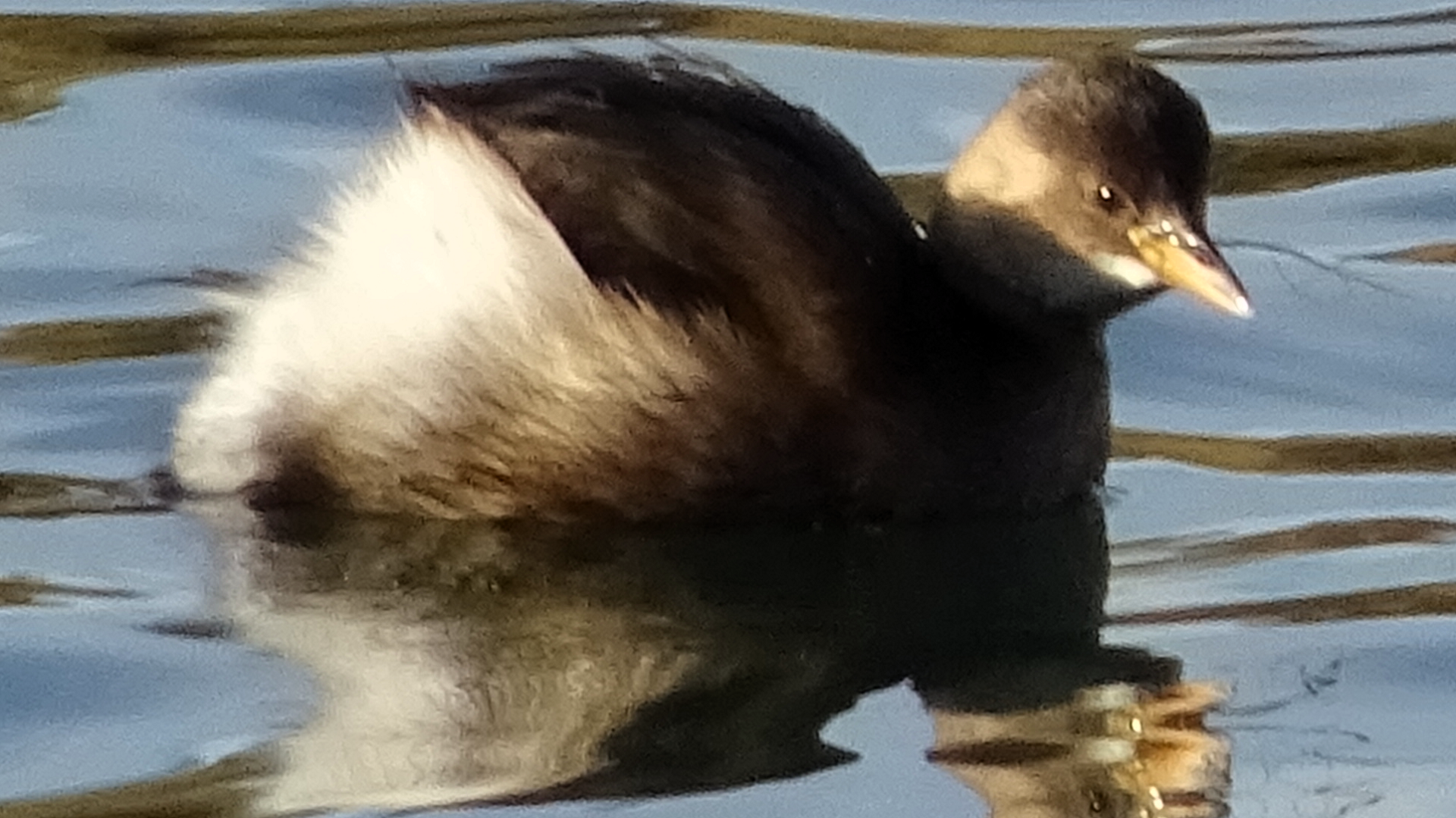
During summer, the adult is primarily dark on top, with a rufous neck, cheeks, and flanks, along with a bright yellow, pointed bill. In winter, the coloration changes to a brownish-grey for non-breeding birds, and a fluffy-looking rump is typically present. Juveniles feature yellow bills with black tips, as well as black and white streaks on their cheeks and sides of the neck. Nests are constructed on floating vegetation. The breeding call consists of repeated weet-weet-weet sounds that resemble a whinnying horse. They dive to catch fish. Chicks are sometimes seen riding on the backs of swimming adults, although they are capable of swimming shortly after hatching. This species is the smallest grebe found in Britain and is commonly referred to as the 'Dabchick.'
#
Lesser Black-backed Gull
Larus fuscus

Lesser Black-backed Gulls are usually winter visitors to Hainault Lake. This bird is still showing hints of juvenile coloration.
#
Black-headed Gull
Chroicocephalus ridibundus

Black-headed Gulls are regarded as winter visitors but are seen during other seasons too. When in winter plumage there is only a small dot on the side of the head, come summer and the head is totally dark.
#
Kestrel
Falco tinnunculus
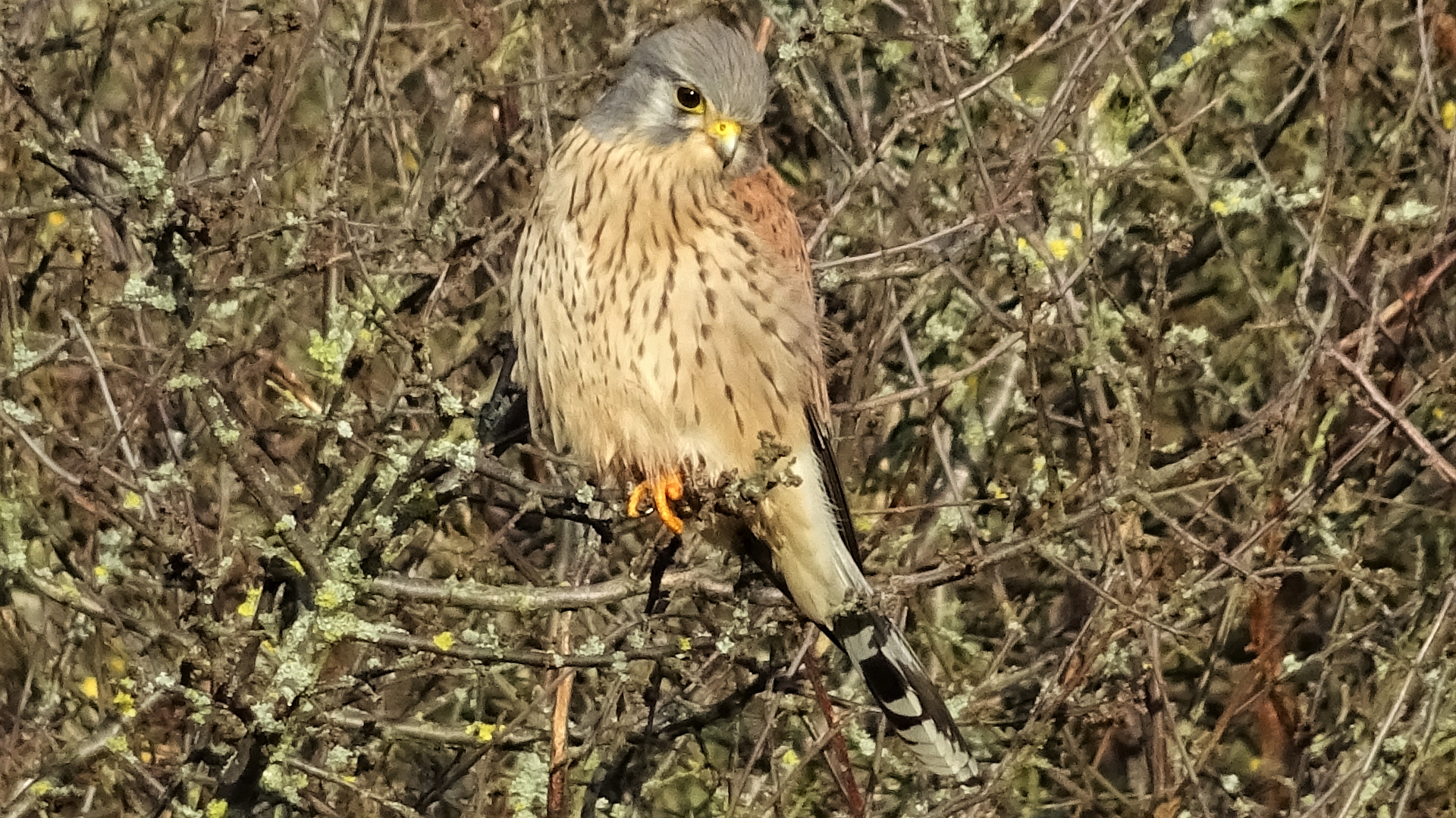
Kestrels frequently hover above meadows in search of small rodents and birds.
#
Harris's Hawk
Parabuteo unicinctus

This bird is not commonly found in Hainault Forest, and it is probable that it has escaped from captivity. This species is typically located in South and Central America, where it is known for hunting in groups. Its diet consists of small mammals, birds, insects, and lizards. It has a wingspan of approximately 120 cm.
#
Common Blue
Polyommatus icarus
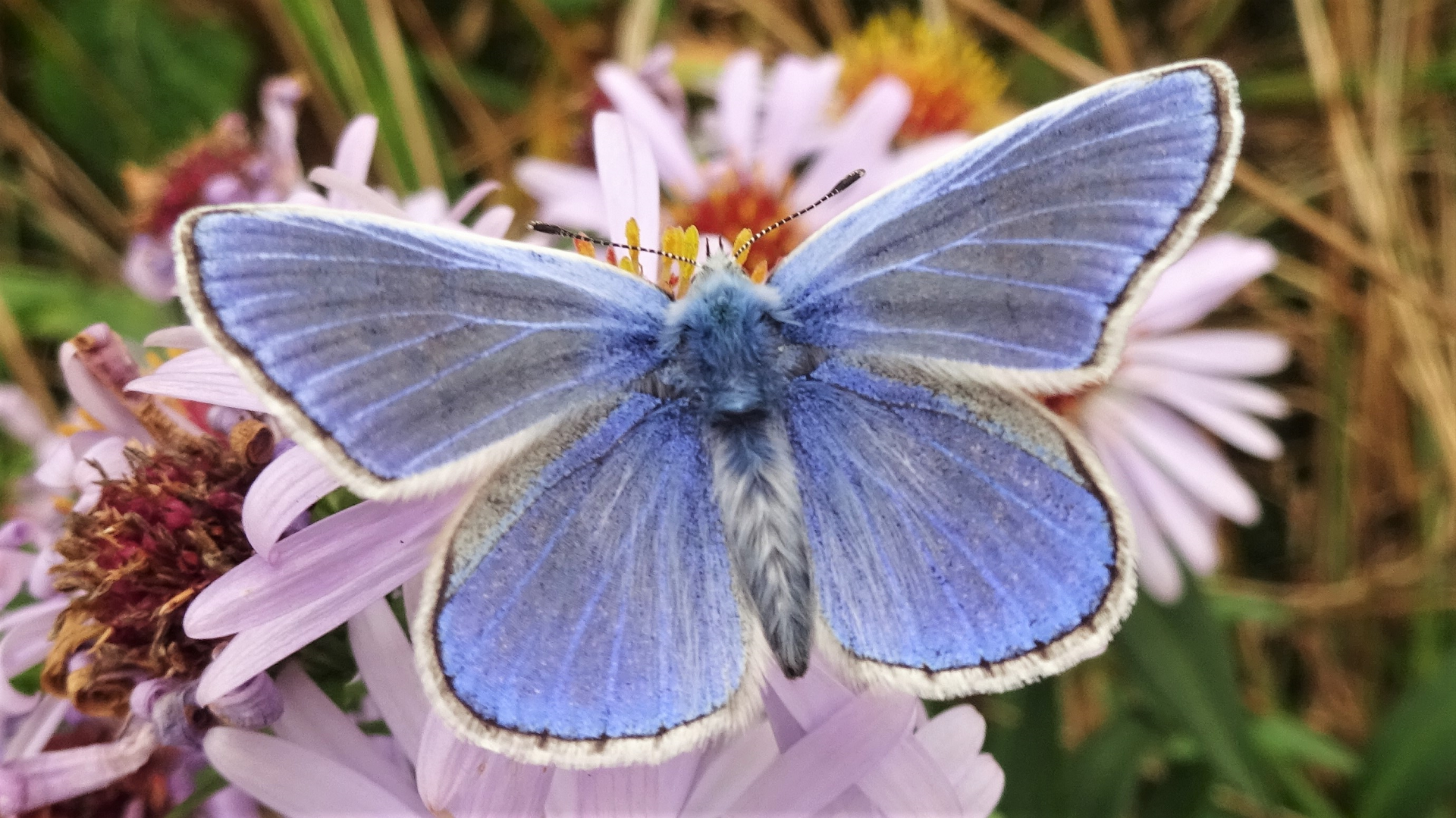
The Common Blue is a small butterfly with a wingspan of approximately 35mm, typically found in meadows during the summer and autumn months. Males are brightly coloured, while females tend to be less colourful and may appear nearly entirely brown.
#
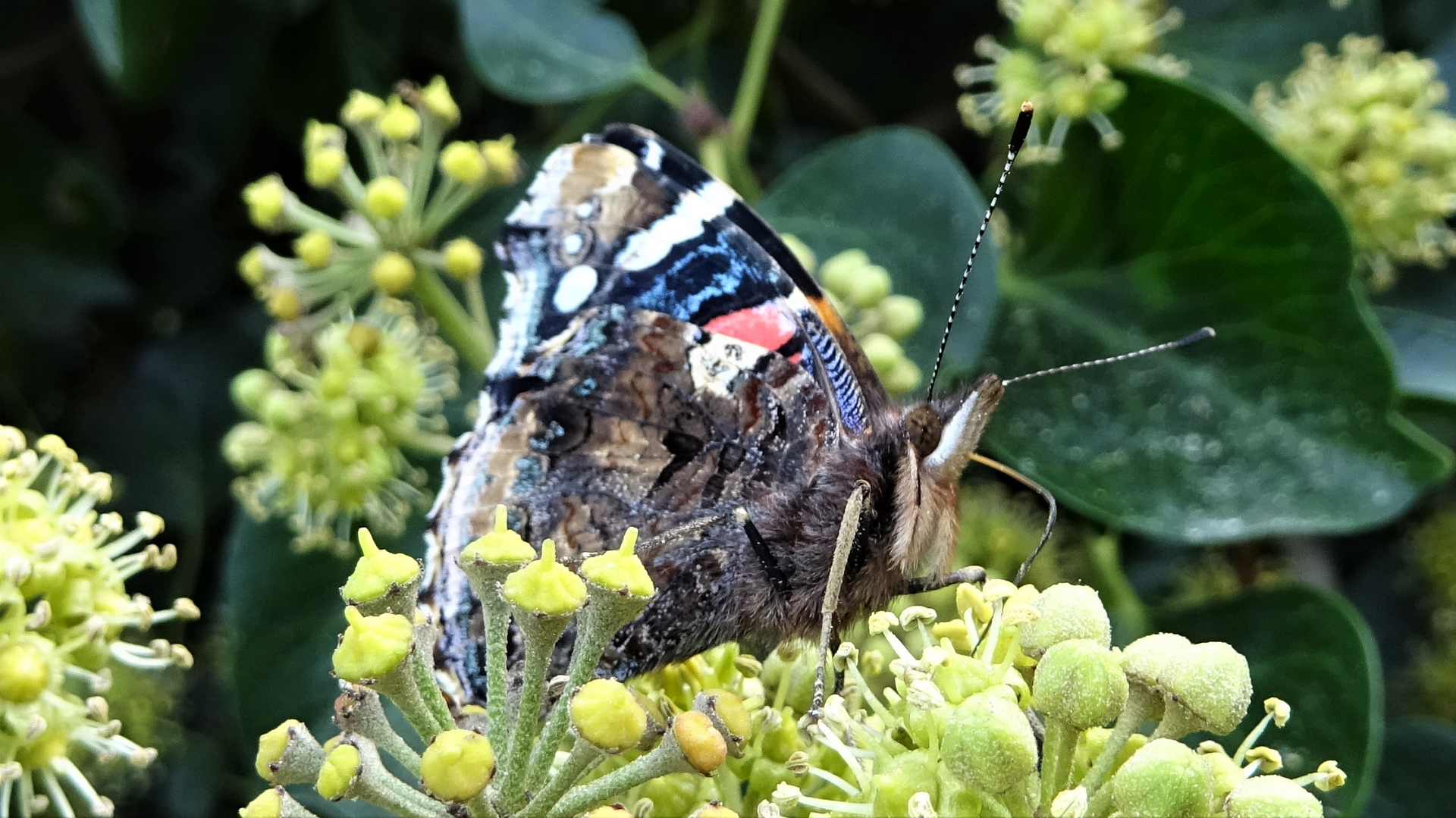
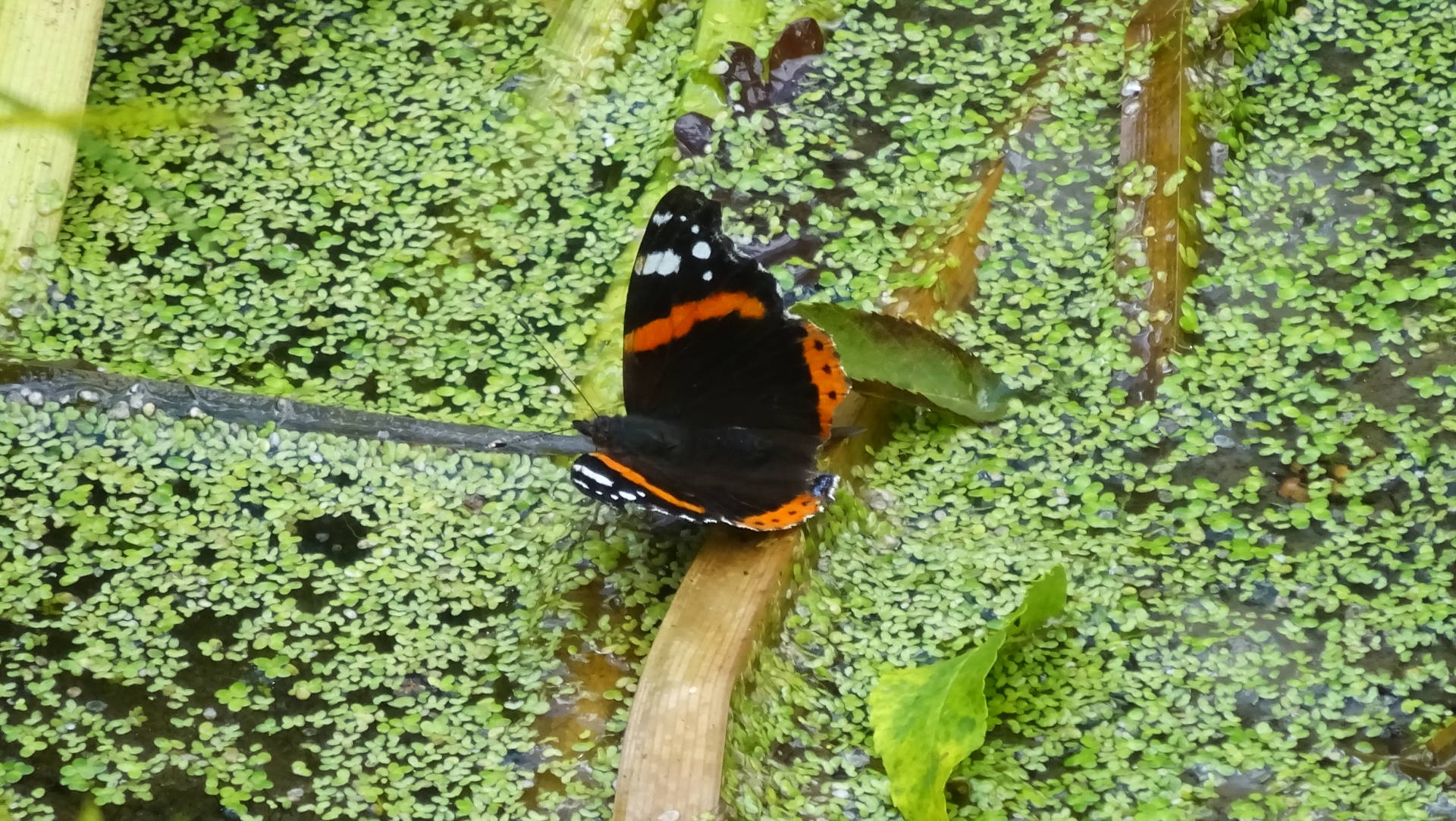
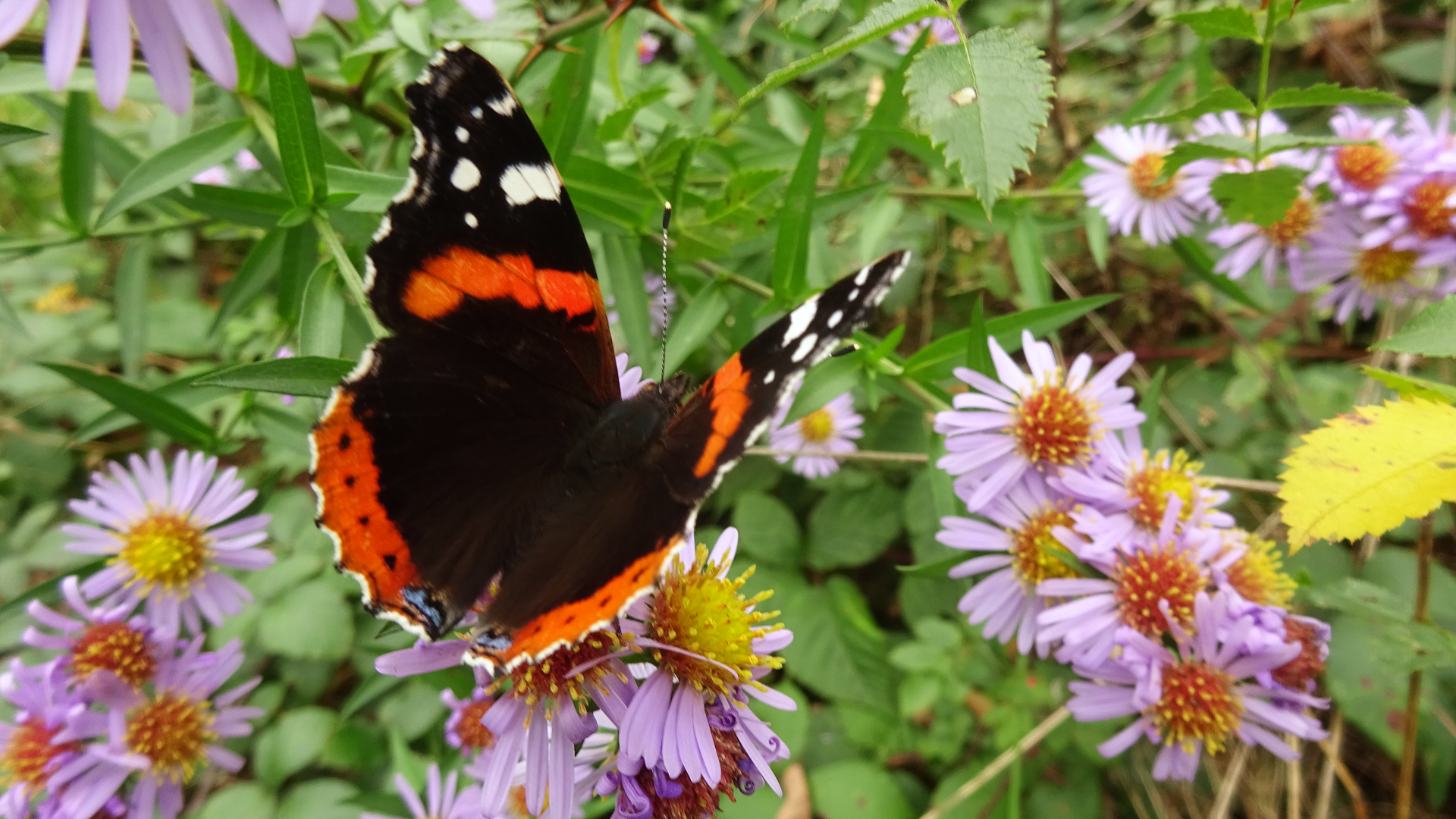
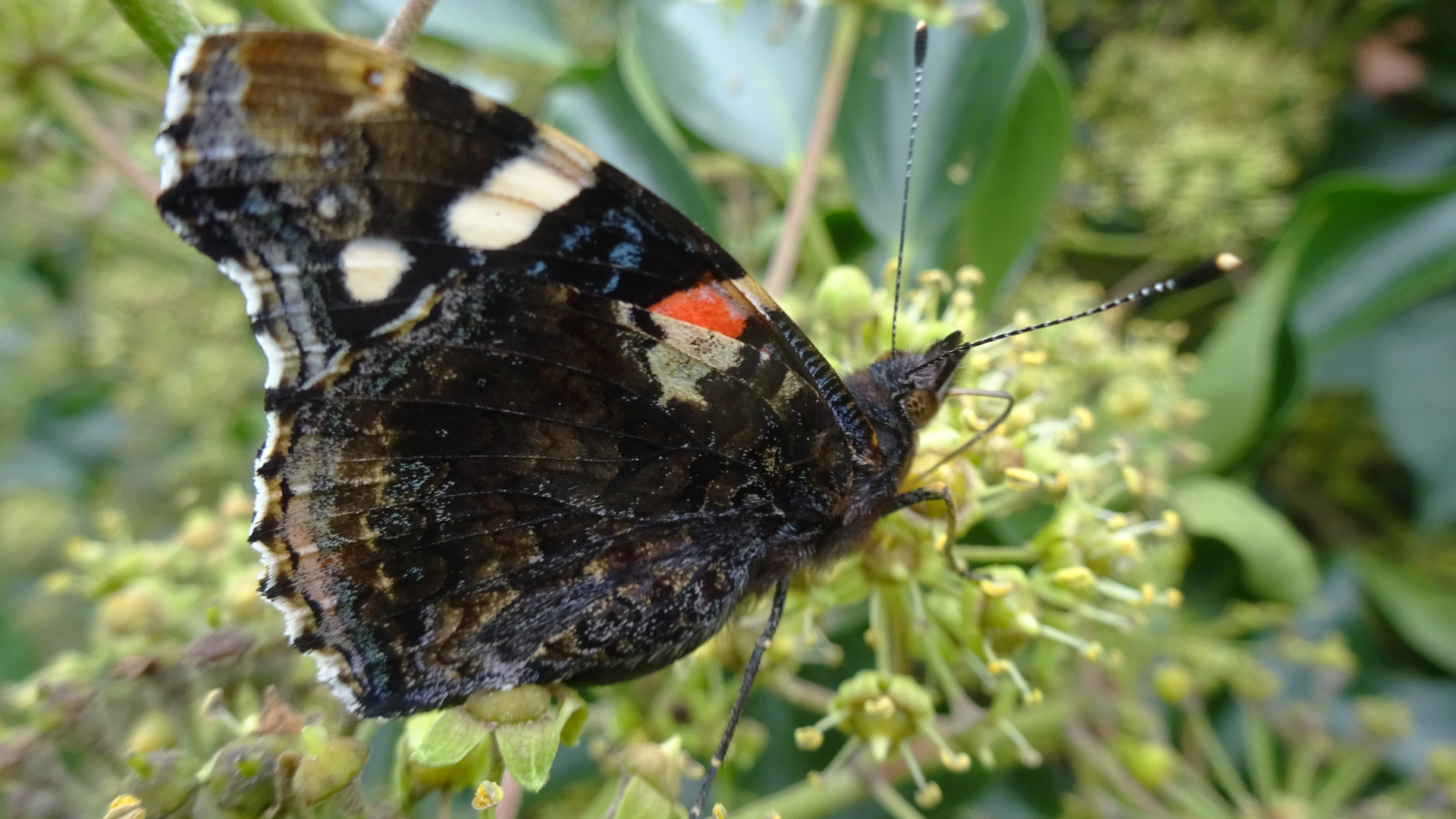
Red Admiral
Vanessa atalanta
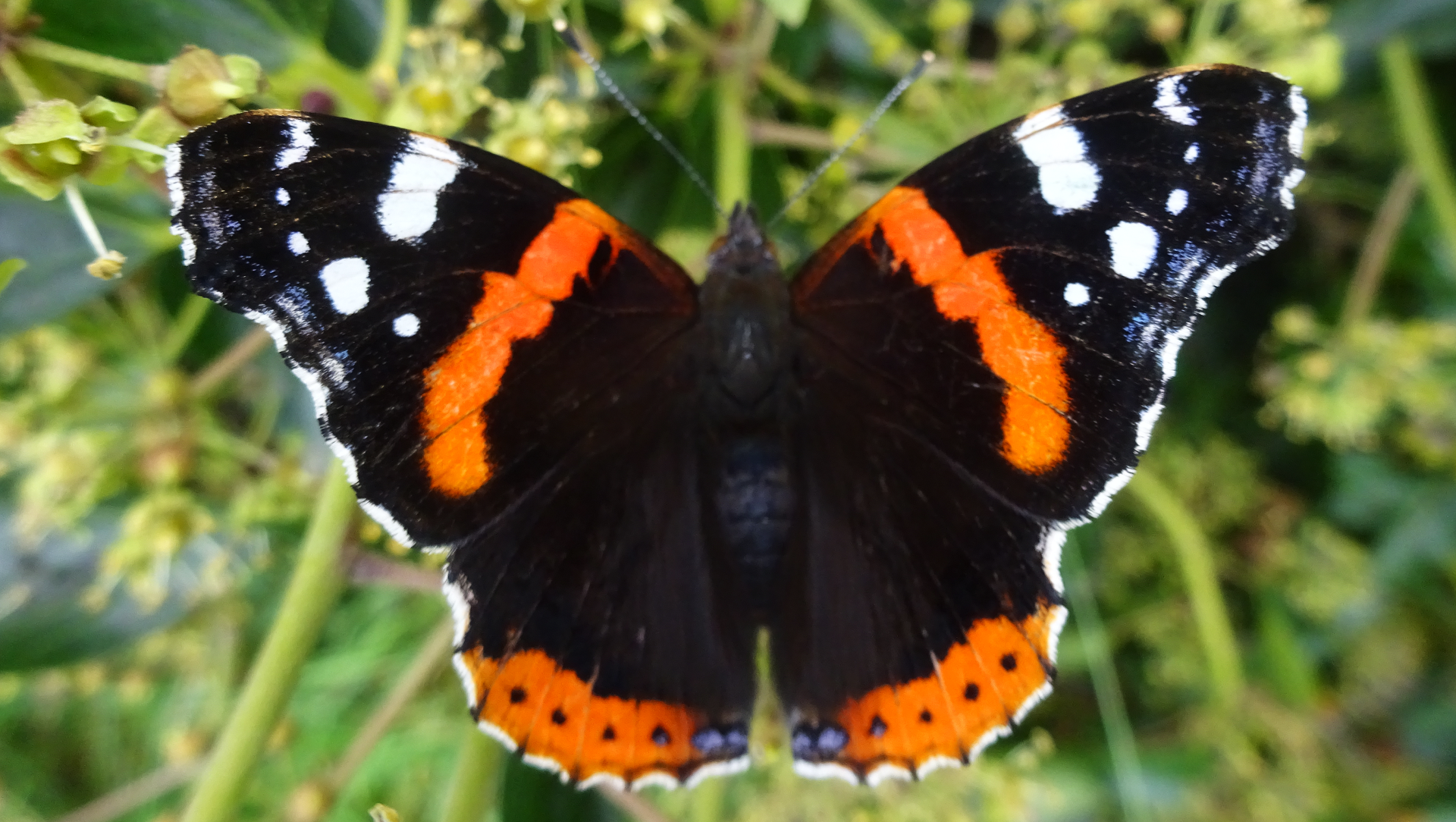
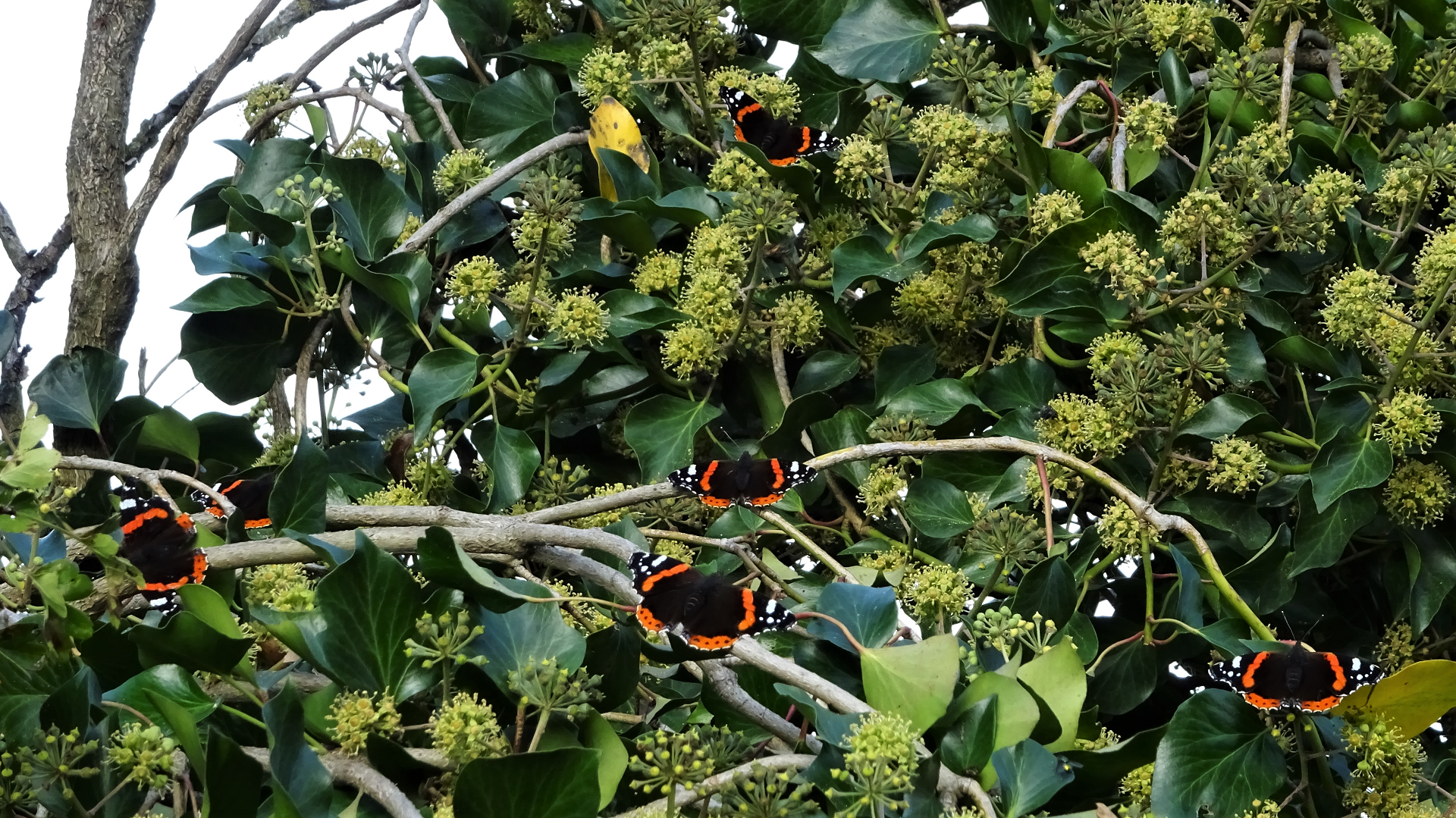
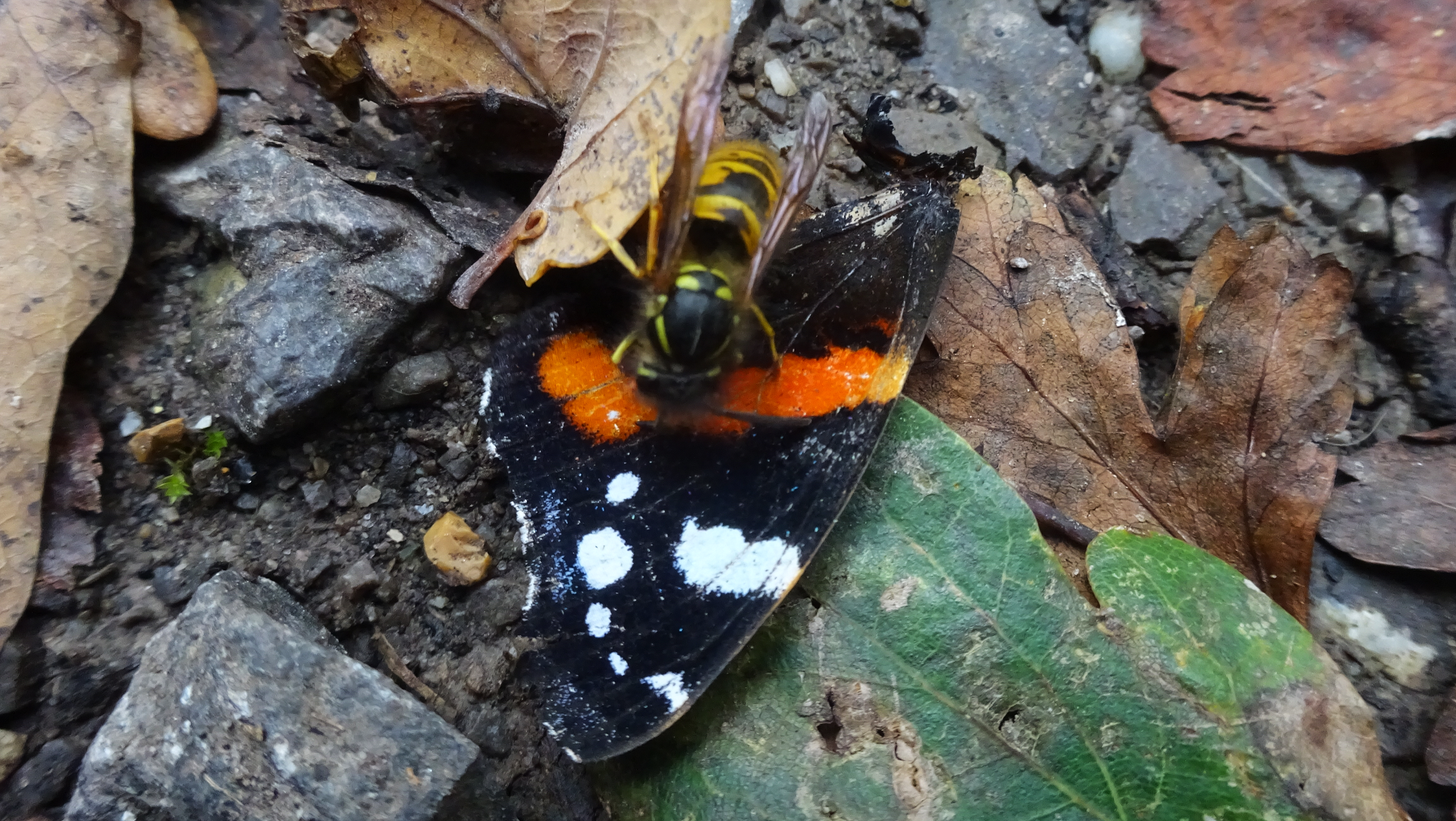
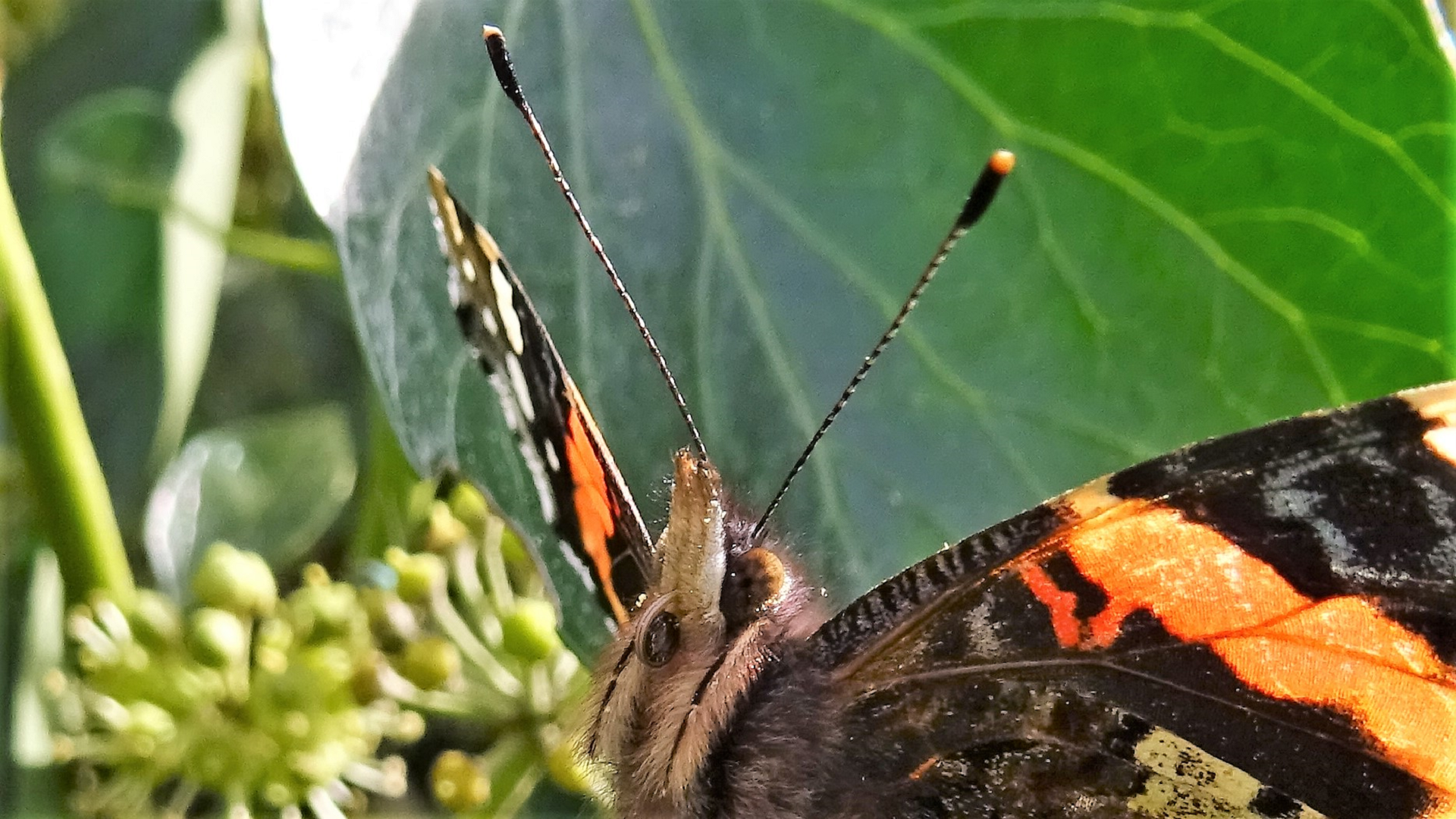
The Red Admiral is a medium-sized butterfly characterised by black wings, red bands, and white spots, previously referred to as the Red Admirable.. The wingspan is approximately 5 cm. Groups are sometimes seen basking in sunshine on an ivy bush near the Global Cafe. Closing the wings helps them blend in with their surroundings.
#
Nettle Plant Bug
Liocoris tripustulatus
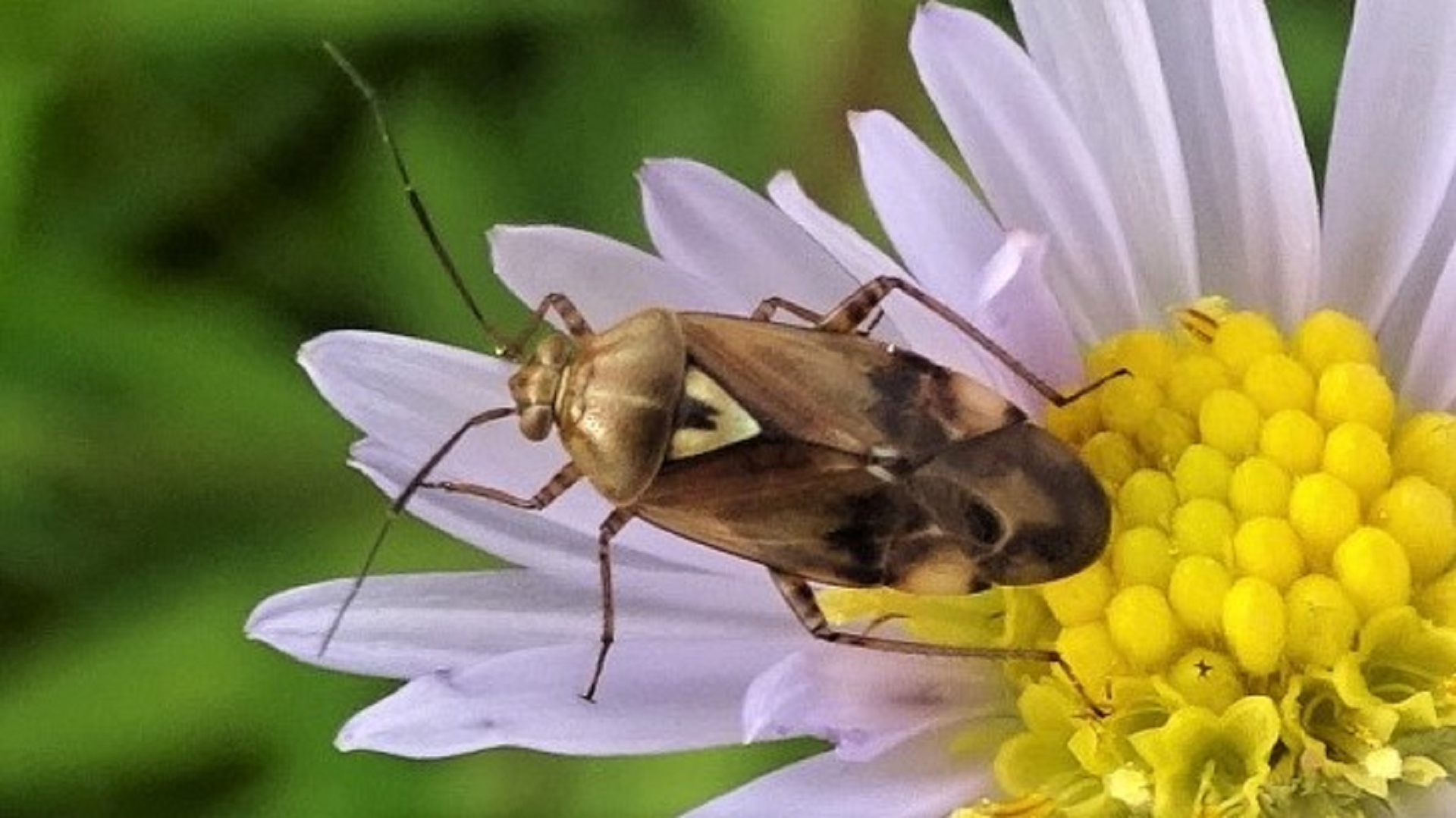
A tiny plant bug about 4-5mm long. Colouration is variable, but distinctive, usually darker in spring and paler towards autumn. This species is usually associated with nettles.
#
Western Honey Bee
Apis mellifera
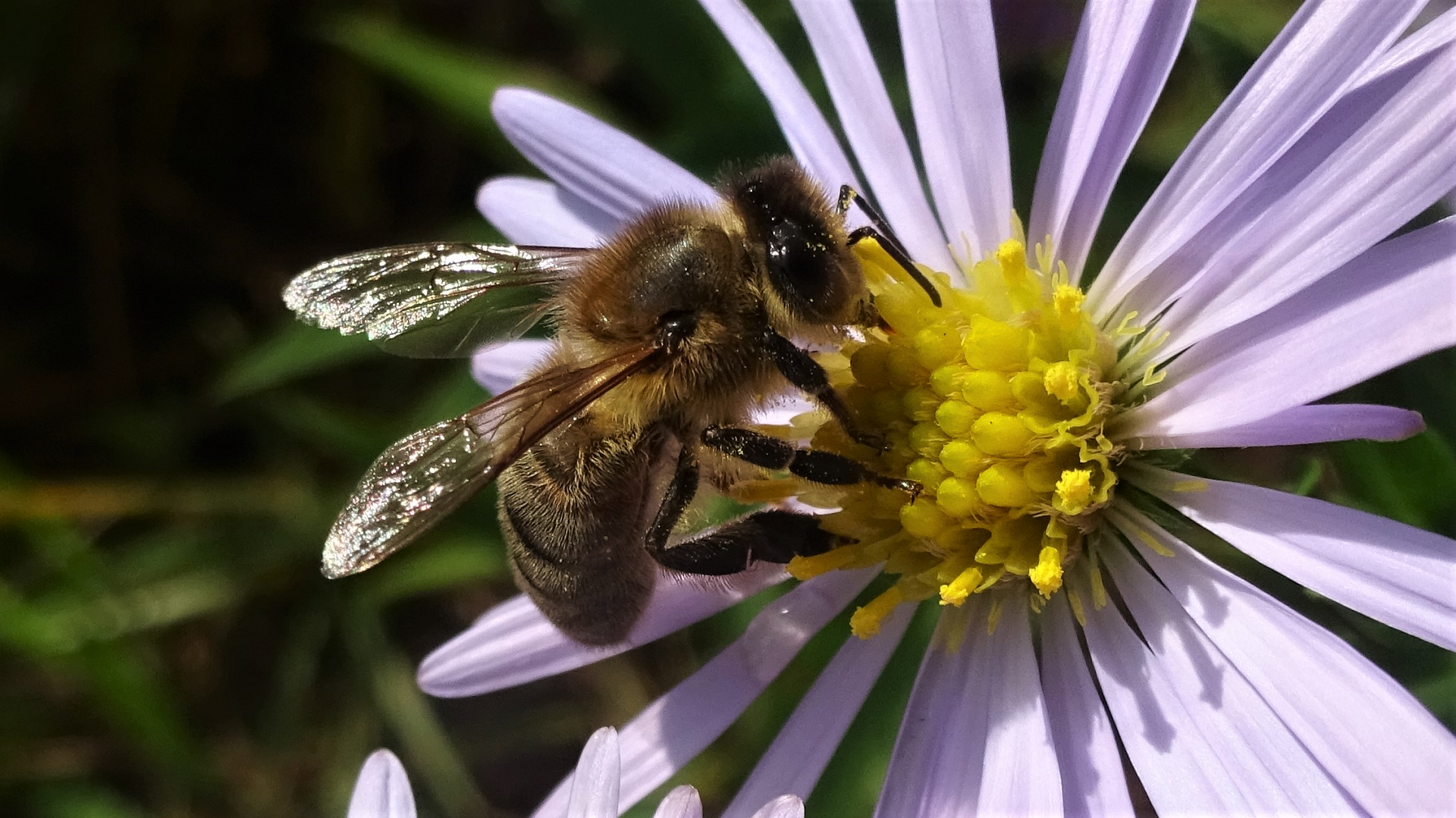
Far more Honey Bees now nest in man-made hives than live in a natural habitat. Many plants rely on these social creatures for pollination.
#
European Hornet
Vespa crabro

New Queens mate with drones from other nests then hibernate. This hornet found a hole under rotting bark to rest over winter. It will start a nest in spring.
#
Wasp
Vespula
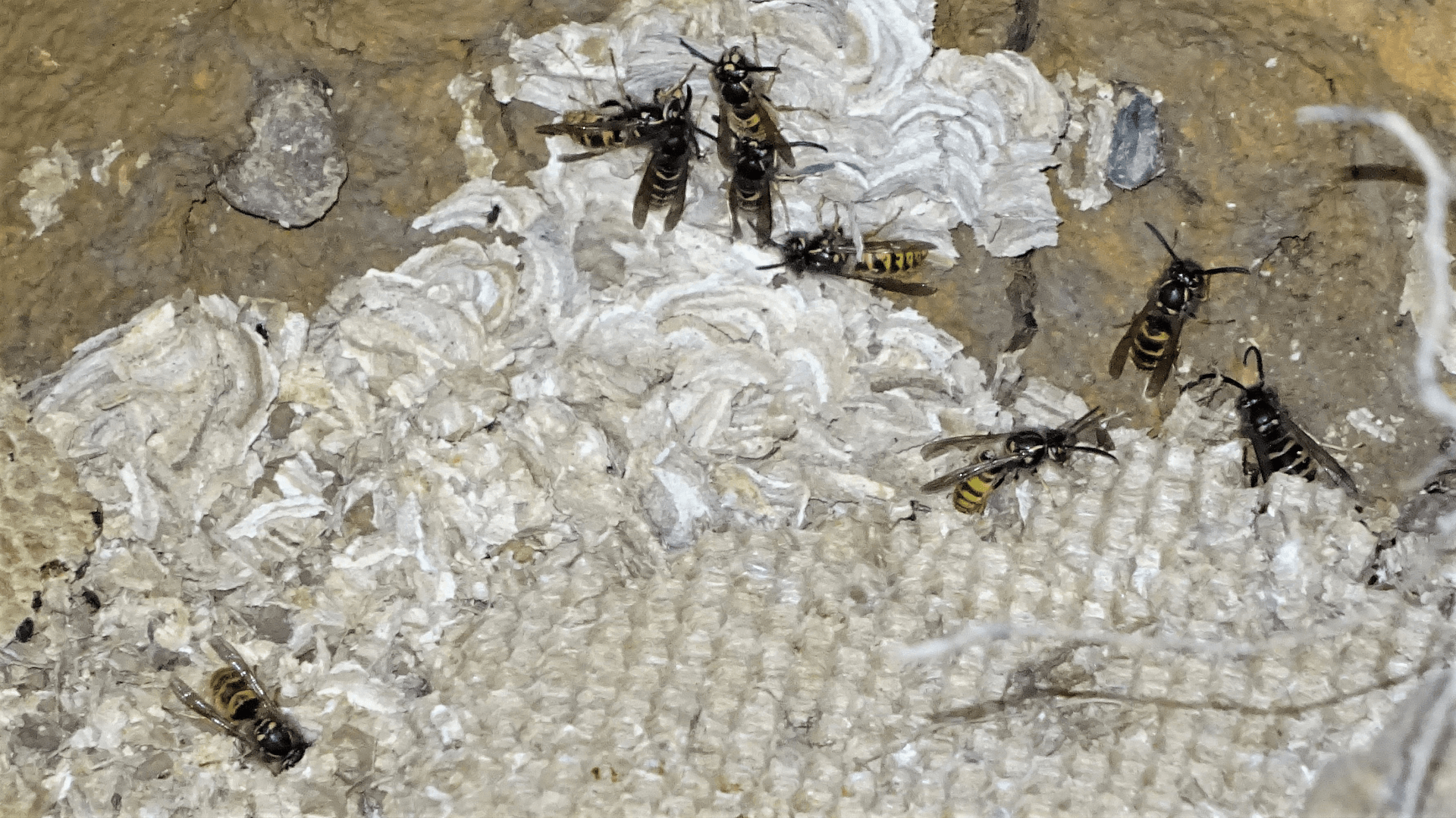
This underground wasp nest at the edge of a ditch was torn apart by a badger looking for a meal. Most of the contents were scattered on the ground. Inside the hole where the nest had been a number of wasps were still moving about. Badgers are probably one of the few animals that can dig out a wasp nest without getting stung to death. Some of the exposed papery cells still contained a few wasp larvae.

#
Hedgehog Slug
Arion intermedius
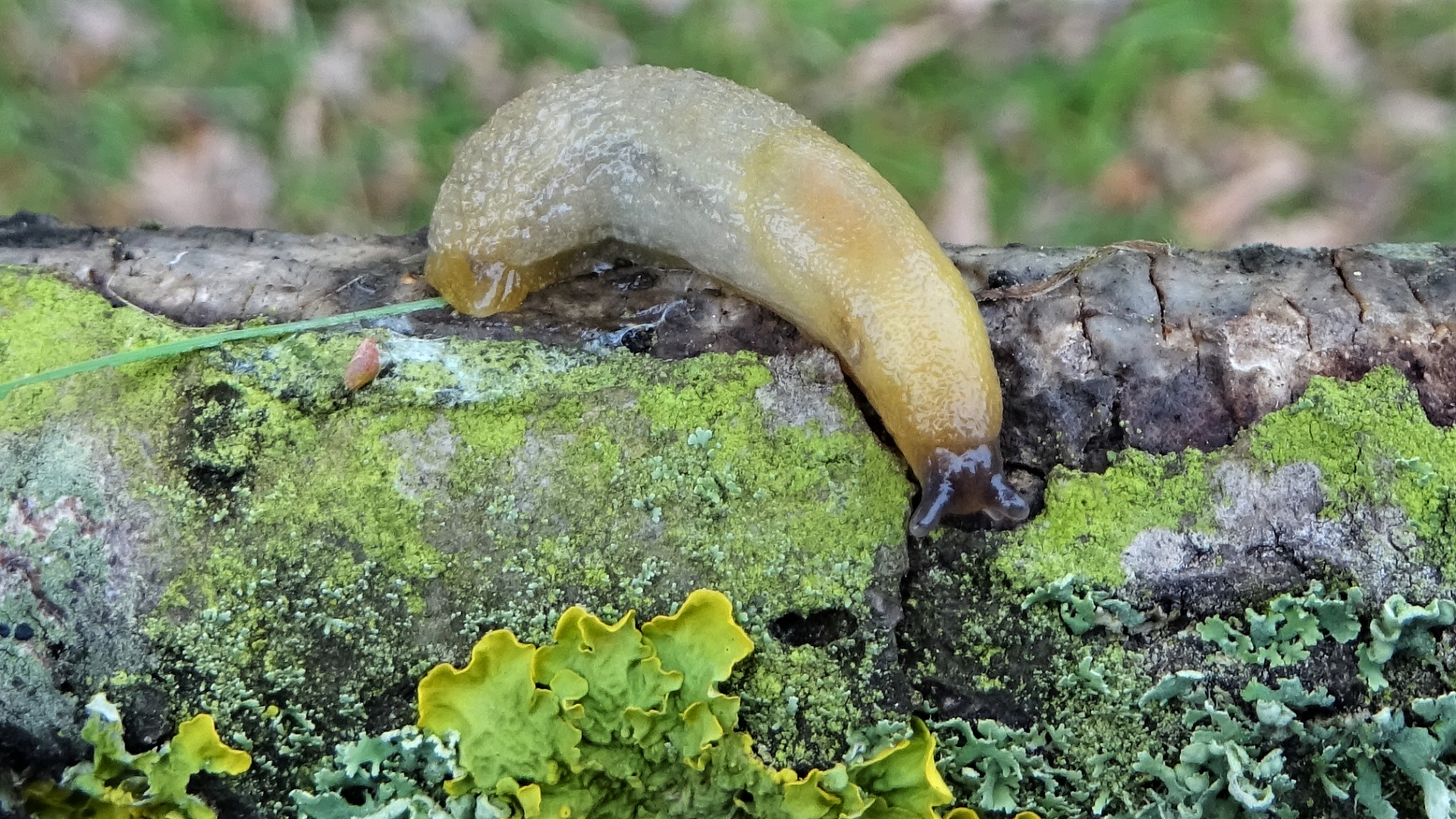
This is a small slug, 15-20mm long. It has grey tentacles, and variable body coloration of white, orange, or grey, When it becomes compact it has a rounded body like a hedgehog and the tubercles that texture the dorsal surface of its body taper to sharp, prickle-like points. The species is generally associated with living in forests and grassland, where it feeds on plants and fungi. An individual has the ability to fertilize itself.
#
Common Rough Woodlouse
Porcellio scaber
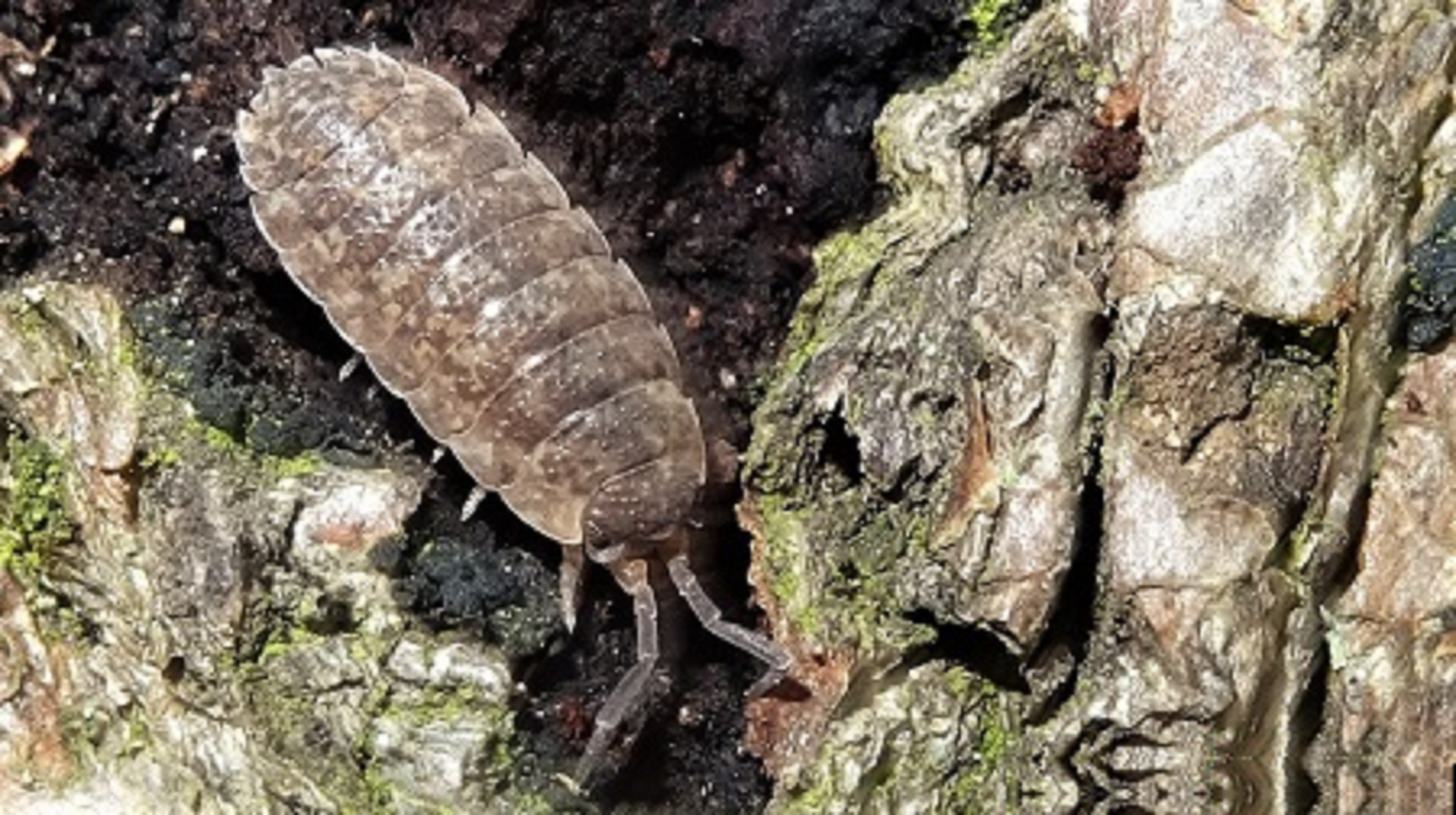
Woodlice are crustaceans. This species lives under bark, logs and stones. Usually grey, although it can also be mottled in yellow, red or orange. It is covered in tiny tubercles making the surface appear rough. The antennal flagella have two segments and the maximum body length is 17mm.
#
Common Striped Woodlouse
Philoscia muscorum
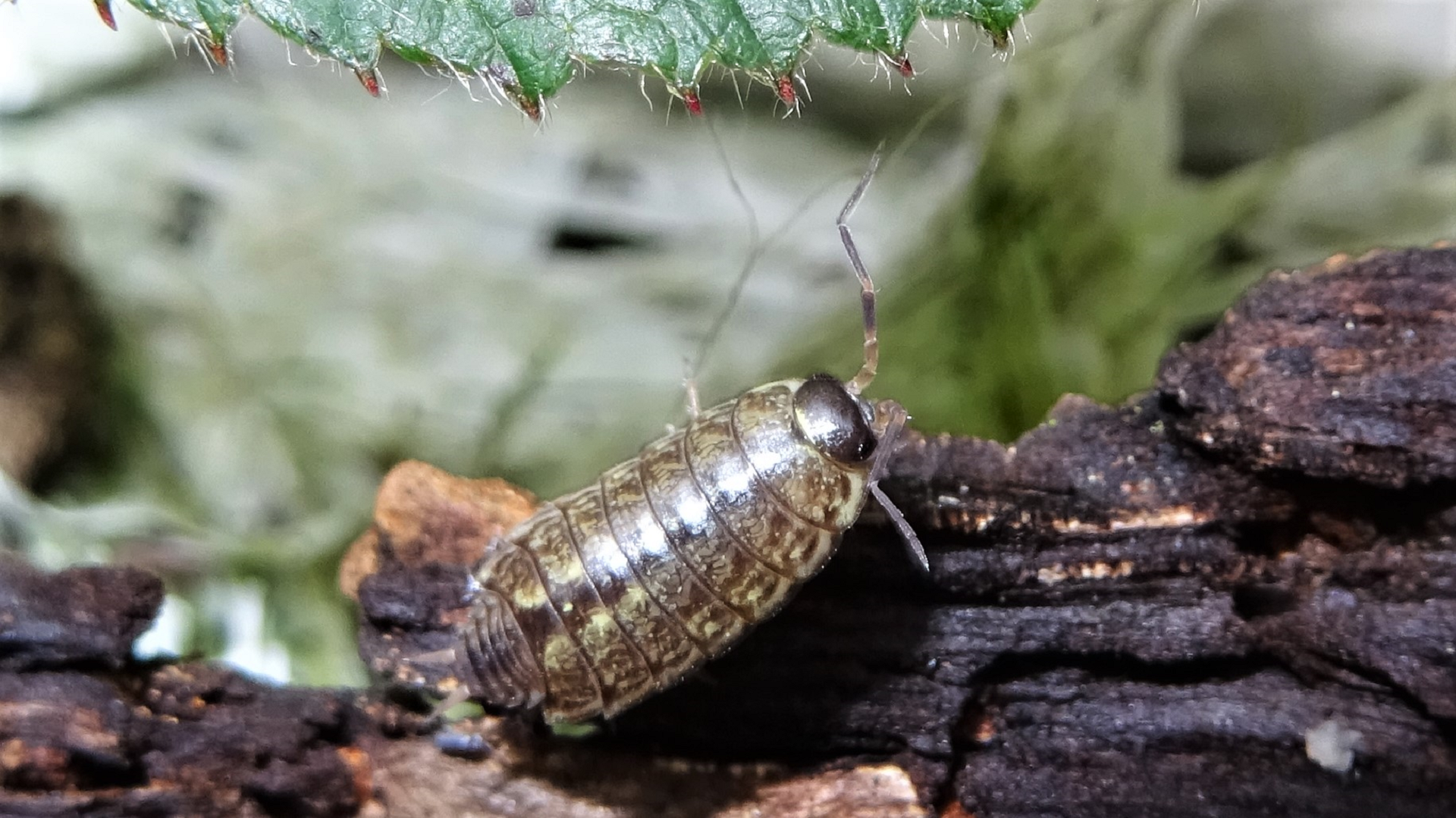
This species is normally yellowish or brownish and mottled with pale patches. The head is black and there is a dark stripe along the back. The antennal flagella have three segments and the maximum body length is 11mm. This species runs fast when disturbed. There are 35-40 British Woodlice species and about 3,500 worldwide. They like dark, damp places; often found under stones, bark and logs.
#
Common Earwig
Forficula auricularia
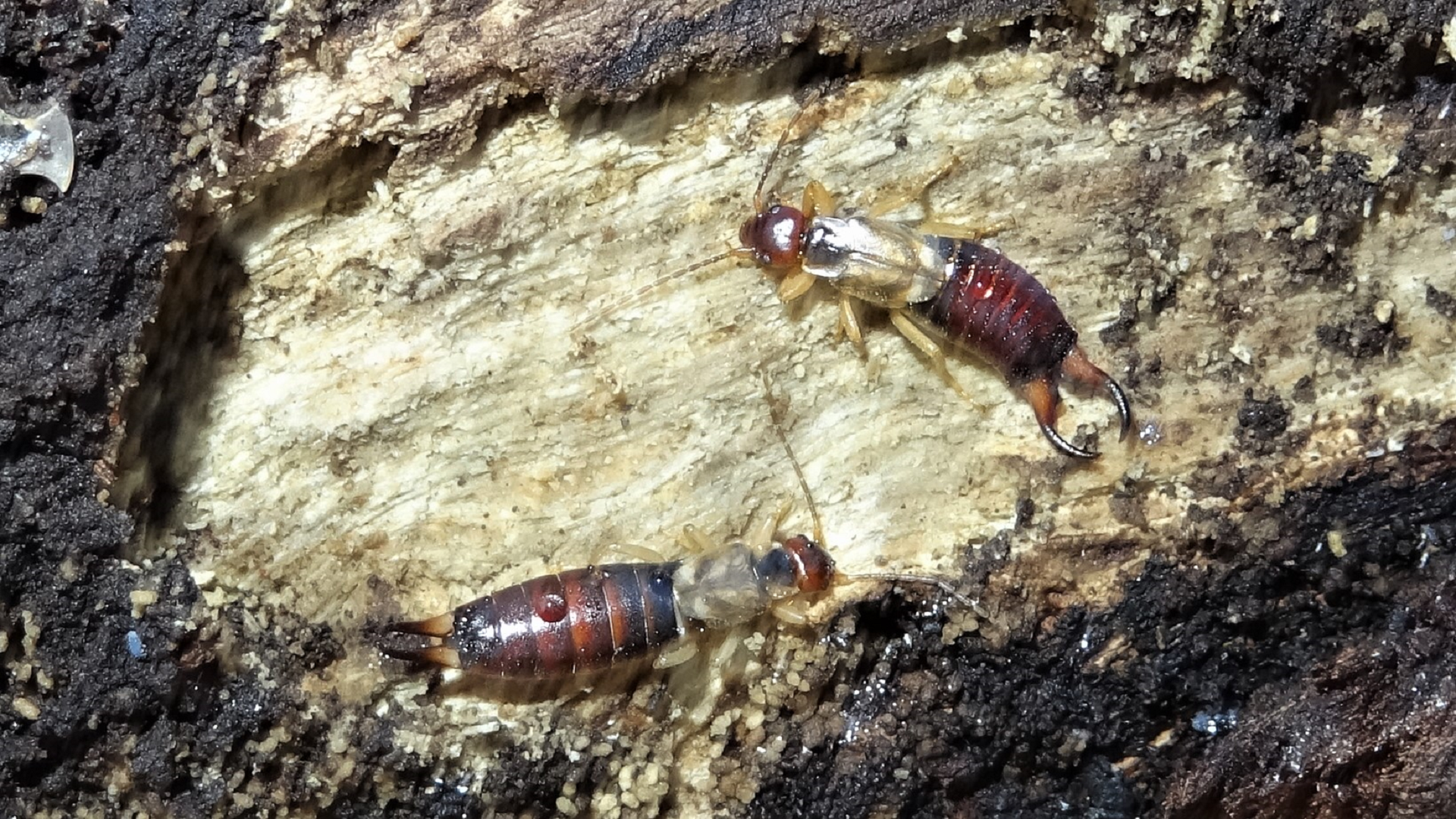
A pair of Common Earwigs under rotting oak bark. The male (top) has curved pincers. Female pincers are straighter.
#
White-legged Snake Millipede
Tachypodoiulus niger
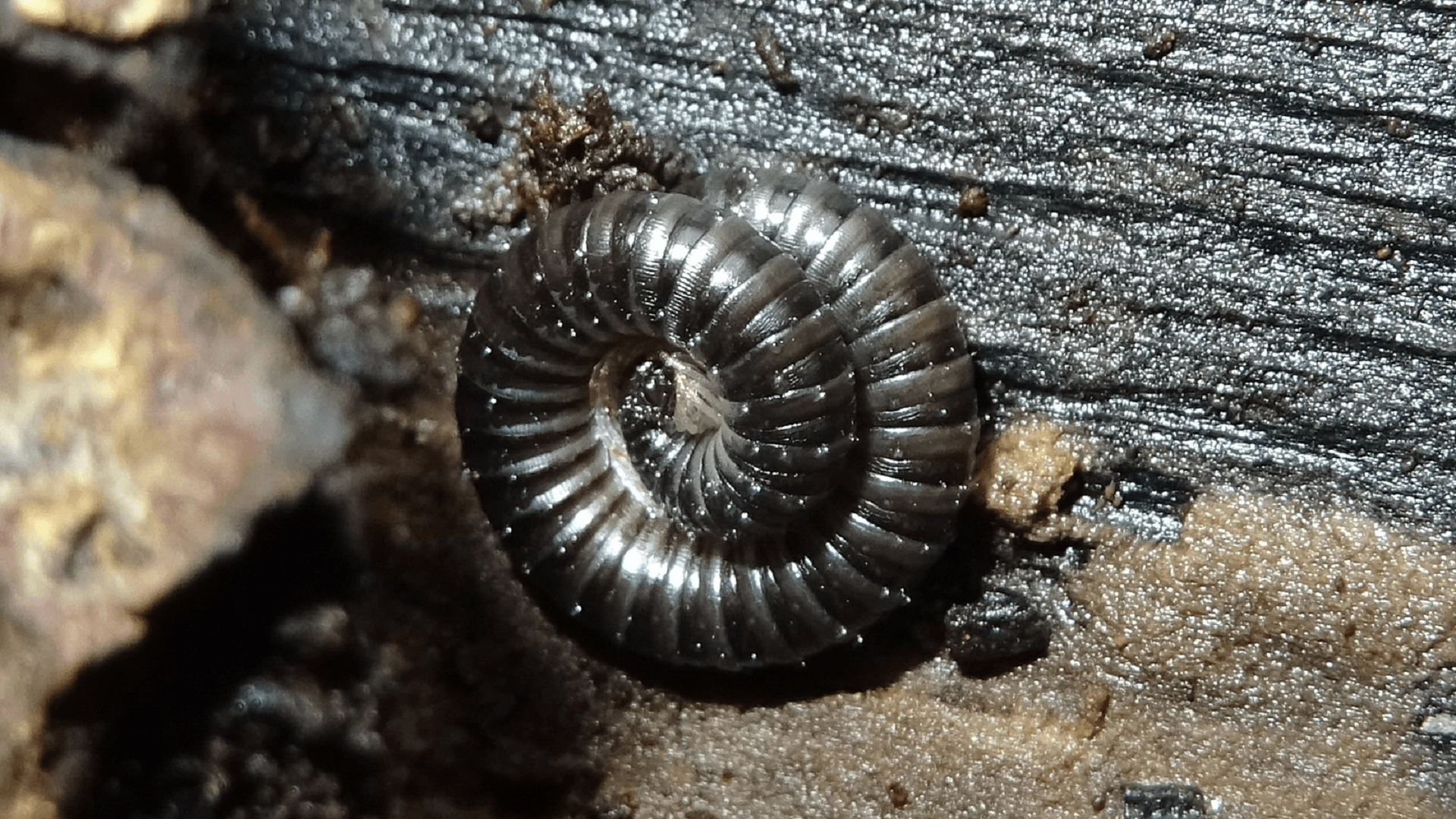
This millipede is recognised by having a tubular black body and contrasting white legs. It hides in rotting wood and under rocks, breaking down dead plant material and turning it into soil.
#
Buzzing Spider
Anyphaena
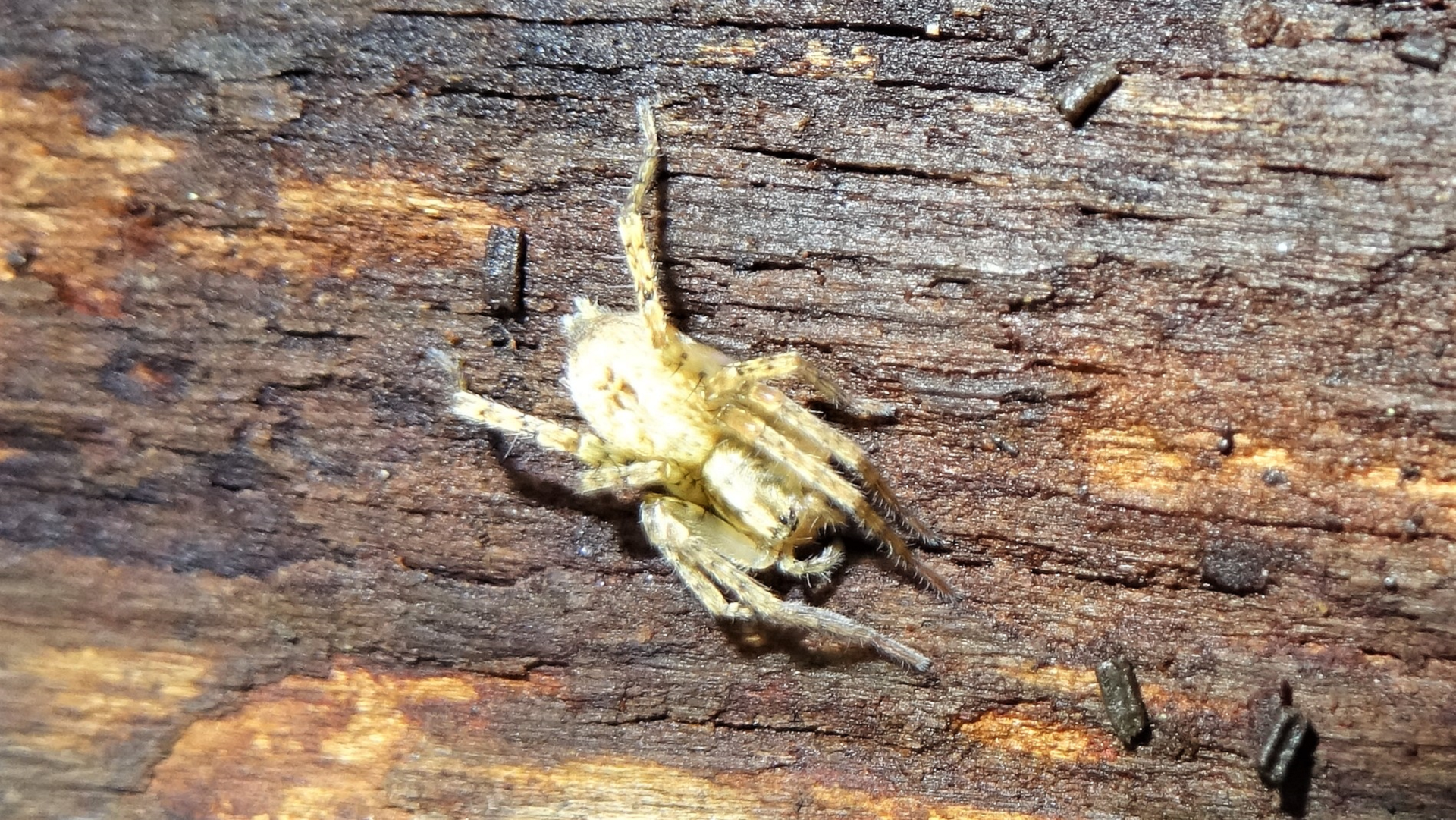
Buzzing Spiders have two chevron marks on the abdomen. Males vibrate their abdomens against the surface of leaves to attract mates. The common name is derived from the buzzing noise. The species is common and usually found hunting on foliage, rarely on the ground.
#
European Rabbit
Oryctolagus cuniculus

Rabbits were brought to Britain in the 12th century from the Iberian Peninsula by the Normans and became widespread by the mid-1700s. They primarily feed on grass, often grazing at night near their burrows. A burrow, known as a warren, consists of an underground network of interconnected tunnels. The entrances typically range from 10 to 50 cm wide and are situated on sloping land, with a short run in front of the entrance. This design allows rabbits to have a forward view, making it more difficult for predators to approach from the sides. The main breeding season occurs from April to June. A male rabbit is referred to as a buck, a female as a doe, and the young are called kittens.
#
© hainaultforest.net. All rights reserved.
This website uses necessary cookies. It does not use targeting or advertising cookies.