

SECOND QUARTER 2017
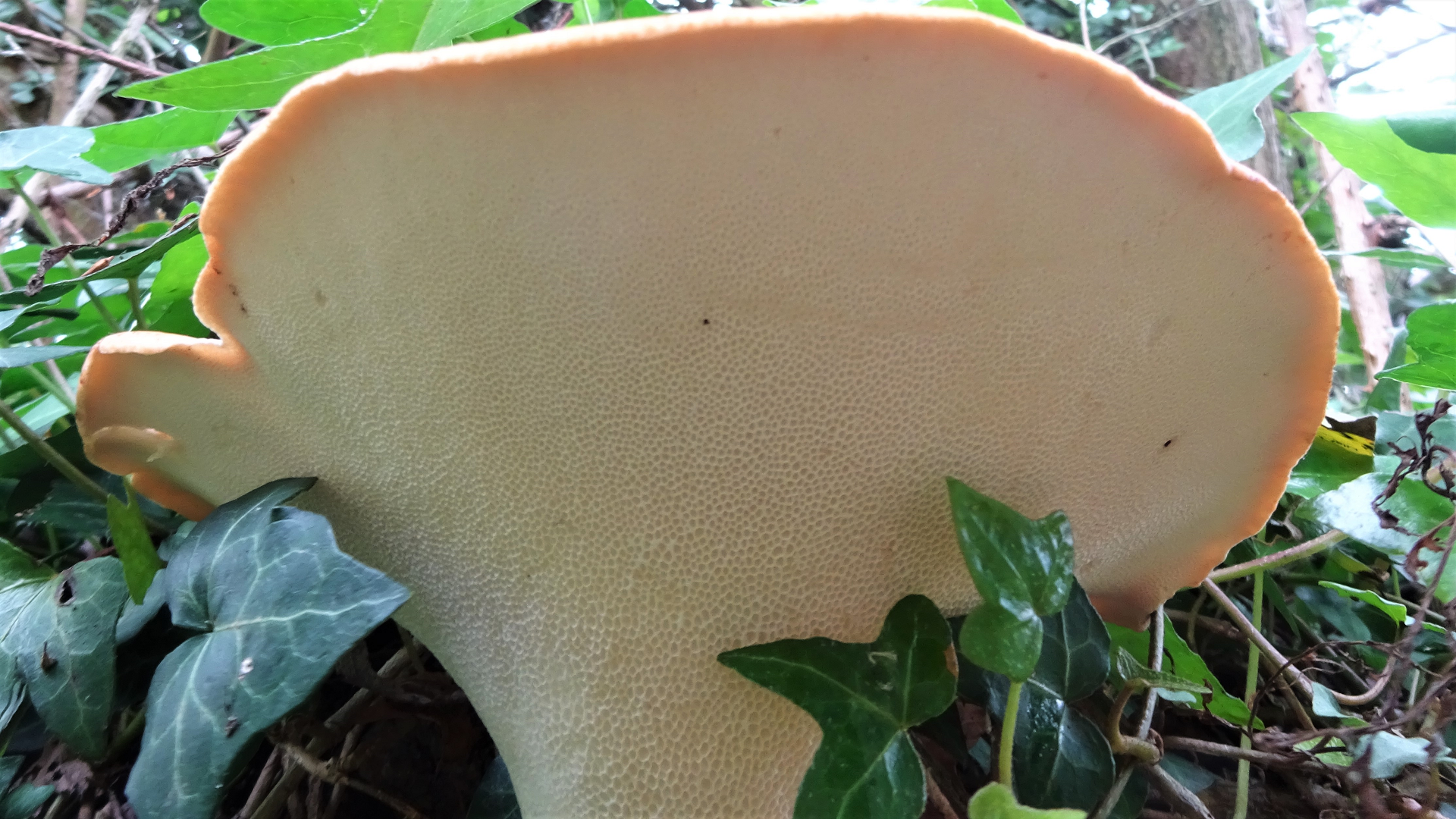
Dryad's Saddle
Polyporus squamosus
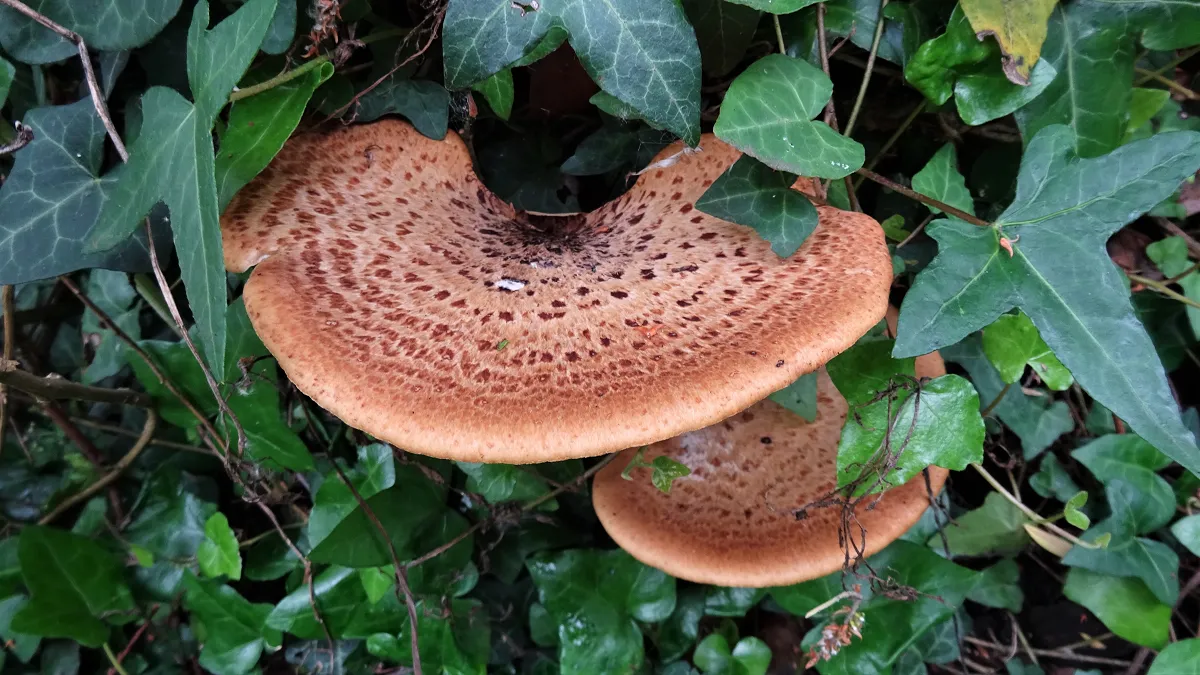
During warm weather the brackets disappear within a very short time period. When growing from a root just beneath the surface it can take the form of a horn-like funnel. Fungus flies burrow into pores to lay eggs, afterwards the fungus becomes riddled with maggots and turns into a smelly mess.
#
Common Inkcap
Coprinopsis atramentaria
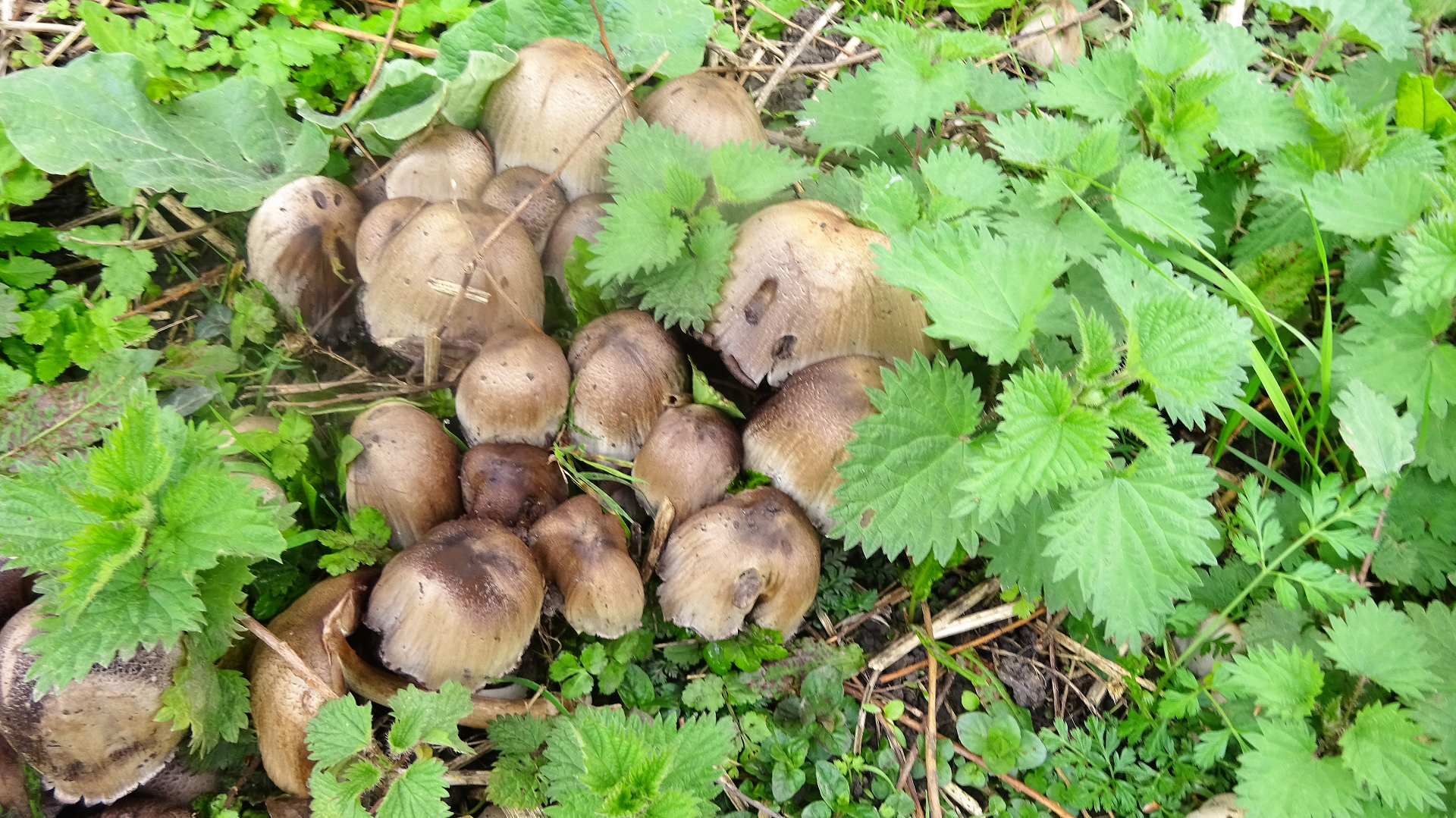
Grows on roots and buried wood. Its black spores can be mixed with water and cloves and boiled to make an excellent drawing ink, an alternative recipe uses urine instead. Also known as Tippler's Bane, because this fungus can cause serious illness or death if consumed up to three days after drinking alcohol.
#
Goldilocks Buttercup
Ranunculus auricomus
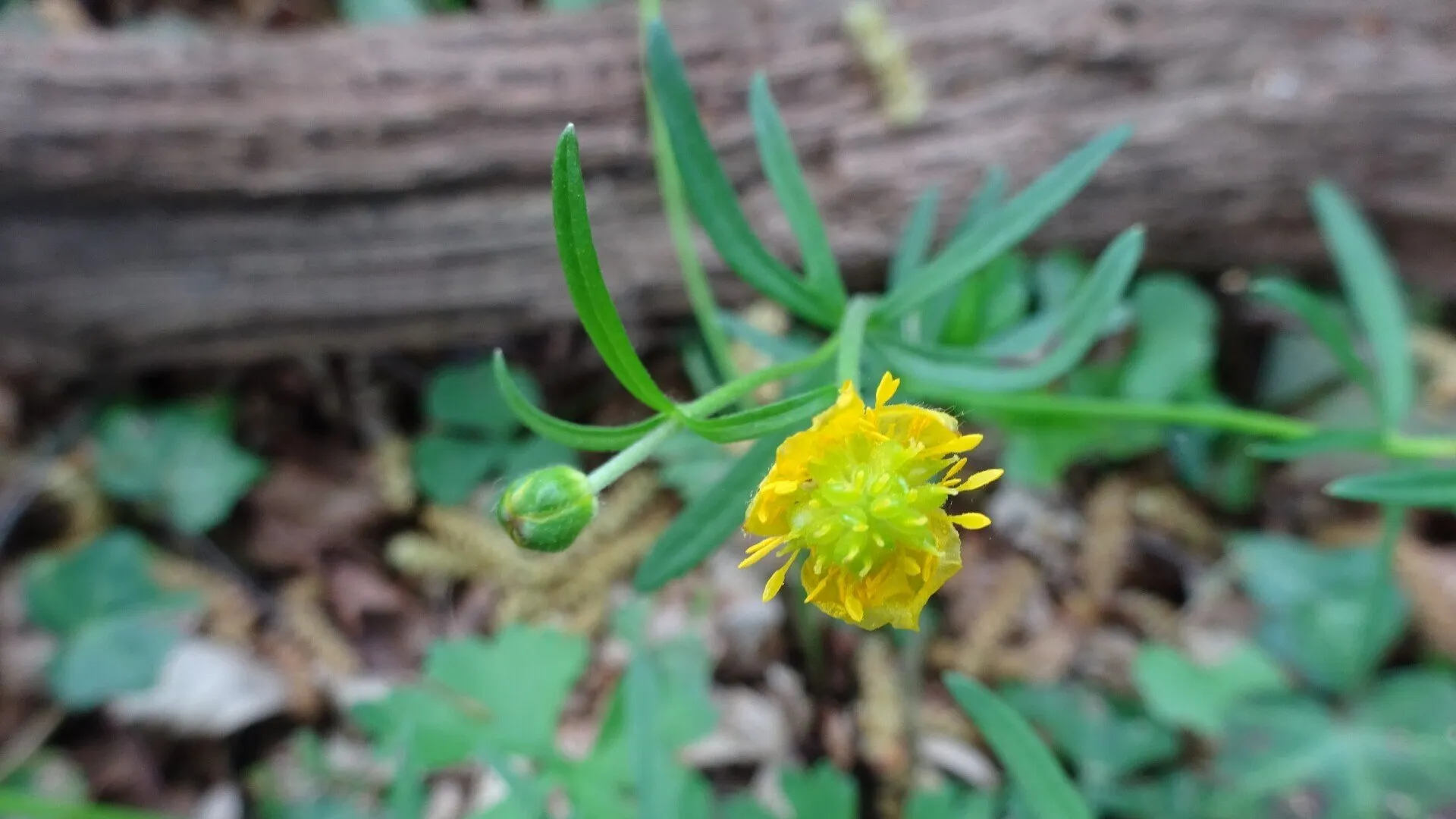
Goldilocks Buttercup is a native woodland plant, a rather variable perennial which grows up to 40cm tall and blooms during April and May. Yellow flowers are borne singly, measuring 15-25mm across when complete with 5 petals, often there are less and sometimes no petals at all. Leaves are rounded near the base of the stem. Upper leaves are narrow and lobed.
#
Wood Forget-me-not
Myosotis sylvatica
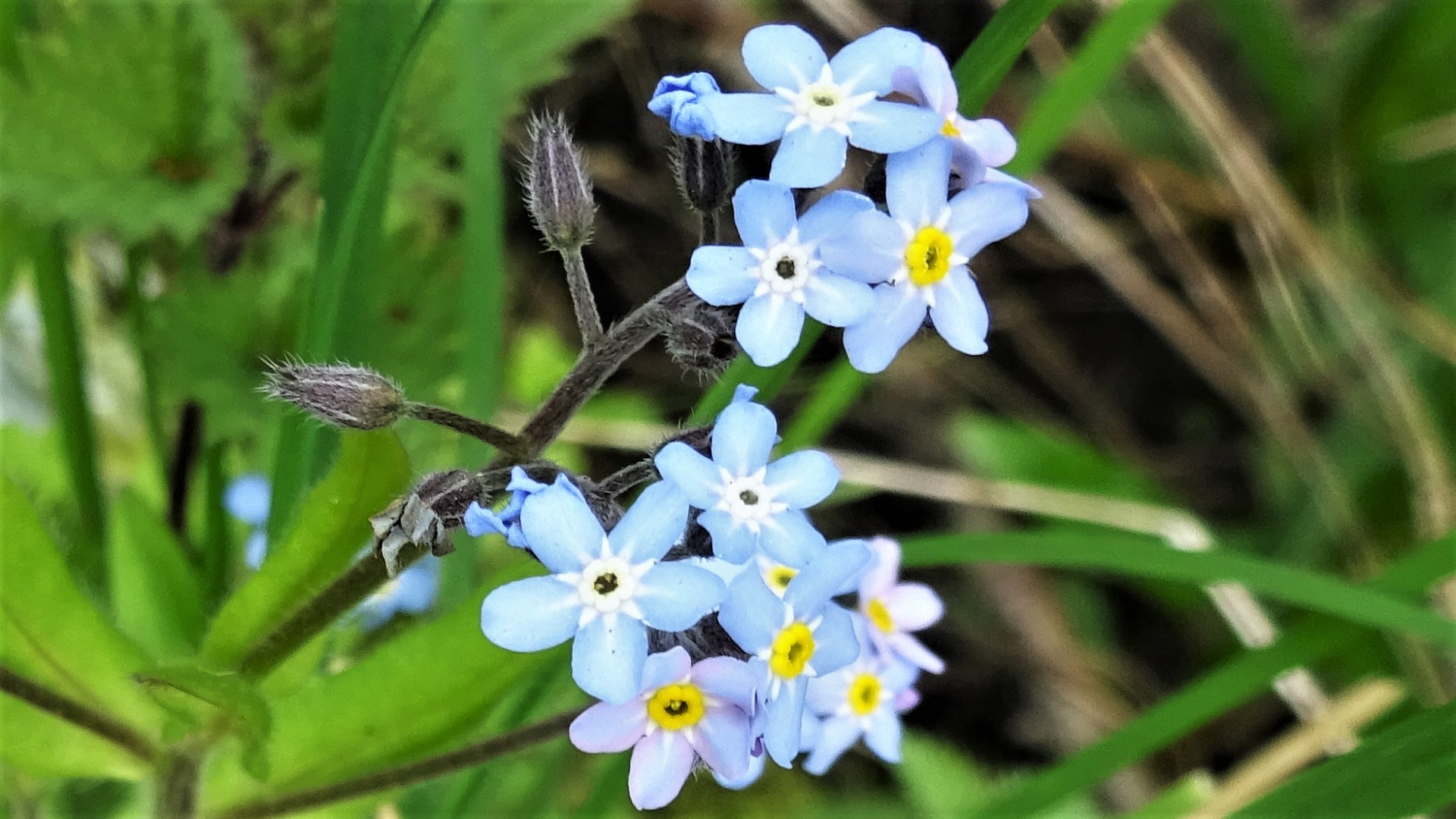
The bright blue flowers can be seen on this plant from April in damp shaded woodland.
#
Petty Whin
Genista anglica
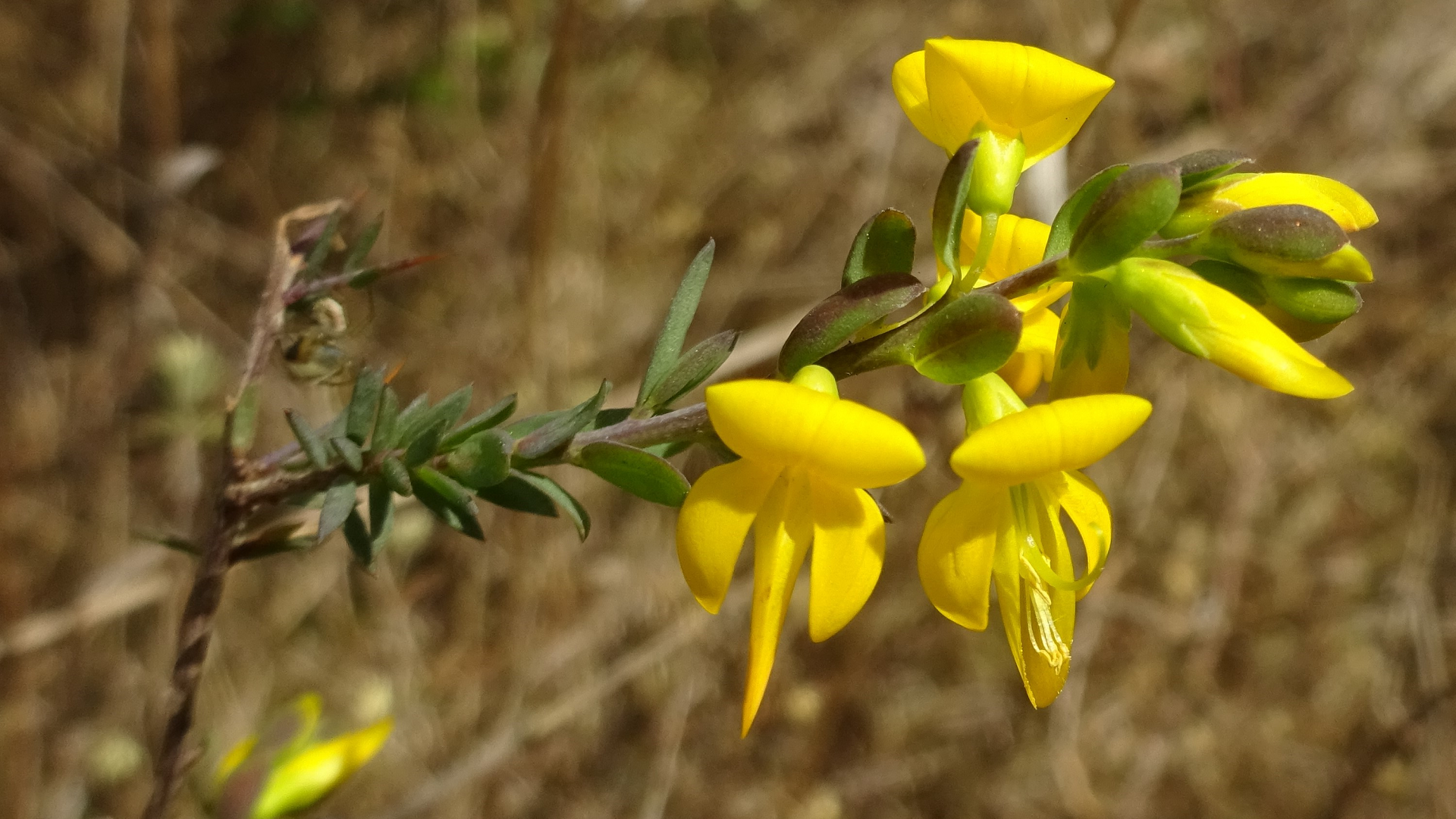
At one time this perennial was common in the heathland at Chigwell Row, but now only a few plants remain. It is a spiny shrub that grows up to one metre tall. The yellow flowers appear in short spikes.
#
Wood Spurge
Euphorbia amygdaloides

Wood Spurge is found in damp woodland. It is an evergreen with green, cup-shaped, flowers that have no petals or sepals, instead there are cup-shaped bracts.
#
Goat's-beard
Tragopogon pratensis
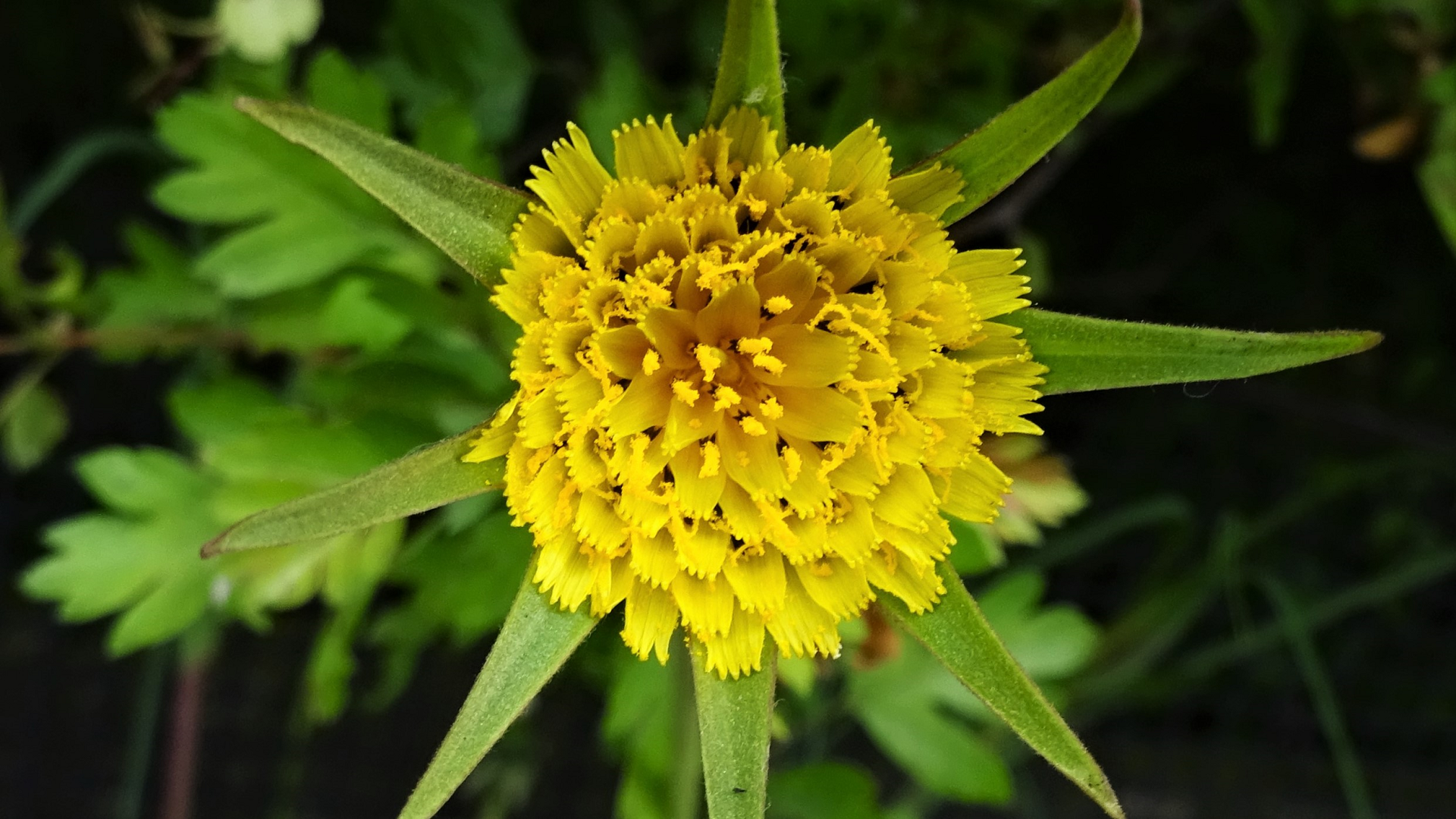
Goat's-beard is sometimes called 'Jack-Go-To-Bed-At-Noon' because the flowers begin closing at noon and are normally shut by 1 o'clock. The flowers are typically found in rough grass areas from May to August, although we have seen these still in flower on Hog Hill as late as October.
#
Silverweed
Potentilla anserina
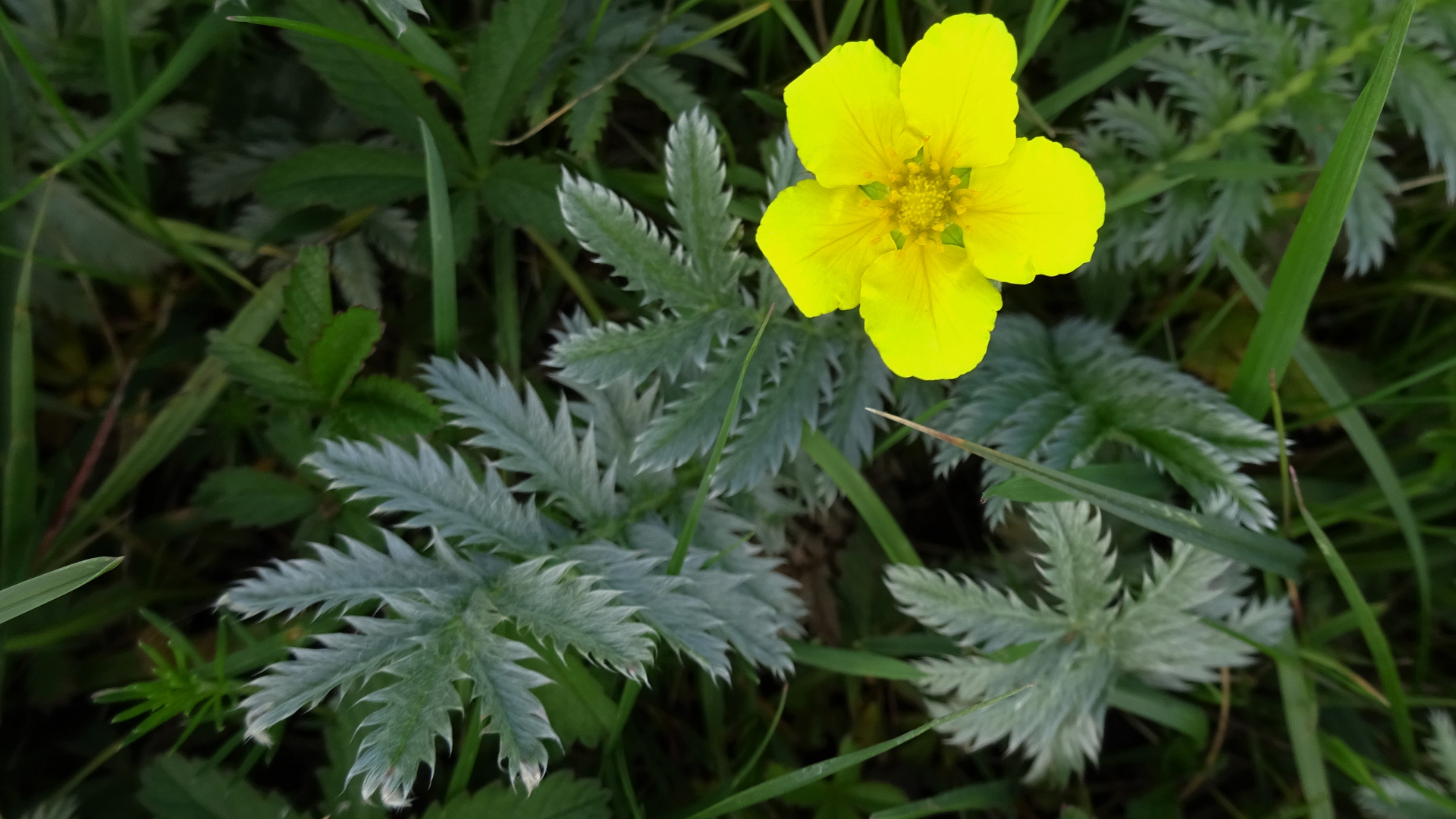
A trailing plant with silvery tooth-edged leaves. The five-petalled yellow flowers appear from May until August. New stems develop from thin red creepers.
#
Common Lousewort
Pedicularis sylvatica
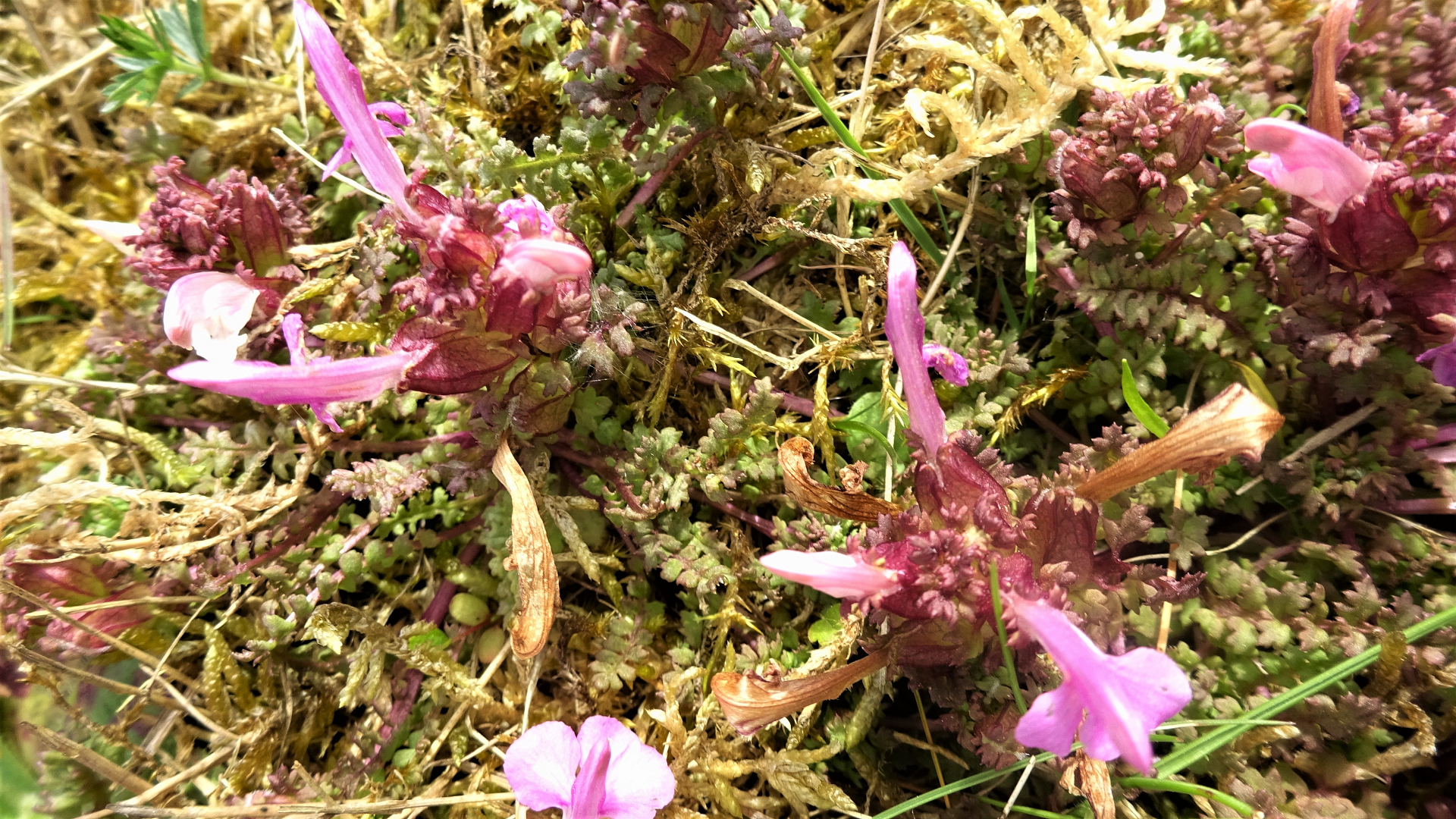
This picture was take at the edge of Chigwell Row Woods. This pretty pink plant now appears to have disappeared from the heathland in Hainault Forest where it once thrived.
#
Himalayan Balsam
Impatiens glandulifera
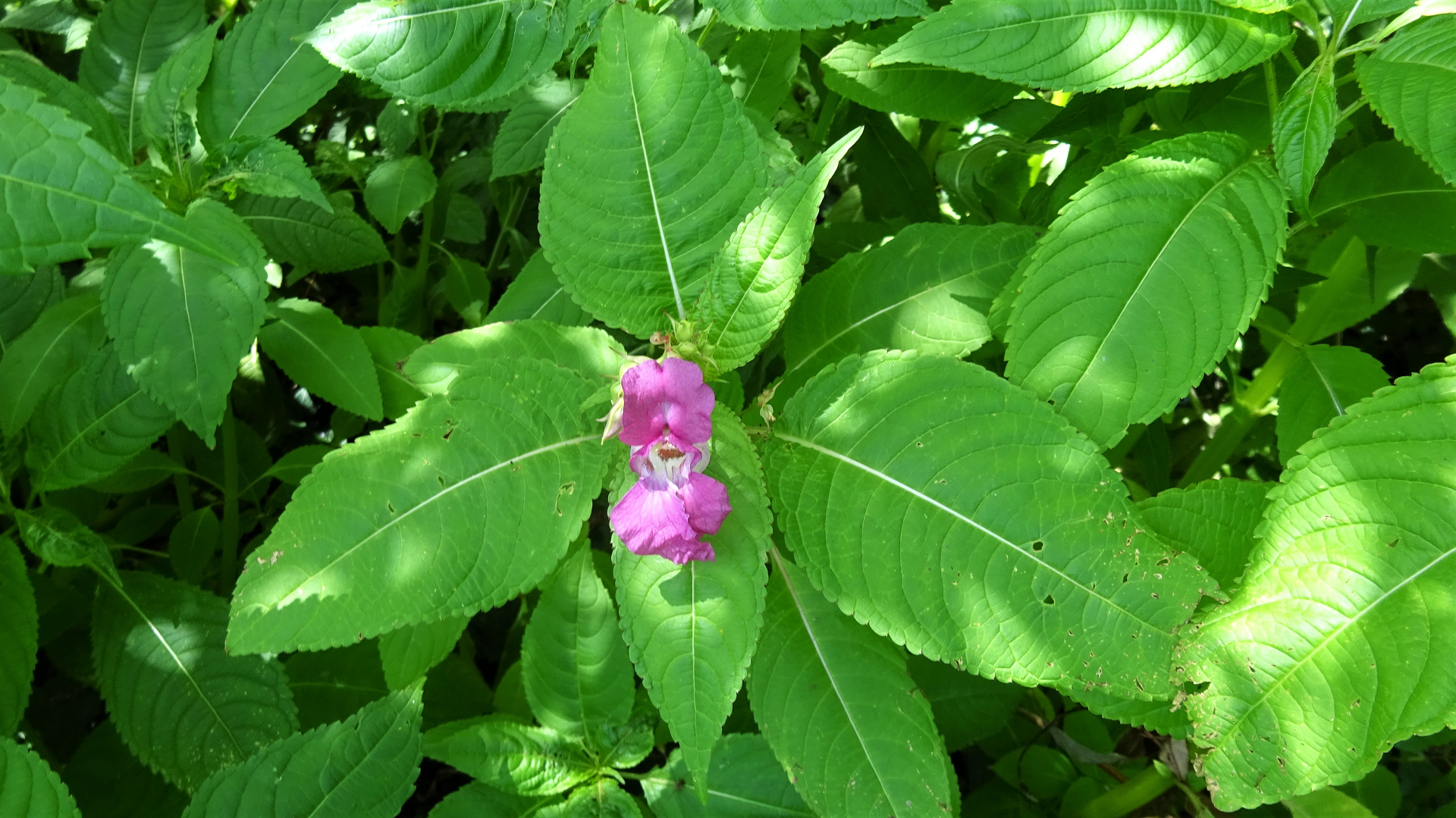
Invasive plant often found near inland water. It was introduced to Britain in 1839 by Victorian plant hunters who liked its beautiful pink flowers and exploding seed pods.
#
Grape Hyacinth
Muscari
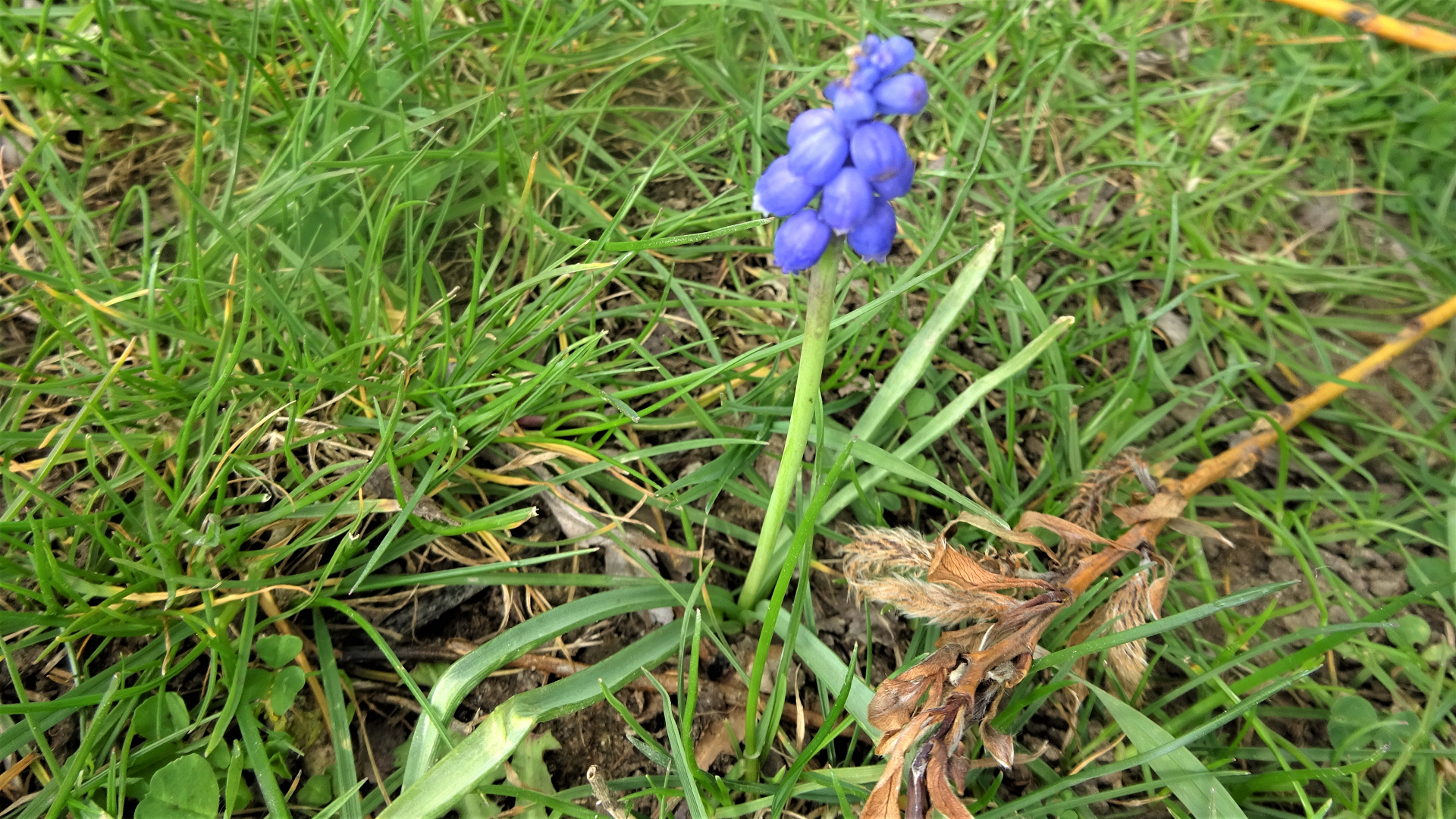
An invasive garden plant which spreads easily. It grows in well-drained soils and can be particularly vigorous in sunny locations. Despite the common name this species is not related to hyacinths, but it is now considered to be part of the Asparagaceae family. It is occasionally seen in grassy areas of Hainault Forest, but is not a natural woodland plant.
#
Common Hawthorn
Crataegus monogyna
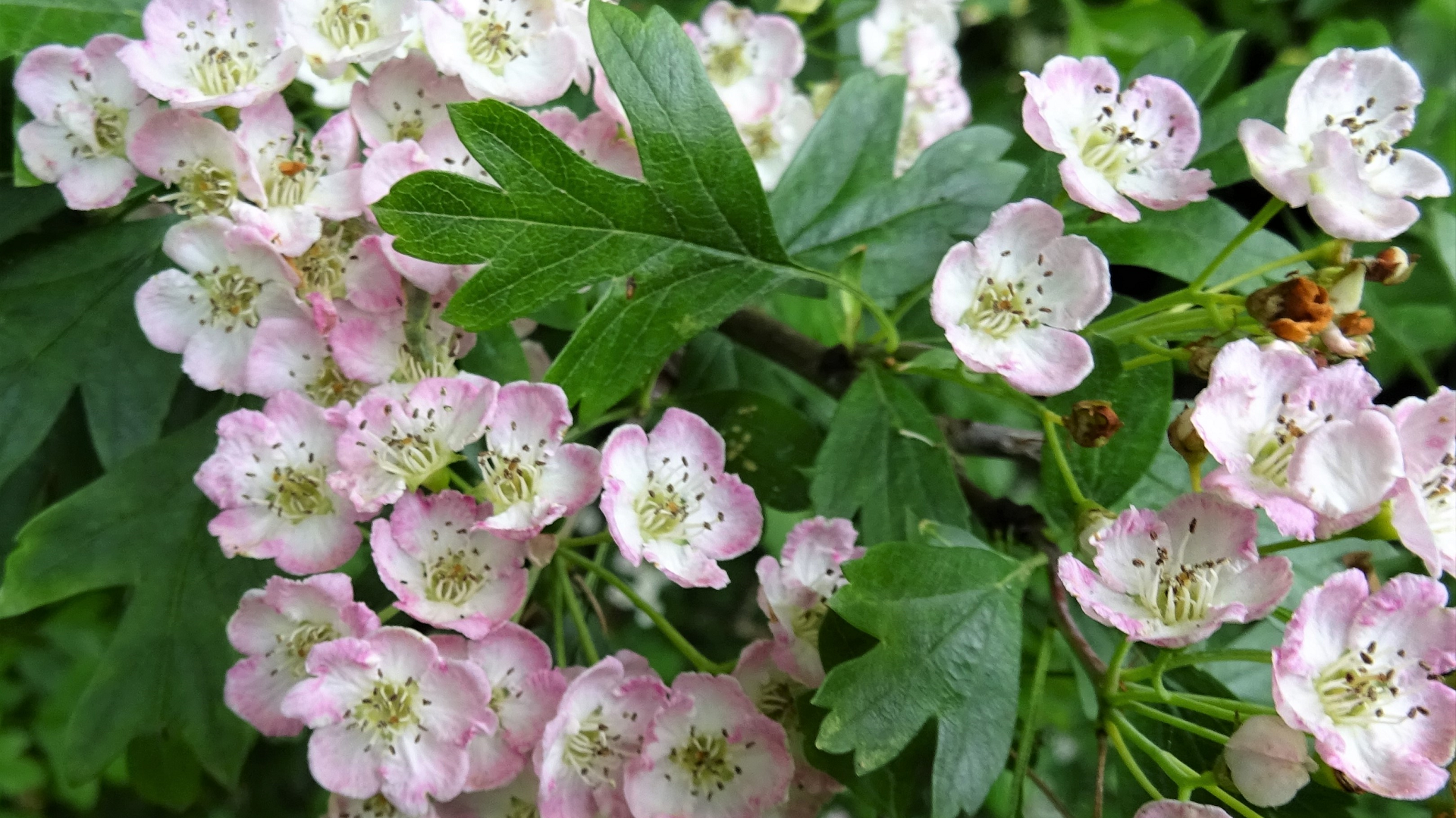
Hawthorn is the commonest hedgerow shrub. Three types are known in the forest, Common Hawthorn, Midland Hawthorn and Cockspur Hawthorn. It can grow as either a thorny shrub or tree. Cockspur has particularly vicious spikes.
#
Bird Cherry
Prunus padus
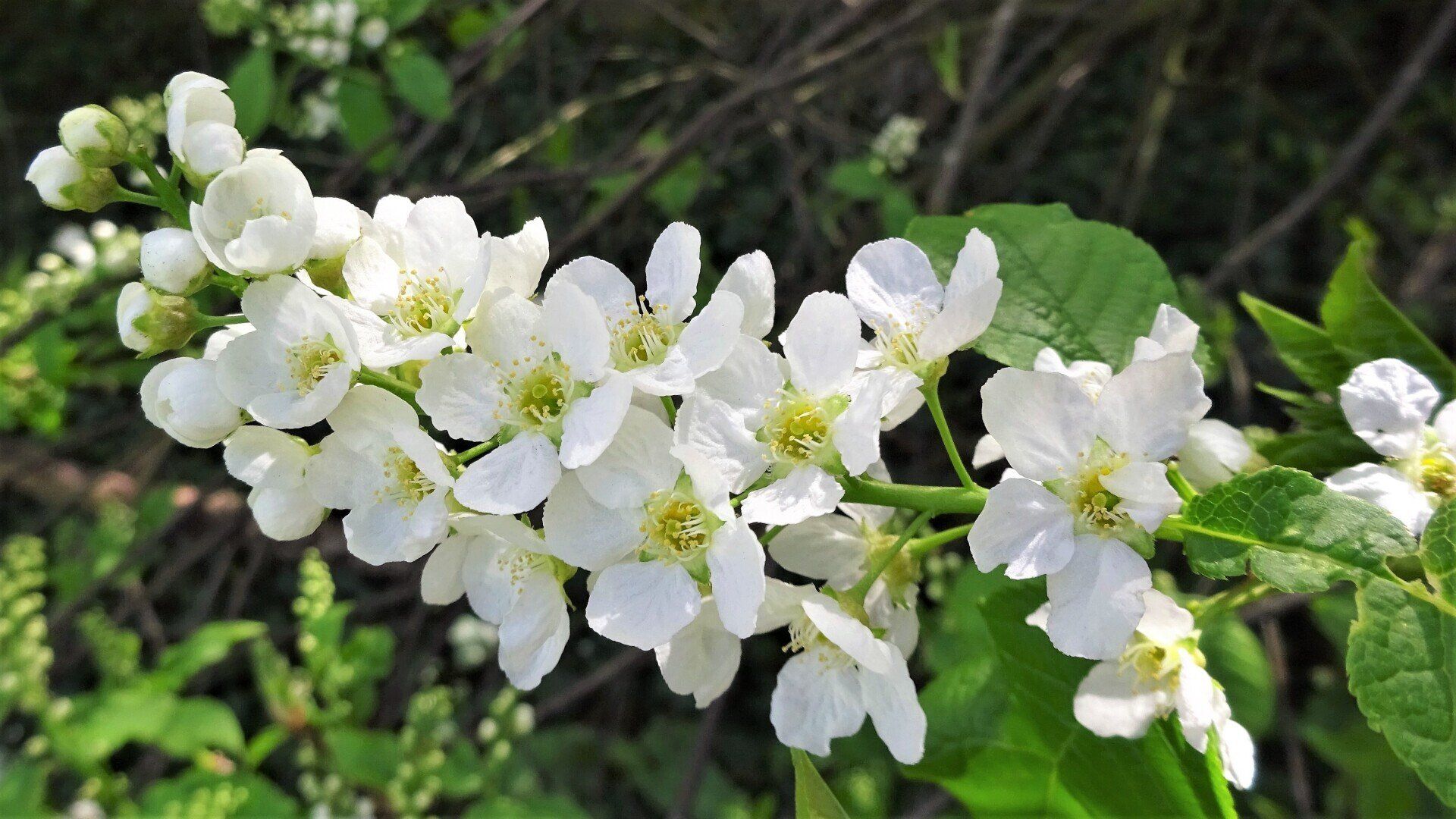
White fragrant five-petalled flowers normally appear on Bird Cherry during April providing an excellent source of pollen and nectar for insects. The black (or dark red) bitter berries that form after the flowers are enjoyed by biirds and mammals, however they are not suitable for human consumption. The smooth greyish-brown bark has an acrid, unpleasant smell and because of this was once placed on front doors to fend off the plague.
#
English Elm
Ulmus procera

Not many Elm trees are found in Hainault Forest since Dutch Elm Disease swept through the country in the 1960s, although a few survived. Winged fruits known as samaras develop after pollination which get dispersed by the wind.
#
Oak Apple
Biorhiza pallida
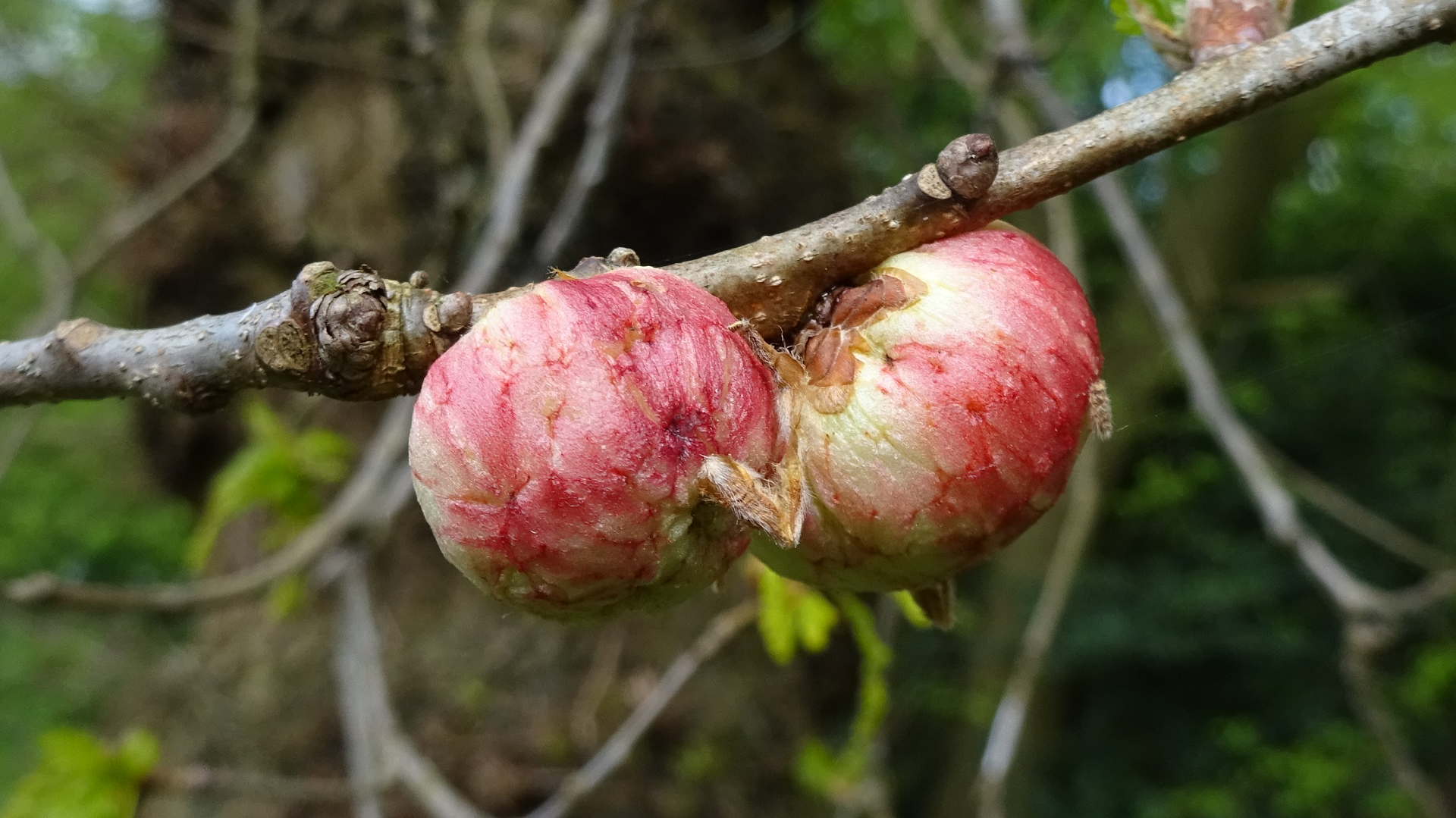
Oak Apples on English Oak are caused by larvae of the sexual generation of a gall wasp. There are two generations; the first uses sexual reproduction. Eggs laid in buds produce spongy non-edible apple-like galls which contain insects of only one sex. Every 'apple' contains many chambers each enclosing a larva. The second generation is produced by females without mating. Eggs of the second generation are laid on tree roots underground.
#
Holly
Ilex aquifolium
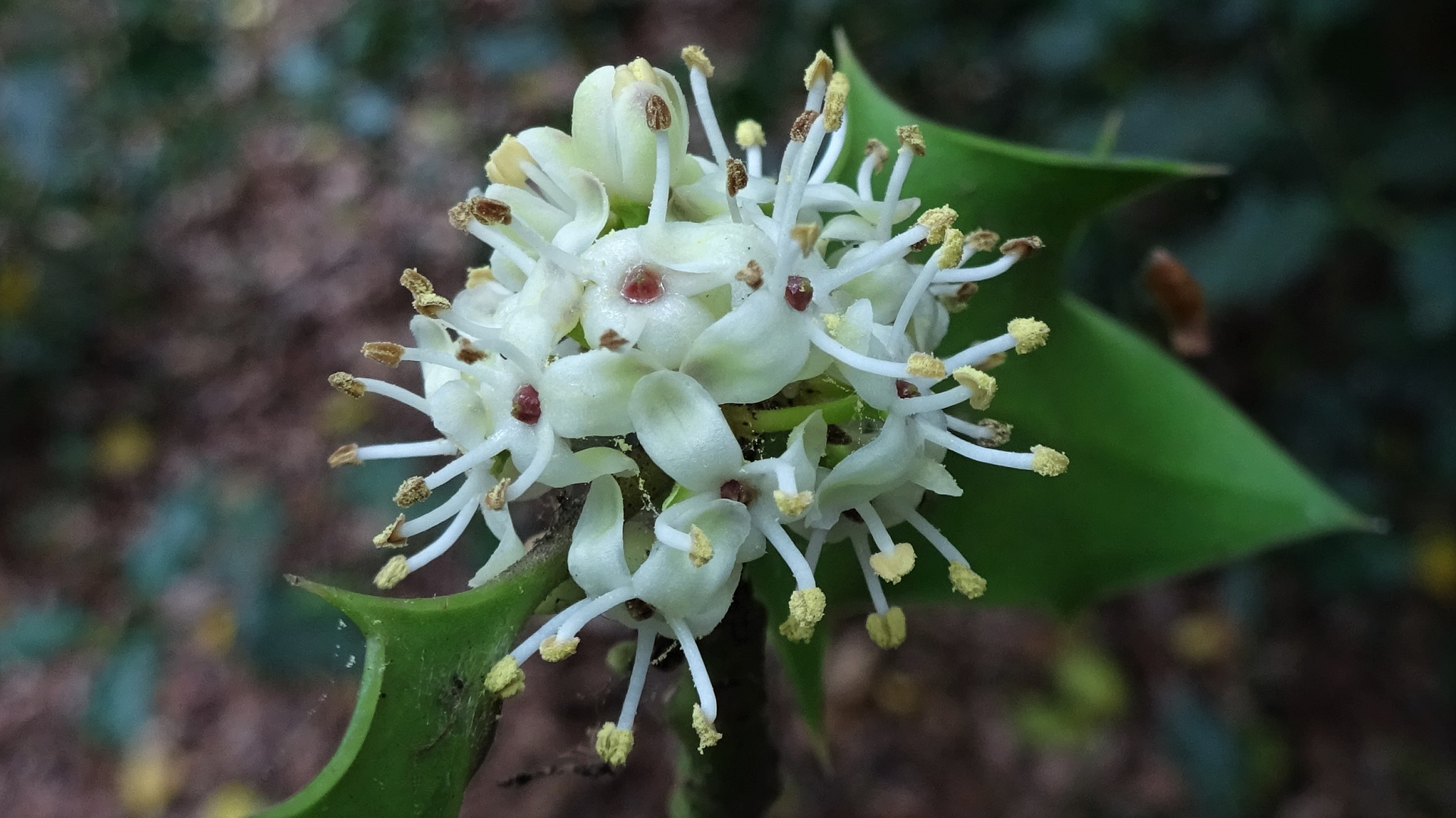
Holly bushes have either male or female flowers. Only female bushes bear berries. This is a male flower.
#
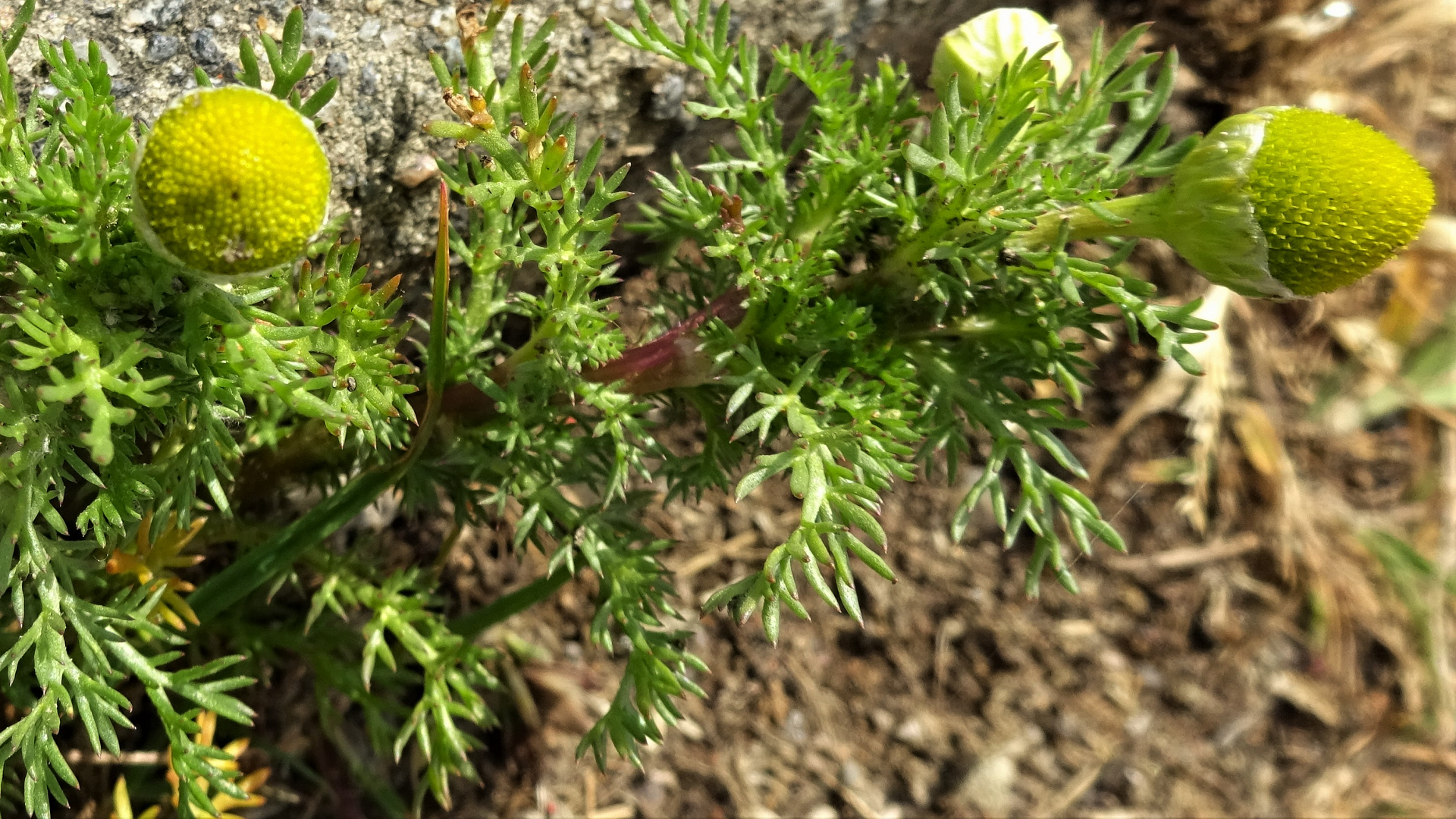
Pineappleweed
Matricaria discoidea
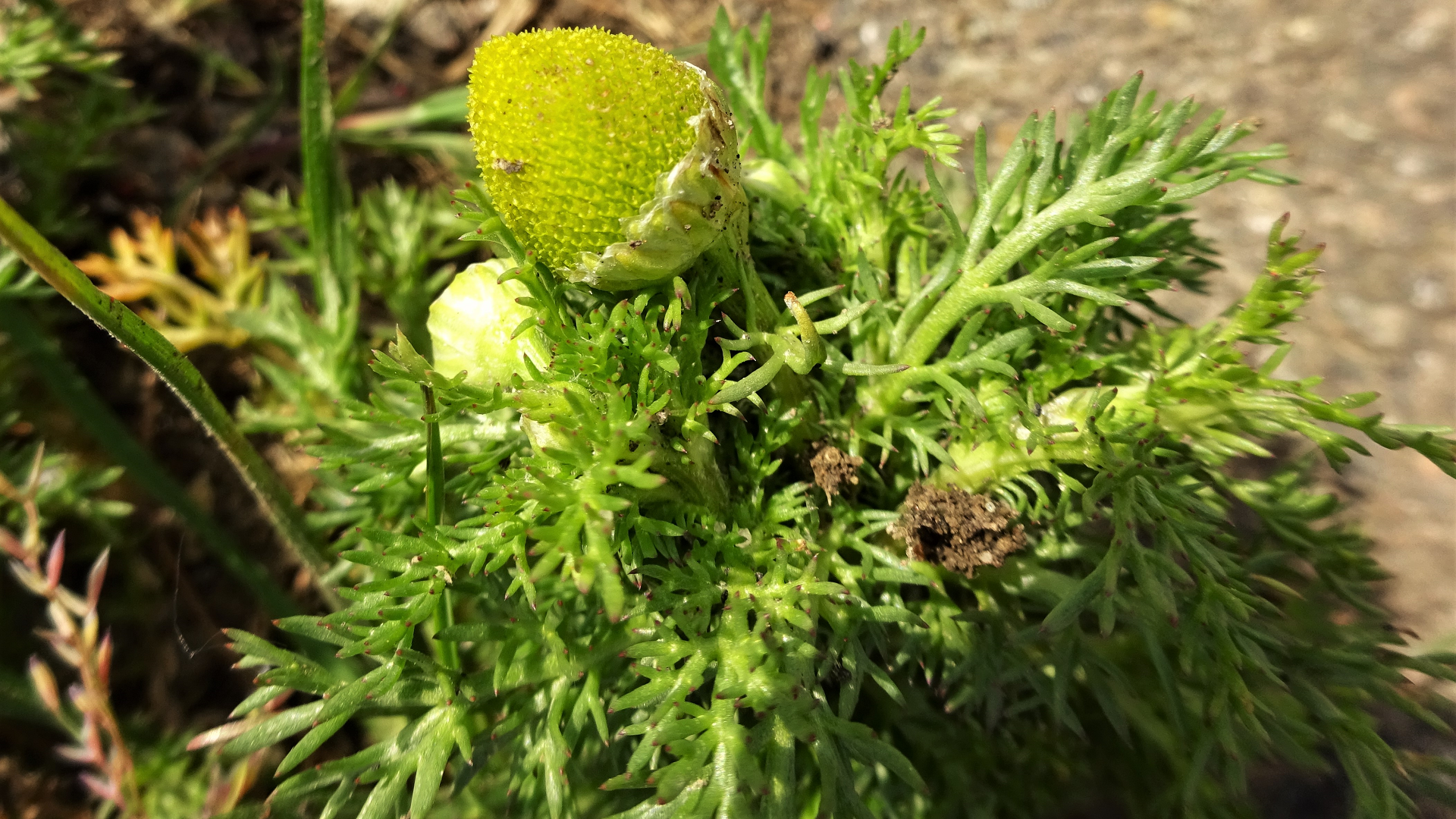
A common plant of disturbed ground and path edges seen from May until October. It has yellowish-green flower heads, feathery leaves and grows to a height of 12cm. When the flower-heads are crushed an aroma similar to that of pineapple is released. This plant was introduced to Britain during the late 19th century.
#
Marsh Marigold
Caltha palustris
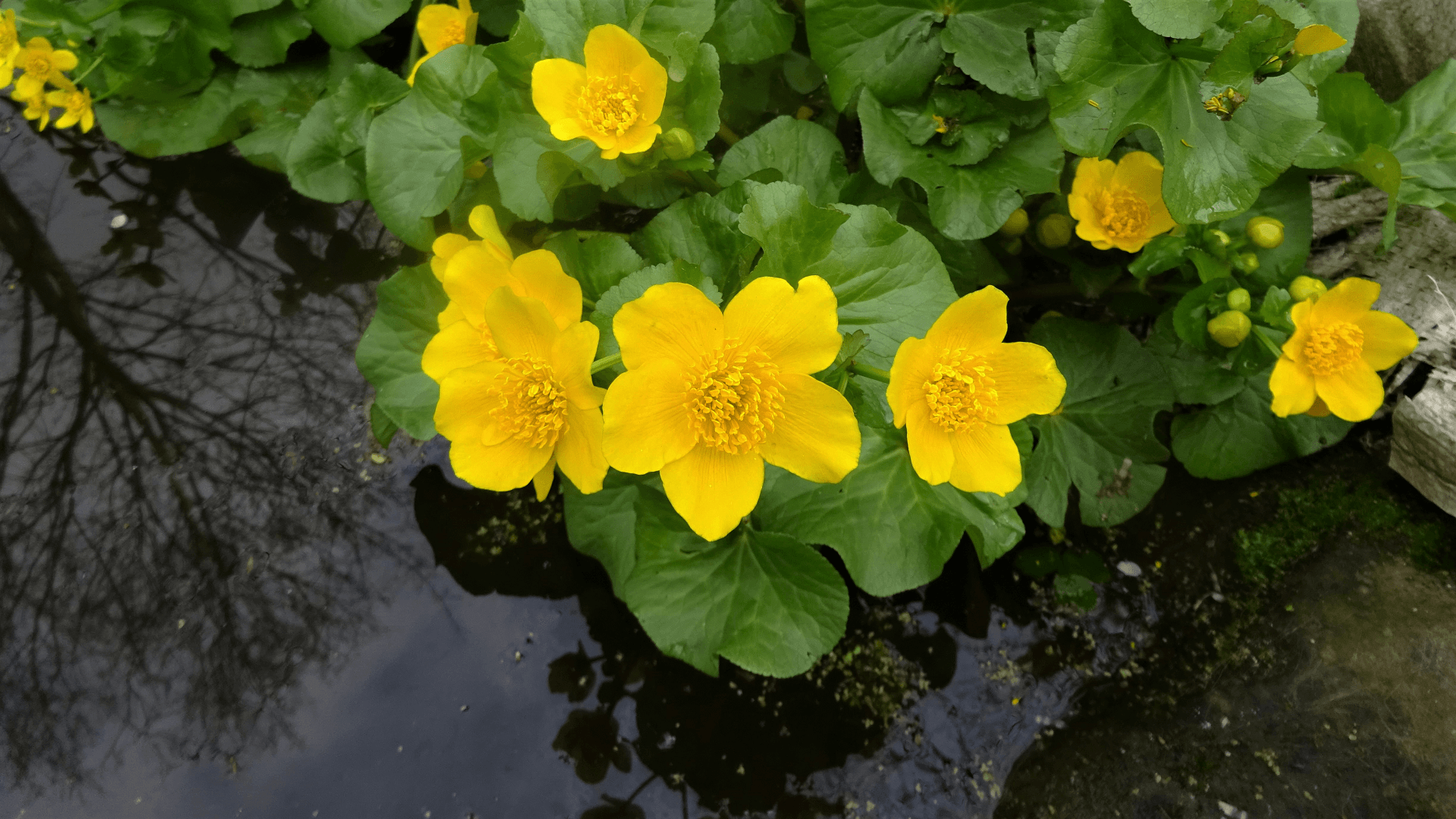
Marsh Marigold is a member of the Buttercup family with a preference for wet locations and is often found around ponds. It is a low, thick-stemmed perennial with shiny dark-green kidney-shaped leaves. The flowers do not have petals, instead there are five yellow sepals. Appearing from March to July, the plant is sometimes called 'King Cup' because the large flowers were thought to resemble goblets. The plants provide an early source of nectar for insects and the large rounded leaves offer a place for frogs to shelter.
#
Greater Stitchwort
Rabelera holostea
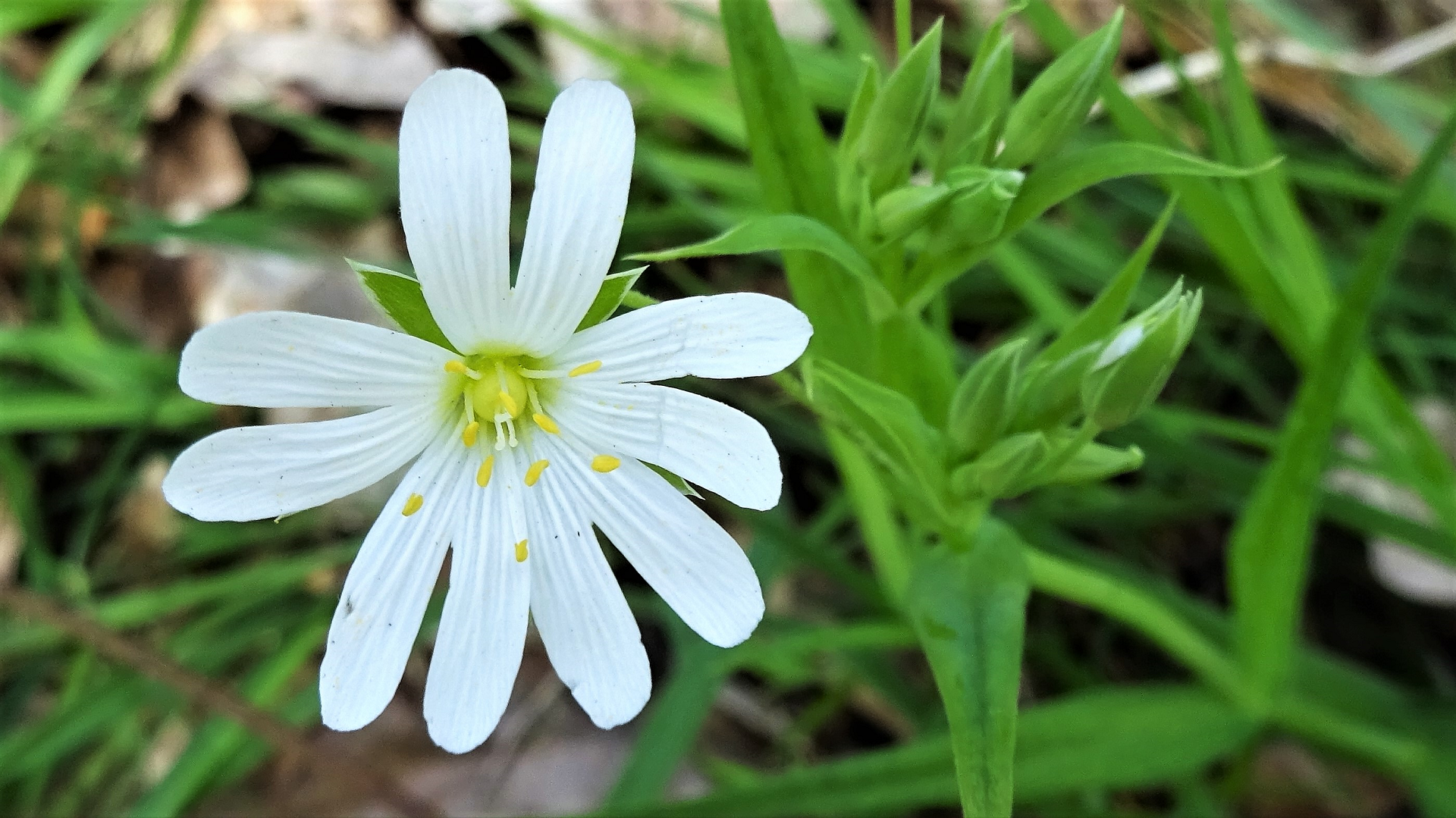
White flowers with five deeply-notched petals appear from April to June. When the seed cases ripen the seeds can be heard popping when they are released. The thin stems are square and brittle and the narrow, grass-like, leaves can have a slightly glaucous appearance. This plant was formerly placed in the genus Stellaria, but in 2019 was transferred to the genus Rabelera, becoming the only species in its genus.
#
Foxburrow Road
Kerbside Plants

Strimming destroys so much of our valuable wildlife. Kerbsides look wonderful when flowers are allowed to grow. Vision manager Paul Browne was an advocate in allowing grass to grow a bit longer and spaced mowing sessions further apart than the routine two-weekly cut. In 'The History and Ecology of Hainault Forest'
produced as part of the 2006 centenary celebrations, he explained: "The benefit to wildlife is evident in both the increase in variety and in quantity of flora and fauna"
#
Hainault Lake
Swan Sanctuary
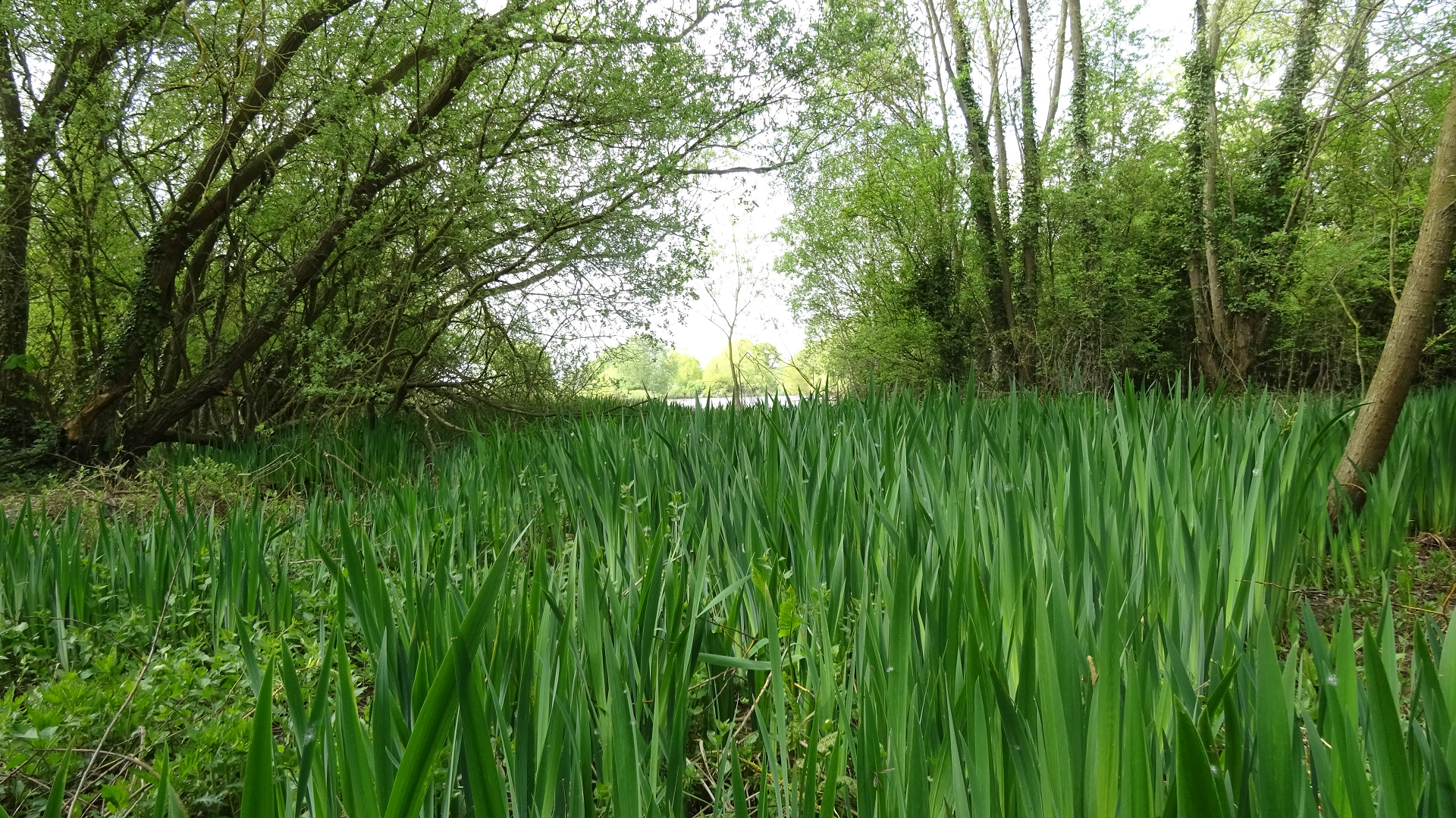
A secluded area of Hainault Lake where swans sometimes build nests. There are plans to build a boardwalk at the far side which may affect swans being able to nest in this area.
#
Rosy Leaf-curling Aphid
Dysaphis devecta

Grey aphids cause leaves on crab apple trees to curl and turn red. When the leaf is unrolled the aphids that cause the gall are revealed.
#
Leaf Hairy Leaf Gall
Eriophyes homophyllus
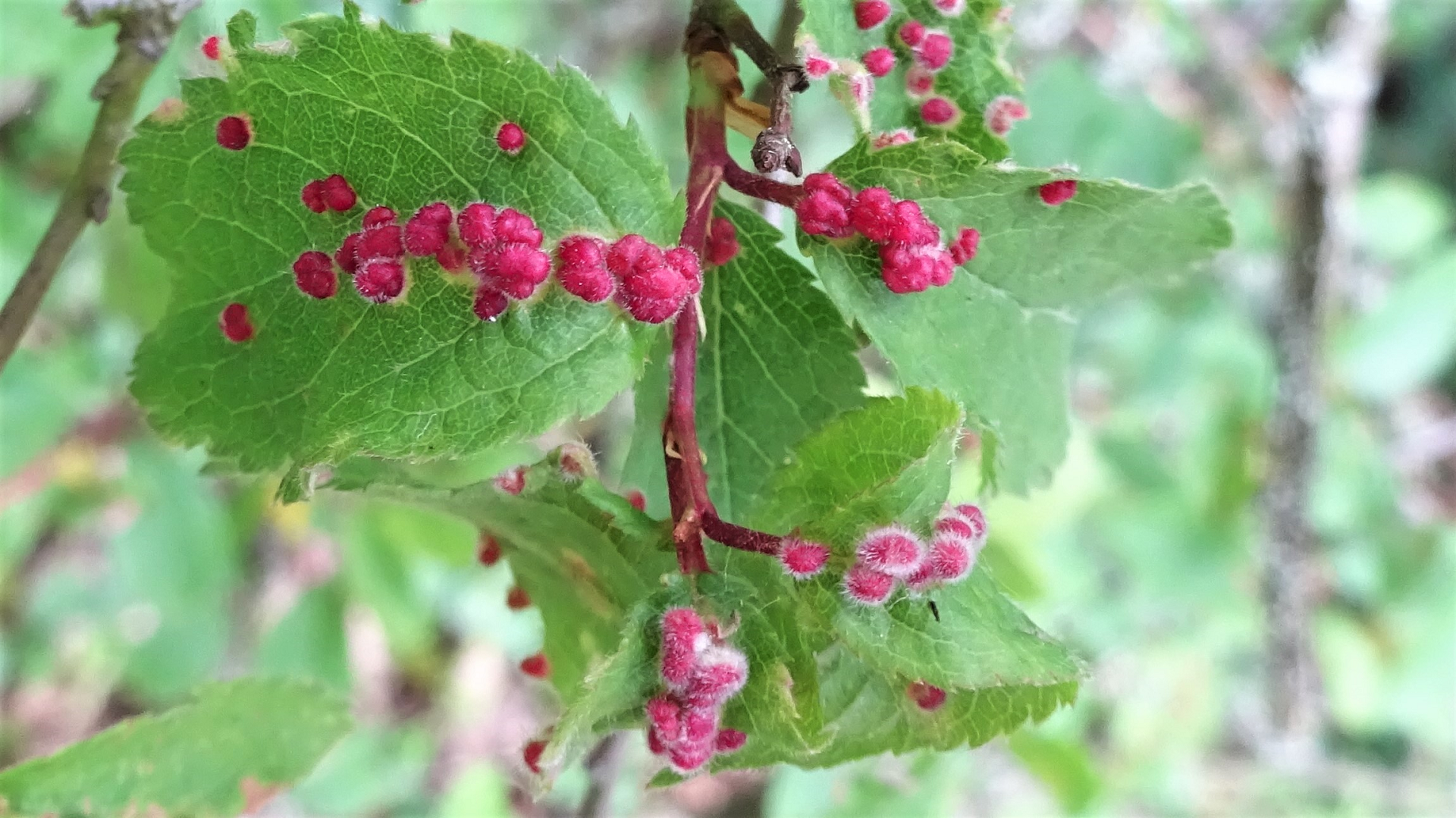
This gall is caused by the mite Eriophyes homophyllus on Blackthorn leaves, typically along the central vein with a small opening on the underside of the leaf.
#
Chigwell Row
The Common
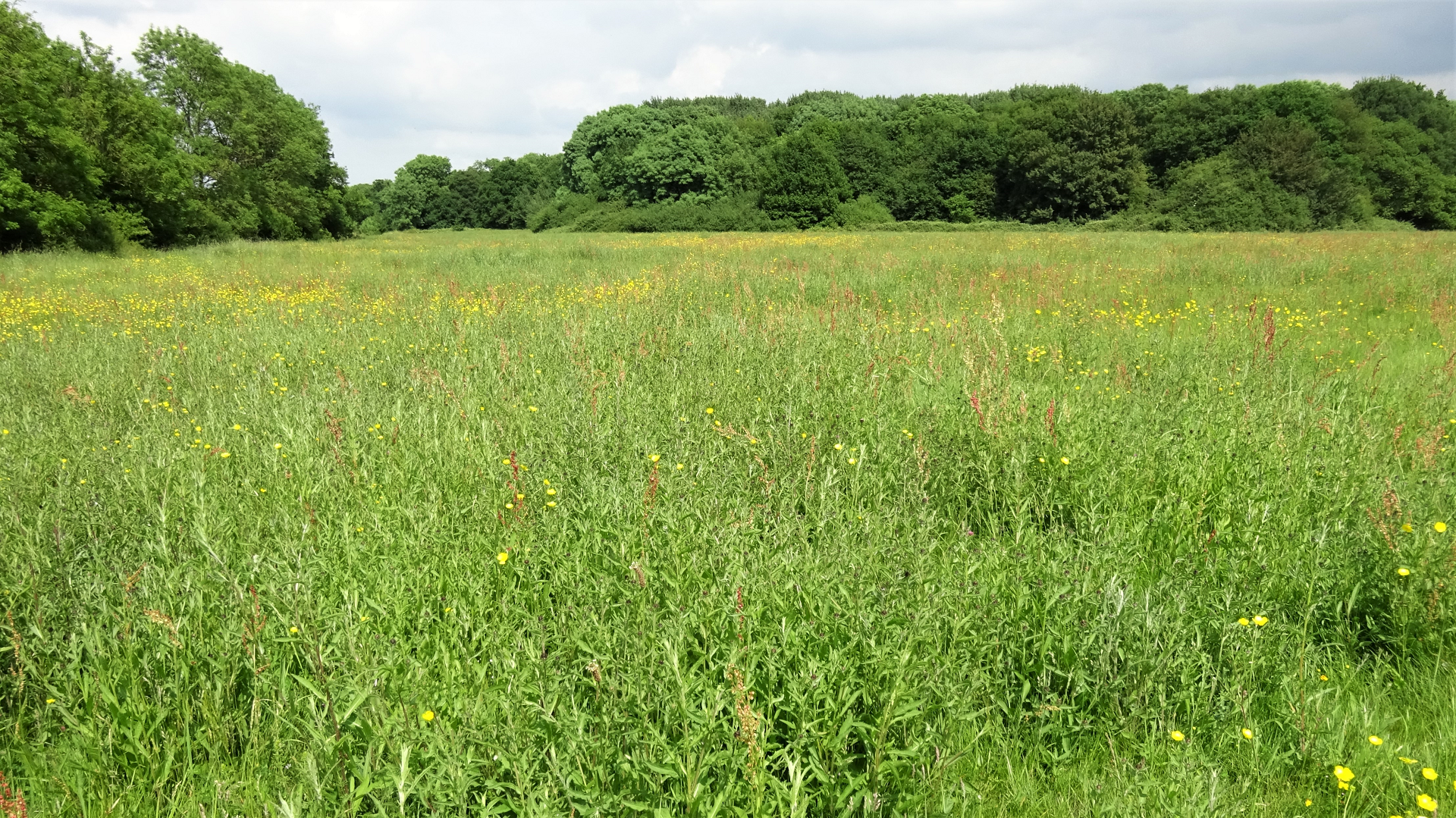
The common at Chigwell Row filled with buttercups, knapweed, thistles and other wild flowers.
#
Lake Path
Flooding

Heavy rain caused severe flooding to Hainault Lake path. The inflow stream (right) overflowed because water was unable to escape fast enough under the footbridge. Possibly a side barrier would be appropriate here to stop any unsuspecting visitors doing a Dr. Foster right up to their middle in the stream! By mid-June glorious weather returned with temperatures reaching 34+ degrees C. which soon dried the paths out.
#
Thank you to everyone who has contributed to this Journal.
© hainaultforest.net. All rights reserved.
This website uses necessary cookies. It does not use targeting or advertising cookies.