

THIRD QUARTER 2017
Porcelain Fungus
Oudemansiella mucida
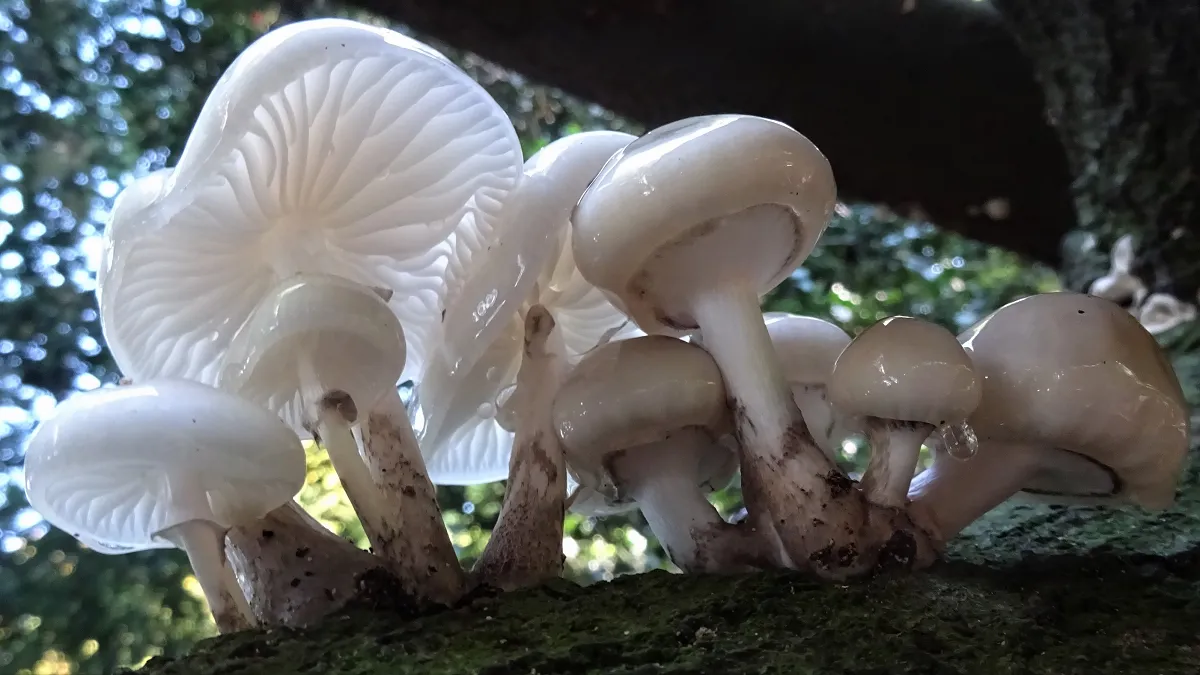
Also know as Porcelain Fungus due to its delicate translucent appearance. In folklore elves and fairies are often associated with living under toadstools. However, you will never find one residing beneath this species because dripping slime from the cap drives them away to find dryer habitats. It is also said that other fungi species won't live under it and there may be some truth to this... the slime contains a fungicide that kills them off.
#
Common Puffball
Lycoperdon perlatum
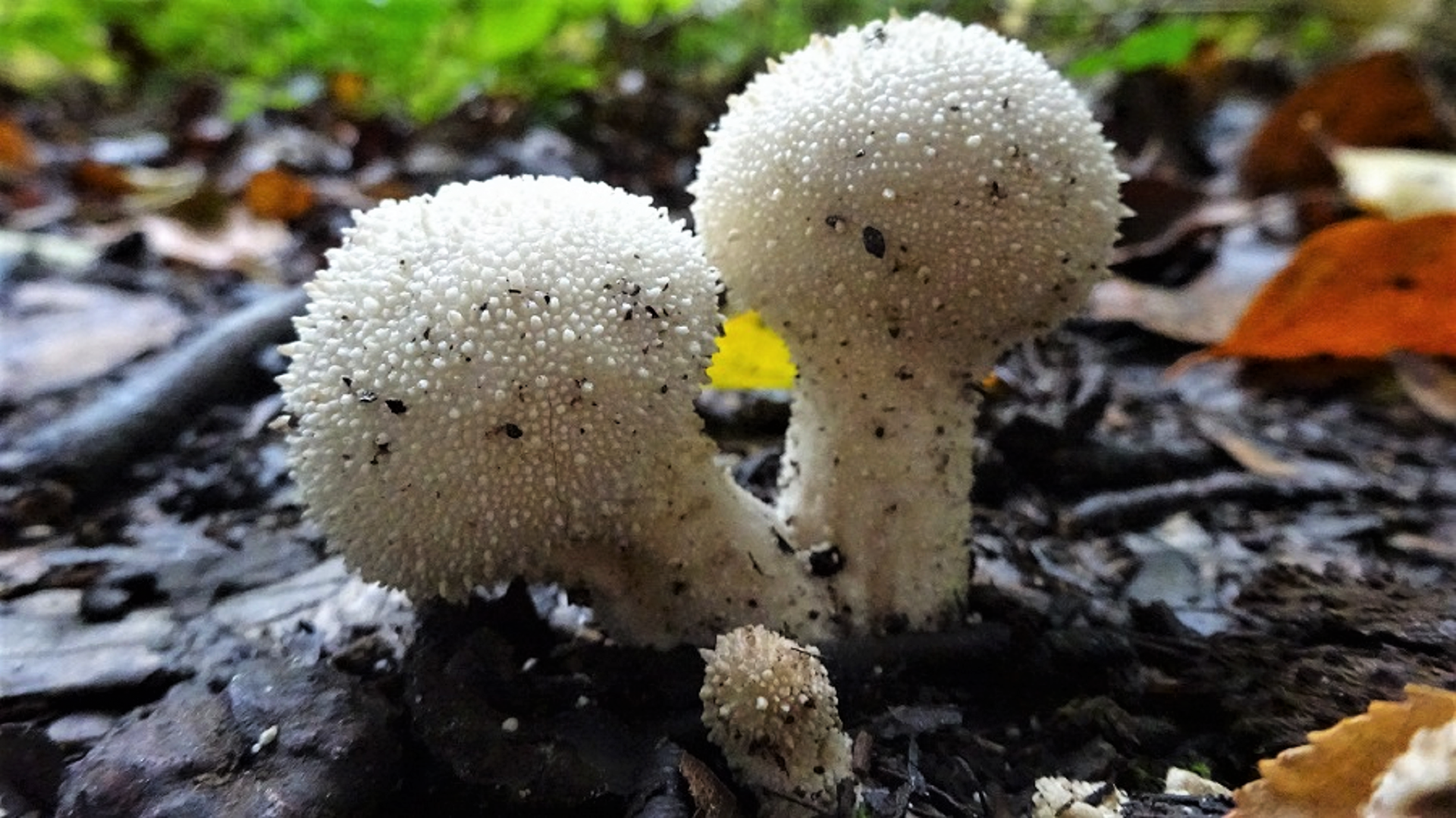
Normally found in small, scattered, groups in leaf litter under trees during summer and autumn, standing 40-80mm tall. Mature specimens release spores through a hole in the top which get dispersed by wind and rain.
#
Hare's Ear
Otidea onotica
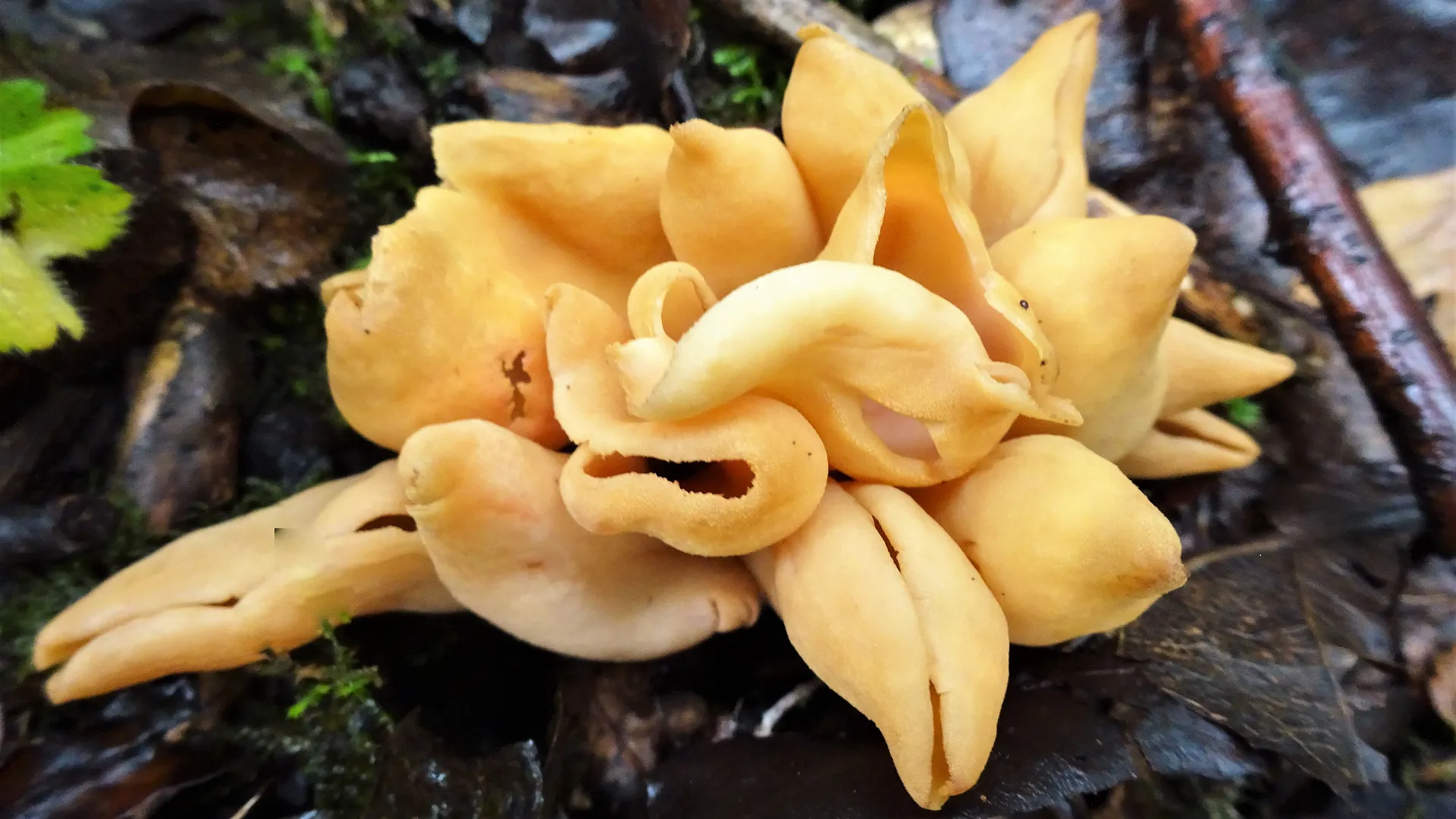
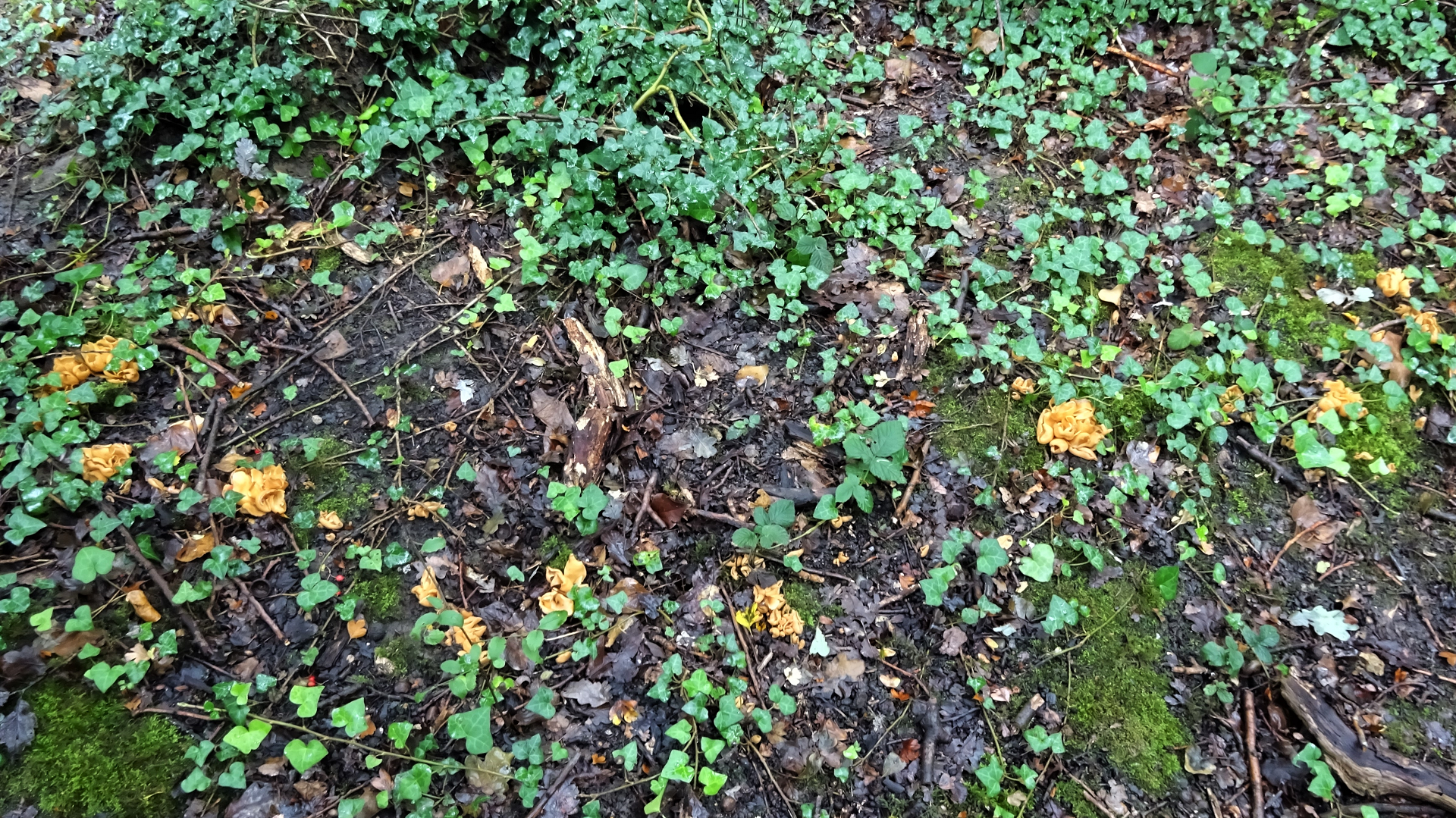
Hare's Ear fungus was found in a ring on woodland soil in the Lords Pond Fields area. Thank you to Peter Comber for identifying.
#
The Sickener
Russula emetica
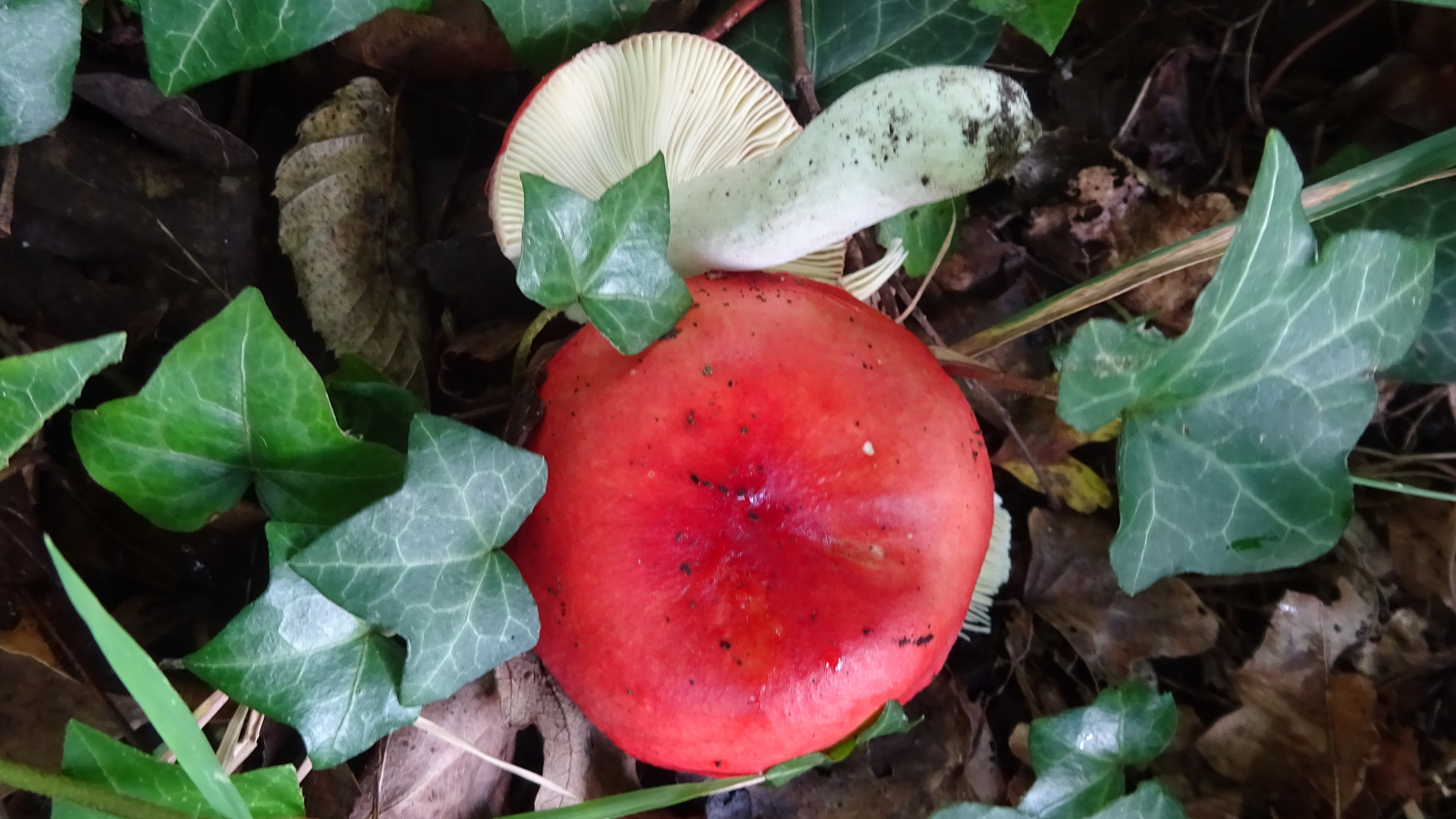
A common mushroom that will cause vomiting if eaten. This belongs to a family known as 'Brittlegills', because they break easily when touched.
#
Lumpy Bracket
Trametes gibbosa
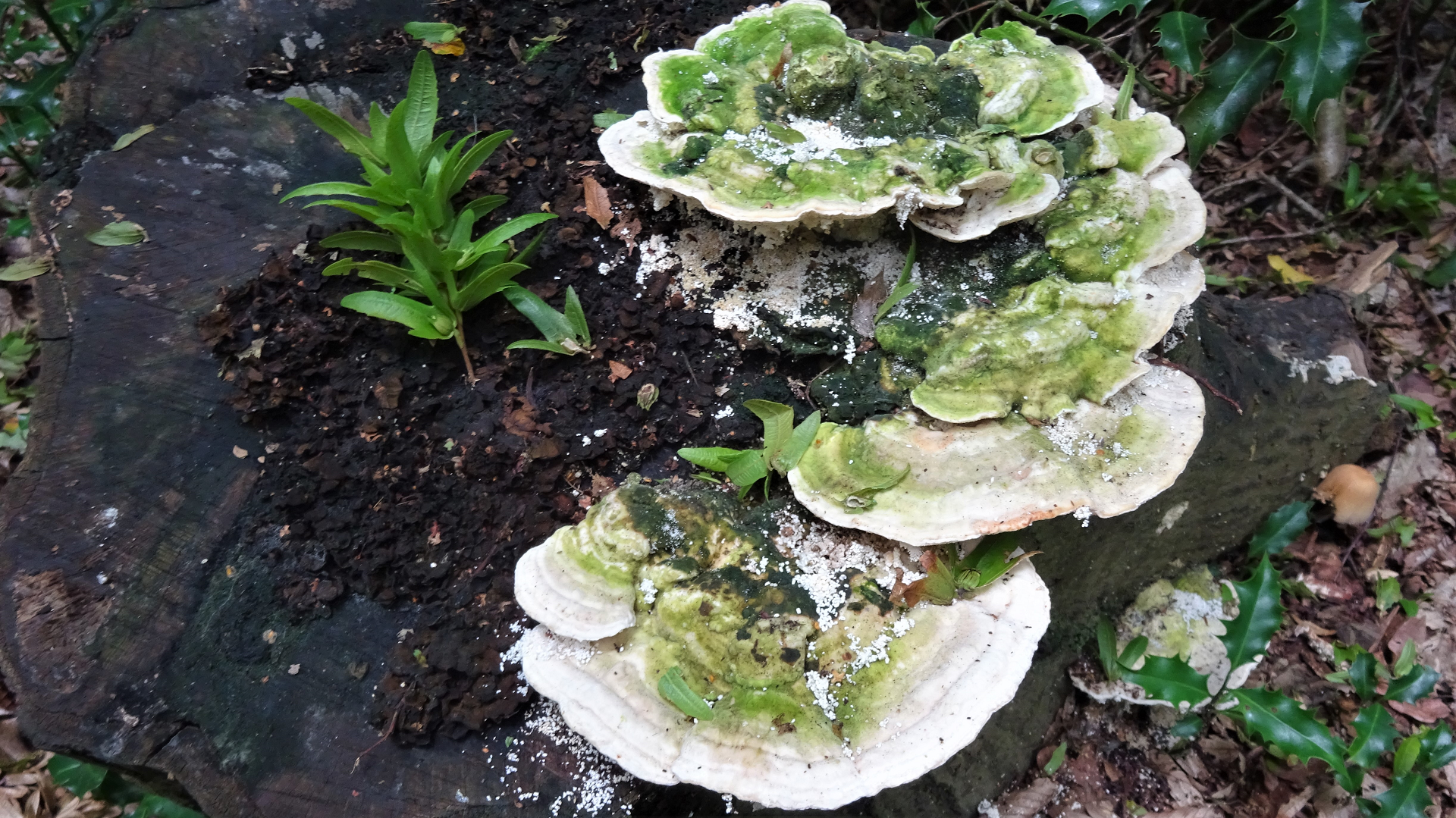
This Bracket fungus grows on beech stumps and other hardwoods where it causes white rot. The top is often discoloured by green algae. Unlike other
Trametes fungi that have rounded pores on the underside this species has slitted pores.
#
Scrambled Egg Slime Mould
Fuligo septica

Scrambled Egg Slime Mould on a log in Lambourne Woods.
#
Wolf's Milk Slime Mould
Lycogala terrestre

'Wolf's milk' Lycogala terrestre has salmon pink plasmodium. It develops roundish sporocarps that harden and turn dark before cracking open to release spores. This picture also shows Coral Slime Mould Ceratiomyxa fruticulosa, which has white and yellow finger-like sporangia (4mm) consisting of simple or branched columns. Both slime moulds grow on old damp deciduous deadwood.
#
Green Algae
Haematococcus
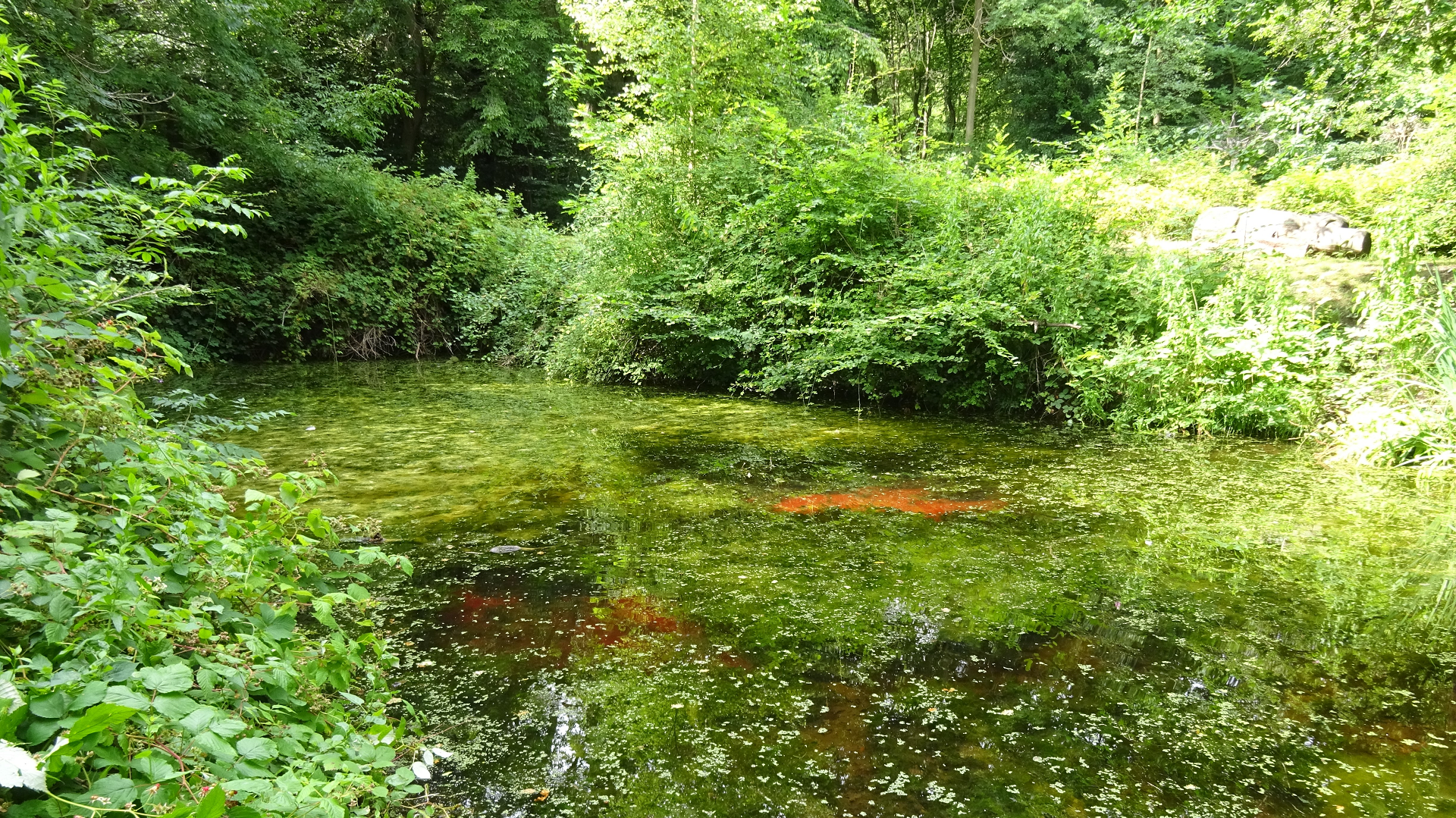
The red patches in the middle of Roe's Well are single-celled green algae which contain a blood red pigment.
#
Butterfly-bush
Buddleja davidii
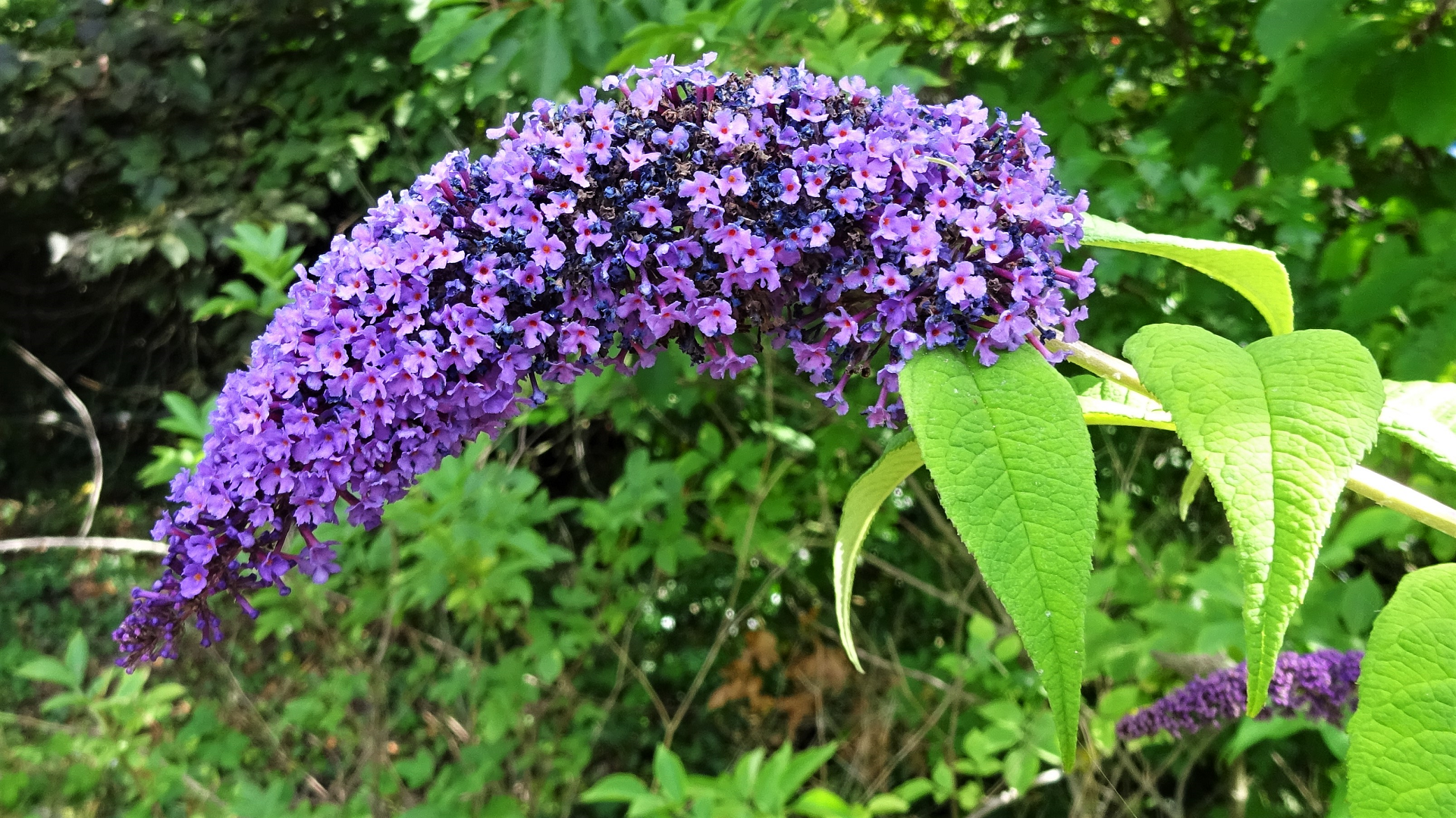
Buddleia attracts butterflies and that is why it is known as the Butterfly Bush. Flowering from June to October it appears in a variety of colours.
#
White Melilot
Melilotus albus
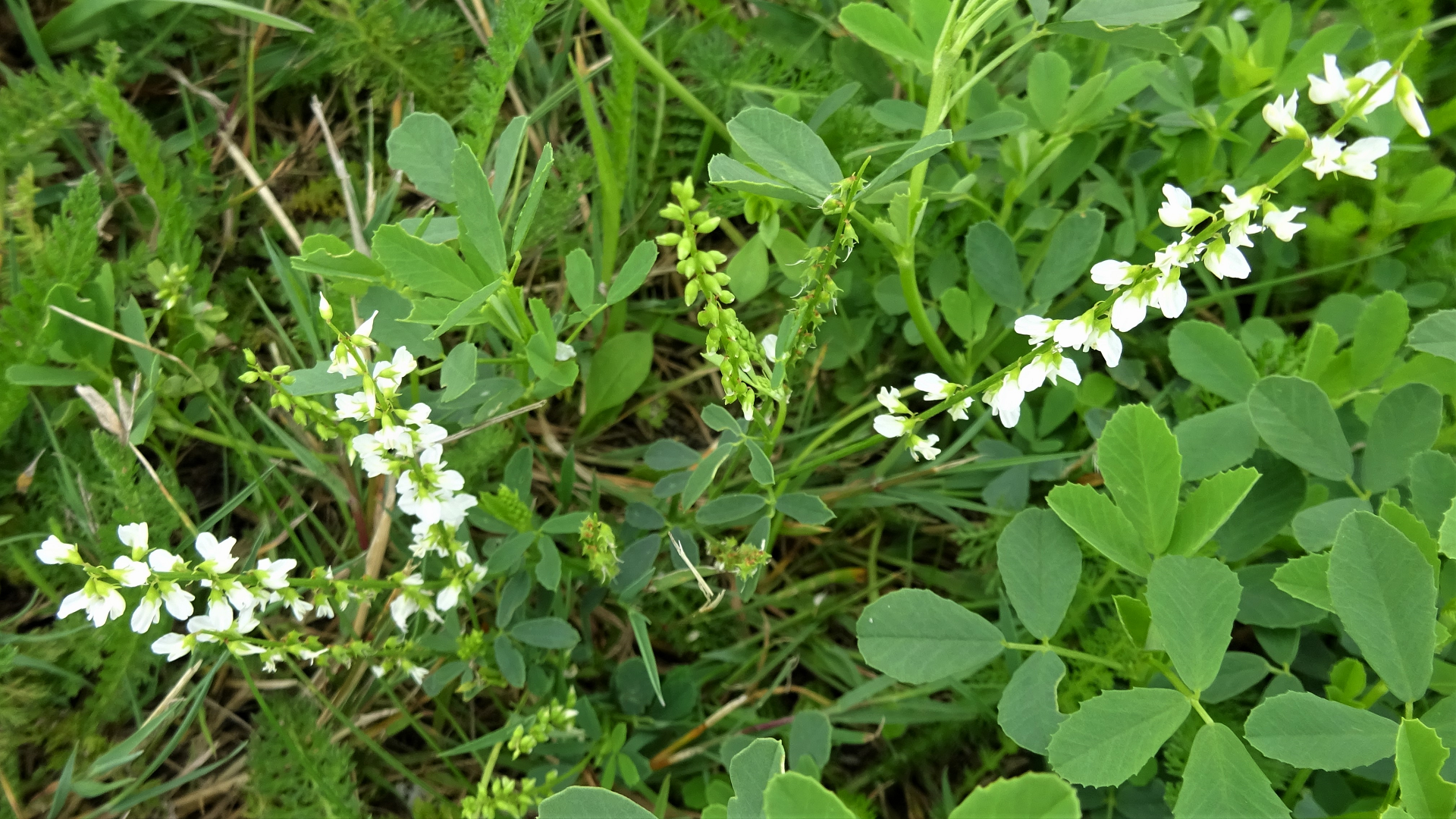
This annual germinates in spring and white flowers appear from July until September. It is rarely found in Hainault Forest, however a few plants were discovered in the Wildflower Meadow near the main Foxburrows entrance this year.
#
Field Pansy
Viola arvensis
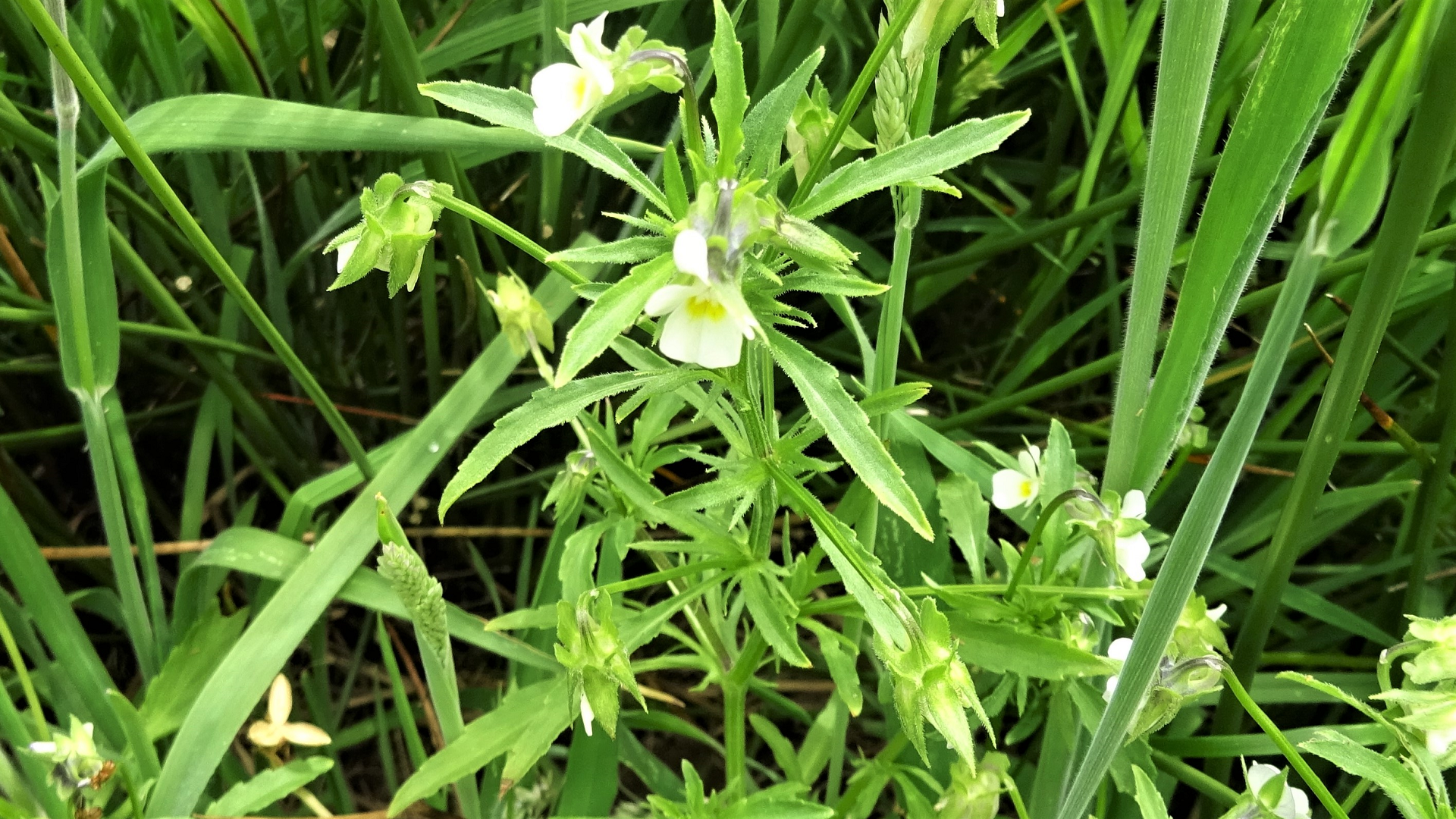
The Field Pansy is a long-stalked annual that grows up to 15cm in height on disturbed ground and in fields from May to September. The small flowers (10-15mm) are usually whitish with the lower petal being marked yellowish-orange.
#
Perforate St. John's Wort
Hypericum perforatum
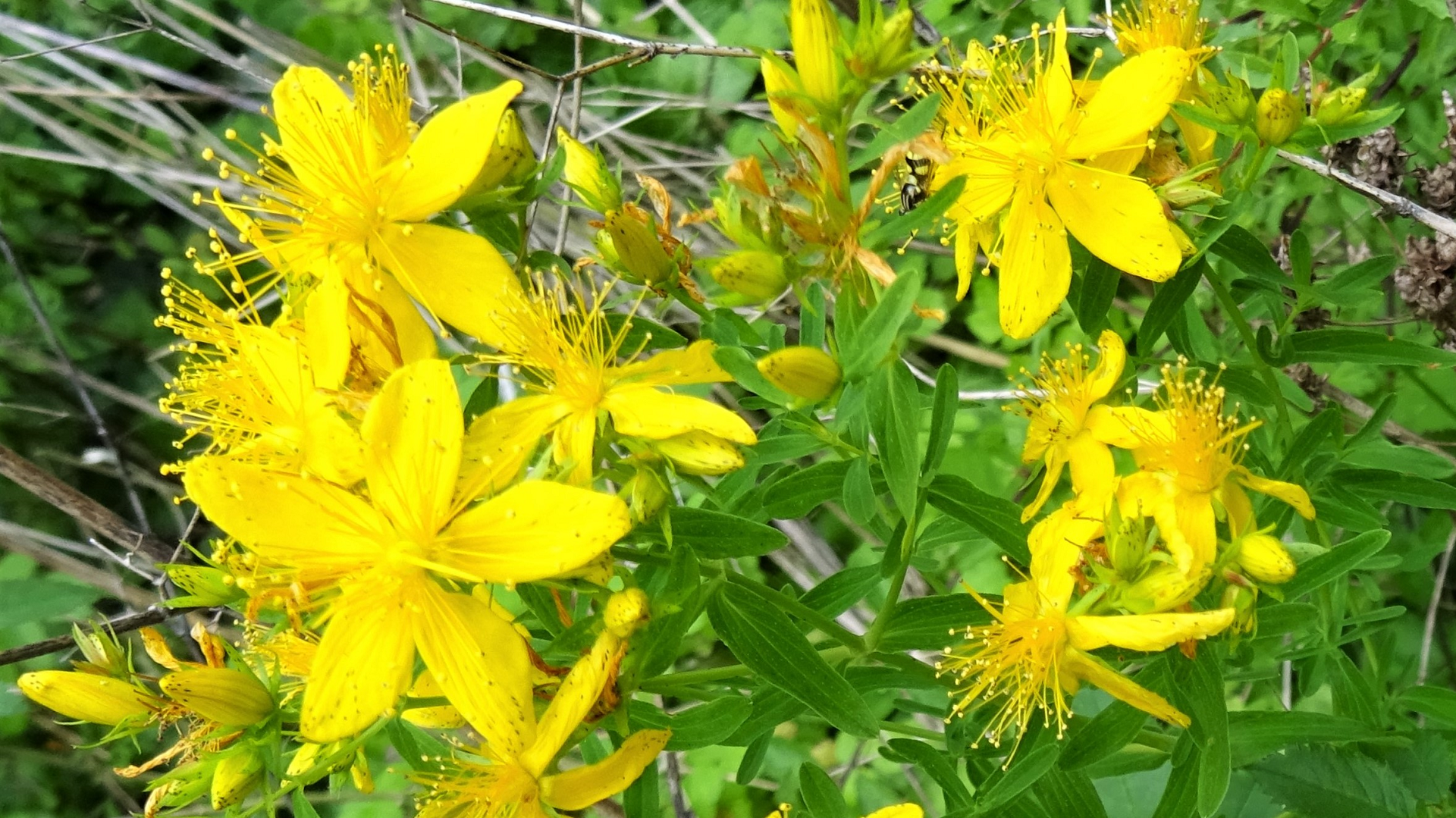
Perforate st John's-wort can be found by hedgerows, on waste ground and along woodland rides. Its bright star-shaped yellow flowers are peppered with small black dots. The leaves contain tiny perforations. It is claimed that the blood-red sap in the stems represents the blood of St. John the Baptist.
#
Large Bindweed
Calystegia silvatica var. quinquepartita
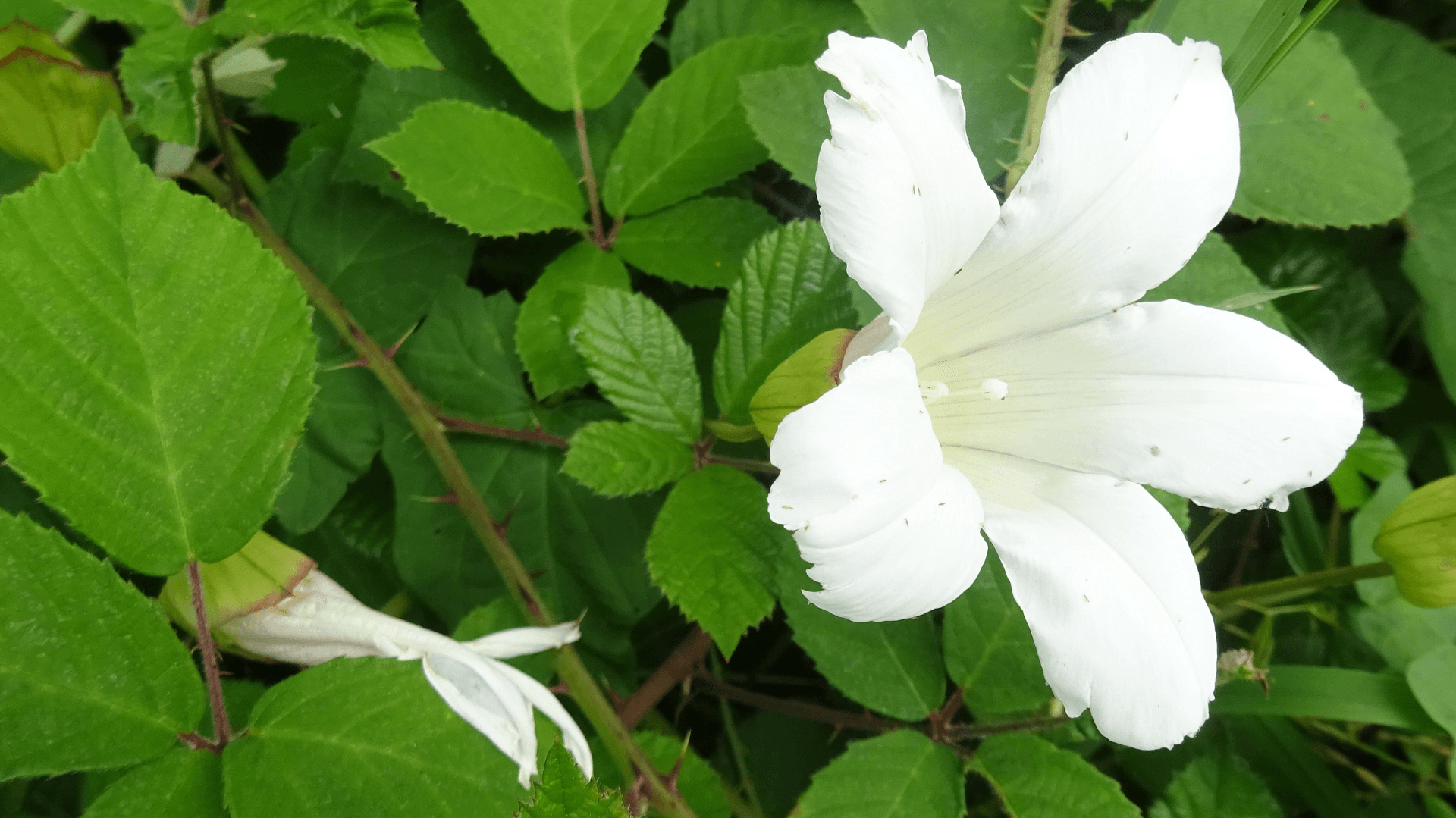
Large bindweed flowers are usually trumpet-shaped, but this is a rare and unusual variety found near Woodhenge.
#
Great Willowherb
Epilobium hirsutum
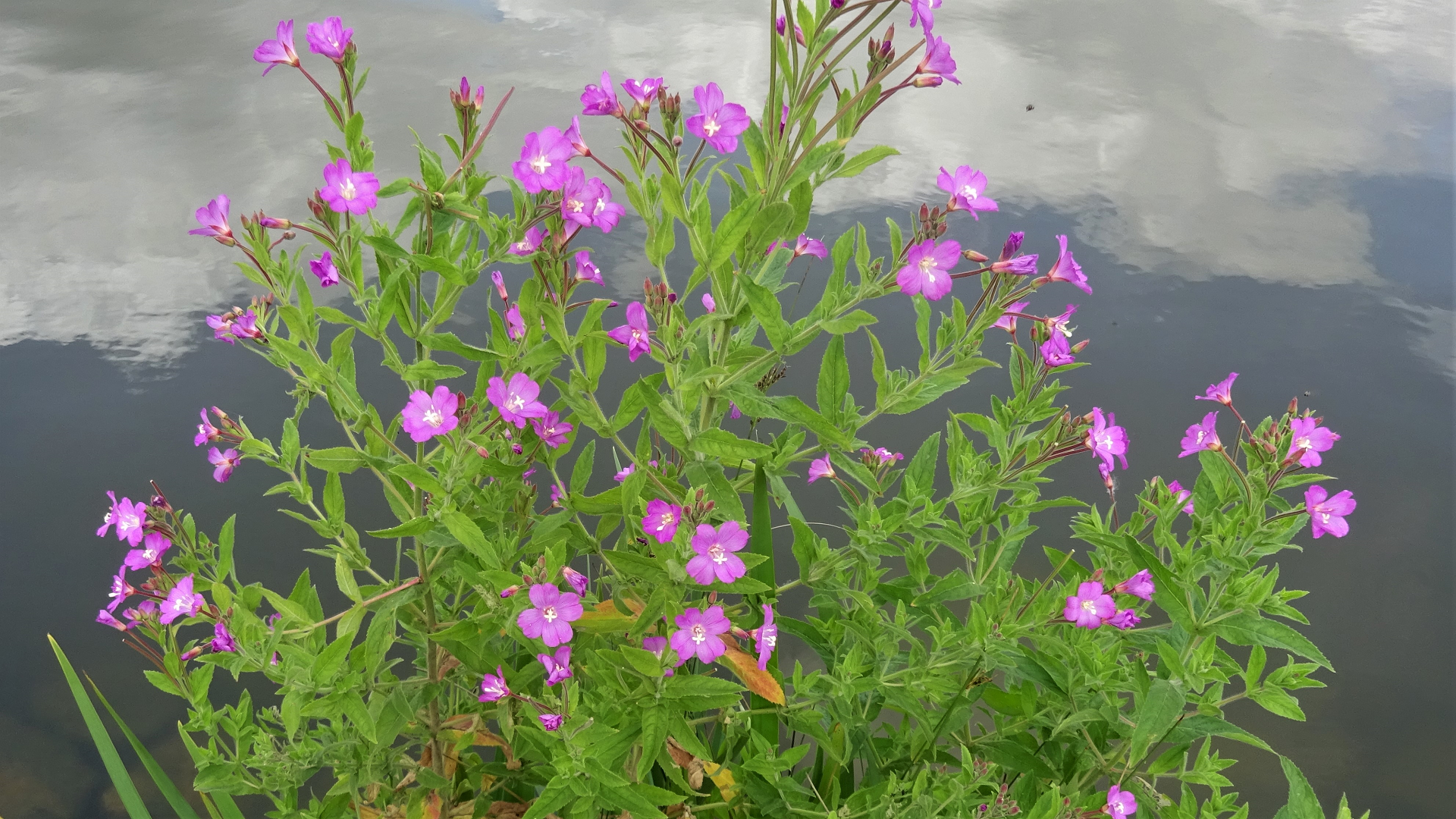
Also known as Codlins and Cream, this is a large herb with a preference for damp ground. The pink flowers with creamy-white centres appear on the top of hairy stems from July to August.
#
WIld Celery
Apium graveolens
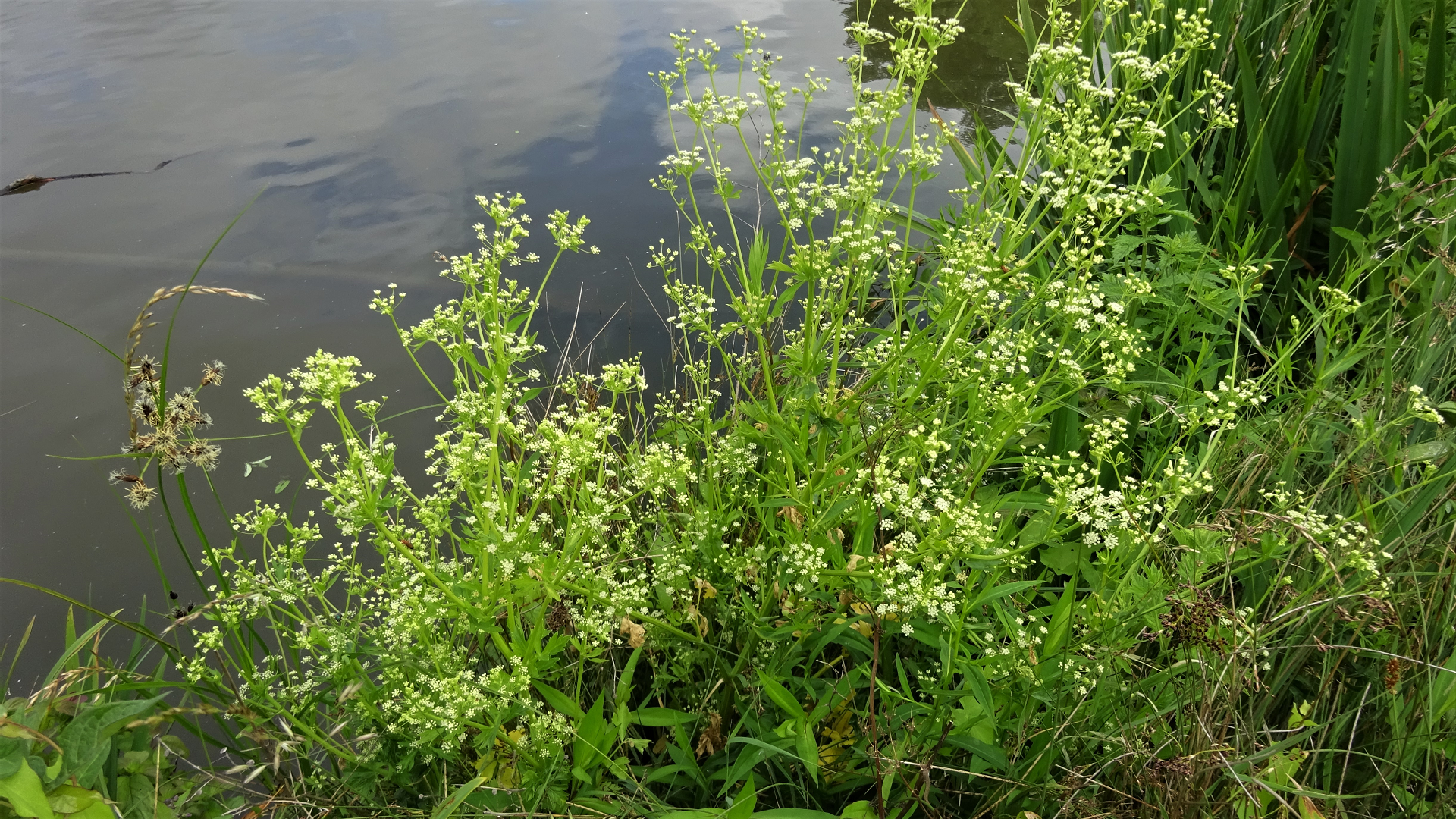
Several plants grow along the southern edge of the lake near the outfall. It is a biennial plant that normally grows in brackish areas near the sea, but is occasionally found inland.
#
Fyfield Pea
Lathyrus tuberosus
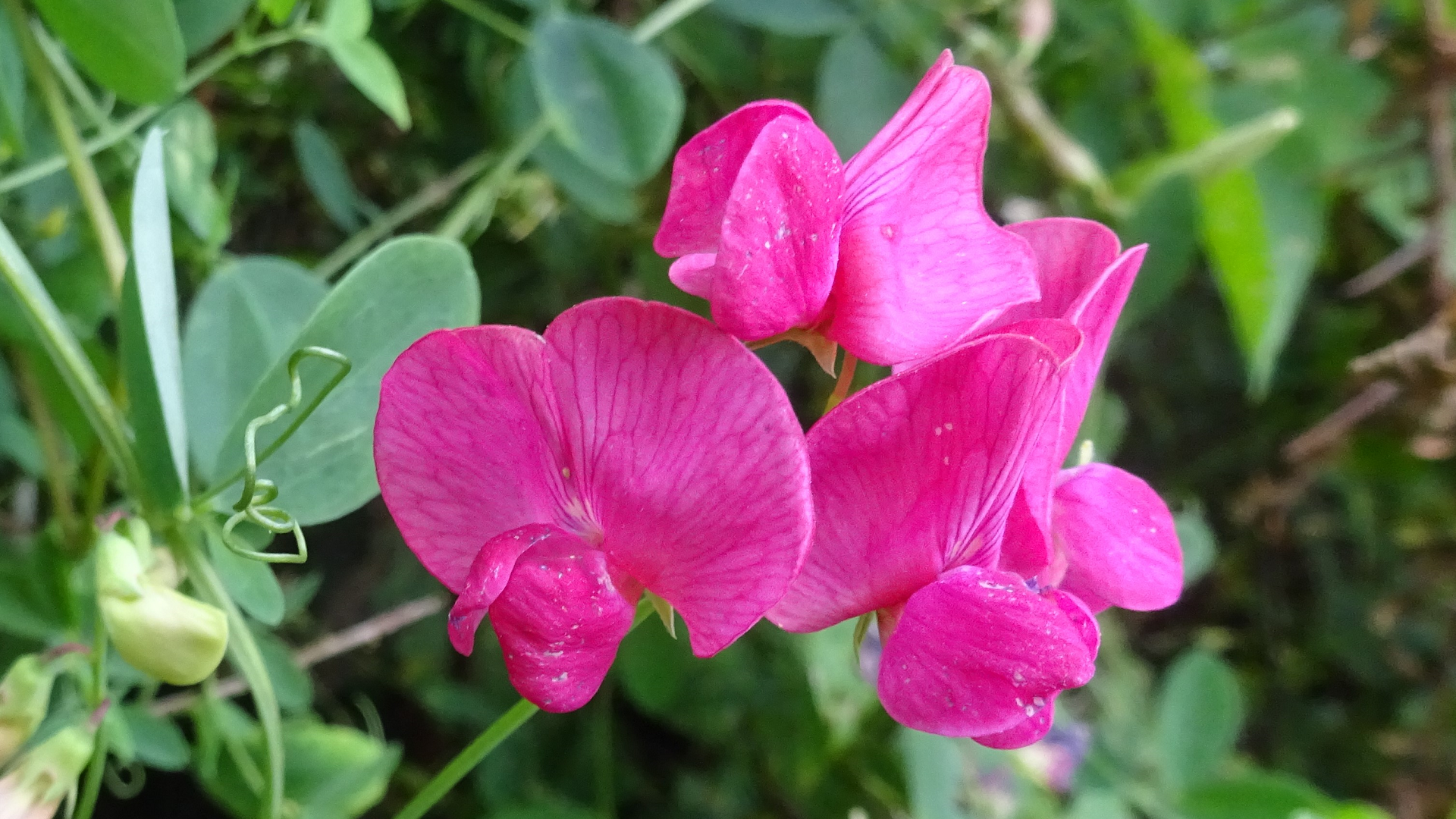
A fairly uncommon scrambling perennial belonging to the Pea family that has large pinkish flowers up to 20mm in size. Two to seven flowers appear on short spikelets. The leaves consist of one pair of oval leaflets. A tendril is situated at the end of each leaf.
#
Scarlet Pimpernel
Anagallis arvensis
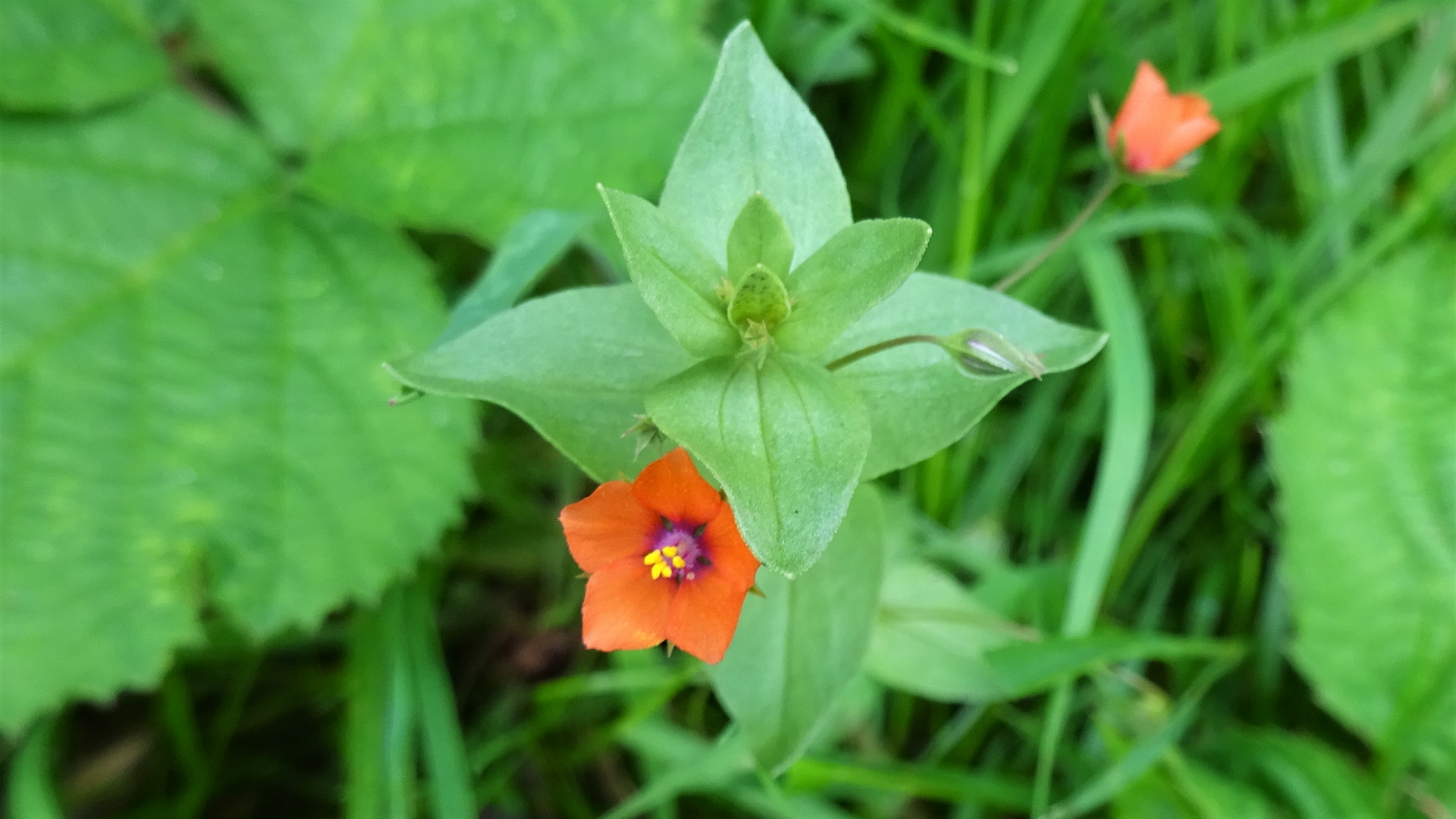
Scarlet Pimpernel produce reddish, or occasionally blue, five-petalled flowers. The trailing stems have unstalked oval leaves. When the atmospheric pressure falls the flowers close and this is a sign that bad weather is approaching.
#
Bittersweet
Solanum dulcamara
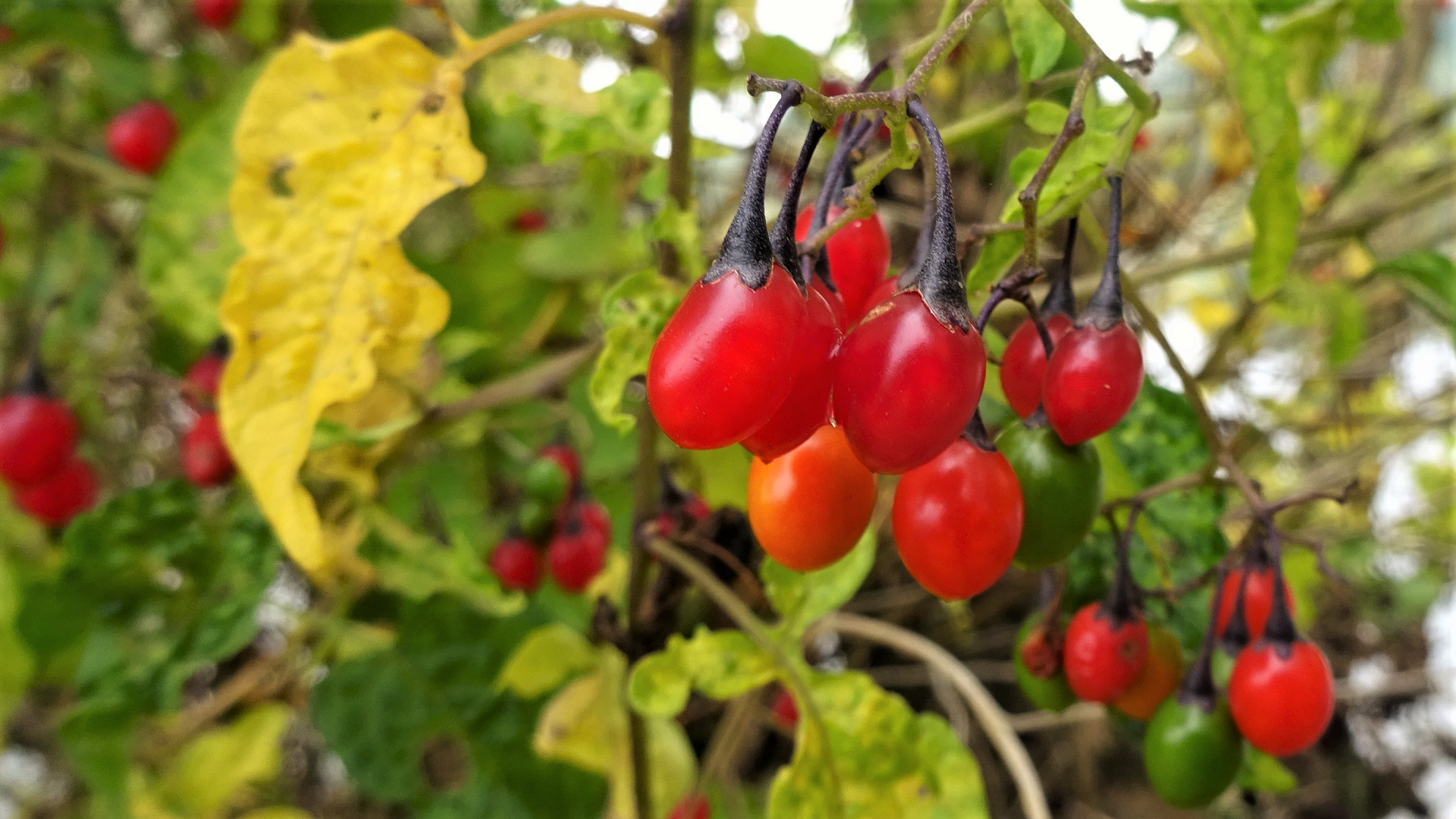
Bittersweet produces poisonous red berries during the autumn.
#
Common Centaury
Centaurium erythraea
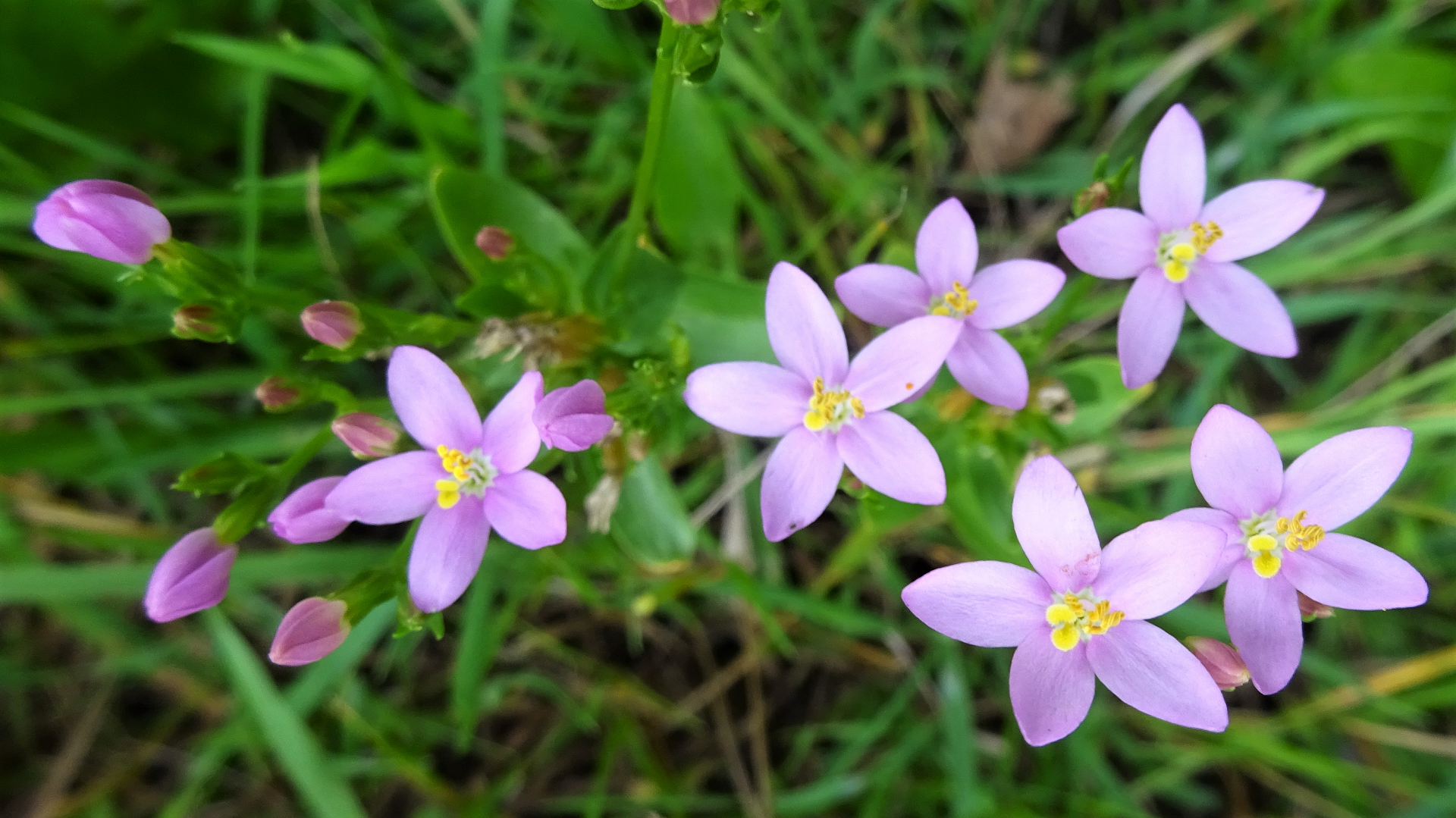
Common Centaury is found in meadows and along woodland rides from June until September. It has pinkish, five-petalled, flowers that close during the afternoon. There is a rosette of oval leaves at the stem base.
#
Water Mint
Mentha aquatica
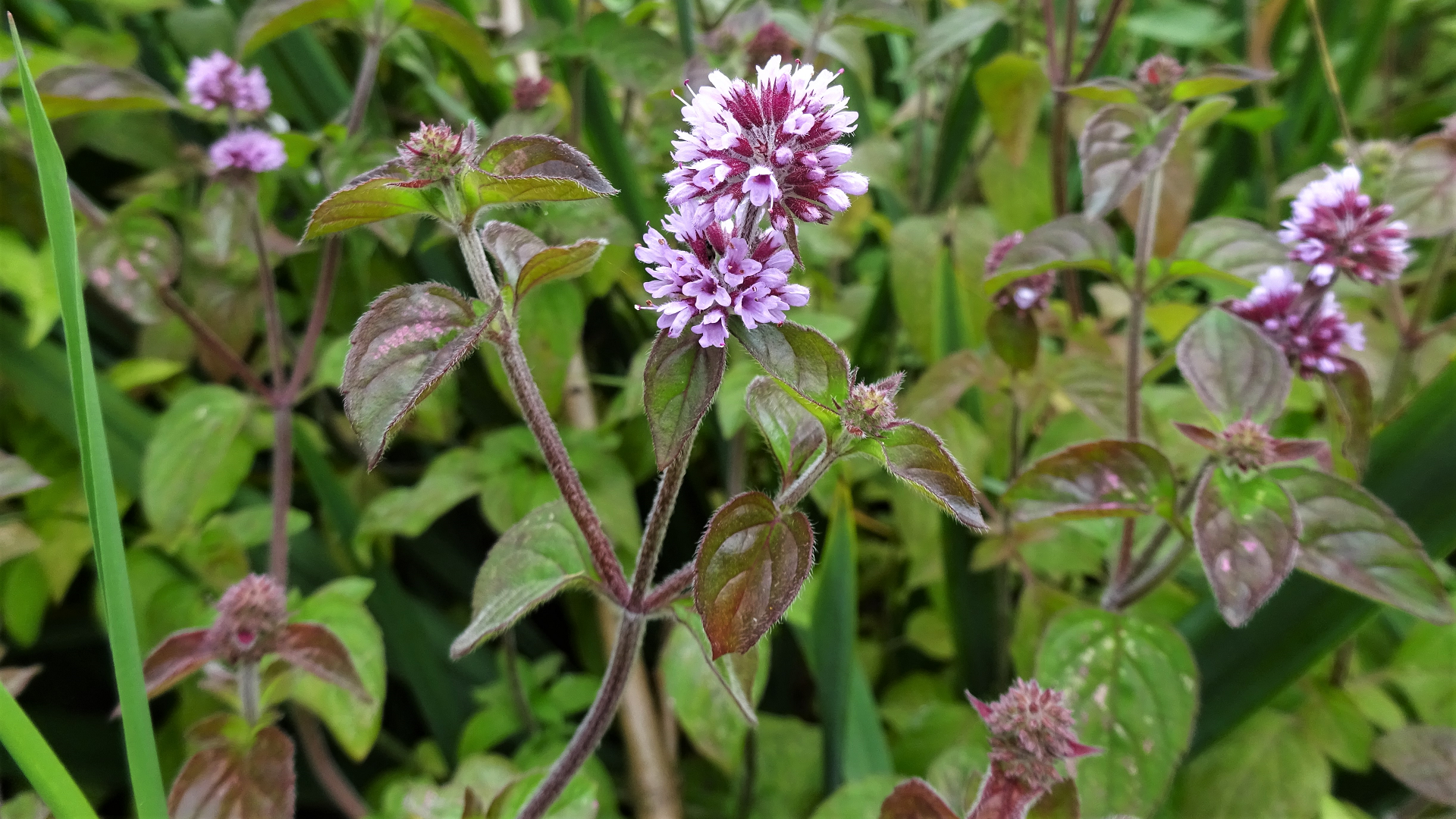
This summer water mint has been growing over seventy centimetres tall by Hainault Lake. It has a lovely fresh menthol aroma.
#
Skullcap
Scutellaria galericulata
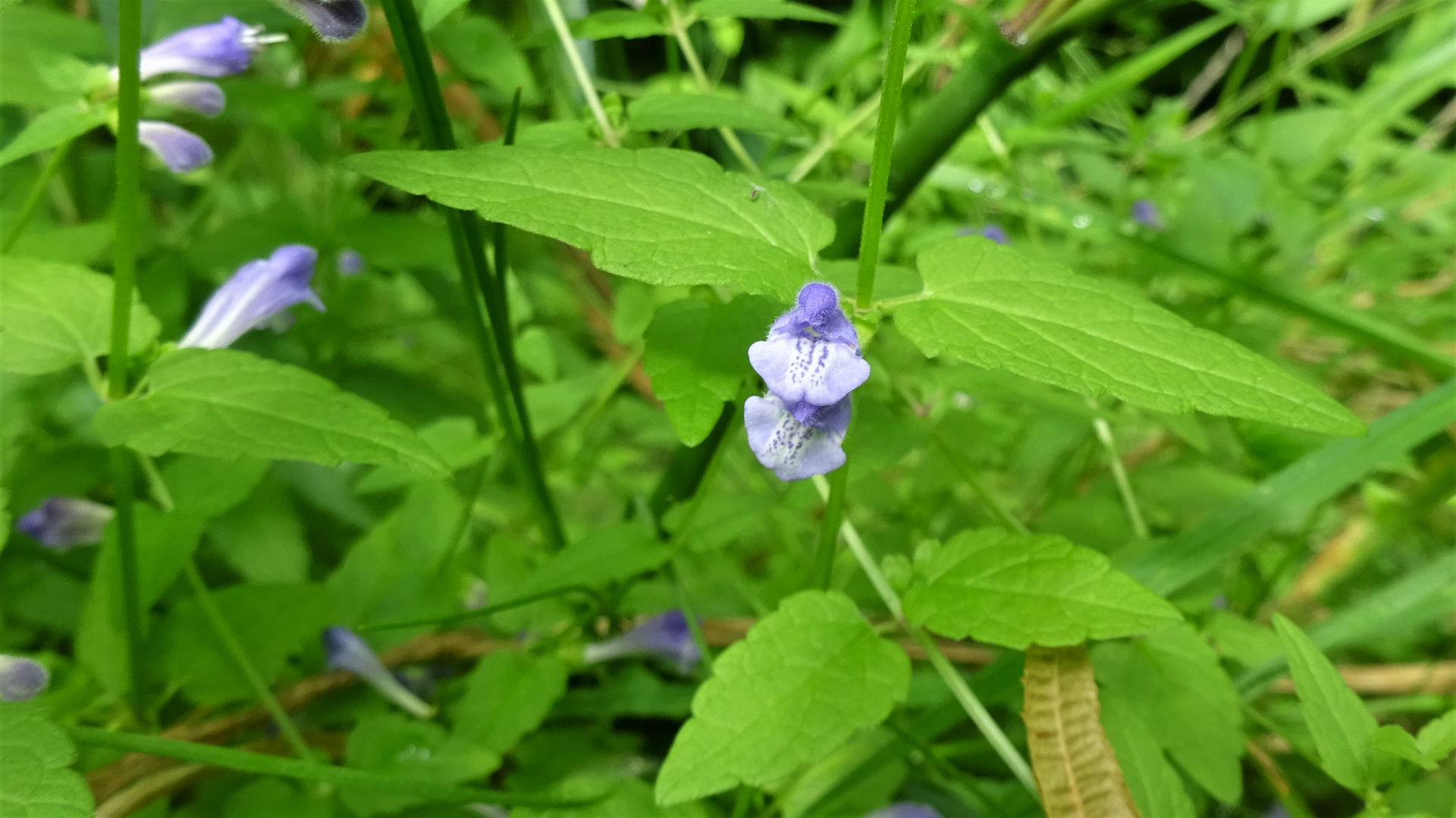
Perennial found flowering in damp habitats from June to September. It has bluish-violet flowers, a square stem and opposite pairs of round-toothed oval leaves.
#
Nettle
Urtica dioica
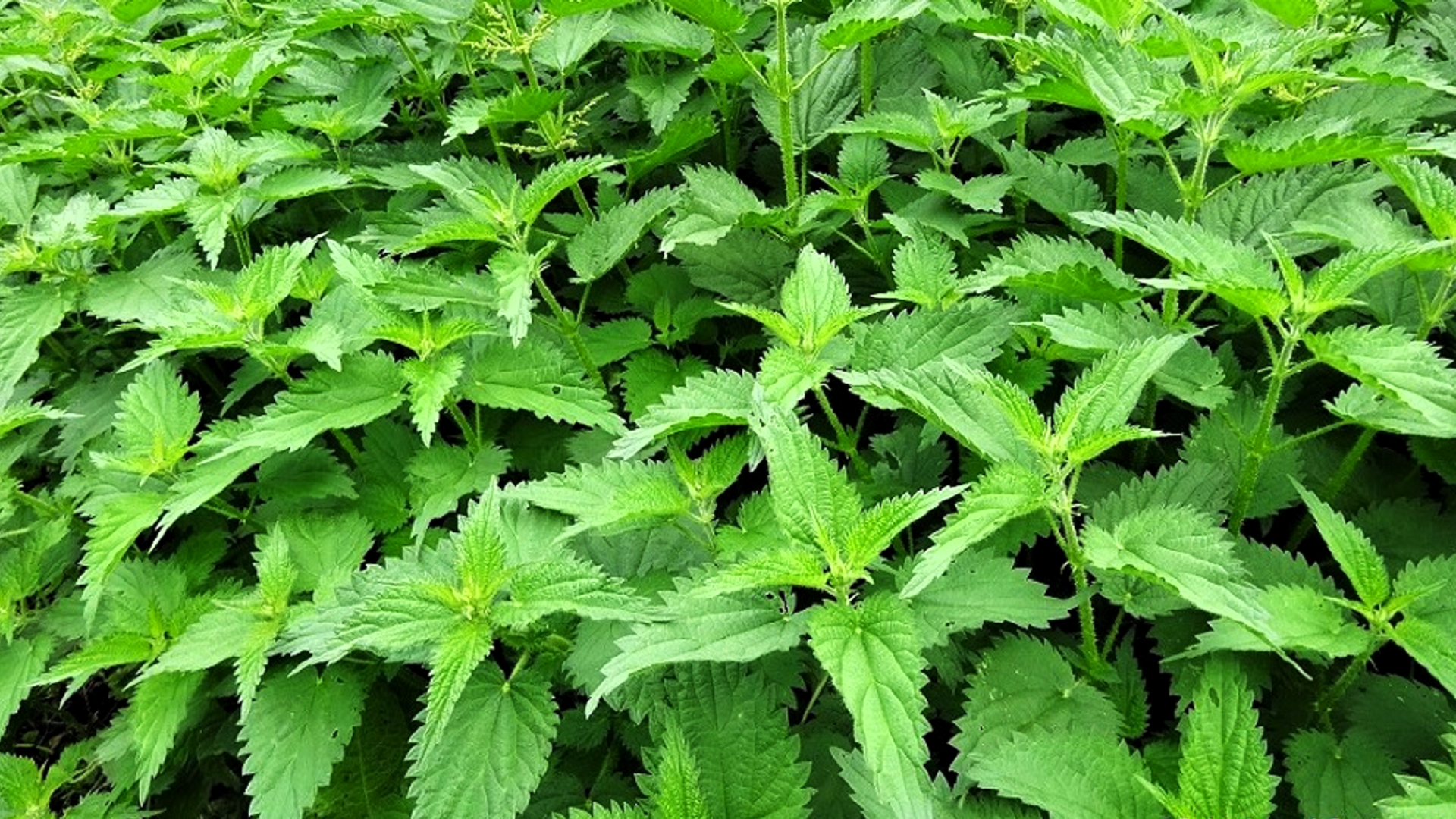
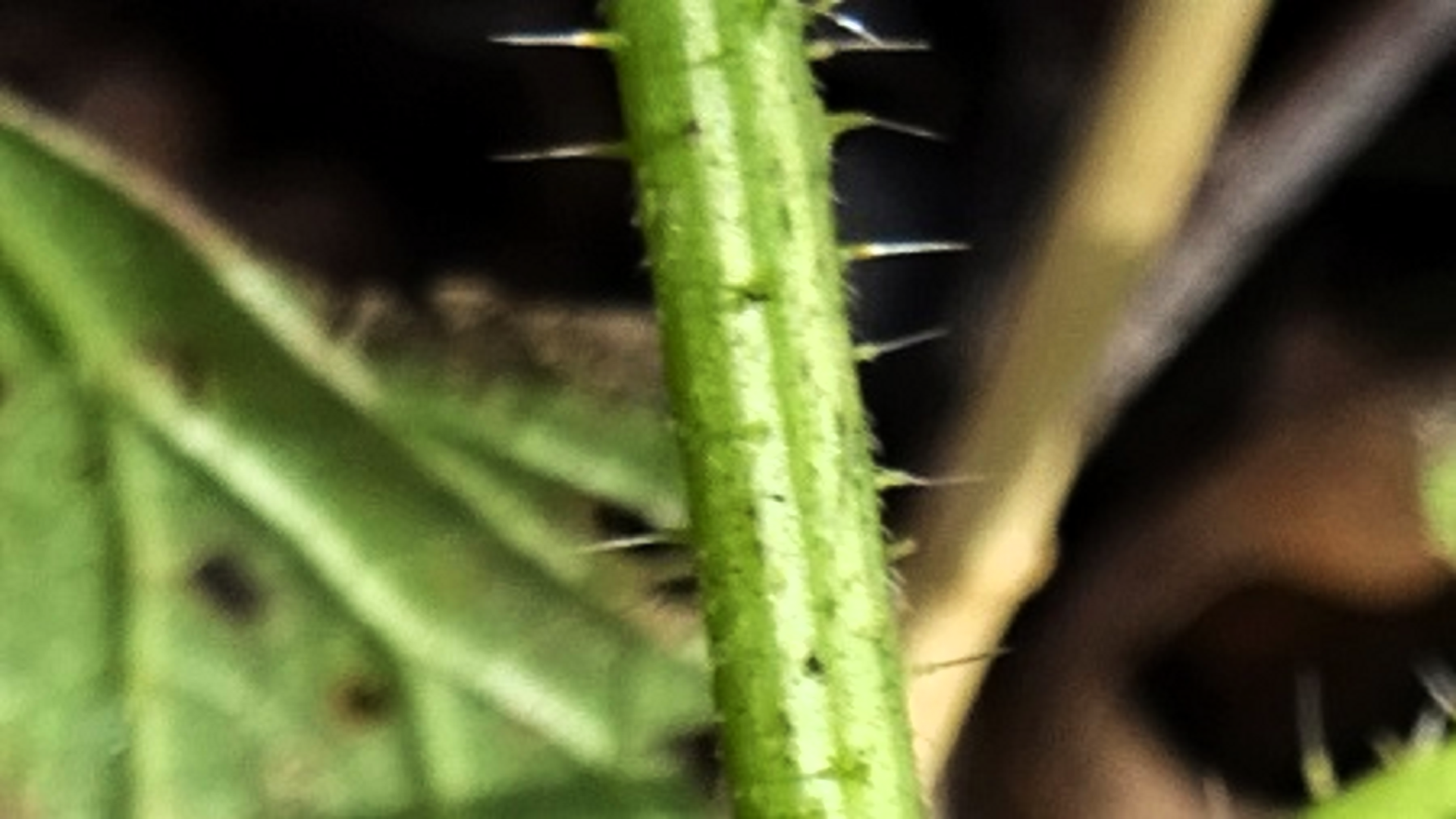
An important plant that supports over forty insect species including butterflies such as the Peacock and Small Tortoiseshell. This tall perennial found in disturbed areas is commonly known as 'stinging nettle' due to stinging hairs along its stem. Insects can navigate between the stingers without triggering the sting which aids in their survival. Grazing animals are often discouraged by the stings, reducing the likelihood of insect larvae being consumed. Large populations of aphids inhabit nettle leaves, serving as a crucial food source for ladybirds and blue tits. If nettles are cut down too early in the summer it harms valuable insect life. Nettles produce a significant amount of seed that supports seed-eating birds during autumn. Its short-stalked, toothed leaves grow in opposite pairs, and the flowers appear as catkins, with male and female catkins located on separate plants.
#
Hawkweed Oxtongue
Picris hieracioides
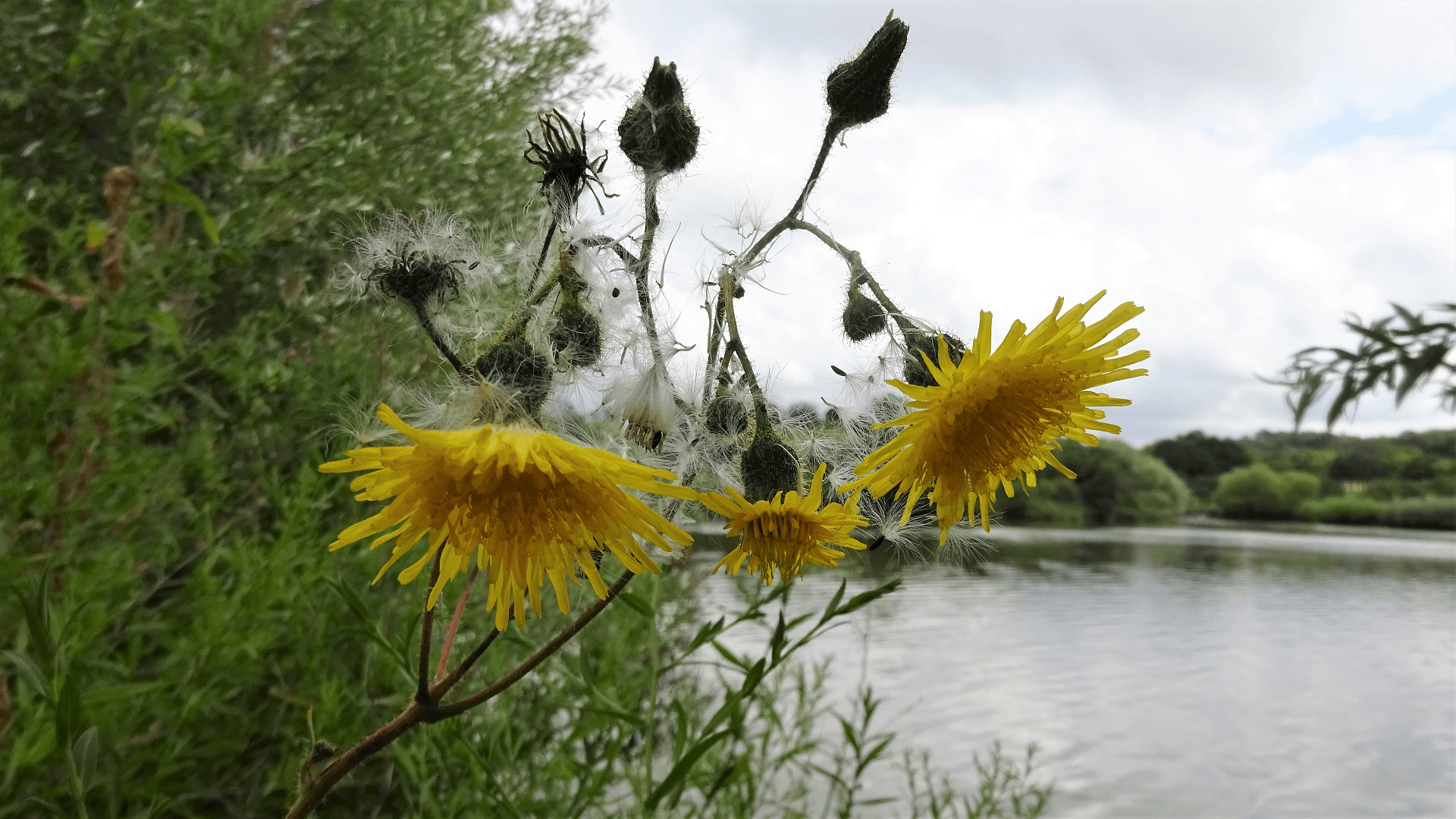
This is a tall, hairy plant, with yellow flowers. It may be perennial, biennial, or annual, depending on its location. The lanceolate to oblong leaves may be toothed or untoothed. Thank you to Dr. Ken Adams from the Essex Botanical Society for the identification.
#
Oxford Ragwort
Senecio squalidus
T
#
Japanese Rose
Rosa rugosa
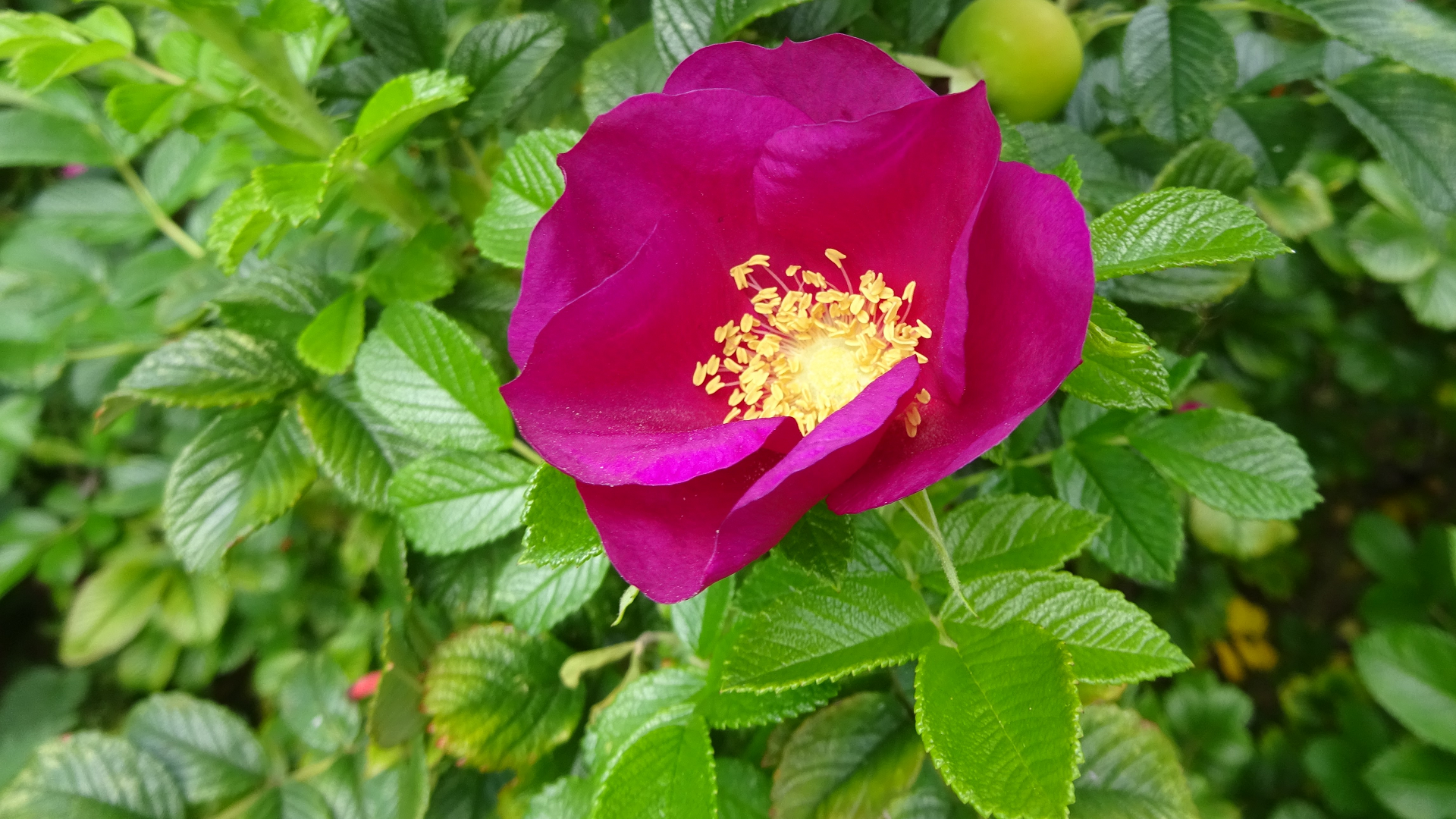
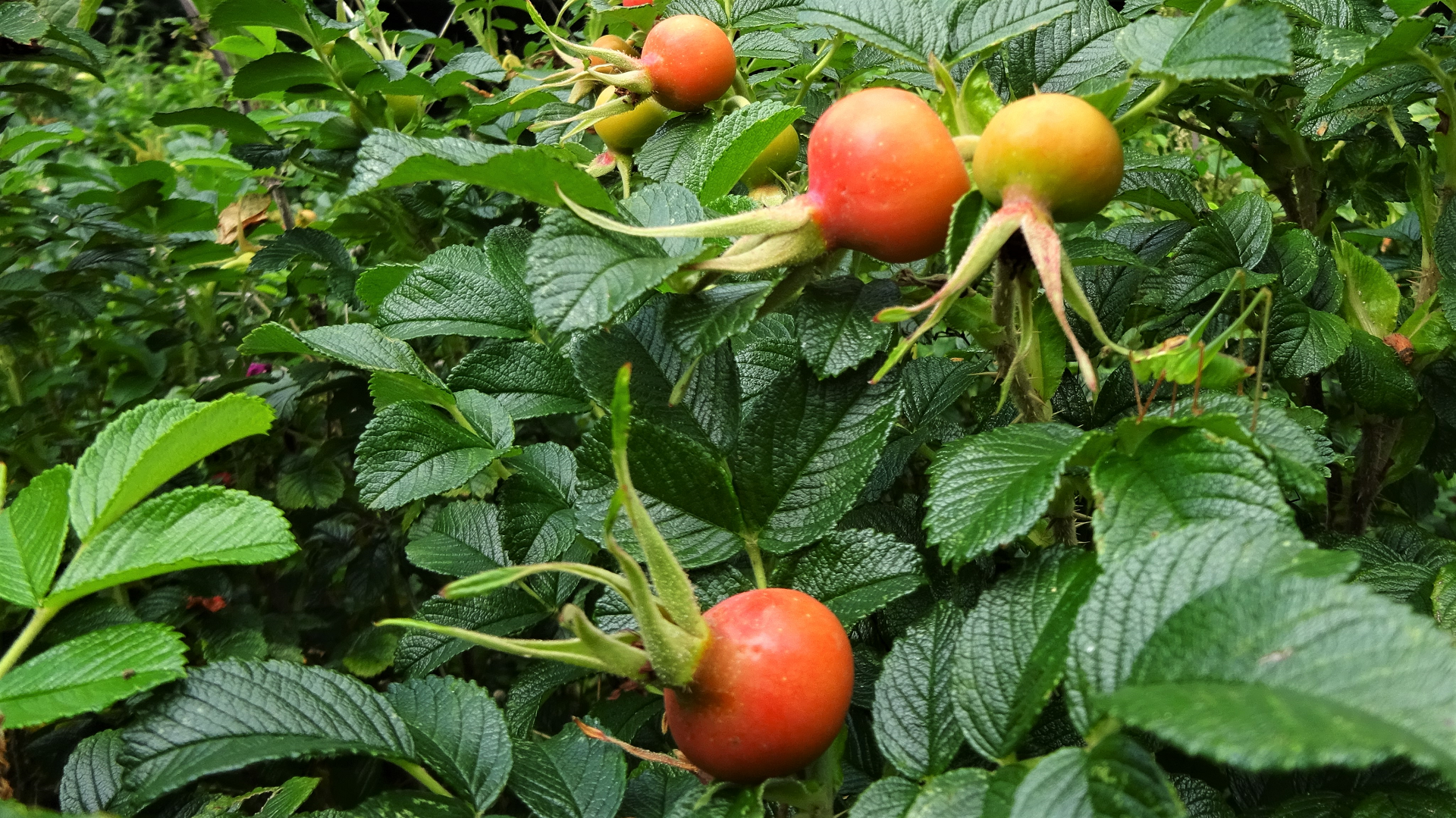
This is an ornamental that originates from Asia and is not a native species. The Latin word 'rugosa' means 'wrinkled', referring to the wrinkled leaves. It uses suckers to form new plants from the roots creating dense thickets. This species was introduced to the forest when a hedgerow was built on Cabin Hill. The fruits known as 'Hips' resemble cherry tomatoes about 20–30mm diameter. The plants often produce flowers and fruit simultaneously.
#
Purple Loosestrife
Lythrum salicaria
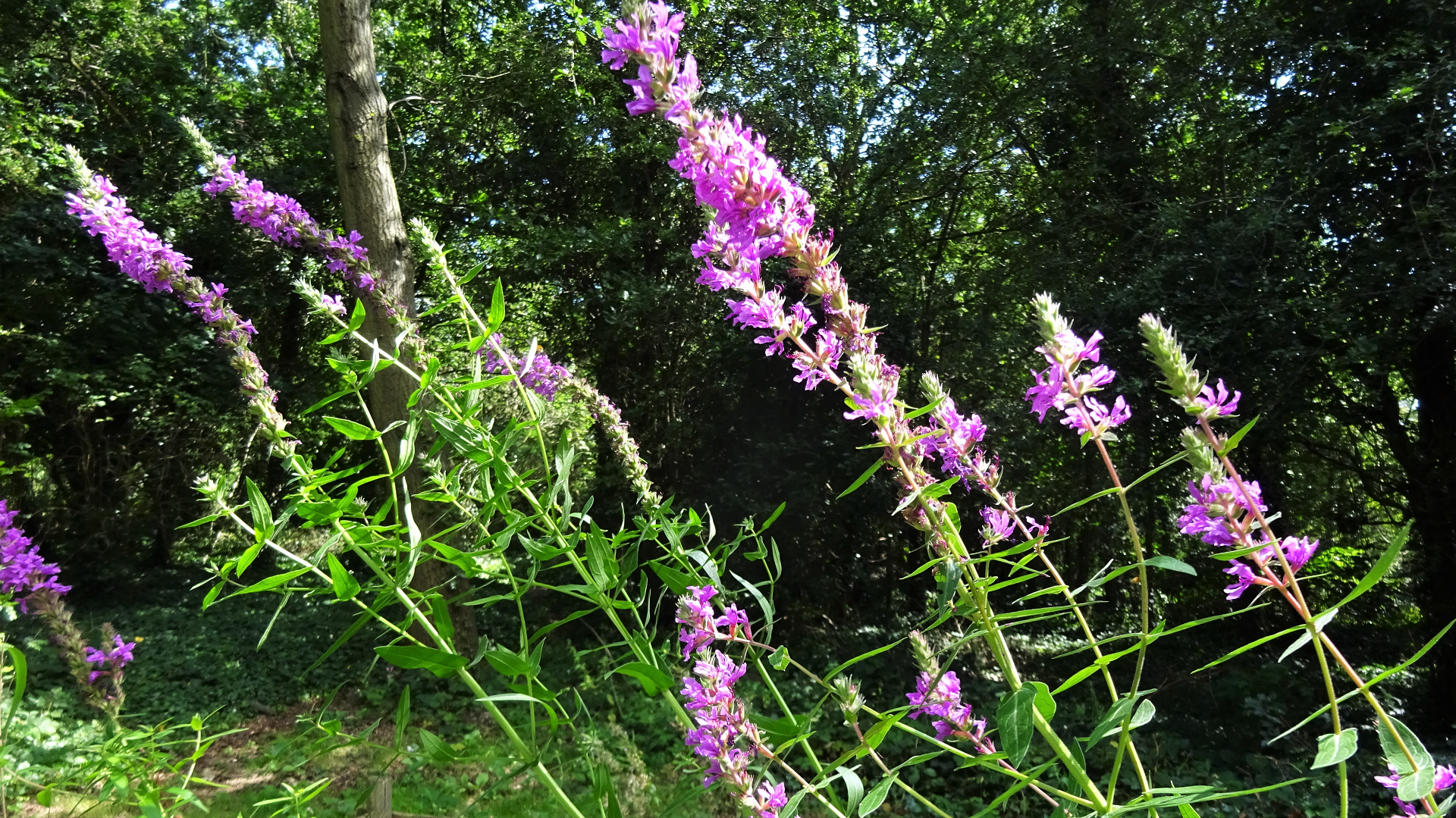
The purple flower spikes have long green leaves in opposite pairs up the tall stem. The plants are found in wet habitats, such as around the ponds in Hainault Lodge.
#
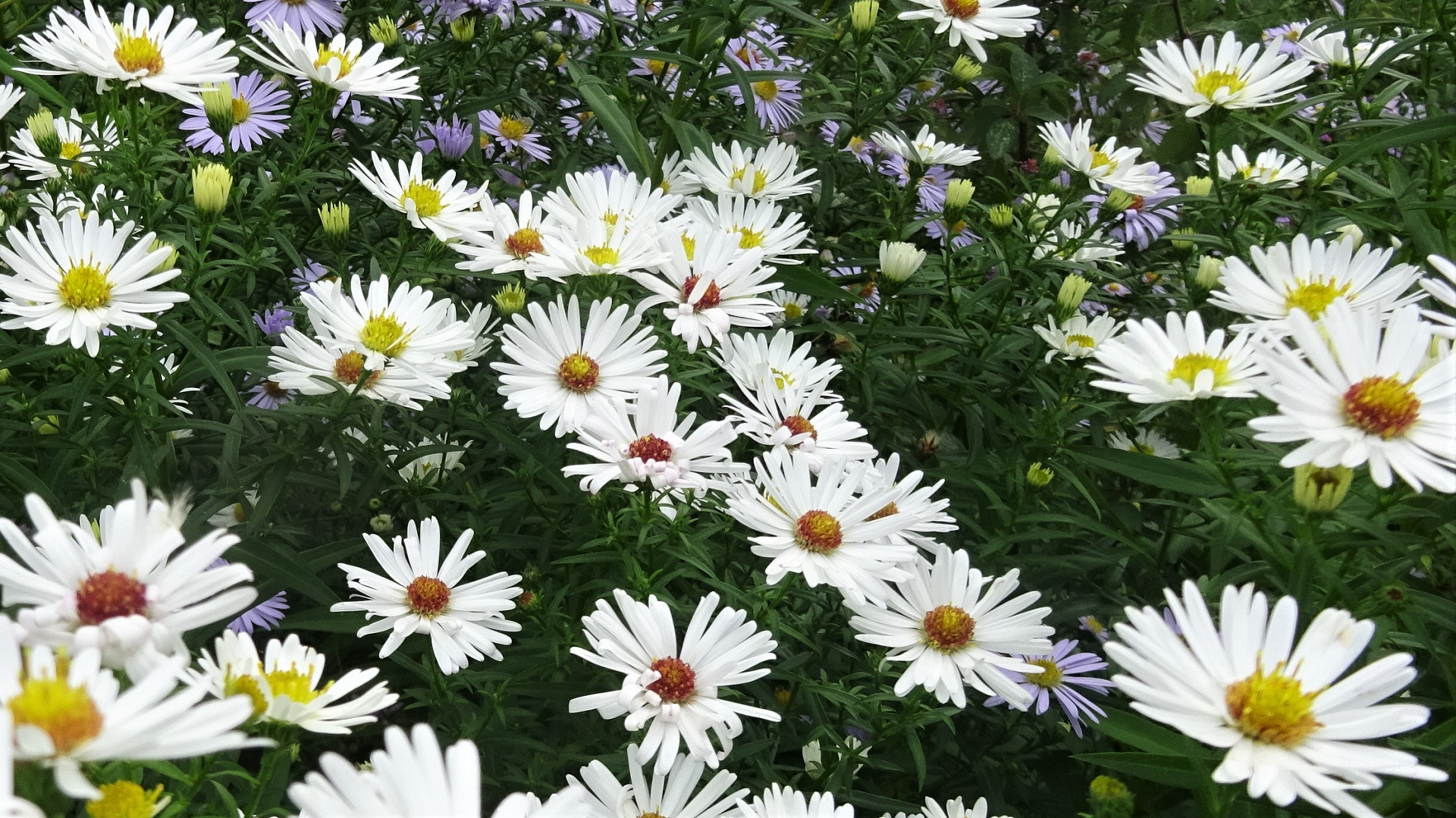
Michaelmas Daisies
Aster agg.
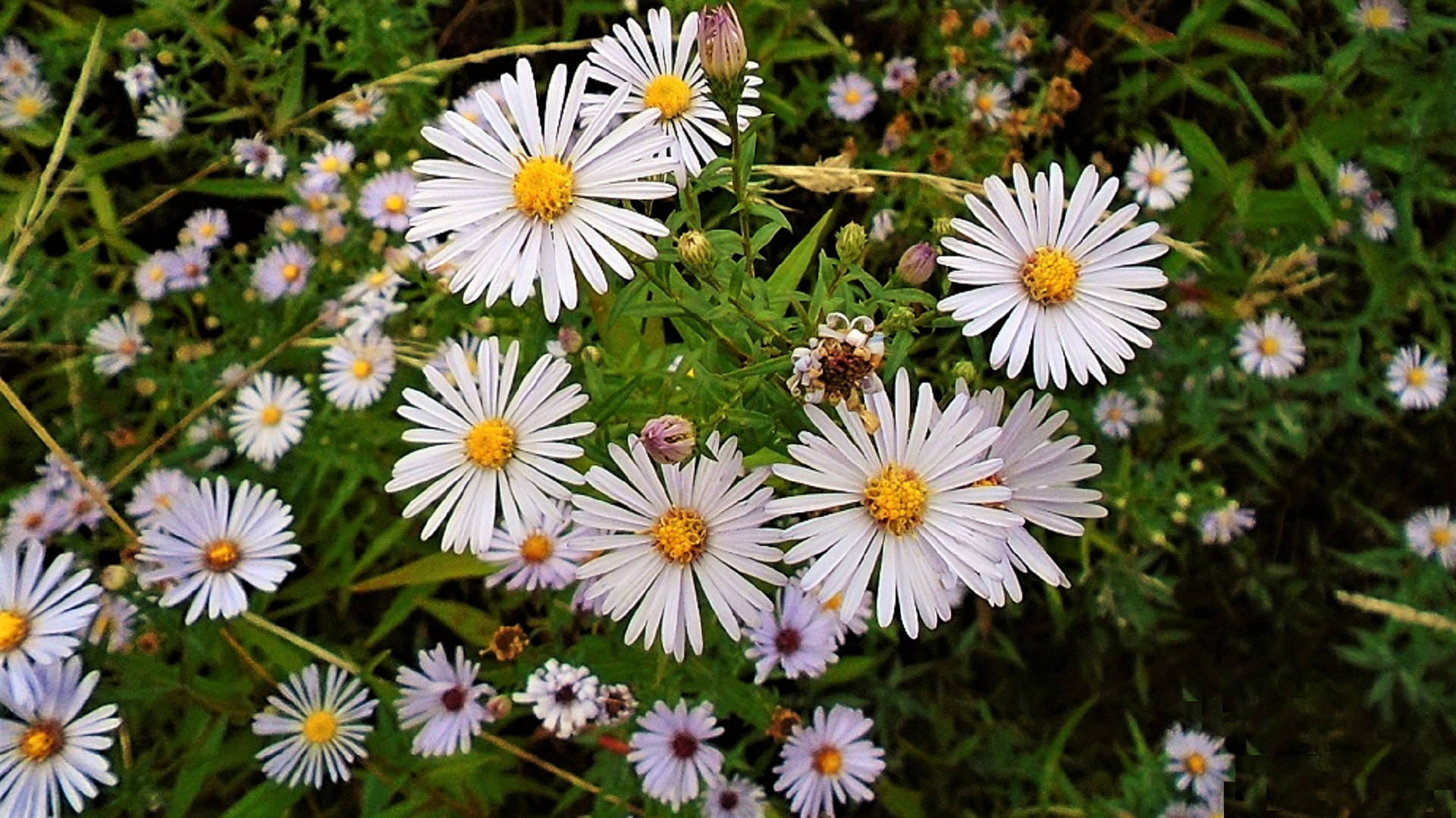
Michaelmas Daisy is a common, tall, well-branched garden escape which can often be seen blooming near Hainault Lake during the autumn.
#
Black Nightshade
Solanum nigrum
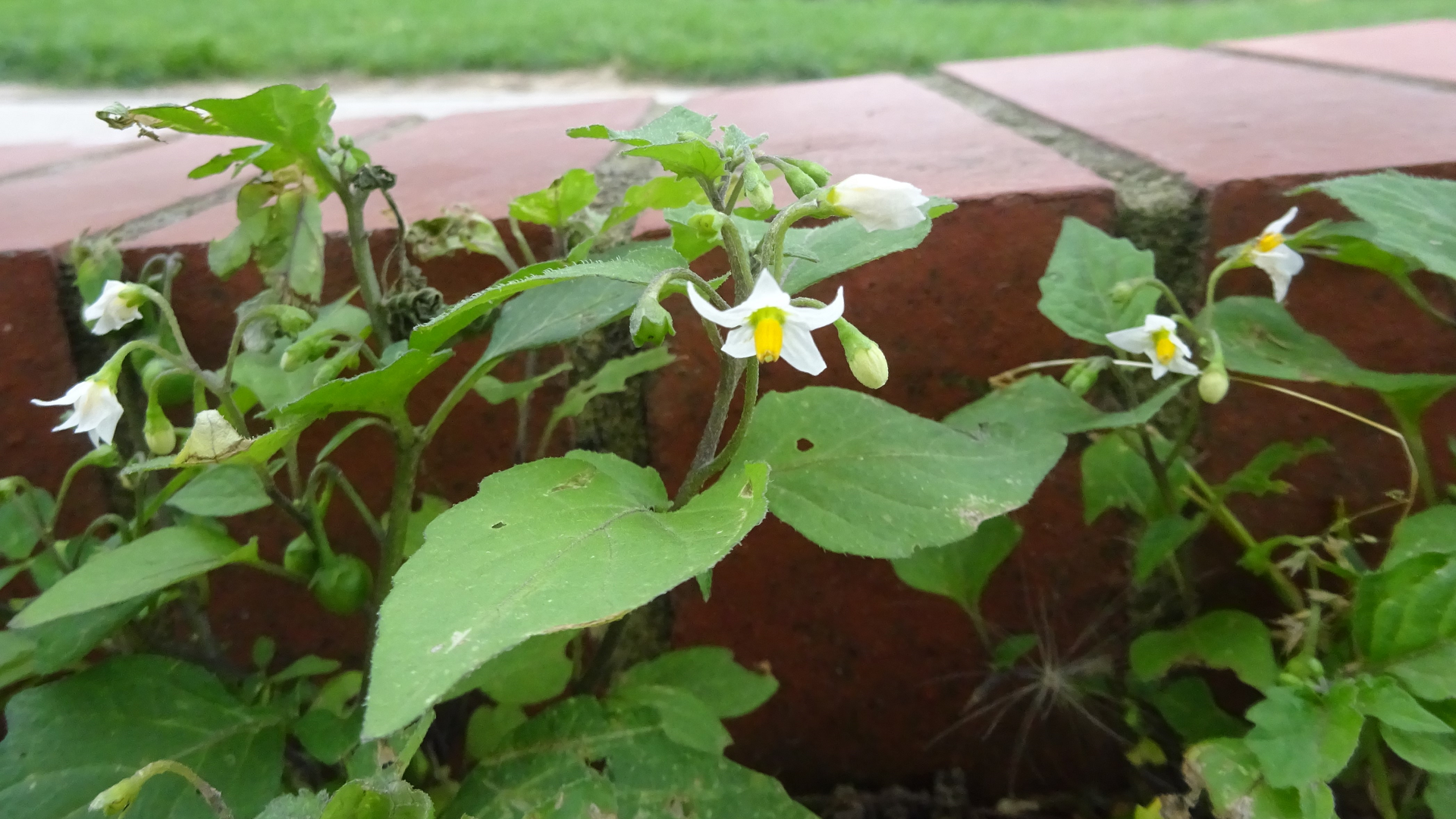
This low spreading plant belonging to the Nightshade family was growing on the slope leading up to the Foxburrow Road public toilets. Flowers are white with yellow anthers develop into berries which are initially green before blackening.
#
Common Mallow
Malva sylvestris
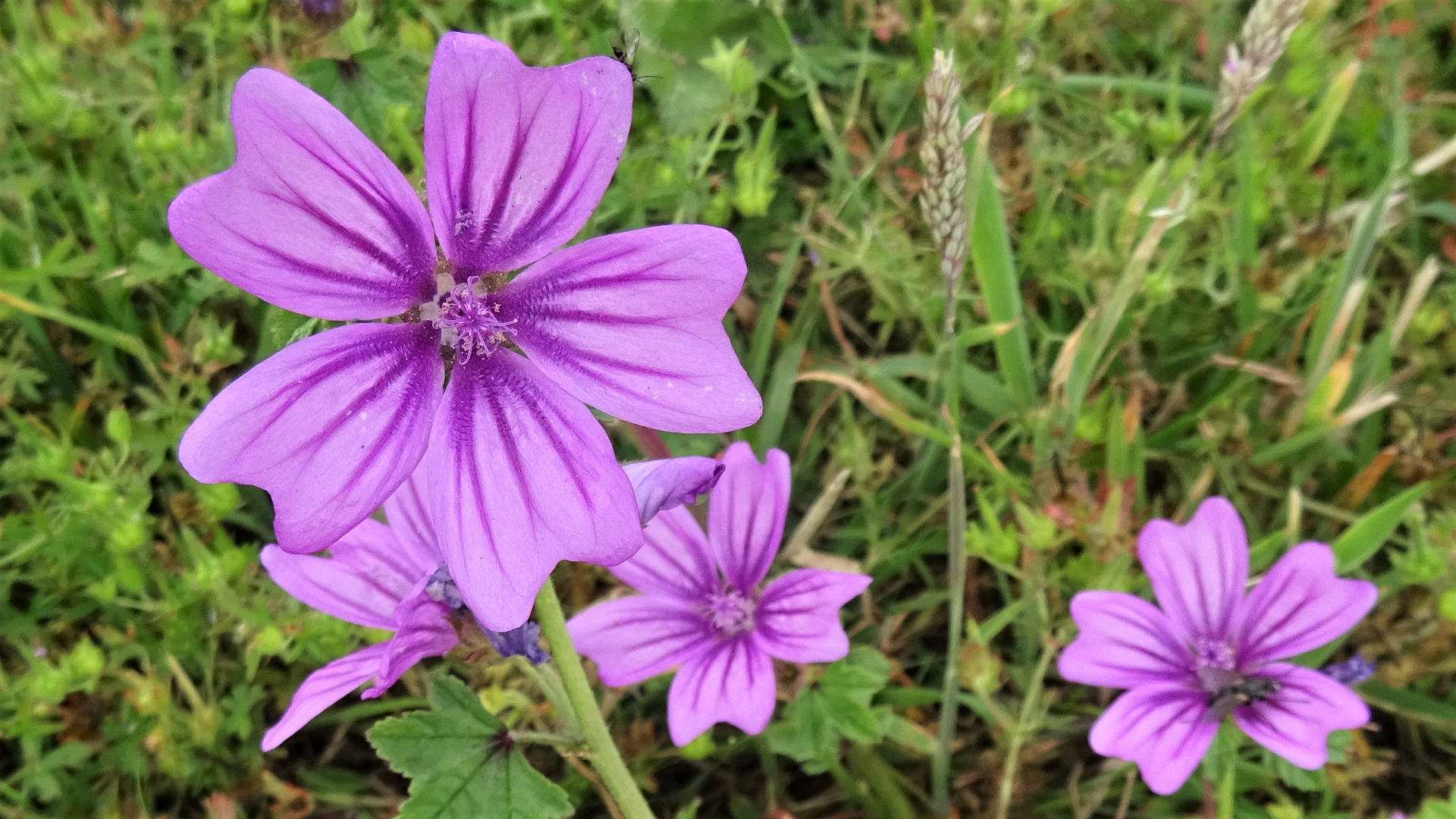
Common Mallow has deep pink flowers that appear from June to October. The funnel-shaped flowers have five open petals with deep purple stripes. It can be found along the kerb of Foxburrow Road and on Hog Hill.
#
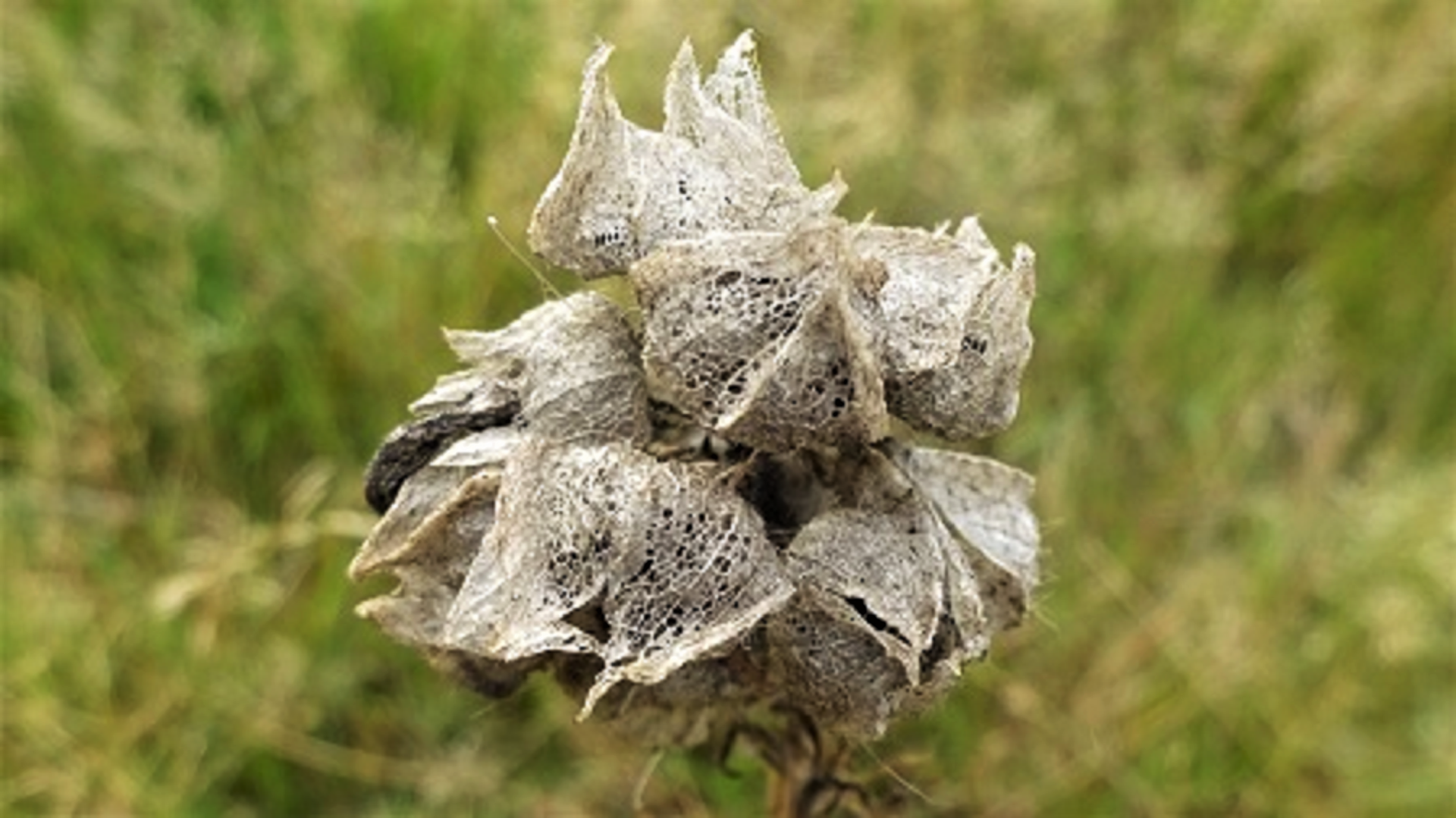
Musk-mallow
Malva moschata
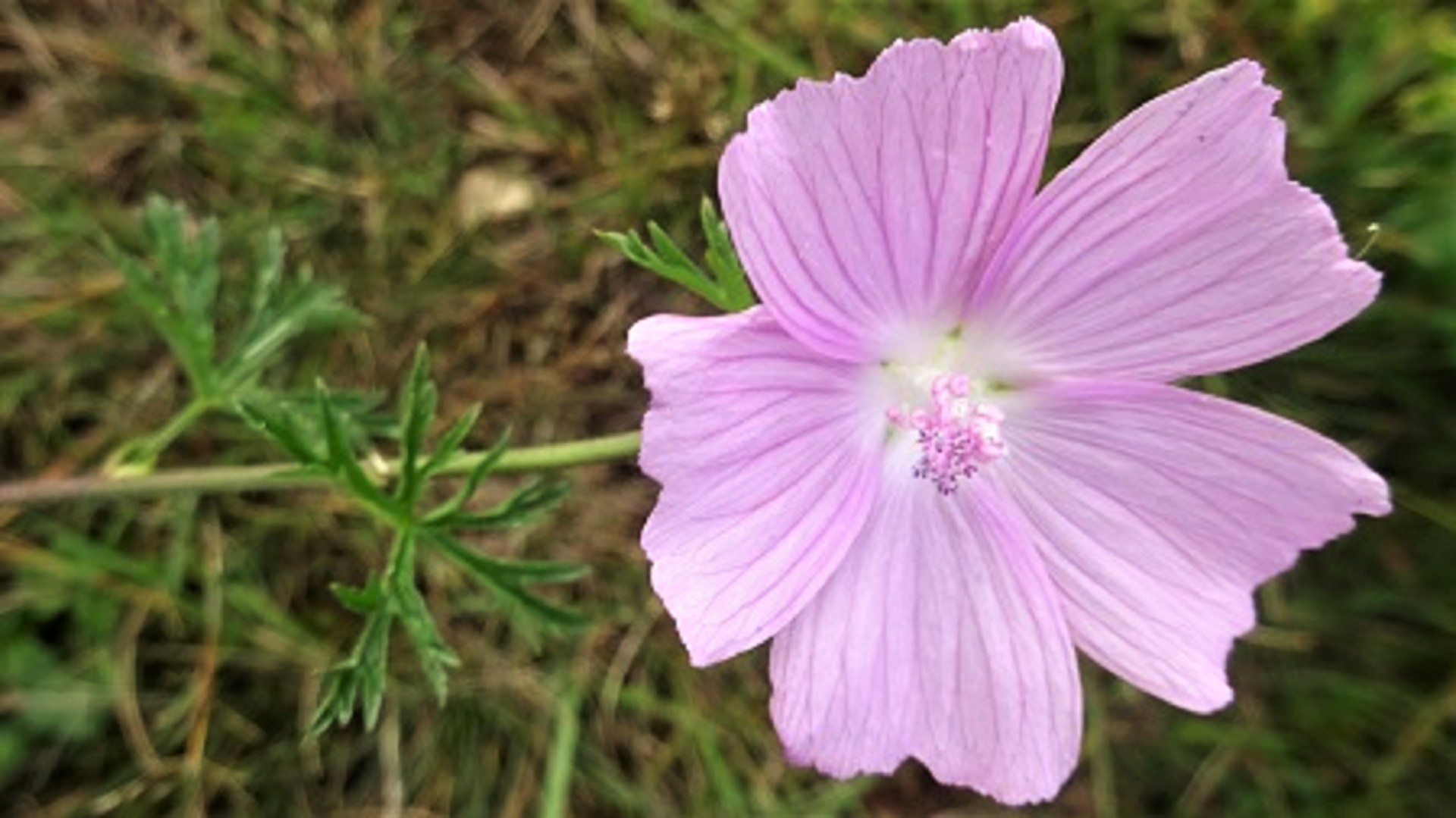
Flowers and leaves can be used raw in salads but the season is nearly over. Musk Mallow seeds that appear after the flowers have a nutty taste similar to peanuts.
#
Dwarf Mallow
Malva neglecta
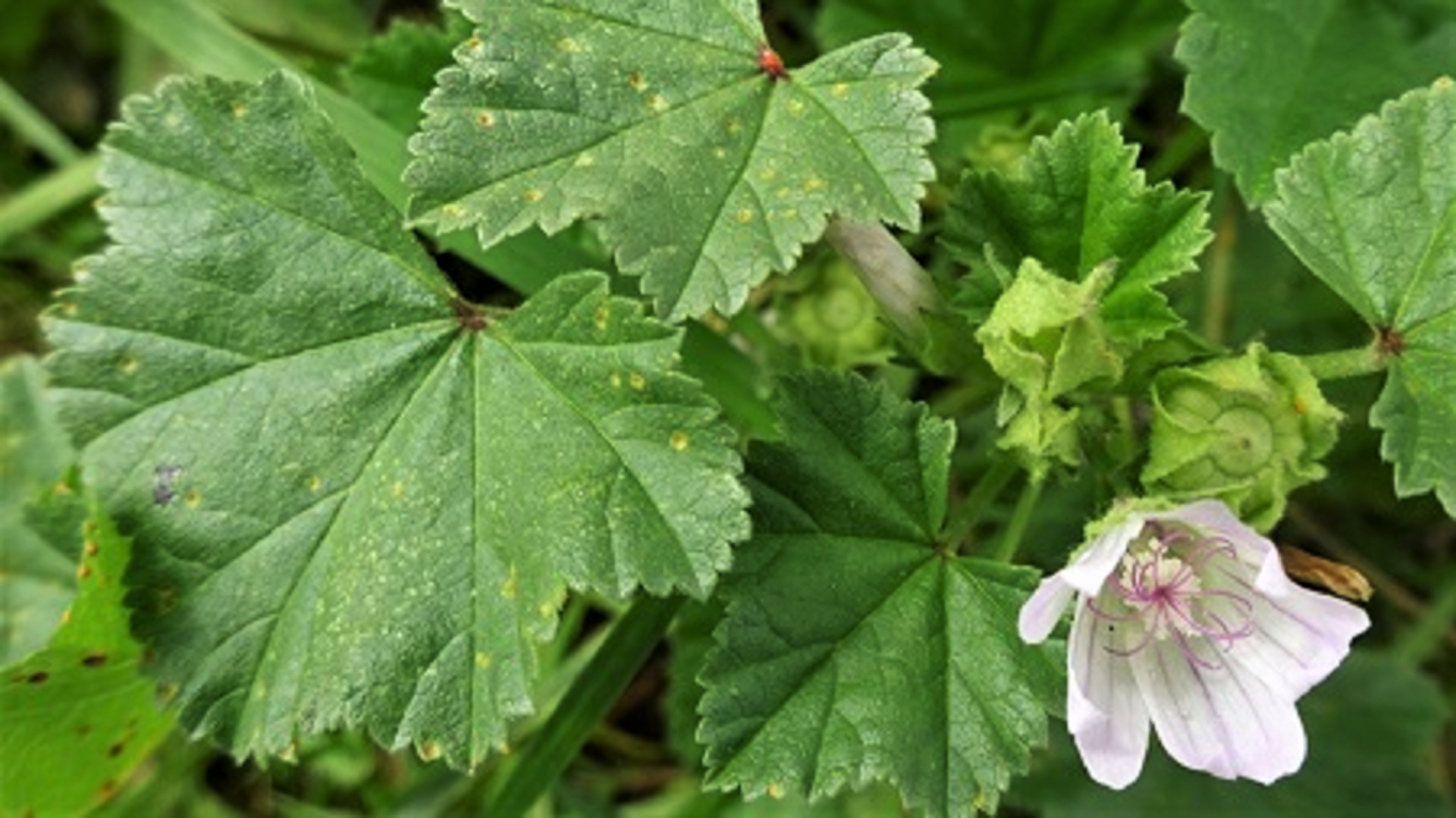
Dwarf Mallow is a hairy, spreading annual plant. Its lilac flowers, which have dark veins and measure 15-25 mm, bloom from May to September in dry, disturbed areas. The leaves are either round or kidney-shaped and have very shallow lobes.
#
Rowan
Sorbus
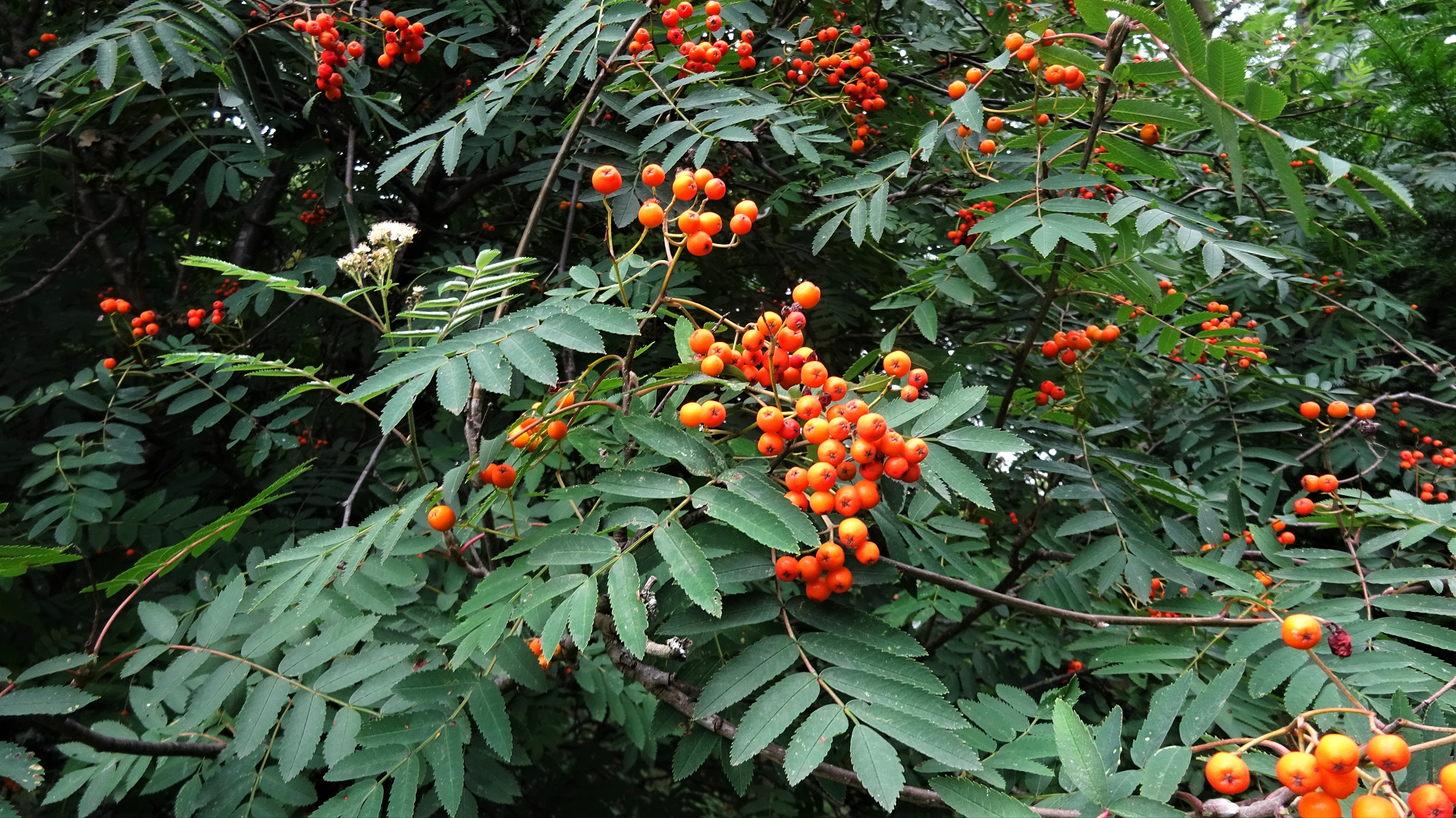
Rowans are mainly small deciduous trees,10–20 metres tall. The small, orange or red pomes, measure 4–8mm in diameter. They are soft and juicy, which makes them an excellent food for birds, which spread the seeds in their droppings.
#
Yew
Taxus baccata

Yew trees are either male or female. Only female trees produce berries which are poisonous if chewed, eating three can prove fatal. Yew has its place in folklore. It is claimed that if a community disapproved of two lovers yew stakes would plunged through their hearts. Two yew trees twisted together would act as a reminder of where the unfortunate couple were buried. In Churchyards thin roots of yew growing through eyes of the dead prevented them seeing their way back into our world. A wooden spear made from yew discovered at Clacton-on-Sea during 1911 is believed to be 400,000 years old.
#
Common Hawthorn
Crataegus monogyna
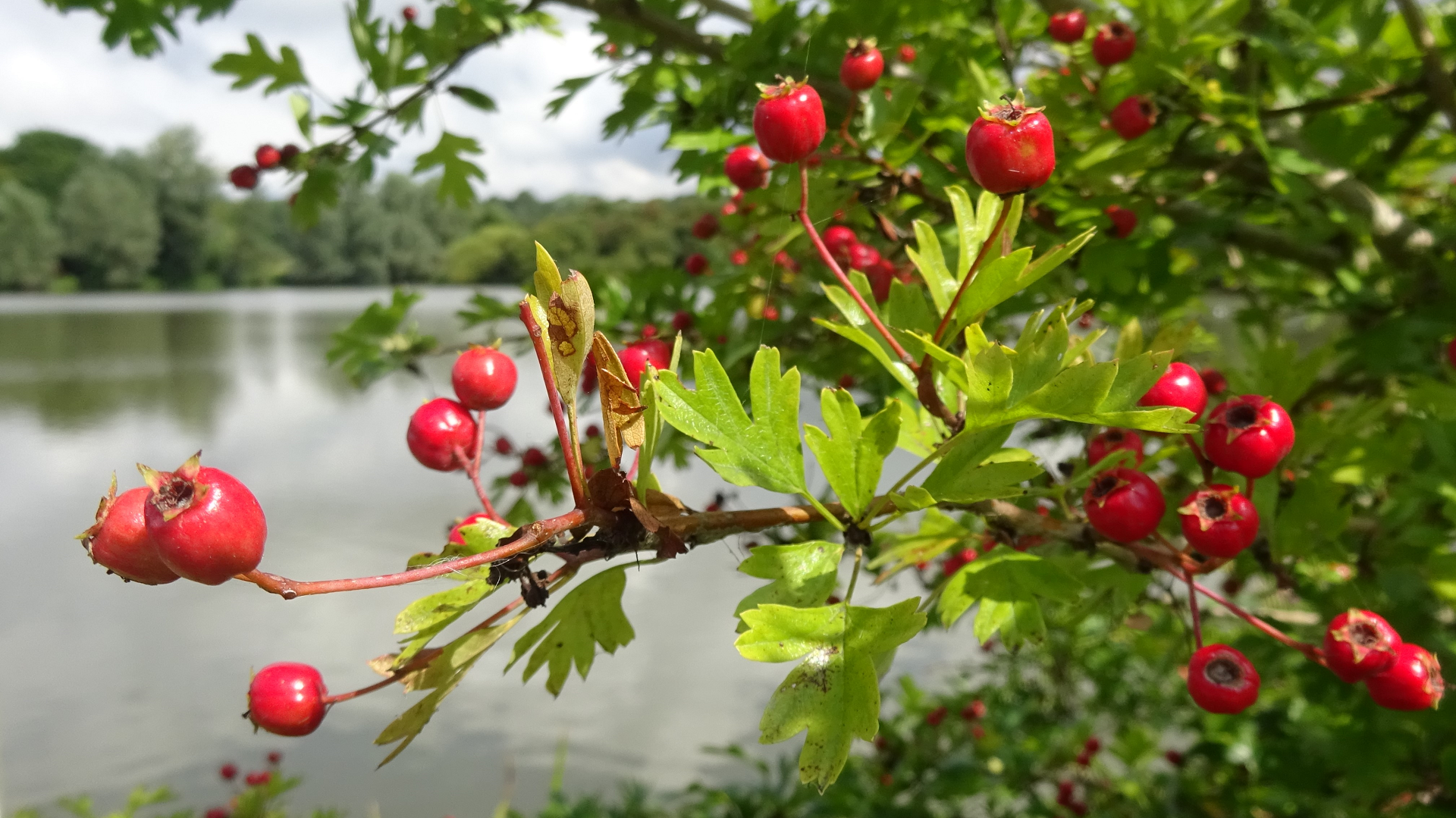
The edible berries on Hawthorn are known as 'Haws'. They can be used to make jams, jellies and wine. The seeds should not be eaten raw because they contain cyanide like many fruits including apples.
#
Butcher's Broom
Ruscus aculeatus
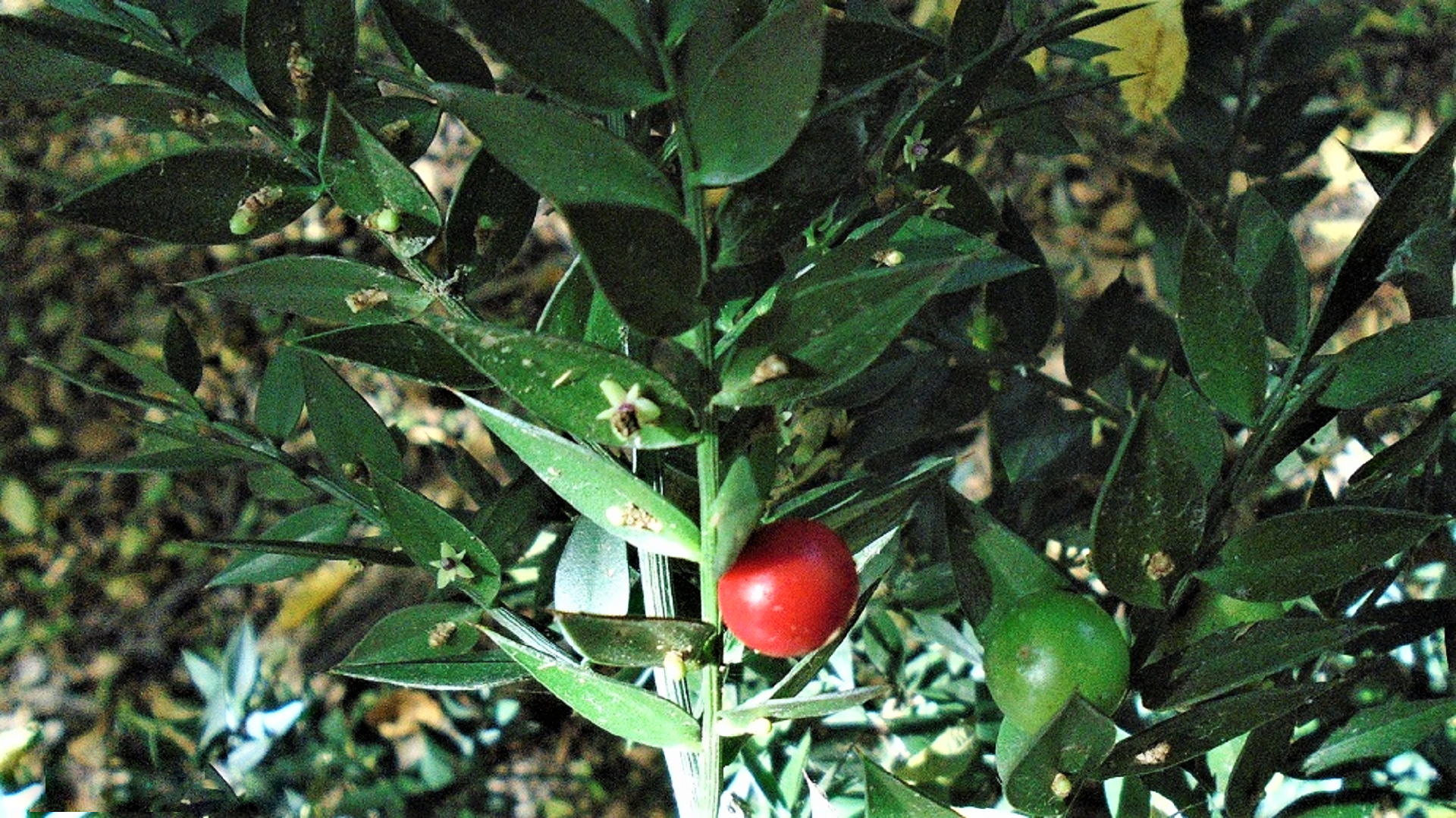
Butcher's Broom produces red berries that birds feed on which assists in distributing seeds. The plant also spreads by using rhizomes.
#
Sputnik Gall
Diplolepis nervosa
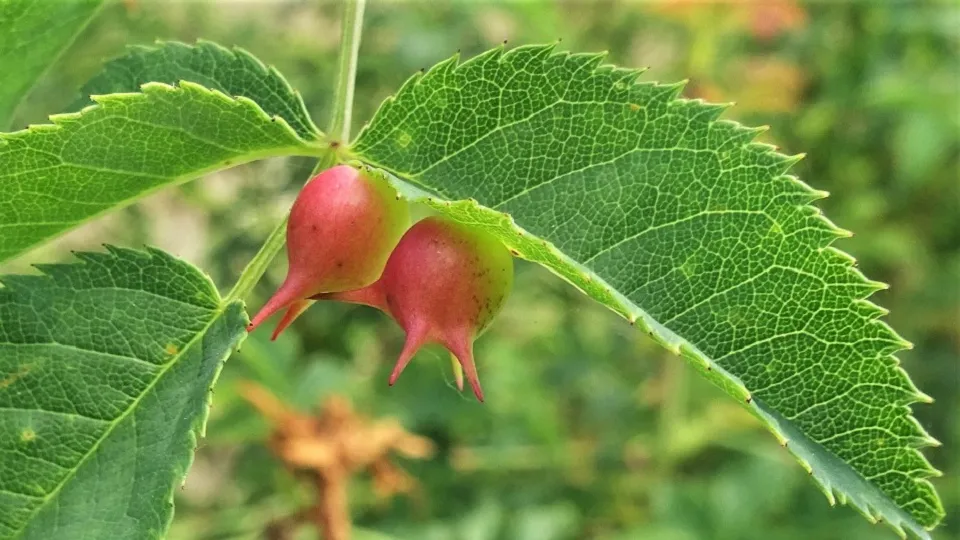
Sputnik galls, measuring up to 5mm, are formed by the gall wasp
Diplolepis nervosa. Each gall houses a single larva. Typically, the galls are found on the underside of leaves, although they can occasionally be located on the upper surface or on the flower stalk, appearing individually or in small clusters. They can exhibit a combination of green, pink, and yellow hues; when exposed to sunlight, they may turn deep red. Over time, the galls become brown, and once they mature, they drop from the leaves. After undergoing pupation within the gall, a new adult wasp emerges during the spring or summer.
#
Robin's Pincushion
Diplolepis rosae
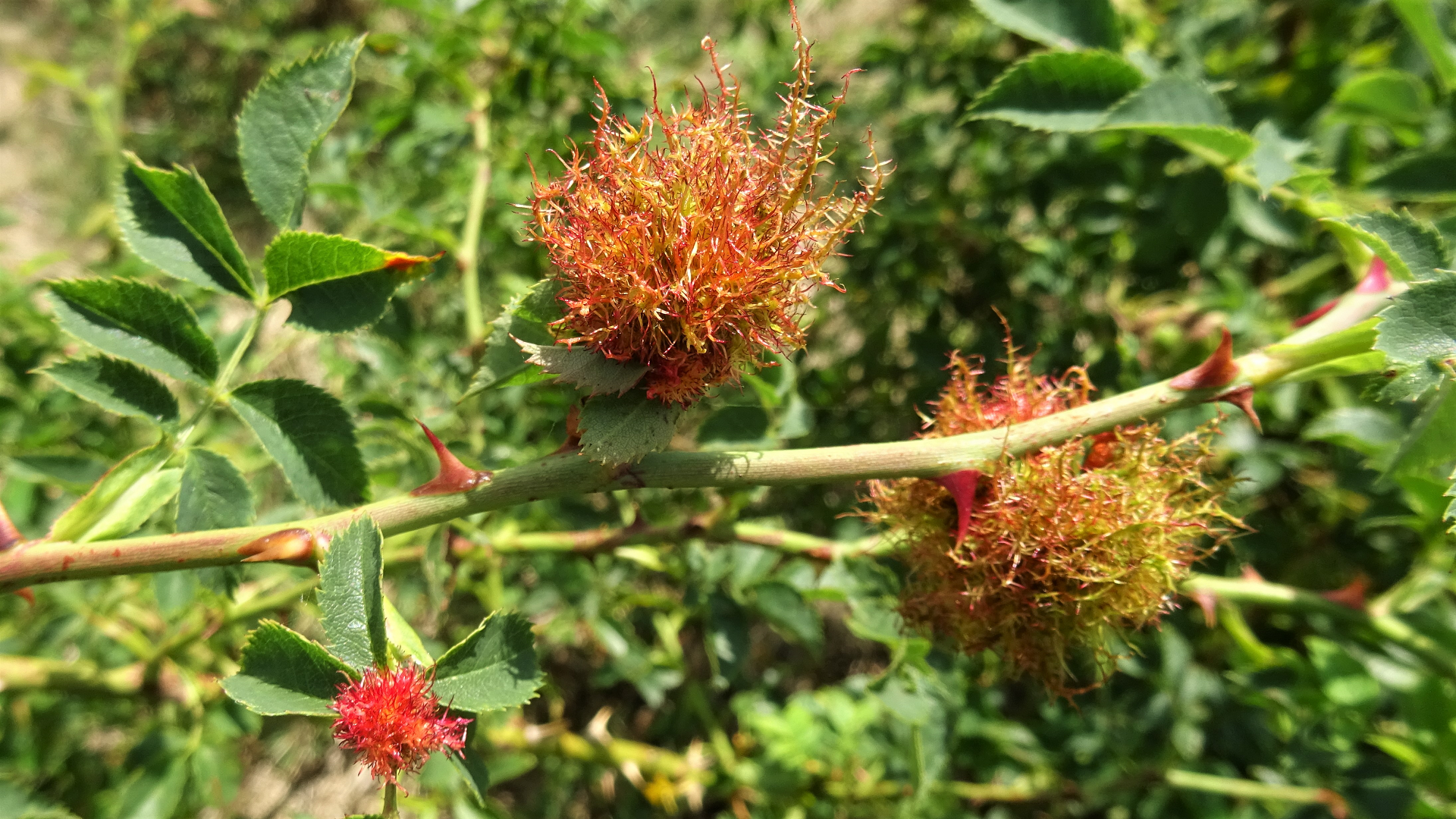
Caused by the gall wasp
Diplolepis rosae, the structure contains multiple chambers that are occupied by developing gall wasps. The galls become brown and woody during the overwintering period.
#
Camellia Gall
Rabdophaga rosaria

The Camellia gall, also known as the Rosette Gall, is an abnormality caused by the midge
Rabdophaga rosaria. The galls comprise 30 or more short leaves, each containing a single pinkish larva in the centre that overwinters inside the gall on the tree. As they mature, the galls change colour to brown.
#
Knopper Gall
Andricus quercuscalicis

Aphids on this developing Knopper Gall are excreting a sugary substance known as 'Honeydew'. Ants feed on honeydew and in return for the food source will often keep the aphids safe from predators. Ants sometimes farm aphids and bite off their wings to stop them flying away.
#
Marble Gall
Andricus kollari
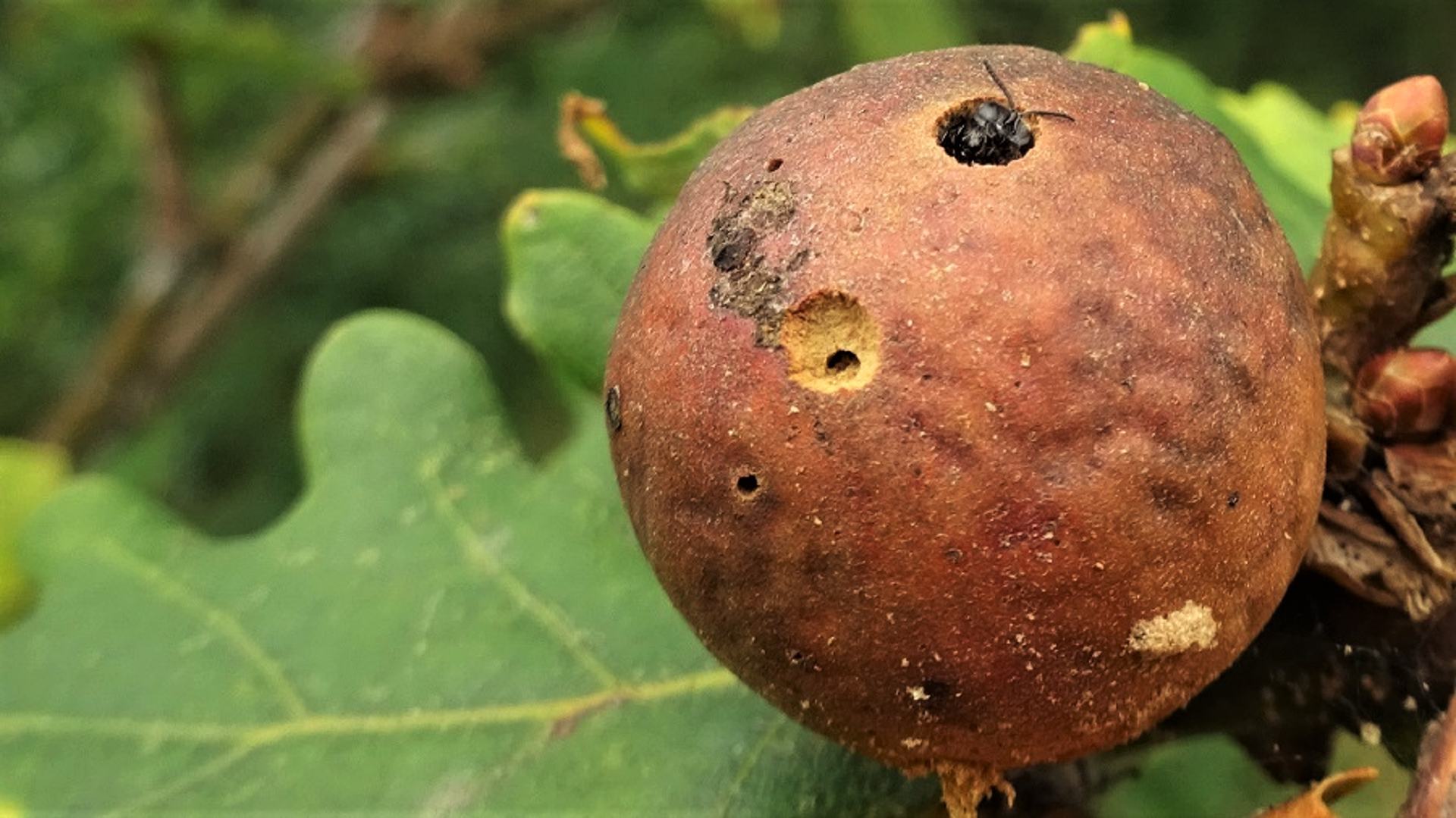
Found on English Oak, Marble galls are produced by the asexual generation of a gall wasp on leaf buds. The galls measure up to 25mm across and each contains one larva. Initially the galls are green, turning brown in autumn. The insect popping its head out of the hole may not be the species that caused the gall. It is possibly an inquiline that has moved in.
#
Thank you to everyone who has contributed to this Journal.
© hainaultforest.net. All rights reserved.
This website uses necessary cookies. It does not use targeting or advertising cookies.